Ablutions, toilet paper, people and other things. Basing these comments on my recent travel across Australia.
Beside visiting wonderous towns, seeing exceptional scenery, and noticing quirky occurrences we have learned a lot about travelling in general and specifically in a camper trailer. The difference to being in a caravan with its own toilet and shower facility.
There needs to be more discussion about basic facilities offered across Australia, whether it be on the side of the road, in a caravan park, in a public park, a tourist attraction or a shopping centre. Regardless of where it is there is something to say about them all.
Starting with the positives, availability of toilets in the outback is quite good. Many of the free camps have drop toilets and there no shortage of roadside pull offs with drop or flushing toilets. The majority are clean, with toilet paper, sanitiser, and large spacious areas for wheelchair access. Most regional towns have public toilets which again we found to be clean and spacious. As for the national parks and tourist attractions, beaches, and lookouts, particularly in WA have sealed facilities, with toilet paper and sanitiser provided. Some of the more remote towns have isolated shower facilities and toilets available for a few dollars, most are clean and safe. We also noticed water is readily accessible for a small fee. Rubbish bins are provided at most road pull offs and throughout all towns and attractions. We also noticed all the caravan parks have washing machines and dryers which work, and many have camp kitchens and barbecue area.
Now for the frustrating negatives. Thoughtless humans being the first and most annoying of the problems. Not only across the Nullarbor but in the outback one can easily drive stretches of 100-300 kms with no facilities which is totally understandable. Often there is no possible way to monitor or maintain proper care for facilities over these distances. Therefore, it is sensible to take that into account when travelling these routes. My first thought was to not drink copious amounts of soft drink or water in between. Apparently not obvious to all. Along some of these massive drives the toilet paper on the side of the road is ridiculous. If collected there would be enough to build a bloody bonfire at the end of each stretch. Why is it so hard for one to keep a plastic bag and a toilet roll in their vehicle. Take your rubbish with you or put it in the provided bin. If you are free camping, take a little shovel with you. It is not rocket science. It is common decency which is obviously lacking in many human beings.
My second gripe is toilet roll holders. Uniformity would be the key here. There are those with dowel sticks that hold several rolls. Just a note to those who put the rolls of paper on the stick, the roll must be able to turn. It won’t work if the toilet roll is too fat or too close to the next one or in once case the stick was a flat rectangular bar which did not turn. The tall drop boxes where the toilet rolls sit on top on one another. Bad design all over. Hard for the roll to turn when another roll sitting on top. Hard to remove the used roll and then the other refuses to drop down. Can you get the lid off to fix it, of course not as it is jammed tight or locked. Now let’s talk about the newer large receptables with the massive size toilet rolls in them. First thing is the toilet paper is not very wide and unacceptably thin. Because it is thin paper one needs copious amounts of toilet paper to avoid the obvious so not economical. Who thinks up where to put these receptacles. Why are they in positions which make it impossible to gently pull on the paper. Either one must twist into a yoga pose to reach behind to tug on paper, alternatively you must reach down to your ankles to pull or push the paper out. If the person before does not tear it off properly the paper roll just keeps turning without releasing the paper. On one occasion in a café the spare toilet roll was on the shelf above the toilet, way above the toilet, not exactly the right time to have to stand up and turn around to reach for the one item you need to be able to leave the receptacle gracefully. Someone did not think that one through. Still on the toilet paper issue and humans, having said it is difficult to get the paper out of these receptacles, it is not however difficult to pick up the bits that have fallen on the floor. You dropped it, not your fault but pick it up and place it in the toilet bowl before you flush. Why is this so hard. It is not used paper just discarded paper. If you leave it on the floor, it then becomes dirty and messy.
Now onto the size of toilet cubicles. In one toilet I had to open the door slide up to the side of the toilet to be able to close the door, another I was practically sitting on the sanitising bin at the same time I was sitting on the toilet seat. Low and small toilets are also very inconvenient for the older generation. No handrails beside the toilets, again older people can have difficulty rising from a toilet seat. Where does one put the handbag, on the wet or paper covered floor, on the sanitizer bin or should we just keep it on our lap. Finally done we move to wash our hands, good luck with the soap dispenser, I am not bothering to elaborate on these poorly designed containers, give up and go straight to the tap. We are often confronted with a tiny weeny sink which is hard to get one hand under the tap let alone both hands. Then there is that tap which splutters and spurts at either minimum flow or with the force of a high-pressure hose. Let us not forget those unique water sinks with the taps which may or may not turn off themselves. Is it going to stop or flood the entire area? Do I turn it, wave over the fitting, or bang it with my fist?
Next to contend with is drying one’s hands. Firstly, never near the sink, so shake the hands and drip the water on the floor while looking for what’s available. Either paper or blow apparatus or occasionally these days you will still get those rolling hand towels.
With luck you will remove a small slither of paper to use or said paper will be stuck in the receptacle or more likely it is completely empty. Try the blower and get blown to the far wall or should I hug the air vents with my hands to find the miniscule airflow. Now where did I put my handbag, is it on the wet counter, the miniscule shelf provided or on the wet floor between my feet. Check your hair and makeup without getting the comb or your lippy from your bag as it is too wet or awkward. Sometime later you get to emerge from the toilet block having endured an experience you had not wished for.
Now we are onto showers or ablution blocks. Not a word I have heard used regularly but I have noticed this trip it is referred to often in camp site reviews. Appropriate I guess as the dictionary meaning is “an act of washing oneself”. Cleanliness was very good in most of the parks we stayed. It is usually the humans using the facility that are messy. Most places provided mops and buckets which allowed you to assist in keeping the block clean. Shower heads leave a lot to be desired, some work well, but many are very unpredictable depending on the amount of people using the facility at the time. Some are just pathetic. Water pressure is a big problem in a lot of them. Water temperatures varied considerably and always an unknown. I wonder if they consider the amount of wasted water while we try to regulate the hot and cold-water taps. Size of the cubicles always a discussion point. Tiny spaces with barely enough room to turn around, no shower curtain, and one towel hook. There is often a little bench seat for your dry clothes which usually end up wet from the shower spray. Of course, the floor is wet all over, so shoes are also wet. Realistically you need 2 towels, one to dry the cubicle so you can then dry yourself. There was one occasion I walked into the shower block to hear someone having a great party time with their music blaring out from the shower. Luckily it was music I did not mind. Another time in a small ablution block, two ladies in opposite rooms were having a most boisterous discussion in a foreign language through the wall of the cubicles. I may have been happy to join in had I understood the conversation. The laundry and clothesline, always a need for several trips back and forth. Walk to see if one is available. Walk to reception to get applicable coins because the last one took $1 coins, but these takes $2 coins. Walk back to machine and hope machine is still available. If you are in luck, make sure you read the sign, they all work differently. Figure it out and get it started. Blinking light says 30 minutes. Wait for another available machine for the second load. There are usually 2-3 washing machines in a caravan park of 50 or more vans. Cannot figure that one out. First load finishes so you load the dryer, if available. Price varies of course but often no sign to say how long a cycle is. $2 could be 15mins or 30mins. You wait and see and hope you will not be there all day, because you know that first cycle is not going to be enough. Sometimes the clothesline is a better choice however than we have those that leave their clothes on the line for 2 days. They went out, they forgot, or they are just inconsiderate. Once again you wait and hope. My advice regardless of the set up take a book, you will need it.
Leaving the amenities, we move on to other things.
Once again thoughtless human behaviour is everywhere, bear with me while I rant a little more. I am amazed at the number of people who ignore instructions and warnings. I know it is only a few who spoil it for the majority however my frustration levels soar when I see it happen time and time again. Don’t go near the edge, avoid area due to slippery rocks, keep your distance from the animals, don’t leave your rubbish, road subject to flooding, no parking, no camping, no fires, beware dangerous area. Signs are plentiful and obvious and there is one person in every crowd that simply has no common sense and does exactly the opposite to the instruction. I am not talking about children, it is always an adult and even worse, an adult with a child in tow. What sort of example are they setting? Do they have a death wish or are they just selfish? I am dumbfounded and so angry every time I see it.
I will end this blog on a more positive note as I do not want to sound like a winging old lady (my apologies if I do, as I get older, my tolerance is diminishing.)
There were many times during our travels that we had to quickly pull over to take a photo when something unexpected caught our eye. Letterboxes, garden arrangements, some sculptures. I love how people are strong enough to put their passion and thoughts on display for everyone to see. I love the artistic flare of others who put tireless hours into a creation in the middle of nowhere. I often wonder about the story behind the picture. We can tell stories and show photographs of all the highlights, the grand scenes, and the wow moments, many of which others have had the pleasure of seeing themselves, but for me it is the quirky stuff that makes each trip unique and memorable.
Below are some of this trip’s quirky moments.
This one not too bad Main road of Hyden WAMore on Main road of Hyden WAHousehold of Fisherman?How cute is this guyBrillianceThe lost peopleWhat planet is he fromIn the eye of the beholderA farmers work is never doneAn old bikie lives hereA minion fanSame fanBear JunctionBear JunctionChristmas in May in the outback Please explainCamels awayWhy?A surfer lives hereRecycled garden things On the Esplanade of Geraldton WAOn an isolated outback highwayWhats missing here?
Hope you enjoyed my silliness. If so like and follow for more of my tales.
Our goal after the eclipse was to head to Kalbarri National Park. On the way are a couple of must-do stops to see Coral Bay and Monkey Mia. We had heard from our friends, Leigh and Geoff who were staying at Denman, near Monkey Mia for a few days. We agreed to try to meet up with them. We headed straight to Coral Bay which has one road in and out. It turned out a non-event for us. Basically, it is a beach stay with flash caravan parks/resorts, with what looked like an expensive hotel and coffee shop. You could not move for caravans, on top of each other, with kids, and paddle boards everywhere. We could not even park to see the beach and therefore were unable to tell you if it was of any significance.
Moving back to the highway we headed down and pulled off before Carnarvon to see the Quobba Blow Hole. We timed it beautifully as the tide was in and the water erupting. This was much more to our liking. It is a natural area, with no lookout, fencing or commercialism and only a few humans around. You can walk across the rocks close to the water’s edge. It was not dangerous although some caution was needed due to it being wet and slippery. The water was fiercely blowing up through the hole when we arrived. We were able to get quite close to the opening for some great photos. Getting wet was fun and a bonus as the day had been very hot and dry. We went for a walk up the beach to a small lookout to view another cove with yet another inviting family-style beach. We noticed a large flock of sea birds sitting on a rocky outcrop nearby. The afternoon was quickly fading and so we moved on.
We decided to take our time and stay at Carnarvon once again to wash our clothes, and to enjoy some hot showers. For a few days now I have not been feeling well, hacking cough etc. Checked for covid but all clear, just a good old cold, just enough to upset our plans a little. My walking skills were a bit subdued, and my planning ability was out the window.
Woodleigh Impact Crater As the sign says at Shark Bayone of thousands of termite mounds on the way. The shoreline at Quobba Blow HoleQuobba Blow Hole Near Carnarvon A few of the many sea birds we saw
The next morning, we packed up early and we were looking forward to seeing our friends at Denham. Of course, our car does tend to veer off the road at every camera or tourist sign. Hamelin Pool to see the Stromatolites was our first detour. We see the stalagmites, and the stalactites many times but this was new to me, at least. It was a short hot walk to the beach from the car park and unfortunately, the jetty had been damaged in recent storms and the access to these living fossils was not great. There are information boards but a large wire fence between you and the fossils. Hopefully, they will get the jetty fixed so others can enjoy them. The next pull-off was Shell Beach, Shark Bay, which was fascinating. Millions of tiny shells covering a 60km stretch to a depth of 7-10 metres. It is a pure white beach with shallow warm water to paddle in. A little hard on bare feet though. Our water shoes would have been a good idea, had we thought of it. Nonetheless it was quite pretty, and the water was beautiful.
After the beach a pull-off to an historic telegraph office and beach. Not worth a mention as it was not an inviting-looking area. A little rundown and neglected, I do feel it needs some work to appeal more to the public.
We moved on quickly to Denham. This is a quaint town with a manicured esplanade running along the beachfront. It is a popular town for boating and fishing and the gateway to the Shark Bay World Heritage Area The caravan parks looked full, and we suspect a lot of holiday rentals were at capacity. We were lucky, as Leigh and Geoff had an Airbnb which had an extra room and bathroom facilities downstairs. For the first time in many weeks, we were able to have a normal bed and a normal bathroom. This was just as exciting as seeing our friends. After a cold cider and some catch-up conversation, it was decided a swim was in order. We headed off for a lake nearby. It was a short drive and within a dozen steps of the car, the water was shallow and warm. We lazed in the water and chatted some more until the late afternoon air chilled our bodies. Back to our accommodation for shower and clean clothes for a night out at the local. We headed down to the most western hotel in Australia for a great meal, some wine and more talking. As we woke from a sound sleep, we looked forward to our trip to Monkey Mia. We had heard lots of good things about this place, and I was thrilled at the prospect of seeing dolphins up close and personal. Driving another 20 km from Denham we arrived at what appeared to be a holiday resort. There was a large information and gift shop and a walkway to the jetty where the dolphins were expected to visit. The area is very resort-style, with large parkland for children, a large restaurant and easy beach access. The dolphins are expected two to three times each morning. You wait near the jetty and once the dolphins are seen in the distance, two guides join you with stories of their families and their behaviours. They do come into the water’s edge and the handlers feed them fish. They allow you to stand at the edge of the water, however, you are restricted in how close you can get to them. It is a lovely experience as they are majestic and playful creatures. The whole experience lasts for half an hour at which time we wandered up for lunch as there was little else to do. There are emu wandering around the play area and around the restaurant which are cute to watch. We returned to the Airbnb, happy at what we had seen but underwhelmed by the whole experience. I expect if we were the type that loved sunbaking on a pristine beach then we would have appreciated the effort more.
I spent the afternoon working and Ken caught up on some photo editing. Geoff decided to cook us a gourmet seafood dinner that night. He is a pretty good chef as we have experienced his excellent culinary ability previously. After a couple of glasses of wine, a walk along the waterfront, holiday tiredness crept in. As our friends were leaving earlier than us the next morning, we said our goodbyes that evening and let sleep take over once more.
Damaged jetty alongside StromotalitesWading on Shell Beachclose up of the beach surfaceThe size of Shell BeachOn the Esplanade of DenmanOn the streets of DenmanMonkey Mia DolphinsMonkey Mia DolphinsCapturing the beauty of the DolphinDolphins frolickingMonkey Mia Beach
Another 350 km down the highway brings us to Kalbarri National Park. The road off the highway is pretty much all national park. The first walk we encountered was Nature’s Window. It was about a 1.5 km walk on a boardwalk with a little bit of rock navigating at the end. The large rock window allows one to look through into the Murchison River and its surrounds. The scene is perfect and beckons for a photo. The national park spans 186,000 hectares so looking out from the rocky outcrop was stunning. My cold was still persistent and so I found the walk back up was draining.
A short drive further on and you come to the Kalbarri Skywalk. This lookout allows you to walk out onto two manmade structures with see-through flooring extending over the valley. It is very pretty and easily accessible but personally standing on an undeveloped piece of land high on a cliff top is more exhilarating. Having said that the lookout and the sealed walking paths do allow a lot more people to access the beauty of this country. Once again there is a lot of information displayed and a tiny café available for resting. Overall, it is a very picturesque place to visit. There were several more drives and walks available but as it was getting late, we headed into town to secure our accommodation. Free camping was not as forthcoming along the coast, so we headed to a caravan park on the main road opposite the foreshore. That night, hoping for a nice sunset we wandered over to the park on the beach and were rewarded with a very beautiful peaceful crimson sky. The next day the intensity of my cold meant I did not want to do any further walks. Ken of course took off to investigate some more of the National Park while I rested. To his discomfort, he encountered another rock scrambling climb down to the bottom of a gorge. He was, however, rewarded with a glorious photographic scene. After another couple of walks he returned a very happy man. We then took a drive through the town and investigated the many ocean lookouts along the way. They all have easy pathways and the views varied at each stop. A little cold and windy but a sunny sky made it a very pleasant afternoon. Another nice sunset over the water saw an end to the day. It is a very pretty town, with lovely scenery, beaches, and some spectacular lookouts. This may have been my favourite place as far as being comfortable and relaxed.
The window to the Murchison RiverKalbari National ParkCliff top view of the MurchisonKalbari Skywalk side viewMe on walkwayKens walk to the bottom of the gorgecontinueing downAnd further downAnd he is at the bottomThe cliff top walk/Drive KalbarriCliff top viewMore of the cliff top views
Leaving Kalbarri, we headed down the coast toward Cervantes. As I said we had taken a drive the previous afternoon to check out these turnoffs. We could not help but look again. The morning sun gave us a slightly different view. We were now ready to move on and hungry to see more of what WA had to offer.
Gregory was the next place to visit. A tiny settlement with a convict history and a pink lake. There are several pink lakes in Australia and this one known as Hutt Lagoon was the first, we had seen. Travelling on along George Grey Drive for some time you see glimpses of the lake and the pink colouring is obvious. Turning off at Port Gregory Road, you drive a kilometre or so directly beside the lake until you approach a small hill where you can pull off and cross the road to a viewing area and access to the beach. There were a few cars there already, so we parked and walked down the hill on the other side. It was easy then to walk across the sand to get a closer view of the pink water. Comparing what we saw with vibrant coloured photo’s it was a dull pink with the colour varying in areas. The depth of the colour changes constantly depending on the bacteria present in the water. I would not say it was strong the day we visited but afterwards replaying the drone video you could see the intensity of the colour. Turning back the way we had come, we looked for the historic Lynton convict depot. Established in 1983, it was the first convict depot north of Fremantle. There were some signposted ruins and a little further up the road was Sanford House a Georgian homestead open to the public for a gold coin donation. We explored a little and then moved on. One thing I noticed here was the massive trees bent almost to the ground, clearly showing the direction of the strong winds that prevail over the Western Australian coastline. We passed through Geraldton once again and checked out a historical church built between 1916-1938. Quite an impressive building and well preserved. We then drove onto our next free camp called Ellendale Pool. The campsite was in Greenough about 45 km southeast of Geraldton. On the way, a tiny town called Walkaway, a wind farm and many acres of farmland followed by 100 m of dirt road, and we found our destination for the night. Crossing over a little bridge we find ourselves surrounded by giant gum trees and a rocky gorge. As we arrived, we noticed a tall tree completely covered in white. At first, I thought it to be white flowers but quickly changed my thinking as a crescendo of piercing cries descended on my ears. There were hundreds of white corella nesting on the branches. Later in the day as the sun started to set it was fascinating to watch huge groups fly overhead vacating their trees, maybe looking for a warmer spot in which to sleep. We will never know but they were back to visit again the next day bright and early. With another couple of hours drive ahead of us we took off without delay.
Pulling into Cervantes expecting quite a large town we were surprised to see the opposite. We were going to a donation camp at the showground but alas it was not operating. There was only one caravan park in the town which I felt was overpriced. I had found out the day before that our daughter Jess had secretly been making plans with Ken to organise a dinner voucher at The Lobster Shack ( a seafood restaurant in Cervantes) as a birthday gift for me. They know I love seafood and this place had been recommended to us. Given that situation, Ken insisted on us staying two nights in the overpriced caravan park so we could enjoy a relaxing afternoon and the next day a celebratory lunch. It was hard to argue with that. A leisurely afternoon and another nice sunset at the beach. We woke to get an early start to see The Pinnacles. I was blown away by these as I had seen photos and was expecting a small desert area with funny-shaped rocks. It is much more than this. We arrived as the park opened. As pensioners, it was only $8.00 to enter. There is a drive through the park which is part of the Nambung nature reserve. As we arrived early there was a quiet peaceful feeling as we started the slow drive. To me, it seemed like we were invading a series of secret cities silently going about the process of change. There are hundreds or maybe thousands of these “rocks” Formed approximately 25,000 to 30,000 years ago. Once the sea receded and left behind the seashells a new world emerged. Winds blew away the sand and left the pillars to stand alone and face the elements. They are all different shapes but often similarities can be seen within certain groups. You are allowed to drive and walk among the rocks but asked not to touch or climb on them. We drove and stopped many times wandering through the structures. Often you would round a corner and feel like you had just entered another town. Some are taller than people, some are wider, there are groups huddled together and others scattered away. They are all individual and yet they are the same. In one very sparse area with more open space, we were joined by three large emus’ wandering steadily across to a small shrubbed area. We were able to watch them slowly pass in front of us on a journey known only to them. I wondered if they were annoyed by our presence in this peaceful, serene setting. Further along the track a large grey kangaroo foraging in the bushes on the side of the road gracefully emerged and hopped across the road right in front of us. We have all seen these animals many times, but I personally am always thrilled when I see them in natural surroundings simply going about their missions. It took a couple of hours to complete the drive and we finished at the visitor’s centre where they have a large display of information and photographs of The Pinnacles. Interestingly they have not yet discovered how they were formed. The actual gift shop was a little disappointing. I find the gifts are pretty much the same in every tourist centre you enter. I was prepared to buy something which represented the park as a memory, but nothing was special or unique. The same old products with different labels. I decided to wait until I found something I liked elsewhere. It did not spoil the visit as I am still thinking of its beauty days later as I write this blog. One of the highlights of the trip for me. Topped off by my special seafood lunch, at the famous Lobster Shack, with wine and a gelato for dessert. Sitting on the balcony with a fabulous ocean view made my day complete.
.
As we headed further down the highway, true to form the car was compelled to do a couple of detours on the way. Firstly, we saw a sign for a place called Wedge Island. Asking ourselves the question, what are we going to see, wedge-tailed eagles or an interesting island in the ocean, we had no know idea at this point. A few kilometres down the road we started to see a few old shacks hidden in the bushes. As we continued there were more and more varying shapes, sizes, and conditions. There is no running water, no shops, and no electricity. There are some generators to be seen. The place looked deserted. We could see tracks to beach areas but no signs of people. It was obvious that there were residents, and a few vehicles parked among the shacks. Reading up on this, apparently, there is up to 350 of these independent shacks or humpies scattered all through the bushy area. It is hard to believe but during the right season up to 14,000 individuals may use these shacks for cray fishing. Wedge is the name of the town and a small rocky island off the beach is known as Wedge Island. You will not find one-star, let alone five-star accommodation in this town. Very interesting and intriguing place.
The next stop off the highway was the Lancelin sand dunes. An absolute necessity for a 4WD is needed on these ones. You could walk all over them and had we been a bit more energetic we would have. For now, watching those on the quad bikes zoom up and down the hills and standing admiring the pristine white sand stretching for miles was enough. We used what energy we had walking up to a local lookout over the ocean. Nearby a nice little bakery satisfied us with some great pies for lunch. A note, WA make very scrumptious pies, with yummy light fluffy pastry. We endeavour to steer clear of these very frequently available bakeries.
Back in the trusty Mazda once again we decided to head inland to a small town called Hyden for a much appealing tourist attraction. First, we stopped at Gin Gin to visit the Gravity Discovery Centre and observatory. The advertising for this attraction is quite appealing but having now visited we would say it is better suited for educational purposes. The examples of the fundamental forces of gravity provided, are great for hands on fun and we believe together with an overnight stay to learn about the night sky and use the observatory facilities would be worth the trip. As day tourists it is a little disappointing. Many of the displays were not functioning well and the displayed information could have been better. We spent an hour or so there and wandered through the displays but believe there needs to be some work done to entice more people to visit. One area I think kids would love is the leaning tower, here you can recreate a 300-year-old experiment from the top of the tower. We were not enthusiastic to try it and the area surrounding it could do with some sprucing up to bring it to life. Having said that it is worth a visit.
The next leg of our drive took us through many back roads and small towns. Travelling many kilometres via small regional towns, like Coondle and Toodyay we found ourselves wondering where we were going. The road has little traffic, and winds endlessly through state forests, hills, and valleys with little river crossings. It feels like you are miles from anywhere but in fact only a couple of hours from Perth. The countryside is pretty and reminded us of NSW. We were originally heading for Northam and then onto Hyden however after discussion we decided we would change our plans again and head back to Perth after visiting York.
York is the oldest inland town in WA, situated on the Avon River. There were several attractions, so we started looking for a free camp to settle for the night. It was not as easy as expected and late in the afternoon we settled on a RV site in the middle of town hoping a quiet sleepy town would afford us a good night’s sleep. It was a pretty sight just near the Avon River. A much-needed trip to the IGA and a little drive around the quaint little town finished our day.
Alas the sleep could have been better as we did not consider the workers leaving in the early hours of the morning crossing the local road bridge nearby.
It was the 1st of May, the actual date of my birth so a prompt decision to have a nice leisurely breakfast in town to celebrate made us scurry to pack up. My thoughts were of eggs Benedict and hot brewed coffee, I would soon be enjoying. You must admit Weetabix and fruit can get a bit boring after a while.
We drove straight to town, had a look around the nearby park and started a walk around some of the heritage buildings. After a leisurely stroll down the main road, I discovered my mobile phone was missing and had convinced myself I had left it in the public toilet back in the park. I was still very stuffed up with the cold and struggling with a tight chest but could not imagine surviving without my phone. We hurriedly turned back to the park to find my phone. Breathing heavily, I checked our car first and thankfully a sigh of relief as I found it sitting on the seat. My much-needed breakfast was foremost in my thoughts, so we trotted off to find the nearest café. To our absolute dismay we were confronted with one coffee shop with preheated toasted sandwiches and no atmosphere at all. We removed ourselves quickly and wandered down the main road trying to satisfy our needs. There was nothing and so my lovely birthday breakfast was not experienced that day. We had a takeaway coffee and decided to wait for the next town. We had a couple of small sites to see, some photographing of more heritage buildings and we were on our way again.
Our new destination being Perth we headed back along the Great Southern Highway where we found ourselves driving through the Mundaring State Forest. We came across the Mundaring Weir, apparently one of the world’s greatest engineering projects. It was finished in 1903 as the start of the water pipeline which pumped water 700 kilometres away to the goldfields of Kalgoorlie. The area surrounding is ideal for picnics, , canoeing, swimming and many walks. It was midmorning on a sunny day so ideal to walk across the dam wall to look out onto the heritage museum down below and then stare out at the bright blue water surrounded by the deep green of the bush hugging the waters edge on either side. We spent an hour or so just enjoying the pleasant surroundings and the peacefulness of the entire area. It was a nice surprise for the day.
We headed down the highway for the Lesmurdie falls which I expected to be the highlight of the day. Unfortunately, the falls were not falling, and the walk was steep and hot so not exactly what we were looking forward to. The national park was however surrounded by some beautiful expensive looking homes with great views toward the city of Perth. Accommodation was our next venture which again proved harder than expected. We were looking for a caravan park reasonably close to Perth at a acceptable price that was not booked out. Again, everything was heavily booked. Increasingly this was the case even though it was not holiday period. This caused me to ask the question why. A receptionist at one of the parks informed us that many people were living permanently in the caravan parks due to the rising expenses and lack of available properties. This made sense and made us realise we would have to be more organised over the next few weeks of travel. Eventually we found our spot at a place called Coogee “ pronounced Coo G” outside of Fremantle. One advantage of the caravan parks where there is a heavy permanent residence is that they are very clean and very quiet. We settled into this one for a few days. That night we went to a restaurant for a relaxing birthday dinner. After trying a couple of places which were unsatisfactory, we settled on a restaurant and enjoyed a couple of wines with our very tasty meal.
.
Hut Lagoon-Pink LakeConvict RuinsSanford House Lynton WACorella’s at Ellendale PoolAerial view of Ellendale PoolCervantes WAOceanside at The Lobster Shackbirds seated on Stromatolites at Thetis lakeThetis lakeThe Pinnacles Nambung Nat ParkStrange shapes of The PinnaclesAnother city of PinnaclesOne of three Emu’s visiting the PinnaclesMundaring WeirLancelin DunesThe Avon River York WAThe streets of YorkGin Gin Gravity centreGin Gin leaning TowerResident shack of Wedge WAHeritage building York WAView of Perth city from LesMurdie Falls Which way does the wind blow in Lynton WA
. We had been travelling for 4 weeks now and loving every minute of it. The majority of these photo’s have been taken by Ken with his D3100 Camera. He has a great eye and captures the essence of every place we go to. I do take photo’s with my trusty Iphone XR, but I tend to like quirky scenes which I will post in a separate blog.
The next day we were going to explore Perth CBD, Fremantle and then move along the coast to Esperance. See part 4 for our continued escapades.
Thanks for reading once again. Leave a comment and give it a thumbs up.
This is the third largest country in South America
Population nearly 27million.
Language-Spanish, Quechua, Aymara and various dialects of the Amazon Jungle
Three natural regions :- The coast, the highlands and the jungle.
Another flight and we find ourselves in Guayaquil airport where we are staying close by at the Holiday Inn. An early flight the next morning took us to Lima, the capital of Peru. Founded by the great conquistador Francisco Pizarro in 1535. Our hotel was in Miraflores, 30mins drive from the airport. Most of the drive is along the ocean front. A beautiful introduction to one of the more affluent districts that make up the city of Lima. It is a town known for its shopping, restaurants, and nightclubs and popular with the tourists. That afternoon we wandered from our hotel down to the Parque Del Amor, on the water’s edge. Checked out the shopping, the fantastic views over the water, beautiful parklands and watched a picturesque sunset. The next morning, we were up early for a tour of the city of Lima which proved very interesting. The first main attraction was the San Francisco Monastery. A glorious Barrroque building known for its boned-lined catacombs( containing an estimated 70,000 remains). A spectacular cupola or dome over the main staircase was carved in 1625 out of Nicaraguan Cedar. After visiting the main square Plaza Mayor, Government Palace, and many more major sites of Lima we headed down to the Huaca Pucilano, the adobe pyramid that was ancient Lima’s ceremonial heart. This is a most fascinating place to see and with a very informative guide, we learnt the history of this massive excavation site. A more detailed account can be found on the website http://huacapucllanamiraflores.pe/huaca-pucllana-hoy/ This site was amazing to walk through and to be able see the massive works being meticulously completed to their original status.
The afternoon was free time, so we tackled the huge local markets, wandered through Spanish style buildings and colourful streets, and then investigated a local art gallery. With tired feet we headed back to our hotel for a fine dining treat after which we fell into bed exhausted.
The next morning, we are picked up for our flights to Cusco and then driven to our Sacred Valley of the Incas (8500feet elevation) accommodation. The river valley is very fertile with lush green slopes surrounded by mountains in the distance. Our hotel was very pretty and as rest was recommended at this stage, to allow our body to adjust to the altitude, we had no problem taking it easy and enjoying some much-needed quiet time.
The following morning, we headed out with our guide to visit the people of Chinchero and visit the Inca’s Balcony. We were treated to a tour of the streets, introduced to occupants in traditional dress and shown the ancestral way in which they process the wool and how they obtain the vivid colours used in their textiles. Chinchero is an ancient town and a wonderful place where you can still feel and see the Inca culture as it was in the past. The streets are tiny, the people are beautiful, and the way of life is simple. I was fascinated by the cute three wheeled vehicles known as Moto Taxi’s Of course, there were markets to wander through, souvenirs to buy and many stairs to climb. A glorious ancient church to investigate and time to watch the various breeds of Lama’s grazing.
A light lunch and back on board our bus to visit Ollantaytambo, one of the most monumental architectural complexes of ancient Inca Empire. It is well known for the terraces dug into the slopes of the mountains. The terraces were used for agricultural purposes. The terraces are quite large and high. Unfortunately, I did struggle to reach the top as the altitude and the sheer height was a little too much. I ventured maybe 3/4 of the way and promptly sat myself down and waited for Ken to return. I feared, if I was struggling with this, would I make it to the top of Machu Pichu. I would soon find out. For now back to our hotel to pack for our trip to Machu Pichu the next day.
Inca Balcony’sInca Balcony”sMoto Taxi’sStreets of ChincheroOne of the many variety of LlamaTraditional Dying of Textiles
Ollantaytambo station is where we board the Vistadome train to take us to Aguas Calientas. The trip is about 1.5 hours in a carriage with panoramic windows to view valleys and mountains throughout the whole trip. Morning refreshments and a commentary keep you entertained. When reaching our destination we are shown to our hotel with a couple of hours to investigate our surrounds. At 12.30 we had to board our bus for Machu Pichhu. We lined up with many other travellers to board the bus for the half hour trip to the mountain top. We headed out of town and started up the mountain drive. The road was quite narrow with no guard rails. On one side, in many places it was a sheer drop to the valley floor, and on the other the looming face of the mountain was close. Taking the bends was a skill known only to our driver and passing other buses on their way down the mountain was a huge challenge. My knuckles were white from clenching the top of the seat in front the whole way. Finally reaching the top safely we alighted with the many other people waiting in line to buy tickets etc. On a booked tour we were lucky enough to get entry quickly.
We had seen the pictures, heard of its grandeur from others but until you are there, you cannot really appreciate its beauty. Machu Picchu is a very special place. It was misty when we arrived which added to its mystique. A guided tour helped us to understand the lives of the priests and their servants and craftsmen who inhabited this citadel. The mystery of the destruction of this settlement remains today as there was no written records kept. Some excavation has discovered skeletons, artefacts and some woollen clothing. Machu Picchu is an Inca citadel set high in the Andes Mountains. Above the Urubamba River valley one feels like they are above the world. Even though surrounded by crowds of people the isolation of the settlement could still be experienced. Built in the 15th century it is renowned for its sophisticated dry-stone walls that fuse huge blocks without the use of mortar. The stonework was intricate and precise. The intriguing structure of buildings that play on astronomical alignments and panoramic views. It is not a place you can describe fully. Photo’s do not do it justice. There is a feeling experienced here that is unique.The scenery is stunning even in misty rain. The trip to get to this place is massive and the intrigue of how anyone ever lived here is mind blowing. We wandered the many tiers and walked the many levels. Our bodies were exhausted and our minds full of wonderment. Another hairy drive back down the mountain, a wander through the streets ending with dinner. Collapsed into our bed that night we slept well satisfied with what we had experienced. The next day started with blue sky and sunshine. Our tickets allowed us a further visit the next morning so Ken chose to head back up the mountain for more photographing. I decided to investigate the town a little more so headed out to discover some history, beautiful architecture, massive markets and the school and shops which the locals call home. I must say they are a very hardworking community with the town being built on the side of the mountain. All deliveries of building materials including bricks for housing, food, supplies of all types are delivered up and down the mountain on hand drawn trolleys and carts. I struggled pulling myself up. Their tenacity is remarkable. The next day we headed back to the station for our very entertaining train trip back enjoying a fashion show of authentic alpaca apparel. Most interesting experience. Overall this last few days were an incredible and unforgettable journey.
Town of Aguas CalientasBus ride to Machu PicchuBeginning of Machu PicchuThe Extraordinary levels of Machu PicchuNear the top of Machu Picchu
I hoped you enjoyed this post. The next leg of our trip part 4 is Cusco, Iguassu Falls in Brazil and Argentina. The final chapter – part 5 will cover Atacama Desert and a visit to Easter Island.
Please feel free to comment if you wish. If you have been to these places I hope you enjoyed them as much as we did.
Late in 2018, my husband turned 70 and we reached our 50th wedding anniversary. We treated ourselves to this trip to celebrate in style. I personally cannot speak highly enough about the whole experience. From day one we were amazed at the culture, the beautiful people and the spectacular scenery in every country we visited. As this was a non-English speaking continent, we decided to go with a tour company. After a few inquiries we settled with South American Tours www.southamericantours.com.au They work with Condor Travel in South America. I would highly recommend this tour company. Our liaison with them was all via email, they were extremely helpful, versatile and obliging while planning the trip. They were also honest with the advice they gave. Once arriving in SA we found each individual guide was friendly, informative, always on time and immaculately presented throughout the entire trip. We really could not fault them.
Part One Santiago-Valparaiso-Quito
Flight Sydney to Santiago Chile is approx. 14 hours no stops, crossing the international date line.
Santiago is the capital of Chile. The official language is Spanish, and the currency is Peso.
Avge width of Chile is 120miles, length is 3230miles. Population is 15,400,000-36% live in Santiago.
Highlights- Experiencing a new culture, The variety of architecture, the uniqueness of Galapagos.
We arrived at Santiago airport tired but excited and a little wary. We had been given some tips on the potential dangers of arriving in a foreign country.
There are several exit gates, so we followed the crowd which turned out to be a mistake. This was where the dodgy taxi drivers hounded the passengers for a quick dollar. We anxiously scoured the crowds looking for a tour guide holding up our name. Unfortunately, this took a while and a few tense moments. Once we returned at the correct exit, we saw our guide and were immediately relieved. We were whisked away to a comfortable vehicle and an easy, although busy drive to our hotel. We were then left to our own devices for the afternoon/evening to discover a little of the area where we were staying. We quickly settled in and took off to pound the pavements. Such a vast difference to what we were used to. It was a busy town, with many churches, alley ways, old buildings crowded into every available space.Horns honking frequently and the driving was at the least erratic. We noticed electrical cables dangling outside apartment windows with no apparent destination. Windows with broken shutters, some with curtains flapping in the hot air and washing dangling from the ledges. Following our crude map we eventually came across the massive, large city square. The meeting and resting place of all the city dwellers.There was a long corridor of eating places on the side and a massive area to congregate. We were led to believe, after lunch it was common for the workers to siesta on the benches in the square. Hence what we thought may have been the homeless were just those surviving the normal work day. We could understand this as pounding the pavements in the heat of the day is quite draining. After wandering for a few hours, we headed back to our hotel for some much-needed food and rest. The following day a walking and driving tour of the city was booked in, showing us the different aspects of the new and the old, the rich and the poor. Up to San Cristóbal Hill for a panoramic view of the city and its vast array of old and modern architecture. A very informative tour with plenty of time left in the day to explore the many parks and museums of Santiago. That evening we found an area nearby made up of tiny alleys and small streets housing a multitude of cafés from which to choose . Finally selecting one, we scoured the menu to find a few words that we could recognise sufficiently to be able to order a meal. So far, we were doing ok as far as choosing our food and drink. It was early days though and our knowledge was very limited.
The next morning, I awoke feeling little unwell. Was it the sip of water I had or that apple I pilfered from the foyer, I am not sure, but my stomach was feeling a little queasy. However, our car was ready and waiting and so we departed on time for Val Paraiso. Unfortunately, I remember little about the drive as I was very desperately trying to prevent the unleashing of my breakfast all over this very clean car. Thankfully I was able to hold off until we reached our destination. A quick visit to the restroom seemed to help. The residence, namely La Sebastiana, was the home of the Nobel prize winning poet Pablo Neruda. This unique three story building set high on the hill was worth the visit. The stories and artefacts displayed, portrayed a very quaint and artistic personality. Afterward a drive through the colourful labyrinth of hills, which make up Val Paraiso was special and entertaining. It is a university town full of creative people, displaying their art on many of the buildings. We were then left to meander down the hillside and to experience the uniqueness of the funicular railways (two counterbalanced carriages permanently attached to opposite ends of a haulage cable). We then travelled with our tour guide to Vina del Mar, Chile’s fashionable beach resort for lunch and a walk around the town. Our last afternoon and night finished with another great meal sitting on the sidewalk with some wine and street entertainment. An early night due to an early flight the next morning.
overview of SantiagoCity monumentHigh Density ApartmentsMain Square SantiagoPoet Pablo Neruda’s residenceStreet Art Val ParaisoValParaisoFunicluliar Railway
Quito is the capital of Ecuador which has a total population of approx 14mill. Language spoken is Spanish and Kichwa.
Quito is the capital of Ecuador which has a total population of approx 14mill.
Language spoken is Spanish and Kichwa. English is widely spoken
Main cities are Quito, Quayaquil and Cuenca. Currency is USDollars.
Quito is a city where modern architecture meets the beauty and the strength of colonial buildings. On first arriving it appears a little old and poor but when you look more carefully the creativity can be seen everywhere. After settling into our hotel, we took a walk around the nearby streets and parks. Quite modern and everything you may want is available. We went to the large impressive museum, there was a couple of very interesting exhibitions and the grounds are quite beautiful. We then wandered through the expansive central park looking at the artworks and the street performers all within a few city blocks of our hotel.
The following day we were guided by car and foot to the older side of Quito, visiting the well preserved colonial centre. We first stopped at the Virgin of the Panecillo, because whether religious or not it is something to behold. The view from the top shows the whole of Quito and beyond. Moving onto the tourist hotspot you are greeted with magnificently well preserved, grand buildings of intricate 16th century architecture. The Plaza de San Francisco is a huge area for the people to relax and mingle surrounded by churches and and many highly distinguished buildings. It has a party atmosphere and a great place to rest your tired limbs. Further on, a highlight was the “Church of the Society of Jesus” the interior richly decorated with gold ornamentation. It is overwhelming and one feels quite humble in its grandeur. Walking up and down the streets and alleys we saw some beautiful quaint little streets, dotted with flower pots and colourful flags. Continuing on, we came across plenty of cafes, boutique shops, more churches and the occasional park. Many hills later, we arrived back at our hotel pretty exhausted.
More walking the next day to see the “Basilica del Voto Nacional” the largest neo-Gothic basilica in the Americas, building began in 1892. A magnificent church with Gargoyles and spirals reaching to the heavens. Ken tells me the view from high in one of the spirals, reached via a dodgy looking bridge of scaffolding, and a steep ladder to the top, was worth the effort.
There is so much more to see and do in Ecuador. If time permits it would be good to stay for longer than a couple of days. That afternoon we organised our washing and packing, as we were off to Galapagos Island tomorrow. This very special place deserves a blog of its own so watch this space for Part 2.
Sculpture in our hotel foyerAn interactive display – museo nacional del EcuadorThe view 0f Virgin de El Panecillo Grounds of the City Museum QuitoBasilica of QuitoView from the spiralThe Basilica del Voto naciona grounds Basilica del Voto Naciona InteriorlGargoyles on Basilica del Voto Naciona Streets of Colonial District Streets of colonial districtSan Francisco ChurchInterior of San Francisco Church
Today we started on our way to experience the snowy mountains in summer. Ken bought me a short stay of four nights in Crackenback Resort for Xmas. It has been raining continuously here at home so we have made sure we packed some wet weather gear and lots to do if we have to stay indoors. The drive which is around 5-6 hrs depending on stops can be mostly highway or like us you can go via Mulgoa road, through Narellan and then onto the main highway toward Canberra. This way you see a few smaller towns and the major development happening at Badgery Creek airport. Highways of course are quicker but can be boring. We were lucky as the sun shone the whole way. Actually the most sun we have seen in quite some time. We stopped off to photograph Lake George because there was water. A rare event I do not remember seeing in my lifetime. It is interesting to see the fence posts poking out just a couple of inches from the waterline. Certainly changes the outlook from the road. A quick lunch and grocery pickup and we were on our way again. We arrived at the resort and of course as we alighted to take a couple of photos within the grounds of the resort, the rain saw us coming and graced us with its presence once again. Just lightly, but enough to make us scurry back to the car. Driving on a little way we looked for our accommodation nestled at the foothills of the mountain in walking distance to Lake Crackenback. After spending 15 minutes trying to find the key we eventually located the front door. The place was small but perfectly clean, modern, and with every amenity on board. We unpacked and tried to venture down to the lake when the rain decided to visit once again. Back indoors, a glass of wine and some dinner as we watched the clouds and mist settle around the lower part of the mountains making a stunning backdrop. The rain cleared and the cool crisp air was very pleasant. We encountered some very large Pied Currawong’s, a couple of Kangaroos including a Joey and some beautiful Fallow Dear wandering the base of the hills just behind the unit. Movie and an early night are on the agenda before a big day tomorrow.
Lake George with WaterOur accommodationView from our dining areaAs the clouds come rolling in. Out the back a beautiful site
Day 2- Roughly 28 years ago we took our six-year-old daughter to the Snowy Mountains and proudly completed the walk to the summit of Mt Kosciusko. What possessed us today to it again I will never know. What we knew but did not realise would add to our kilometres travelled by foot, was that the mountain bike festival/racing was being held in Thredbo and every parking place was taken quite early in the day. Never mind we opted for a car park quite some distance from the chairlift. No shuttles running, not a worry when you are starting out the day. We walked a good kilometre to the chairlift and bought our tickets. Jumped on the open chairlift and away we went. Straight up for 15 minutes with views everywhere. The rain decided to stay at home today so we were afforded some lovely sights. Once alighting from the lift we prepared ourselves for the walk, telling ourselves we can turn around at any time. The first kilometre and a half are pretty steep, so very taxing at the beginning. Having done it before we were able to stay motivated as we remembered the walkway levelled out further afar. Well, we found out that was not exactly the correct recollection. We heard a guide say to another senior couple, “Congratulations, the hard part is done. It is quite undulating and not so difficult for the next few kilometres.” Spoken like a true hiker, who only recognises hard. We continued and my feet started to burn a little. Undulating yes but there is still a lot of uphills to contend with, and did we mention the wind? The boardwalk makes it a little easier but when you look ahead and see nothing but mountains and a small red boardwalk winding around, up and down and seemingly into the unknown, it is very daunting. The positive is, on the entire walk you are surrounded by mountainous hillsides, varying wild flowers in many colours, boulders of every shape and size and babbling brooks meandering under bridges and throughout the hills. You pass by the highest lake in Australia before you reach the highest point in Australia. When the sun shines at the right angle the blue of the water in the lake sparkles against the few patches of white snow spotted here and there. Eventually after a lot, and I mean a lot of self-talk, pauses and groans you will reach Rawsons Point. You would have covered many steps, with pretty strong winds and the sun beating on your forehead. Here a longer rest was needed mainly to psych oneself into continuing on. The sign says 45 mins to the peak( 1.5 kilometres) That sounds easy but is it? The quick answer, not when you are 70 plus. It is an uneven gravel road winding up and around many bends and as you approach each one you are convinced the top is around the next turn only to be confronted with another stretch of gravel. My feet burned, my chest was tight, my legs were objecting severely but my head kept saying you cannot turn back now. I gave in and listened to my head and now I am very glad I did. There is a massive sense of achievement when you round the bend for the last time and see the cairn, which marks the peak, staring back at you. You did it, you beat the challenge and all that was left was to sit and ponder and enjoy the crisp air that is the summit. The hard part is done or so I thought. We took a little time and ate our sandwich, some chocolate and rehydrated. We relaxed for a bit and took the token photo of ourselves standing next to the cairn. Admittedly the views from the top are certainly not stunning if you choose to compare them with other spectacular mountains of the world, however, the vastness of what is The Snowy Mountains, the history of Strzelecki’s work followed by many other explorers braving the elements and the personal achievement of getting there is without argument very rewarding. You can see it and hear it emitting from those who are there waiting their turn to take that one photo. The picture captures each persons face of self-satisfaction.
The last Chairlift down leaves at 4.30pm meaning, if you miss it a further 550 metres of walking almost vertically downhill would be required to get down the mountain. With this in mind, we started our return journey down the mountain thinking to ourselves that it should be a breeze, as it was mainly downhill with a few ups and downs in the middle. I am laughing to myself as I write this. When one uses muscles that have been dormant for some time, forcing them to walk uphill for a lengthy period of time, I believe they must be supported by many parts of the body supported by the mind motivation that helps you along. When you reverse that process and try to use another set of muscles to go down you will discover the result is quite a painful reaction. The kilometre back to Rawson’s pass is straight down on that same gravel road. My sock on one foot was creating friction on my little toe, my hip and thigh muscles complaining immensely and my body tensing from keeping oneself from giving in and slipping the whole way down. This turned out to be quite a frightening and challenging experience. Ken was not much better with his hips objecting loudly. All we could think of was how in hell were we going to get back the 6.5 kilometres to the chairlift and do it by 4.30. What we thought was going to be quick was now looming as impossible. Finally, we reached the last bend where the Rawsons’ pass could be seen. Our first sigh of relief. The adjacent toilet block allowed a short stay, repositioning of my shoes and socks and a welcome easing of the tension and pain. The muscles were feeling manageable so we decided if we could just keep a steady pace the rest of the way we should be ok. Time was ticking so off we went, we were overtaken by many which were pretty disheartening but we soldiered on. There was still a lot of downhill sections of course which were gruelling but the many flatter sections allow the body to recoup each time. At last, we saw the workmen who were relaying some of the boardwalk. We knew once we got up this hill we only had 1.5 kilometres to go. Checking the watch we also knew we were under pressure. That little hill climb was very taxing and took up valuable time. We reached the top and saw the next downhill section and not far into that section we were very relieved to see the roof of the chairlift building. Motivation increased and a fine sprinkle of rain was with us now so we found ourselves at the pace of a near jog all the way down this next section ( jogging seemed to be easier on the muscles than dragging the body along at a slow pace). Not quite believing it ourselves we made it with 10 minutes to spare. Jumped (on reflection I would say, heaved would be more accurate) on that chairlift and let our bodies relax enough to enjoy the feeling of the cool rain on our aching limbs. Watching all the bike riders weaving in and around the many tracks, some tricky, some muddy, they made it look easy. It is quite fascinating to see young children to seasoned veterans, many in the bright team colours, doing exactly what they love.
Alighting with a heavy thud and our legs frozen from the short spell of inaction we had to stop for a few minutes to enable the blood to flow once again. All that was left was the kilometre walk back to the car. OMG, the last straw. We started and I think I made it 2/3rds of the way until Ken pointed out how long to go. There was no more fuel in my tank. I stopped and could not continue. Poor Ken had to go get the car and come back for me. After a short wait the car pulled up, Ken looked at me and said are you able to manage as I cannot get out to help. I laughed, struggled to move but got the backpacks in the car and flopped onto the seat with absolute exhaustion. We drove back to our accommodation in silence, showered and had a cup of tea. Surprisingly we were ready to hit the road to find the wine and the steak our body was yelling for. Afterwards feeling refreshed and accomplished we happily returned home to sleep.
Day 3. We woke this morning with a little pain which was quite surprising. Both of us expected to be immobile. We thought we would be flat on our back for the whole day. After taking our time over breakfast we decided to test the limbs and do the walk around our resort while the weather was good. We started off and not very far onto the walk, Ken stopped abruptly as a snake crossed his path heading away from him. We later investigated to find out it was a Highland Copperhead. We were able to watch it slithering along heading to the river edge. It was a shiny black with distinct yellow markings along the underside. Quite beautiful to watch. We ventured on to see a very young duckling sitting together with his sibling on the edge of the lake. After only a short time one ventured into the water leaving one little fluffy body seated alone. We watched for a few minutes and after what appeared to be much trepidation he faltered and eventually hit the water. Once in, there was no catching him. It was only a short time before he caught up with mum and the sibling and continued on safely. Moving on watching the ducks, of which there were many and all very active we crossed a small footbridge heading to the start of the walk that had ironwork sculptures dotted along the track. The grounds are kept clean and neatly laid out but still allowing them to look quite natural. The facilities in the park areas are extensive for all ages, walking tracks, bike tracks, fitness tracks, children’s trampolines, canoes and kayaks, archery, a cafe, a restaurant, and of course the gift and ski shop. The resort boasts an indoor pool and spa and gym so there is little to complain about. We finished the lake circuit taking in all the unique iron sculptures and headed back to our unit. We decided to drive into Jindabyne to obtain our national park pass, have lunch and take a slow wander around the lake. Lunch was fine and the pass was secured, however, our body was now telling us enough is enough. We were both now feeling the effects of yesterday. A quick decision to take a drive to Perisher and Charlotte Pass instead. It is such a pretty drive with many sweeping views of the surrounding vegetation and waterways. We got to the end of the road and what faced us was a short 15-minute boardwalk. Should we, should we not. Of course we did and found ourselves among some beauitful ancient snow gums. It was a superb and simple walk but of course at the end, a looming staircase. Once again you cannot leave without reaching the top. So up we go and again not disappointed. The hills and mountain ranges reached far and wide. Heading back we concentrated on the snow gums which were hundreds of years old. Over the many years of existence, the wind had moulded and twisted them into remarkable shapes. A small area but some fantastic specimens all together to be marvelled at. Walking back to the car we were quickly convinced that a horizontal position at home was needed quickly. Some recovery time was vital. After a few hours rest, we headed off to the resort cafe for a beer and pizza. I decided I could manage the little walk home so took myself off while Ken took the car home. The wind had dropped and the air was clean and nice. I encountered many birds and three kangaroos who appeared to object to me being in their space regardless of the fact it was a human walking track they were grazing on. I moved aside and skirted around them. I am sure they were wondering why I was in their space. Looking at me with a look of bother in their eyes. Quickly hurrying on as the sky was darkening with nightfall, just a few metres from our accommodation a large mass moved suddenly in front of me. Before I could get the camera activated it scurried to the right and down the hill. A large wombat I believe heading to the hole in the gully we had seen earlier in the day. A nice way to end the walk. Another glass of wine and an early night to rest this very tired but satisfied body.
The resort Next doors front gardena view from the side of the lakeTrampolinesArcherymore lakeSculpturessculpturesSculpturesPart of fitness walkAnother SculptureAnd againWally wombats homeobstacle courseDucks waiting to playArchery The beachView from the walkaround the lakeview of the beautiful bridge
Day 4 – It is the last day of our stay at Crackenback and we discussed last night that we would take it easy and just lounge around all day. Well, that was the plan and you know what they say. We started out slow and then Ken came across a waterfall walk which looked pretty flat and easy. We decided why not, let’s do it. Our legs had restored and we just did not want to waste a day. We donned our walking gear and drove up toward Perisher Valley, parked the car and started off. We knew it was a 6-kilometre return easy walk with few stairs. We had no time limit so we went slow. The walk was a pretty, natural bush track surrounded by unbelievably tall snow gums. Straight up with fantastic colours and craggy trunks. The water droplets from the mist hung on the leaves making the bush sparkle. The many spider webs twinkling in the sun. Not far in we see a medium-sized kangaroo sitting on the walking track. He raised his ears, looked at us intently for several minutes and then quickly moved a few metres into the bush. We followed his eyes and noticed him still watching as we passed by. A little further along a joey was watching inquisitively and not far behind, his mum was guarding quietly. No matter how many times I see them in the wild, I find them intriguing. Maybe it is something to do with my feet bungling through the bush and watching their boundless leaps which seem effortless.
There were many tiny bush flowers and many snow gums to take our eye along the way. After nearly 3 kilometres and a few muddy spots to manoeuvre we came across the waterfall. It was quite pretty and flowing freely. Worth the effort and my legs were feeling ok. We were both however a little tired and Ken’s face was showing the grief of his unyielding hip pain. The track headed up a little which was a bit gruelling but nothing we could not handle. We located a large fallen tree trunk to sit and rest our bones and enjoy our rissole sandwiches and fruit with a little chocolate for energy. Once rested we took off again. There were a few mutters along the way as we did seem to be climbing quite a bit. So much so that we questioned ourselves as to whether we had missed a turn and were on the wrong track. Ken found a faint signal on the mobile and located our whereabouts to determine if we were going in the right direction. There was no sun at this point to guide us so we took note, tramped along for about what we thought was a kilometre and checked the map. We were a little relieved as it looked like we were making progress in the right direction. Turning a bend we saw a plethoria of magnificent boulders on the side of the track. It is a little strange when you are walking among bush and trees and suddenly from the ground, massive rock structures impede your way. Like giants forbidding you to go further. They stand immovable, imposing and intriguing. Children would relish the challenge of mastering these natural monsters. The track wound on but it was starting to feel like we were heading down now. A couple more kilometres and we reached the bottom without incident. By now my legs were feeling the strain and Ken was certainly battling the pain. Back to our car and a quick drive to Jindabyne for some much needed Tiger Balm ointment and even better a beer and a glass of wine. Some takeaway Chinese food for dinner and home to settle in for the night. A pat on the back for both of us for making the effort. It is interesting as Ken and I have been doing this type of walk and adventure throughout all of our married life. I constantly say it is not my thing but I go with him trekking through the bush many times and I always finish up feeling accomplished and satisfied. Why I complain, I have no idea, a habit I guess. If you asked me what I like, I would say sitting on the rocks at the beach, watching and listening to the waves tumbling, or sitting with friends in a cafe with non-stop conversation, both of which are just a tad different to bushwalking. I guess I just like doing something.
Day 5-We have to head back home today, our short stay in the Snowy Mountains finished. We had breakfast, packed our bags, removed the rubbish and we were on the road again. We stopped briefly at Jindabyne to photograph a memorial and the many seagulls lining the shore of the lake. We had intended to do a small walk but our physical bodies were not agreeing. We headed off to Cooma to visit the graveyard. I have been doing some ancestry investigations on our families and I know both my mother’s parents lived in Cooma and surrounding areas at some point. It is a very laborious task researching birth certificates etc and trying to substantiate the connections. I wanted to see if there was an old section in the cemetery where I might find some relatives. I managed to find one very old grave of the wife of my Great Great Grandfather who died in November 1902 at just 40yrs old. I will now have to connect it to a death certificate so I can be sure. Pretty happy I was able to find anything at all. We drove onto Queanbeyan for lunch which was pretty ordinary. Ready now to return to our haven at Hazelbrook. Overall a really great five days which we vowed we will do a similar trip again while we are still able. I have also added a few photos of the animals roaming free at the resort at Crackenback. Would definitely recommend this place for everyone.
Hope you have enjoyed following us around and will come back and visit again soon. Please feel free to comment and follow my blog for further travel and life experiences. Enjoy your day.
23rd November 2018, 50 years to the day we married at the Sydney Registry office NSW. During this time, we had experienced trips to New Zealand, Hong Kong, North and Sth America and different states of Australia. We have enjoyed all of our trips.New Zealand was a particular favourite of ours as it is a short plane ride, inexpensive with very beautiful countryside and friendly accommodating people.
As a complete surprise to me Ken decided our next trip to NZ would be to celebrate our 50th wedding anniversary in my style of holiday. Normally I organise everything with discussions with him about modes of transport and particular interests. Our normal way of seeing a country is to move daily from town to town visiting the vast array of scenery and specific highlights on offer for the region. During our travels we cover a lot of ground on the premise that we may not get back to the place again and therefore want to see as much as we can. I have found myself on occasions expressing a desire to stay put for a few days and visit more of the city. I was about to get my wish. On this occasion, Ken organised everything, unbeknown to me. This is a massive undertaking for him as he is not used to the whole process. He booked the flights, organised an air B&B, planned and booked tickets for our excursions. It was very organised, and I did not have to lift a finger. I had no idea where I was going until we had to check in at the airport. As it was, he had to reveal to me that we were flying somewhere as he had encountered a small problem when booking the airfare. Apparently, he had been doing really well with the plans until he had to produce the passports. He scrounged everywhere not knowing where I had stored them, luckily came across them and proceeded to enter the details. To his horror he discovered that my passport had expired. With great disappointment he had to tell me what was happening, with the hope that I could renew my passport quickly to avoid cancelling the whole idea.
He was so disappointed in having to tell me this and as happy as I was to find out about this surprise event, I was more concerned about what he was saying as I was positive my passport was in order. As the story unfolds’ we discovered he indeed had my passport, but it was an old one which had most definitely expired. What he did not know was that weeks earlier I had needed my passport to prove identity for something and had my current passport in my handbag. It was well and truly up to date and the catastrophe was averted. I know knew something but not everything, part of his surprise was still in a secret.
We headed off on the train to the airport when I finally discovered our destination as we checked in for the flight. Once seated he handed me the itinerary all neatly presented in a folder. I was so surprised and felt very special that he had managed to do this and keep it a secret. We could have been going to the next town and I would have been happy. The surprise was the doing.
So we arrived in Christchurch airport very late 12.30 am, picked up a hire car and headed to the city. Our accommodation was at the Heritage Hotel, Cathedral Square in the middle of downtown Christchurch. It is a grand and opulent building designed by Joseph Clark Maddison in 1909. It is a restored Italia High Renaissance palazzo style building. Originally designed to centralise various government departments. It opened in 1913 and housed those government departments until 1980. The building sat idle and was in threat of being demolished when it was purchased and resold in 1995 at which time it was converted into a hotel. It is now made up of fully self-contained apartments. Our particular air B&B was immaculately clean, modern but still with the heritage air about it. Luxuriously comfortable for our weeks stay. We had the next seven days to leisurely make our way around the city taking our time seeing the sites.
Walking around the city you are faced with both destruction and beauty. The massive effort from the locals to restore their city is very noticeable, as is the love exhibited in the beauty of the memorial wall built for those who lost their lives to the earthquake of 2011. Not only is Christchurch a wealth of heritage buildings and beautiful churches it is also a modern town with modern structures, plenty of eating and entertainment areas and at the same time it is quiet and peaceful wandering the streets.
The following day we visited the Botanical Gardens and the Mona Vale Gardens. Both of these gardens are in the city and very accessible. The Mona Vale Gardens show many flower varieties in full bloom and in plentiful supply. The grounds are in exemplary condition with a river running through the centre and a glorious house open to the public. After spending a couple of hours, wandering and photographing we headed back into the city to check out the Botanical Gardens. Equally as impressive. The grounds are extensive, with lots of grand old trees and the River Avon running through the centre. There is a stunning conservatory with a very intense display of a variety of flowers and plants and some very interesting Cacti. We had lunch in the gardens and wandered back to rest a little before our planned anniversary dinner that night. My legs and feet had survived a massive walking day and were looking forward to a relaxing evening.
It is the night of our anniversary and a special dinner has been organised by Ken. I did not know where the venue was so got ready assuming it would be an upmarket restaurant. I was told we would be picked up from inside the Mall at Cathedral Junction to be taken to our destination. To my surprise an elegant looking tram arrived and our name was called to join the other passengers. What a lovely treat. The tram had been converted to a fine dining restaurant which weaved its way in and around the city of Christchurch while serving a beautiful three course meal and matching wine. The service was impeccable and the food delectable. It is amazing how much of the city you are able to see without using ones legs. A happy relief on my part. We were not hurried and when we finished the tour we wandered across the road for a nightcap at the bar attached to our hotel before retiring to the luxury of our accommodation. It was a beautiful day and night.
It is day four, a Saturday and time to venture outside of the the CBD. We are heading to Akaroa to experience the only French settlement in NZ. It’s about a 90 minute drive from Christchurch . Akaroa is a small sleepy little village on the Banks Peninsula, a town deep in Maori and settler history. It is such a pretty place made up of holiday places, cafes, gift shops and the main wharf area. While we waited for our boat to arrive we sat with coffee on the boardwalk watching the cute little seagulls searching for handouts. They are totally different in their habits than the seagulls you will find on the coast of Australia. They have a distinct red beak and red feet. They seem to create their own little territory so that if another mate comes near their source of food they chase them away. Quite cute to watch. The boat arrives to start our two and half journey around the waters of the Banks Peninsula. It was overcast and quite cool but even though a little disappointing that the sun had not joined us we were rugged up and ready to go. The water is calm, the surroundings are magical and once we were underway and out of the bay area we were escorted by a couple of playful dolphins. Always a joy to watch. The next thing that caught my eye was the brilliance of the water with bright turquoise and green tones lapping against the rocks. There are several water falls cascading down the green hillsides surrounding us. A little further on we approached an inlet where the boat sat quiet so we could watch the many seals sunbathing in various precarious positions on the rock ledges. They were surrounded by several different species of birds. Our guide was informative and as we were part of a small group we were able to see and experience everything close hand. We both enjoyed ourselves immensely. On our return we wandered through the village checking out the many souvenirs on offer and settling down at one of the cafes for lunch. Before heading back to Christchurch we visited the Lighthouse and the Garden of Tane.
All about Akoroa
Sunday arrived and we were tired but relaxed. Time to use our very relaxed limbs and have a bit of a stroll through the alpine mountain pass called Arthurs Pass. A haven for walkers and skiers. We headed off early to the visitors centre. It is about a two hour drive from Christchurch. We had travelled across the magnificent Otira Gorge in a camper-van many years ago and more recently in the Tranz-alpine Train. It is the highest and most spectacular pass across the Southern Alps.The views were to say the least stunning on both occasions and we would both recommend the trip to everyone. I am sure I will be mentioning it in a future travel blog. For now, on this day we travelled by car with the intent of walking one of the many tracks near the village centre. Initially passing the village we headed up to the Otira Viaduct lookout which gives a great view of an ingenious piece of engineering involving bridges, viaducts, rock shelters and guided waterfalls. Photo’s do not do it justice. If you are lucky you will see a beautiful bird called the Kea known as the naughty alpine Parrot. There are many videos on the internet showing its level intelligence and its playful habits.We were thrilled to have one walk by very close to us. Certainly he was not afraid of us.
We then headed back to the visitors centre. Once there you have the option of several walks. We chose the Devils Punchbowl walking track which starts at the northern end of the village. It is only 2km return trip with easy walking. You will cross the river by footbridge and then wander for a while passing many Beech trees, listening to the chatter of the many birds. You then come across a fairly steep set of stairs heading upwards for around 150 meters. At the top you reach a platform to view the falls in all their glory. Absolutely stunning and very accessible. We took our time climbing around the waterfall, photographing and enjoying it’s many aspects and then wandered back slowly. The weather was not great for walking or photography so we decided to take our time looking at the surrounding area, namely the Cave Stream Scenic Reserve. We chose not to walk through the cave due to the rain. Hopefully we will get to do this another trip. As the road follows the Waimakariri river back down to the golden tussock covered lands at the foothills you will come across Castle HIll. Take the time to stop and wander across to look closer at the massive array of boulders dotting the landscape. Surrounded by hills and mountains it is quite a majestic scene. We stopped at a roadside hotel for lunch and then headed back to Christchurch to wander a little more through the shops of Christchurch. Ending the night at an Irish pub called The Bog which had a great atmosphere led by a very lively Irish band.
The second last day of our trip we took a drive to Lake Tekapo, Good Shephard Church and Mount Johns observatory (The token Observatory visit ). Lake Tekapo’s bright blue waters set against the contrasting green lands with snow topped mountains rising in the background is a very relaxing scene. We have had the pleasure of witnessing it when the sun was shining brightly helping to capture its natural beauty. Today was overcast and certainly not as beautiful but we were blessed with a stillness in the air. A place to sit and ponder ones thoughts in peace with only the occasional bleating of the sheep to break the silence.
A short visit to the University of Canterbury Mount John Observatory. Situated 1029 meters and overlooks Lake Tekapo. The clear skies and low levels of local light pollution have helped put the observatory on the international map with observations and discoveries of the southern sky. The dome houses a 1.8 prime focus reflector being the largest telescope in New Zealand. Visiting during daylight presents you with a great view of Lake Tekapo and the surrounding farmlands. An iconic landmark at Lake Tekapl is the Church of the Good Shephard. Easily found sitting on the foreshore flanked by glorious pink, purple, yellow and white lupins. These are an introduced flora species to New Zealand and considered invasive. Having said that they are also a very attractive tourist asset. Being there at the end of November was just at the start of the season. They were sparser then we have seen before but together with the yellow gold of the tussocks spotted throughout it was a beautiful scene. The Church itself was built in 1935 with the instruction that the site was to be left undisturbed. Close by is a bronze sheepdog statue, erected in 1968 being a tribute to the sheepdogs used in developing the farmlands in the Mackenzie region. Heading back along the state highway 79 we stopped for a coffee at a tiny place called Three Creeks. You will see from the photos a sign on the store says “Lost in the 50’s ” So true and so quaint. Many hours could be lost just rummaging through the amazing piles of stuff. Well worth stopping. The road takes us now through the continuing beauty that is the South Island. We detoured a little to drive via Mt Hutt. The town is nestled in a small valley surrounded by mountains. A very popular ski area and a thoroughly serene and picturesque place to drive through in the summer months. Then a pleasant drive through the outer suburbs of Christchurch and a wander around the city before settling down for dinner and a glass of wine to end the day.
The last day but definitely not the least. We started off early heading up the east coast to the Kaikouri Peninsula. Again another easy beautiful 180 km drive through the green hills, farmland and then hugging the coastline watching the waves crash on the rocks.
The roadworks nearer to Kaikouri were intense due to much damage from the earthqake. It was not a bother and actually pleasing to see the improvements under way. Arriving in the small seaside town we parked and headed to where the seals were lounging around claiming the rocks as home. One old fellow who was very large had claimed his spot under the seat on the side of the road totally oblivious to the humans nearby. Those who had taken up residence on the rocks closer to the shore would let you know when you were too close by emitting a low guttural roar. Scary enough to make one take heed and move on. The birds are in abundance and great to watch as they soar through the sky, swim in the ocean or waddle across the rocks. We decided to take a walk up to the point where the Ocean meets the Forest. A taxing walk uphill but paved, making it a little easier. Worth the trip as it is quite exhilarating at the top where the view of the mountains, the birdlife and the surrounding bushland blend together naturally. Really glad I made the effort. It was drizzling rain some of the way but it added to the experience. We made sure we headed over to the town for some fish and chips. After eating and wandering around the shops and the shoreline we made our way to our next destination, Hanmer Springs. This part of our trip was a total surprise to me. Going to a spa is something I have done before but only in a closed-in resort style spa and sauna. This was an outdoor spa which Ken had investigated and had on the itinerary. It was not something we would normally do. So the town on Hanmer springs is all about relaxation. There is accommodation, many outdoor activities, food, alcohol and thermal pools. We headed to the Hanmer Springs Thermal Pools right in the centre of the town. Changed into our costumes and ventured into the first spa. It was raining lightly and just 10 degrees, so we agreed if not comfortable we would not stay long. Several hours later after trying out the many pools available we had to drag ourselves away. The pools were all different heat levels and had different specialties. Some were very hot with no activity needed, others not as warm but with jets hitting you on various parts of the body, bringing alive muscles which had been asleep for some time. Each pool had its own appeal. It was so relaxing, so indulgent and very invigorating.The light rain added to the experience. It is something that will now be added to our future trips whenever possible. It was time to leave and head back to our temporary home for one more night. The drive back mid to late afternoon took us through the Balmoral Forest and across the Jurunui River. Passing farms, rich with crops, vineyards and olive groves which the Waipara region is known for and the continuous rolling green hills of the South Island. The last part of the journey returns to the beaches of Amberley, Waikuku and Woodend. Such a beautiful day to end our time in the South Island. We finished the night with a lovely dinner and drinks at the hotel restaurant. Packed up for an early flight the next day. It will be a holiday I think we will both remember for a long time and my wonderful hubby deserves more than full marks for his effort.
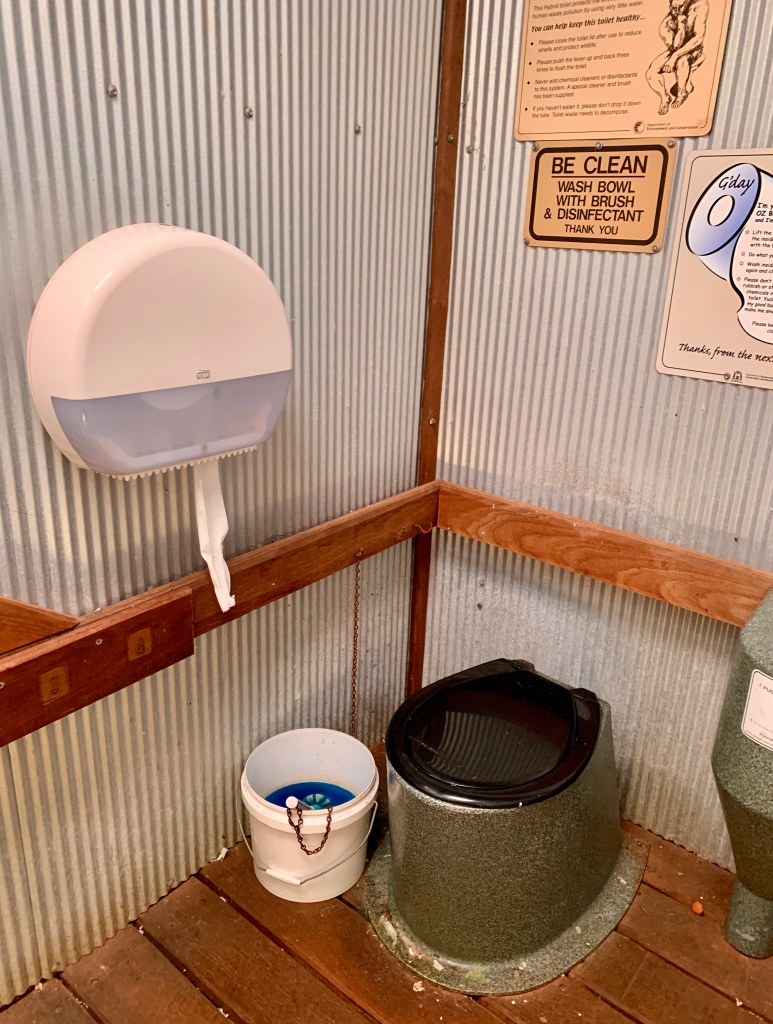
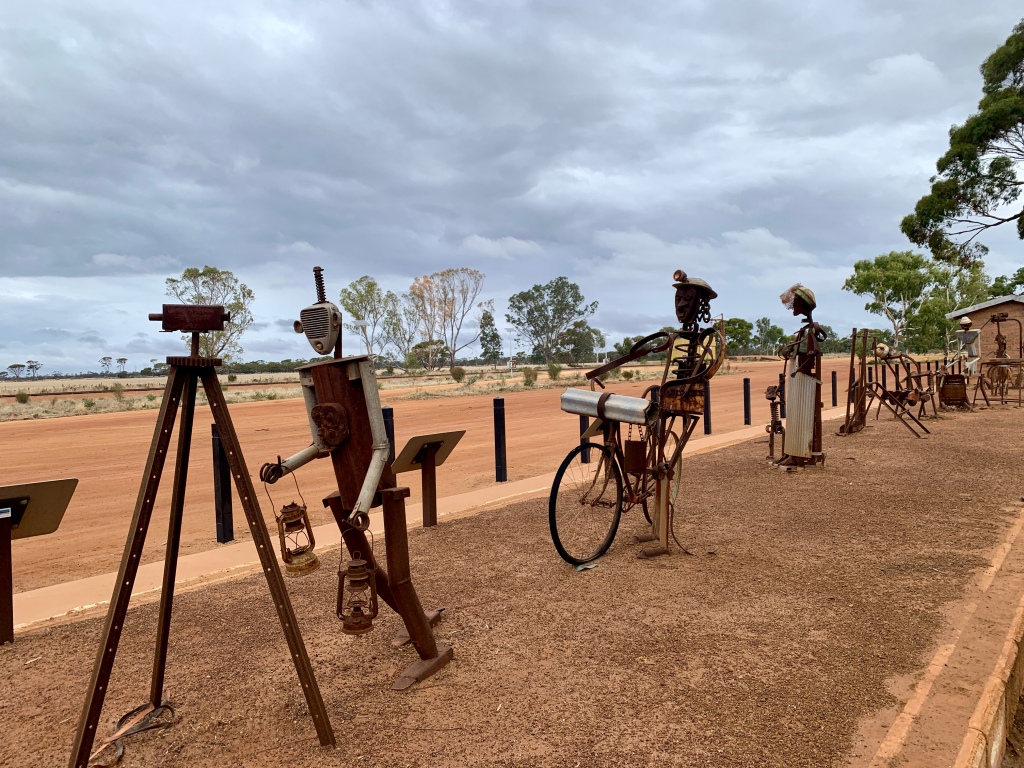
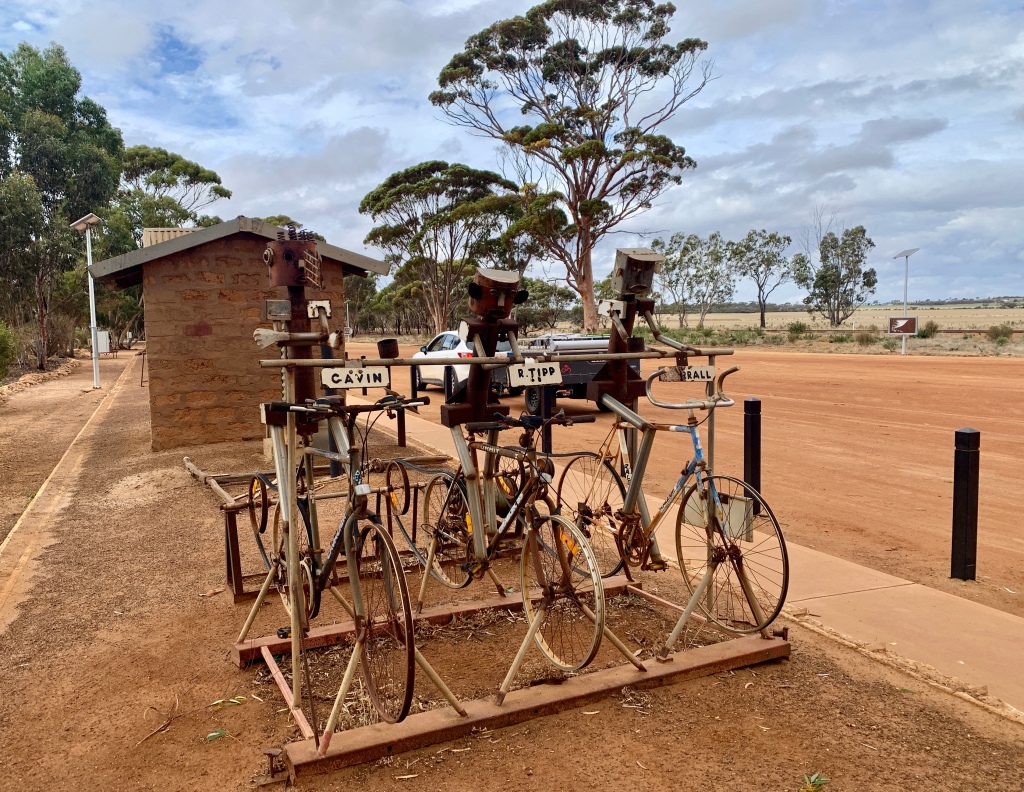
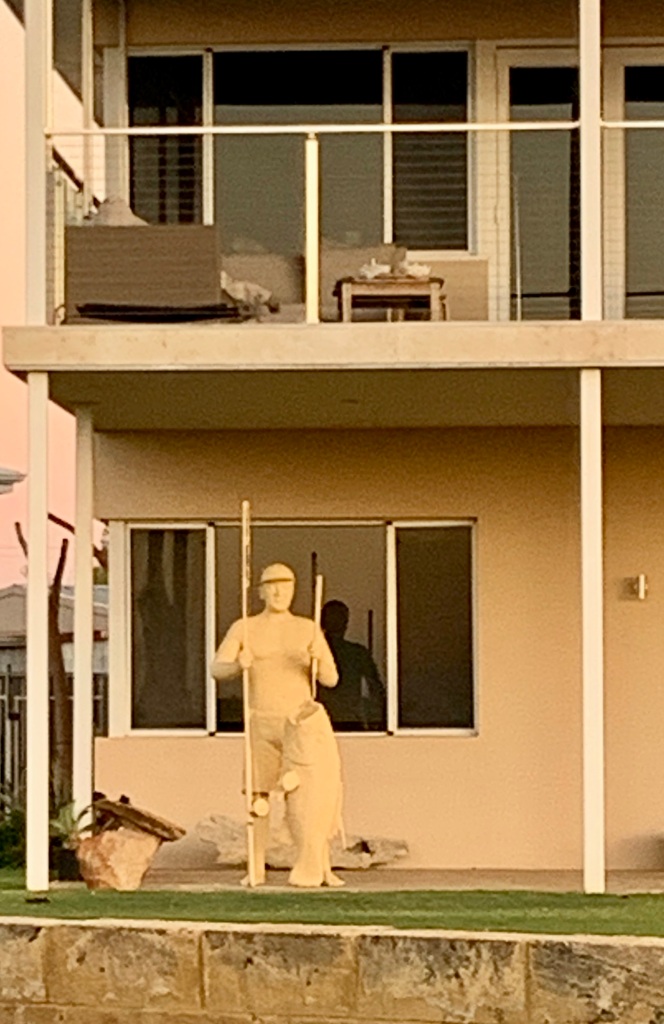
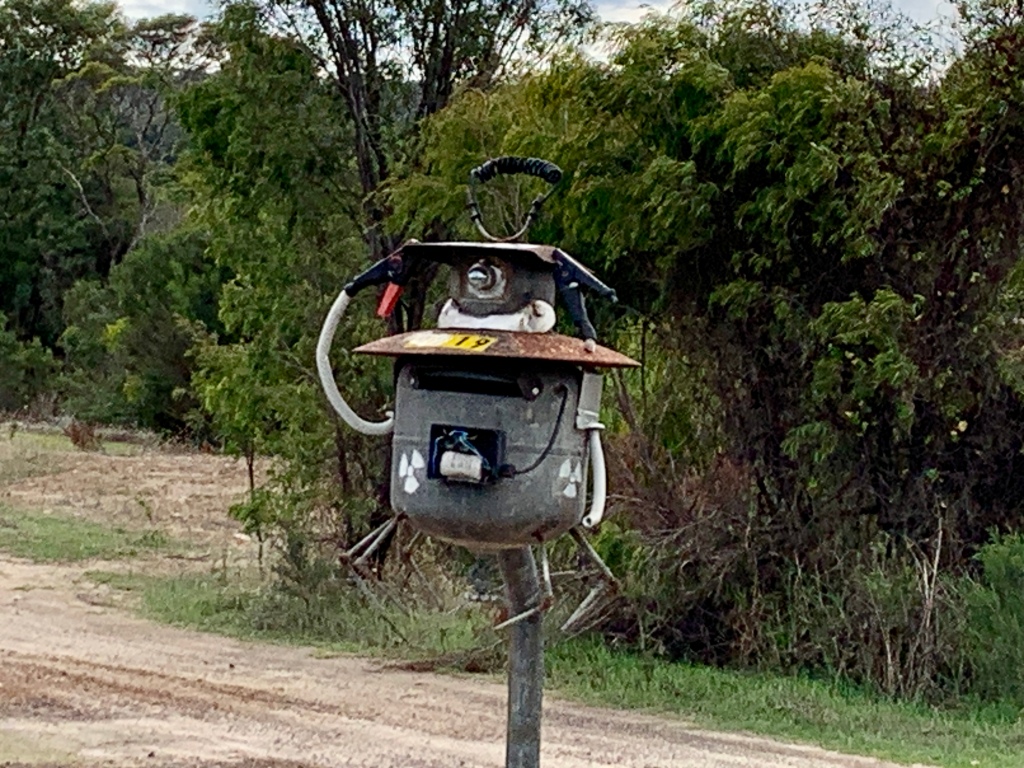
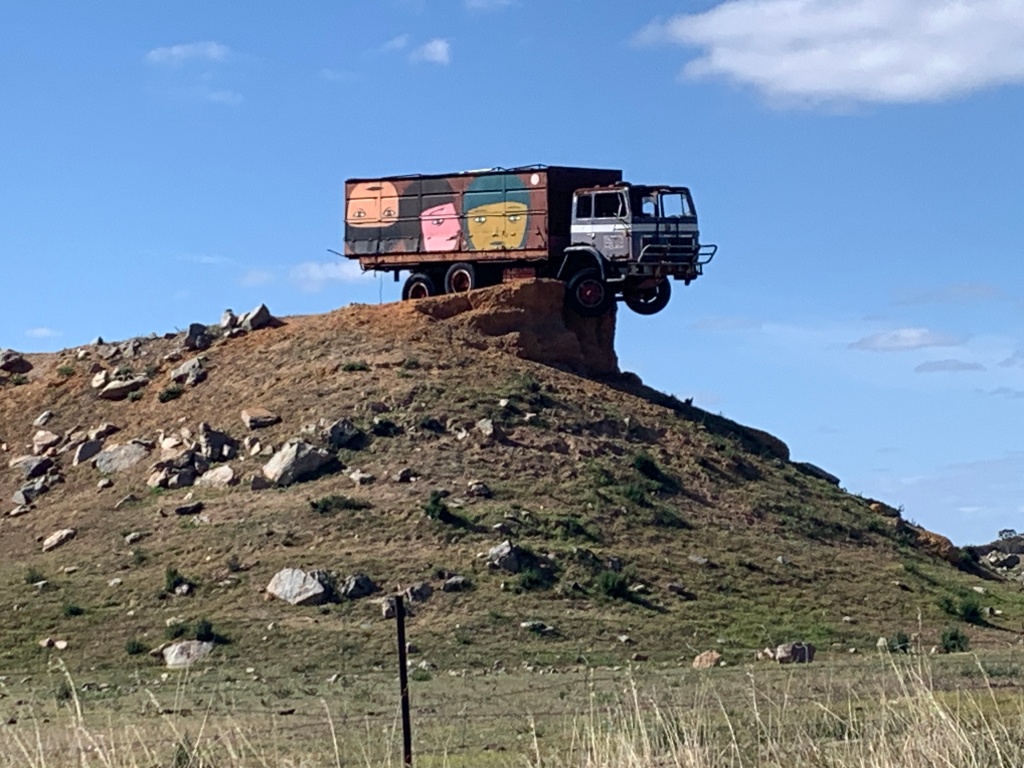
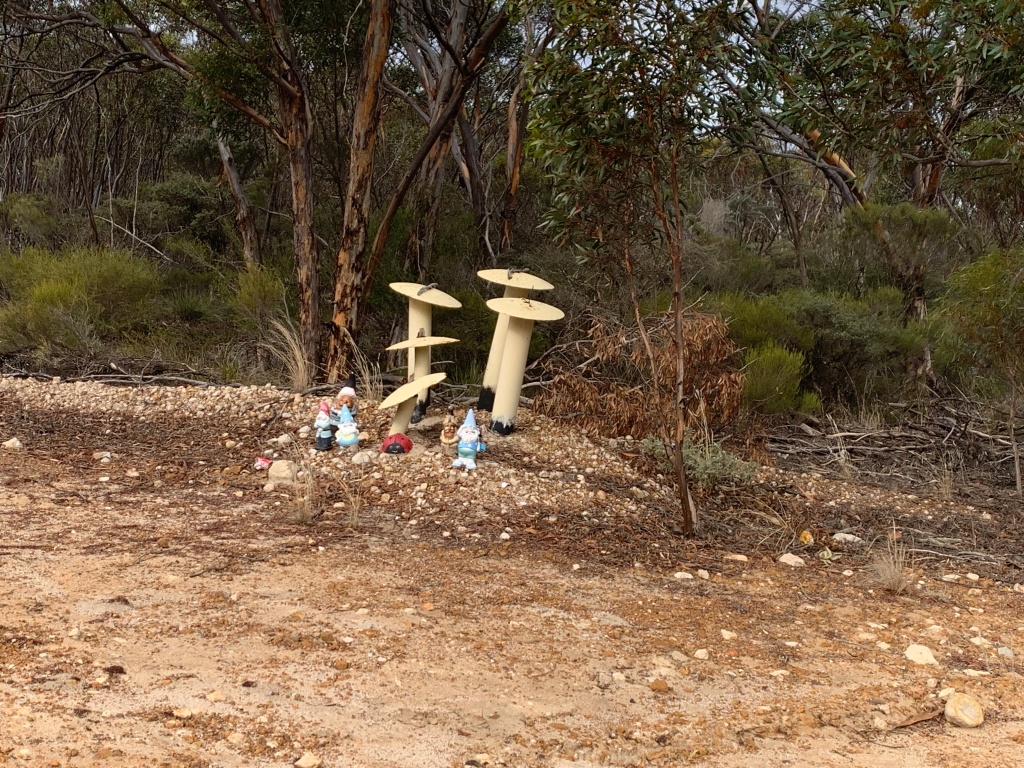
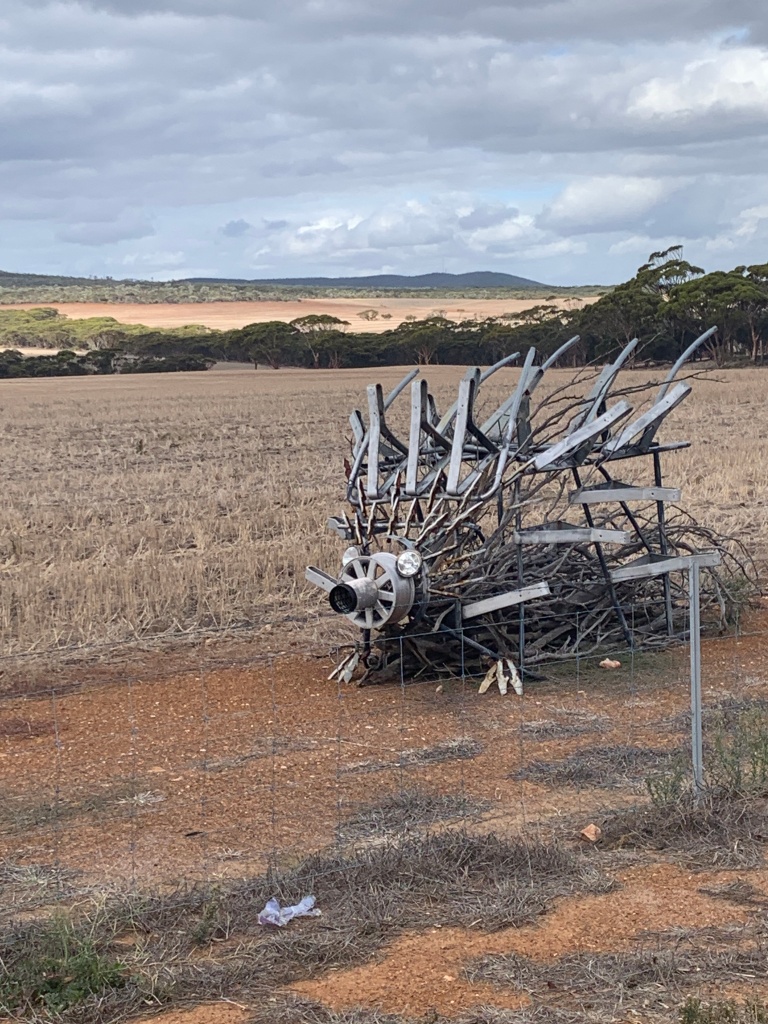
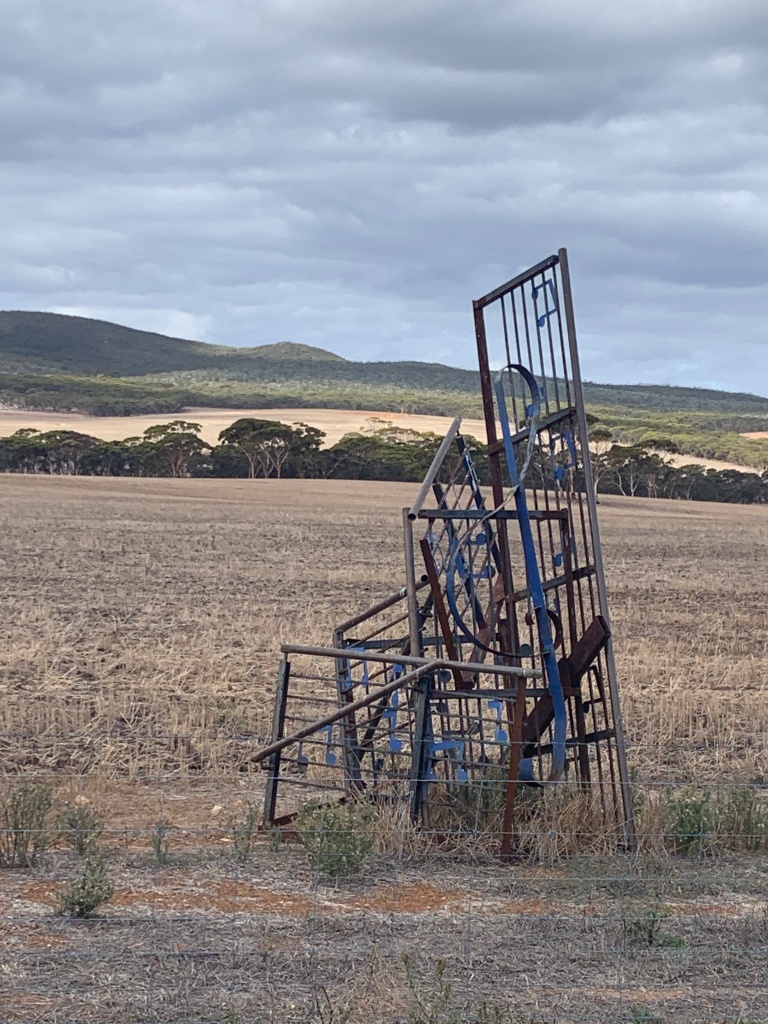
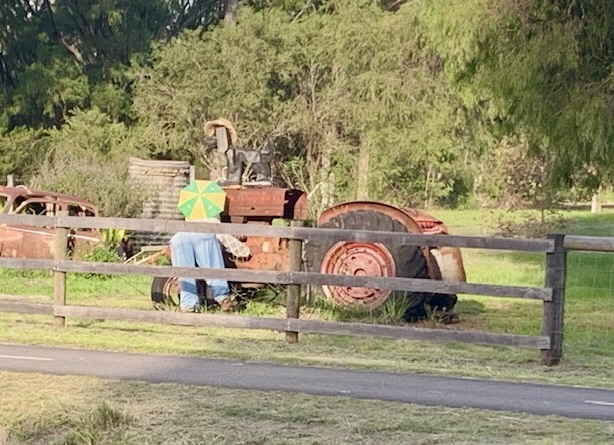
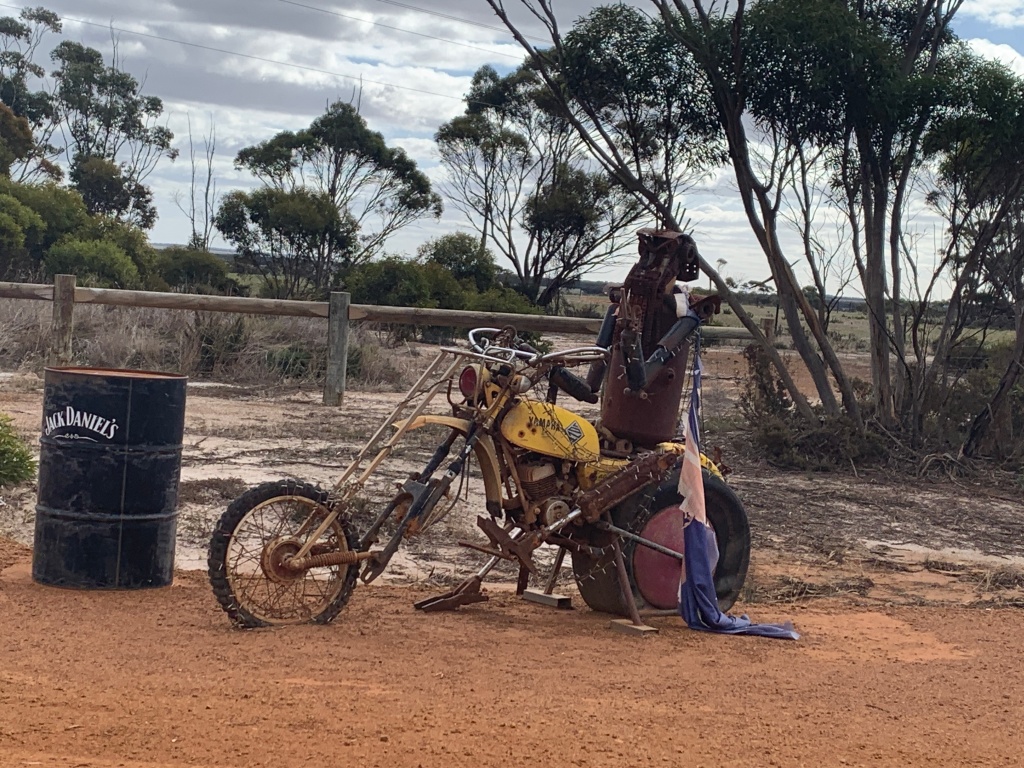
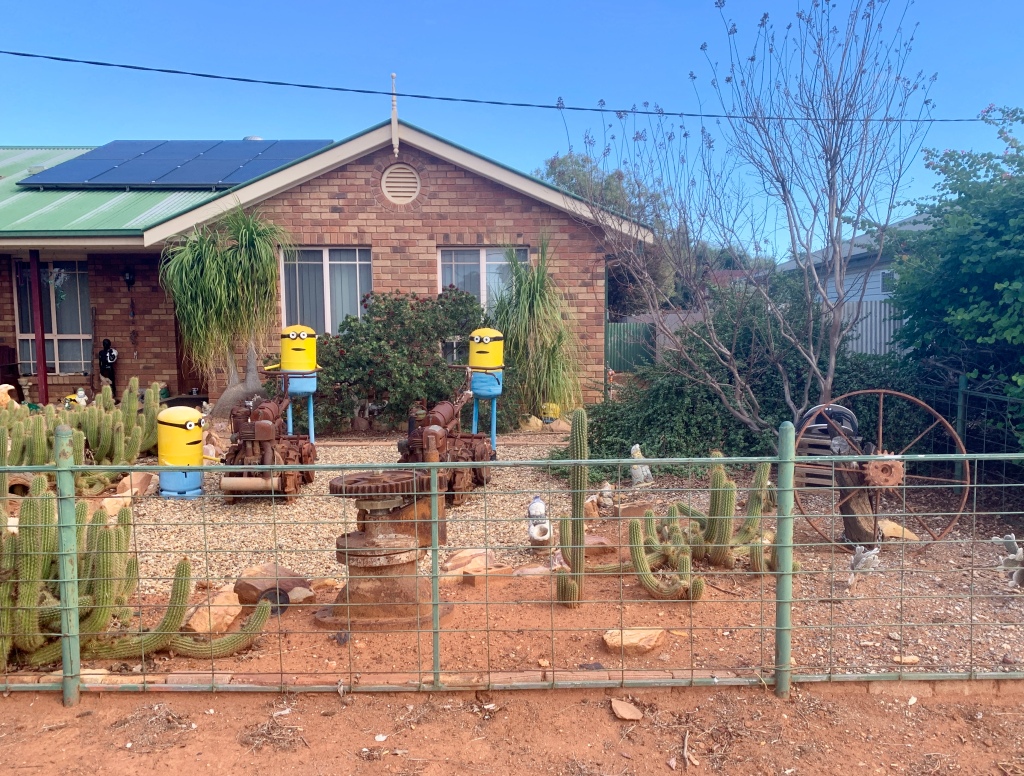
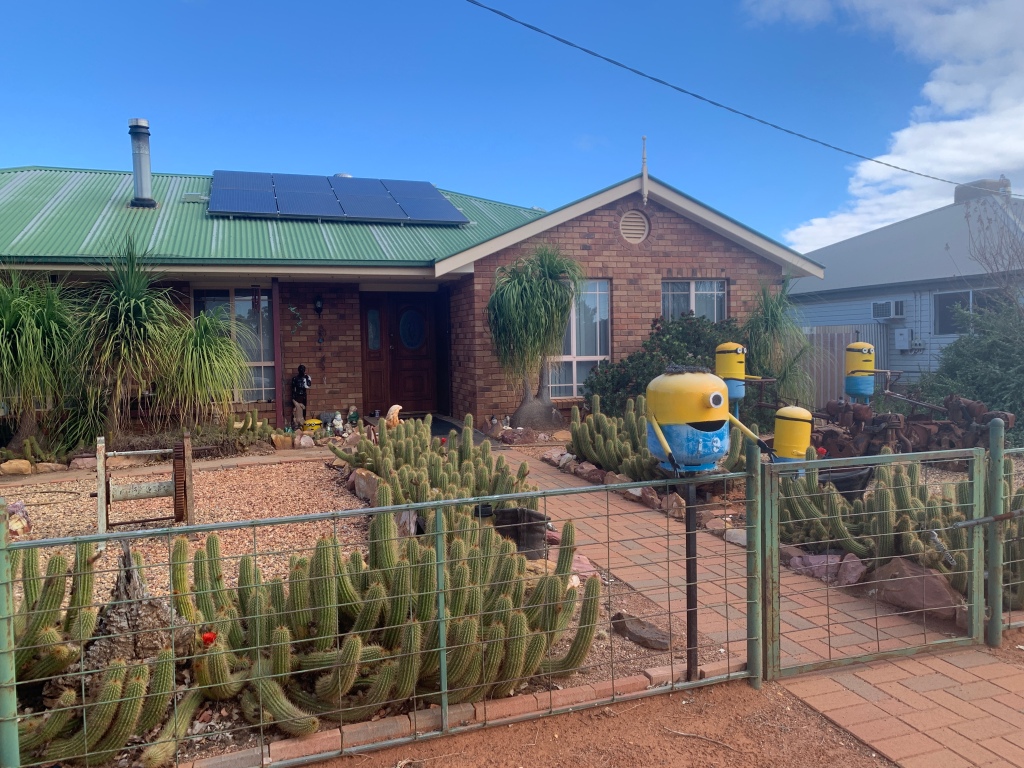
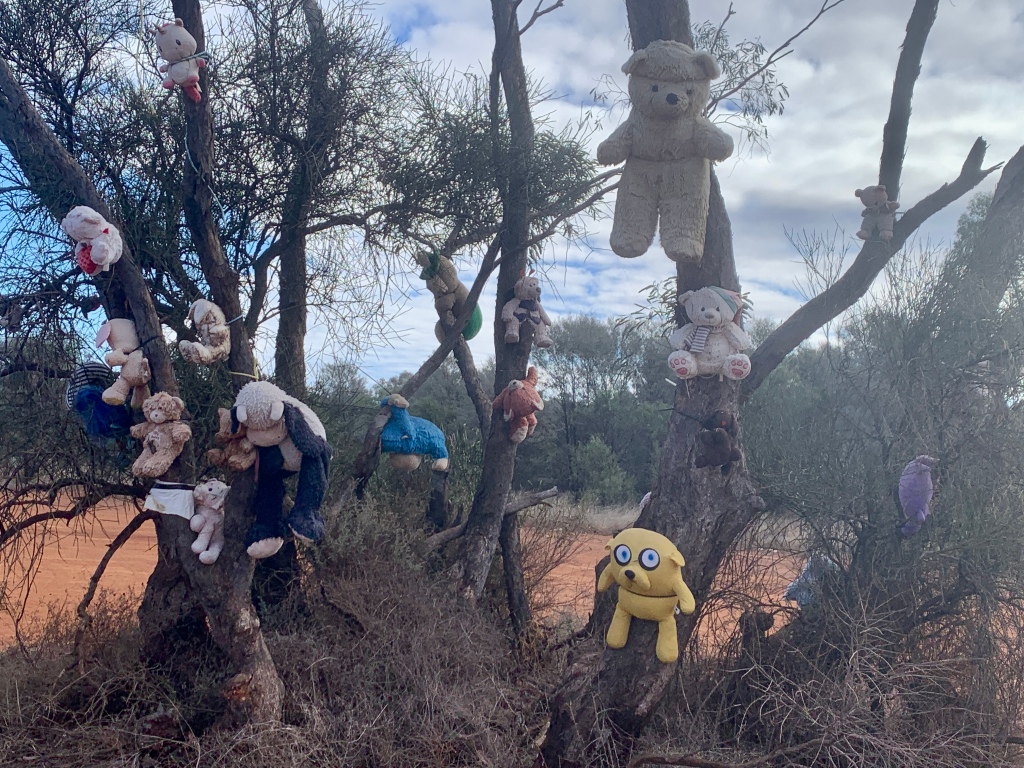
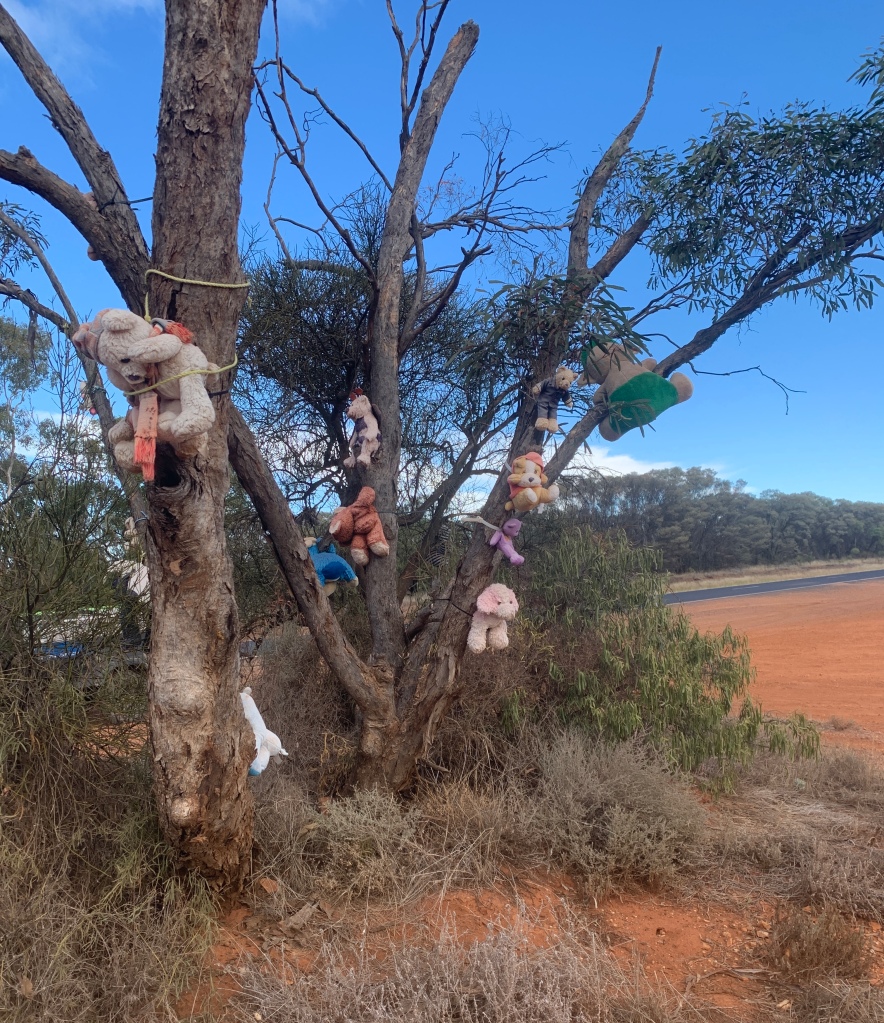
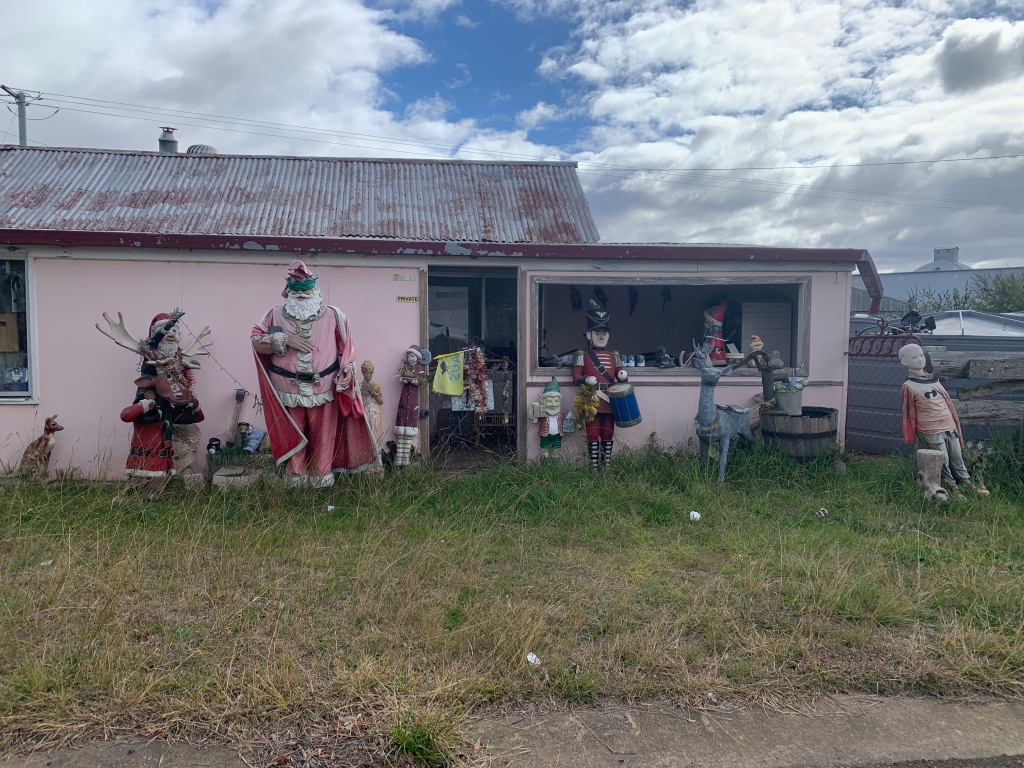
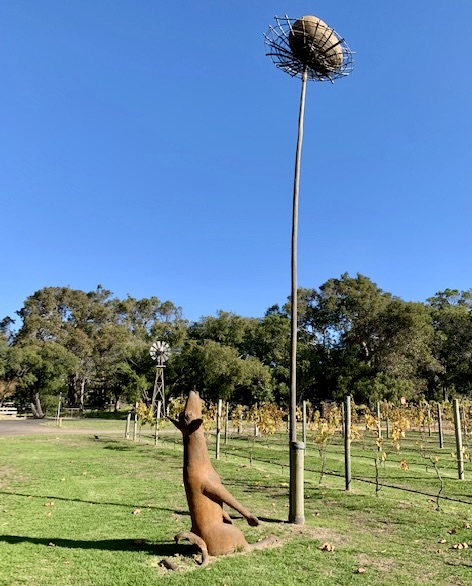
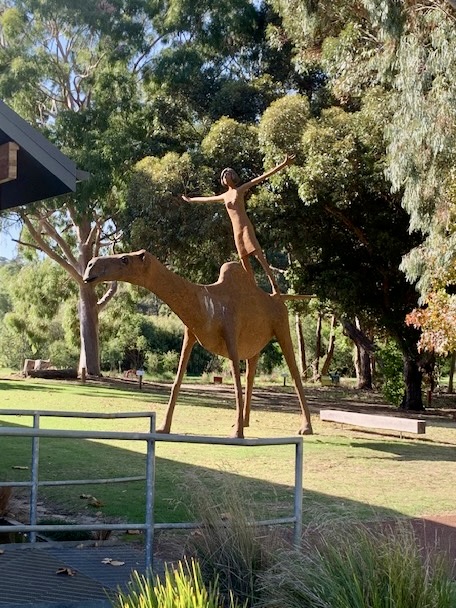
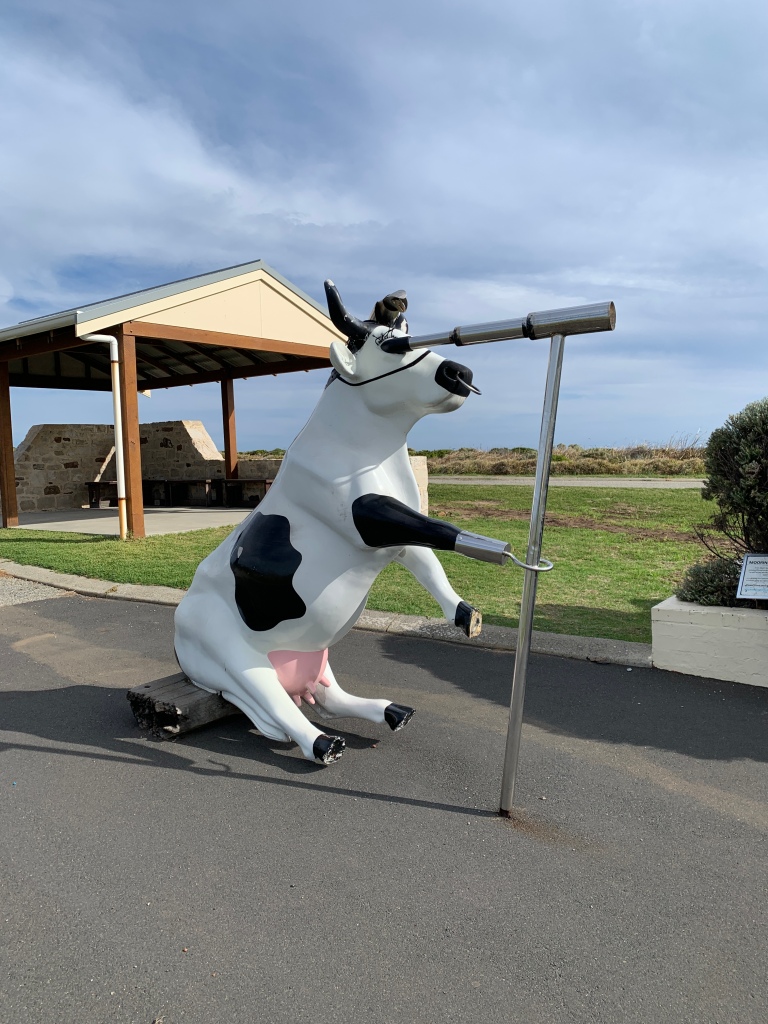
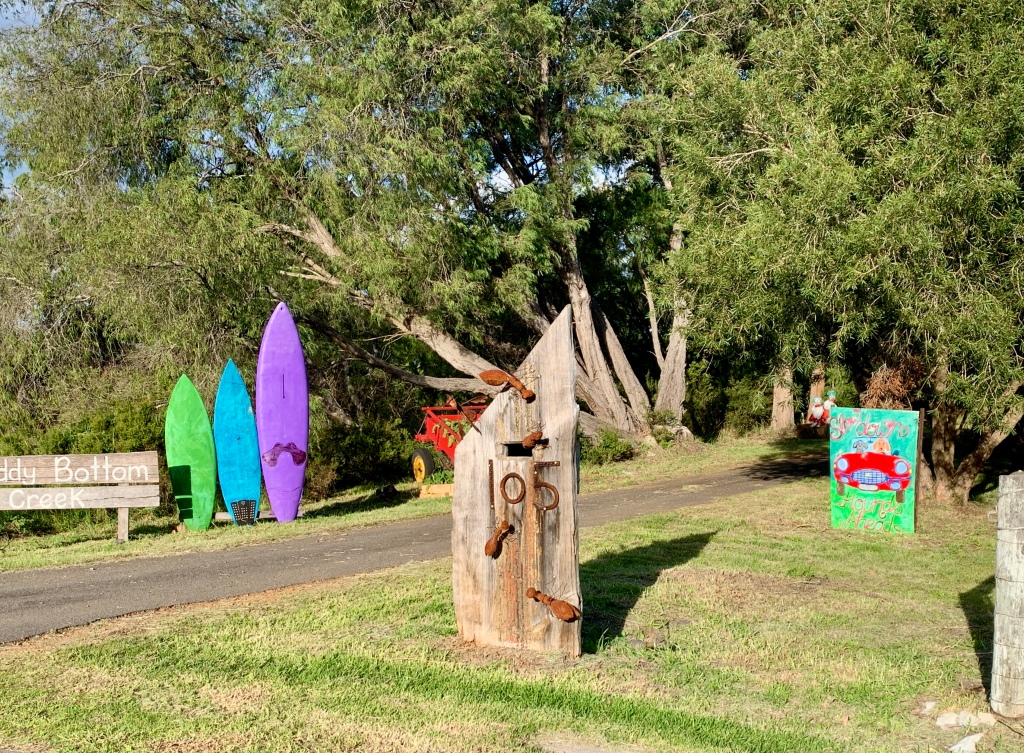
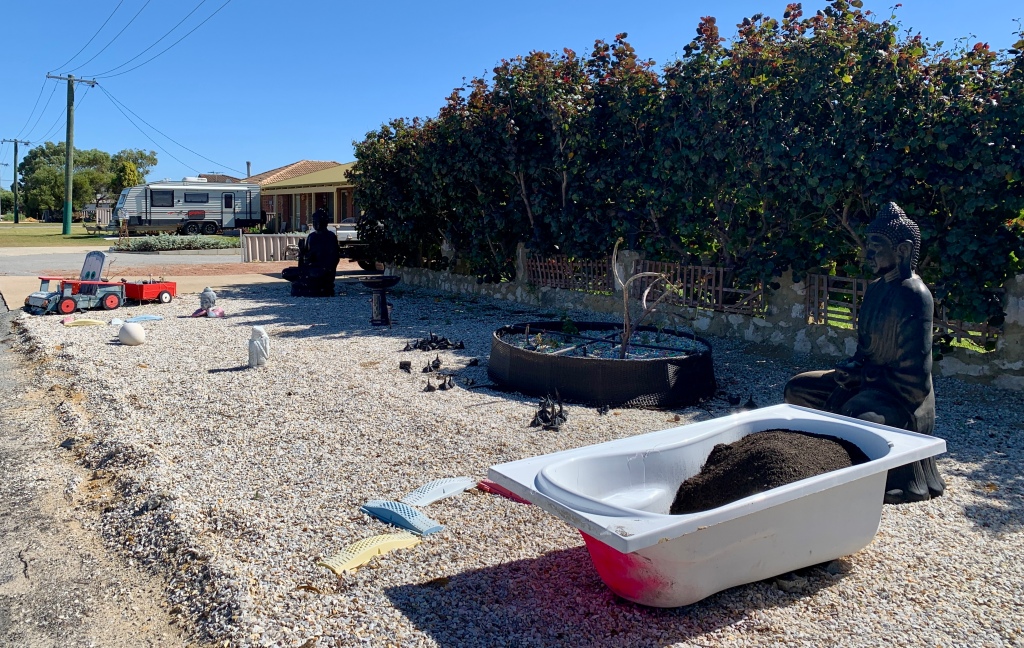
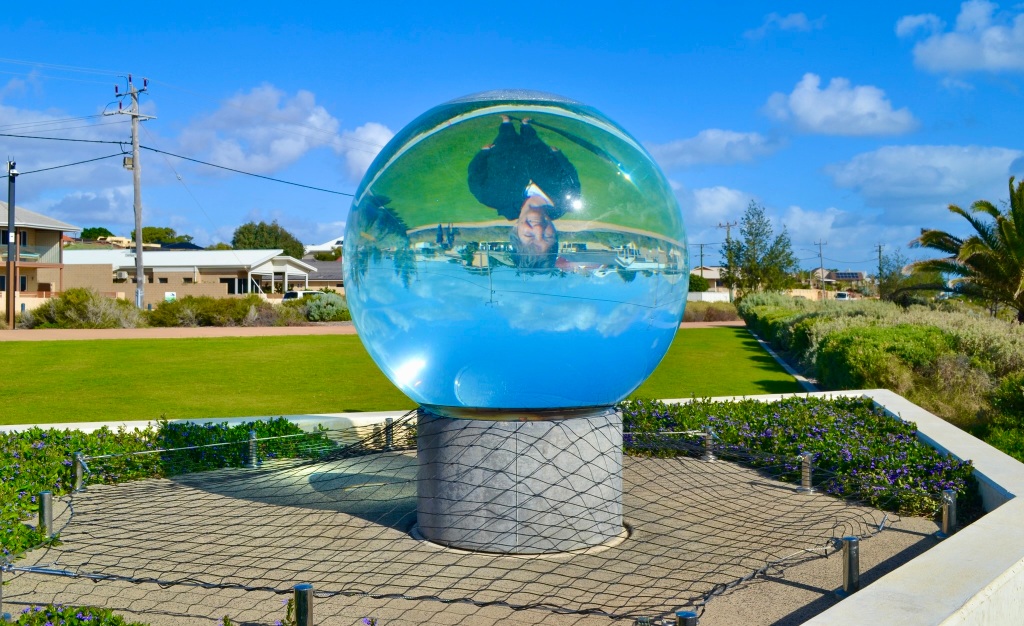
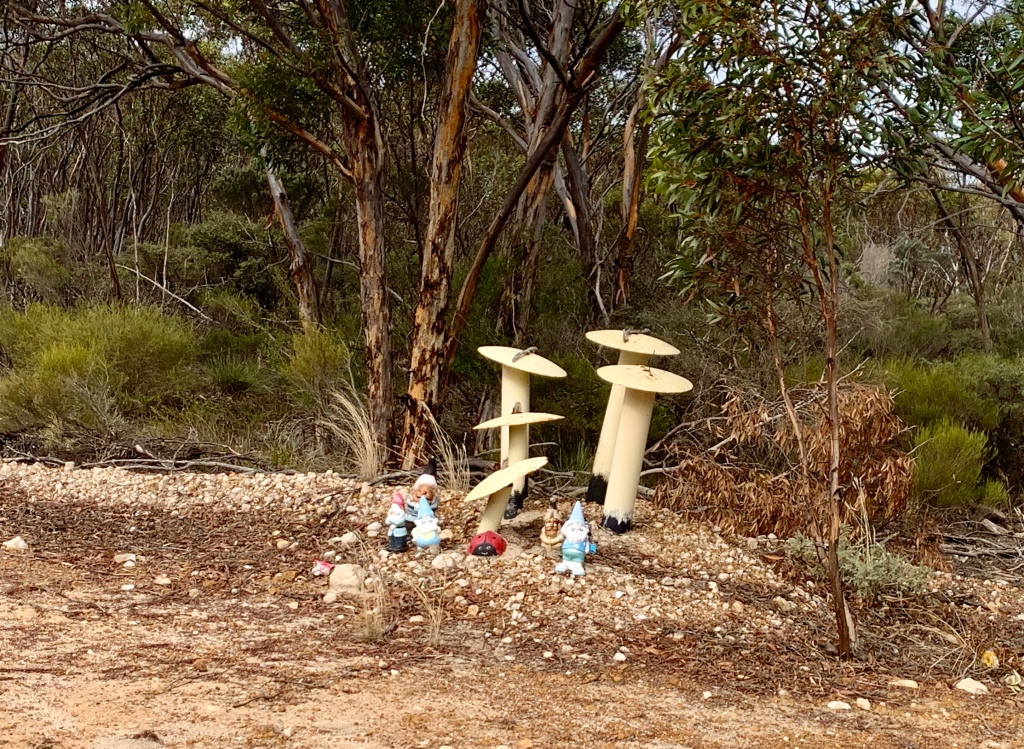
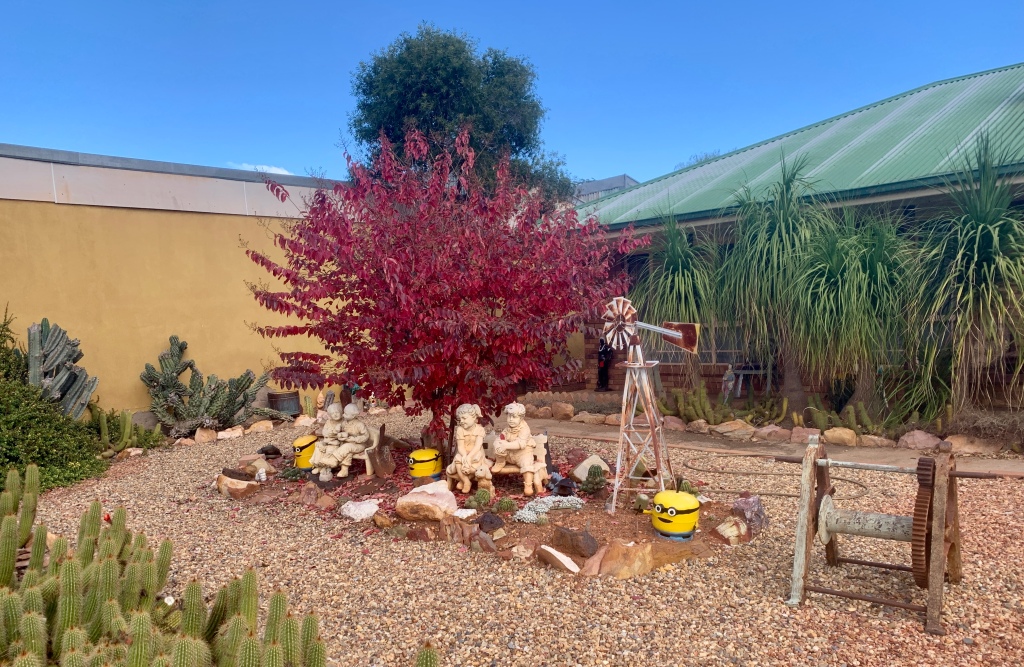
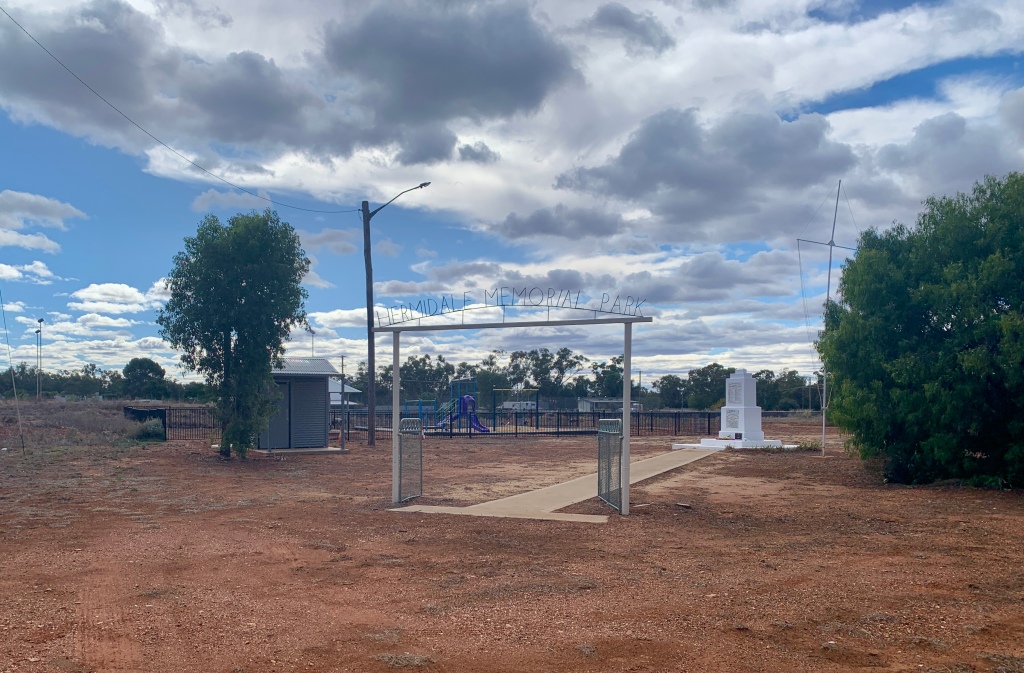
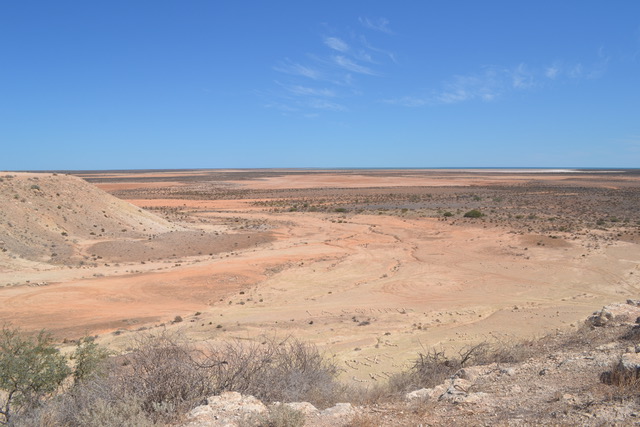
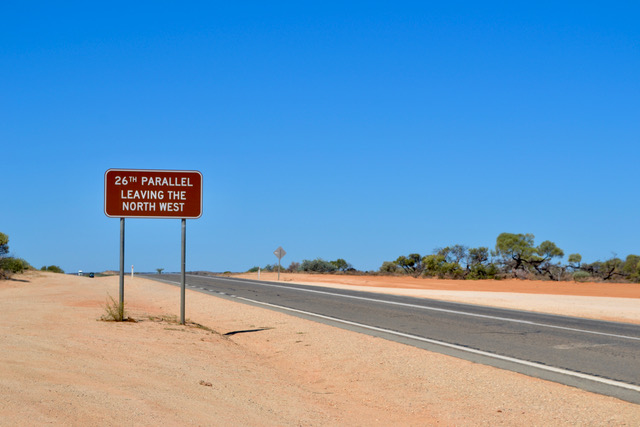
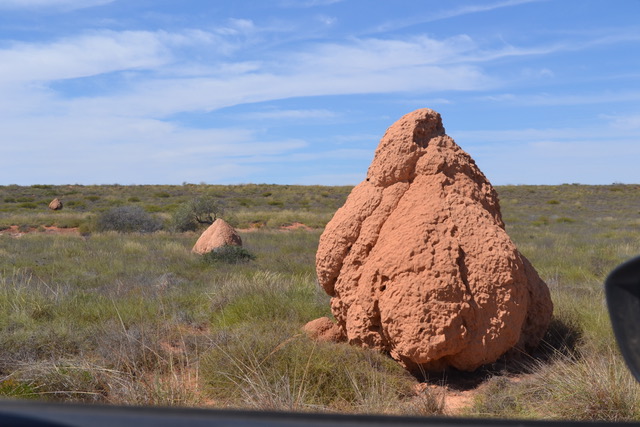
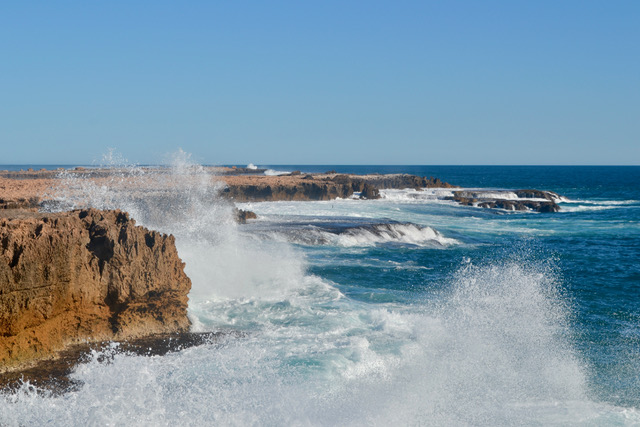
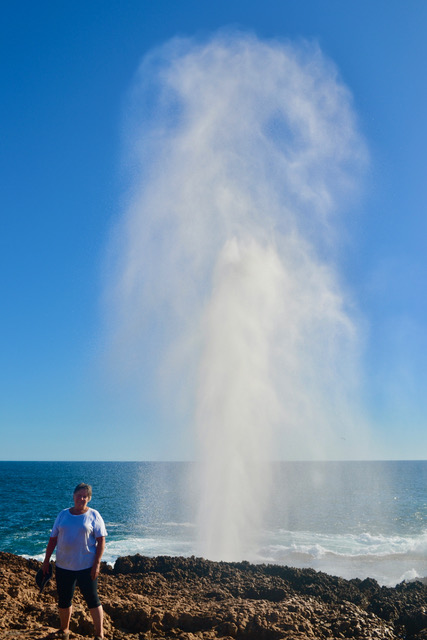
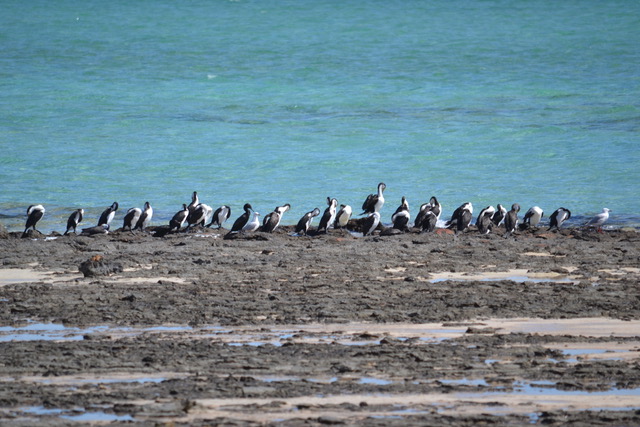
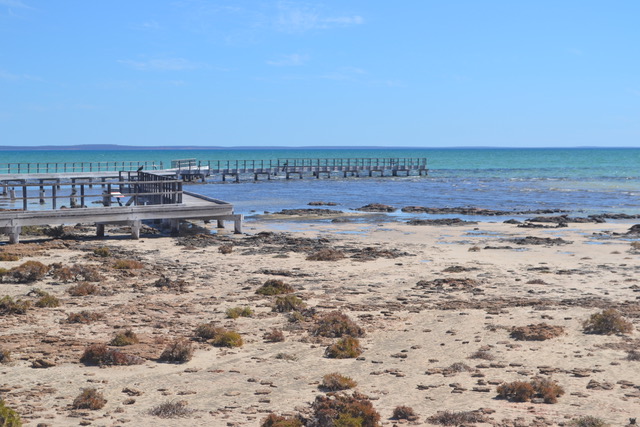
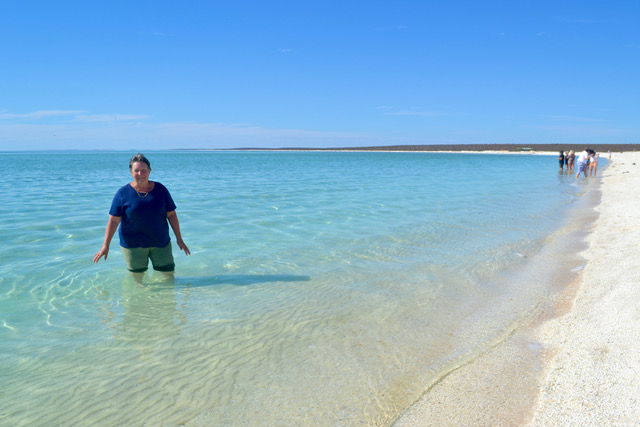
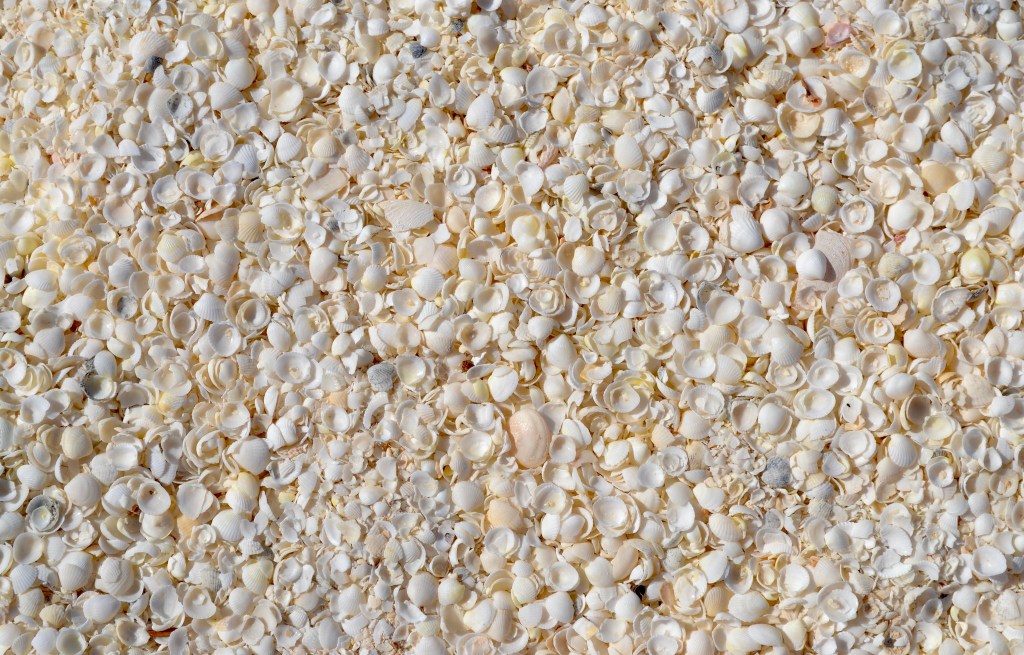
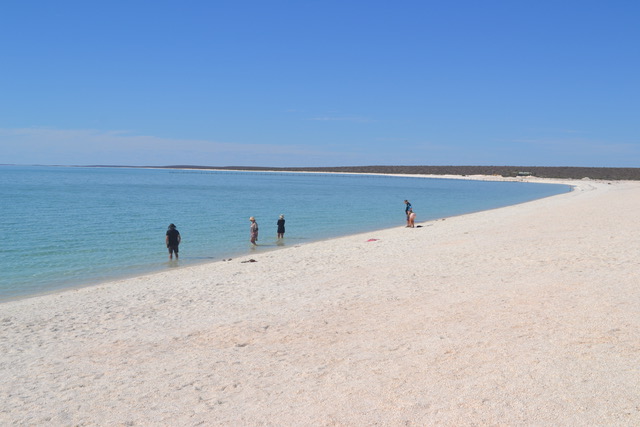
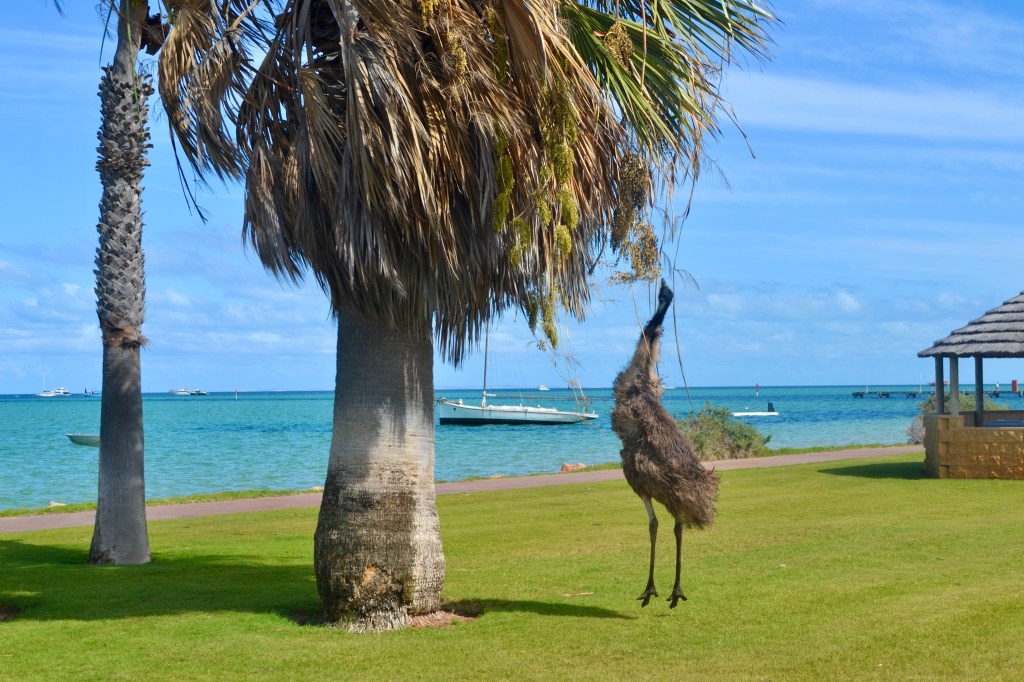
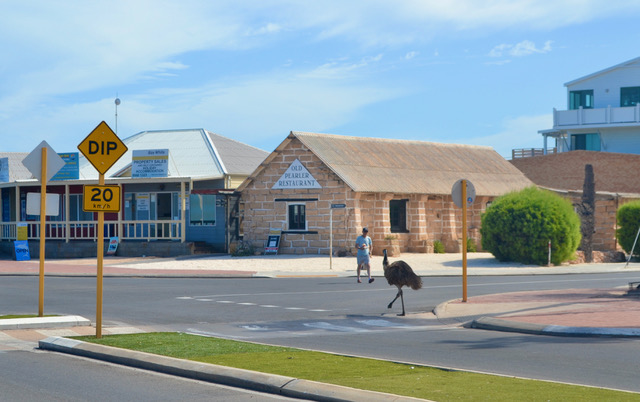
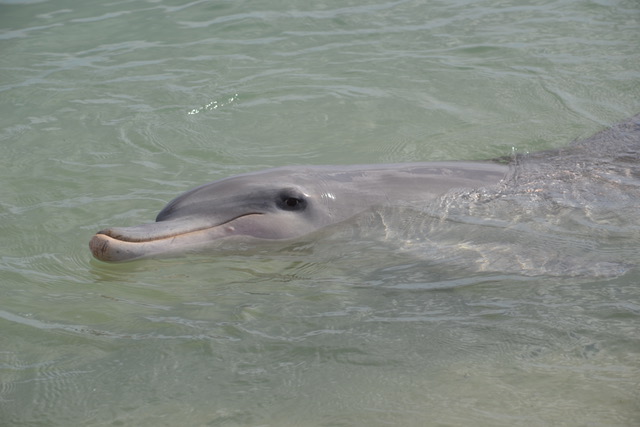
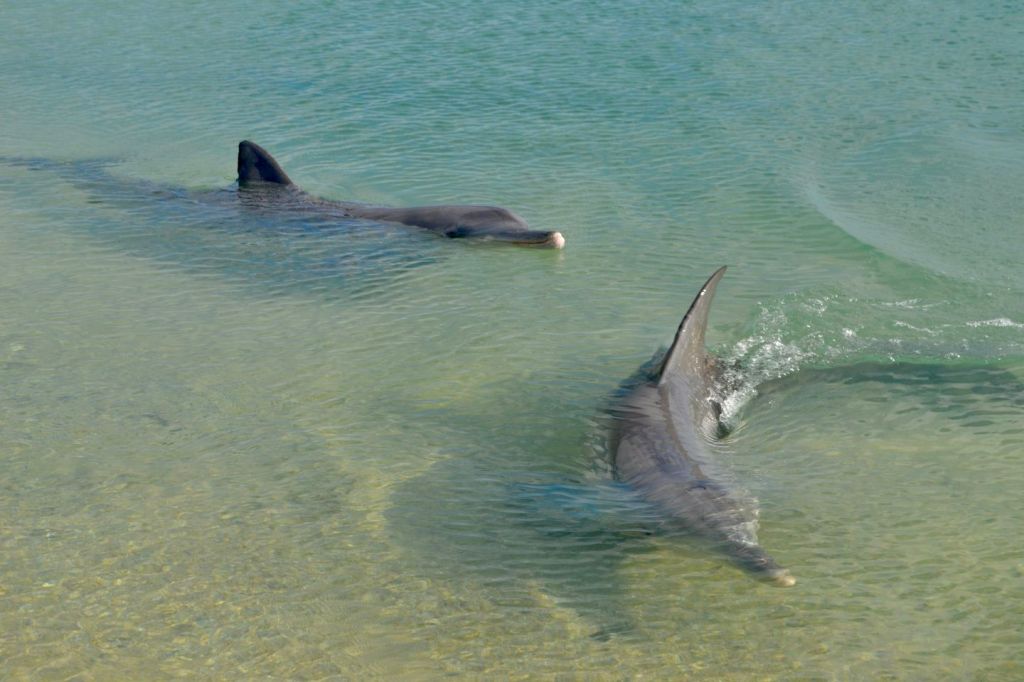
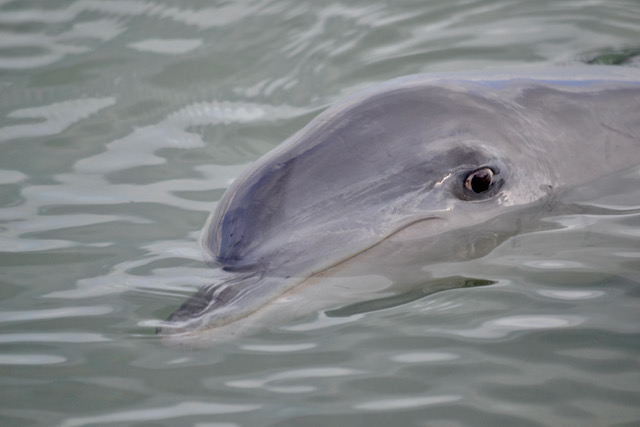
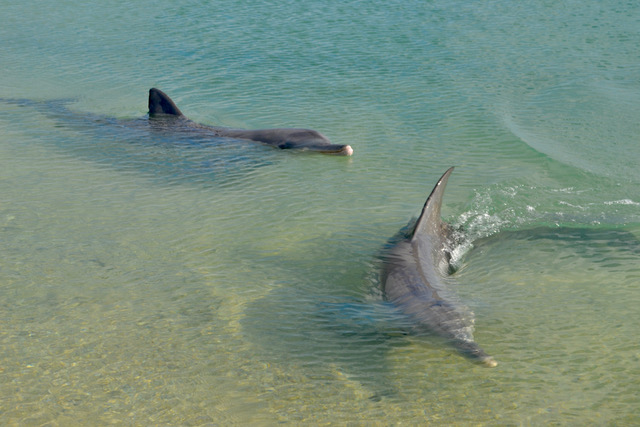
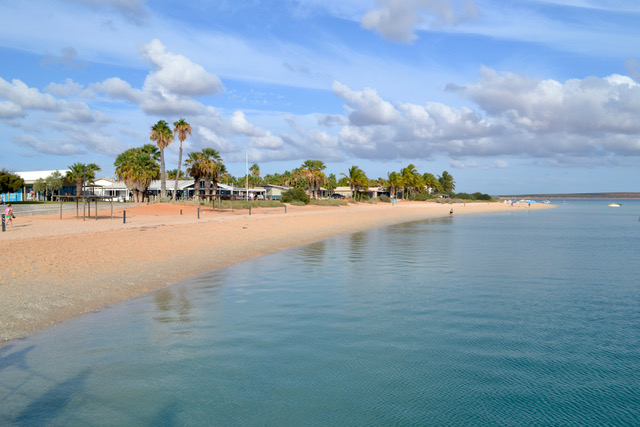
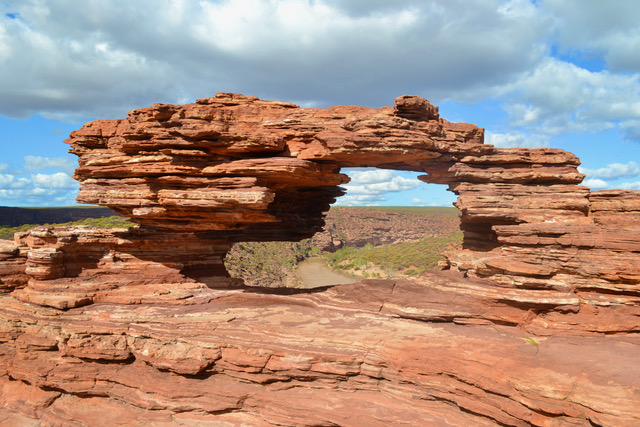
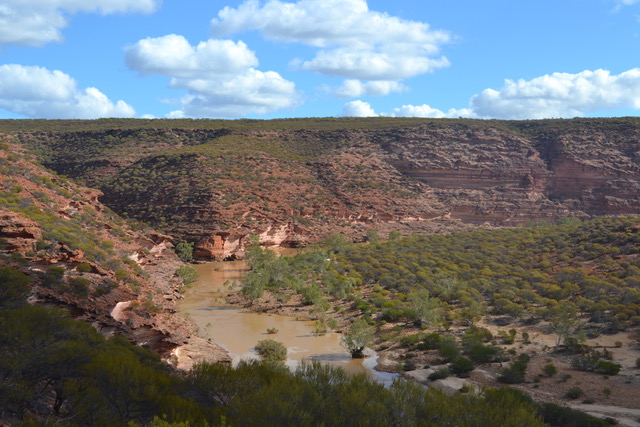
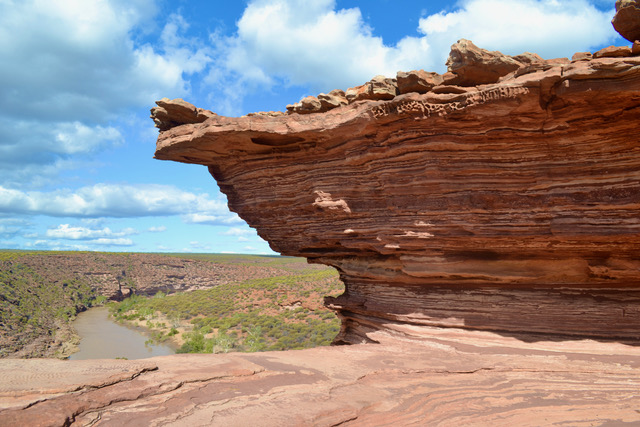
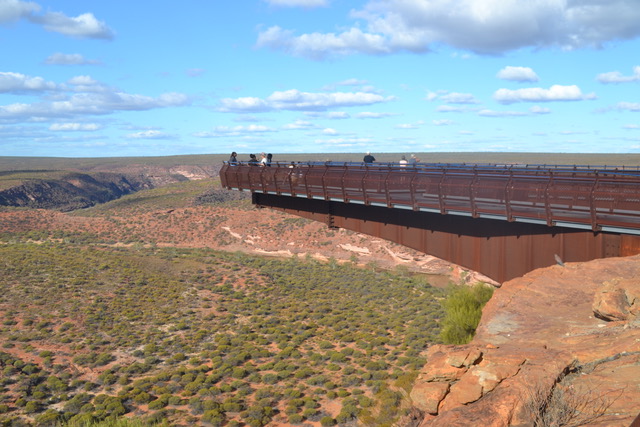
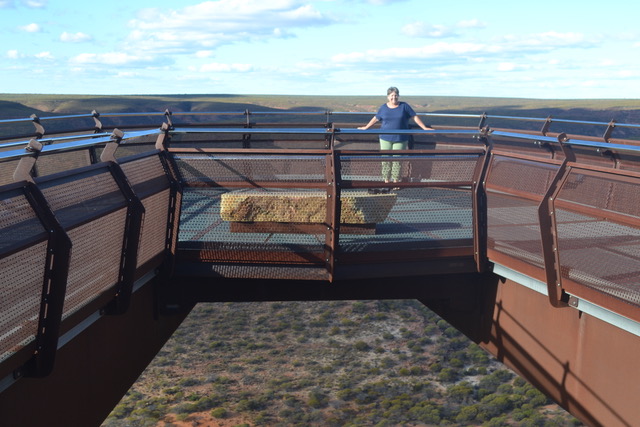
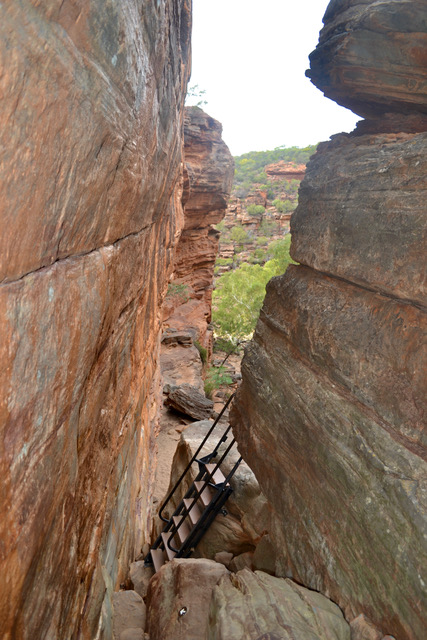
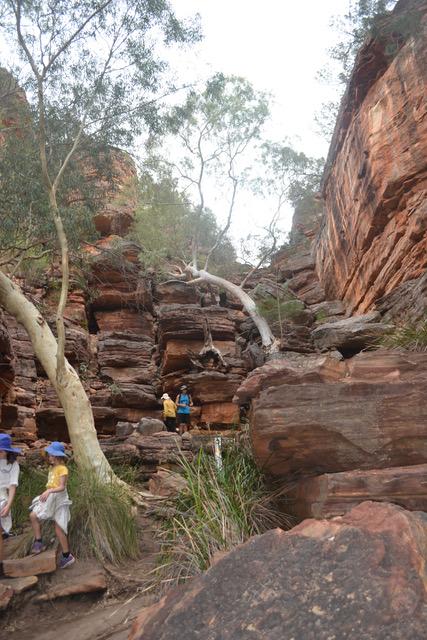
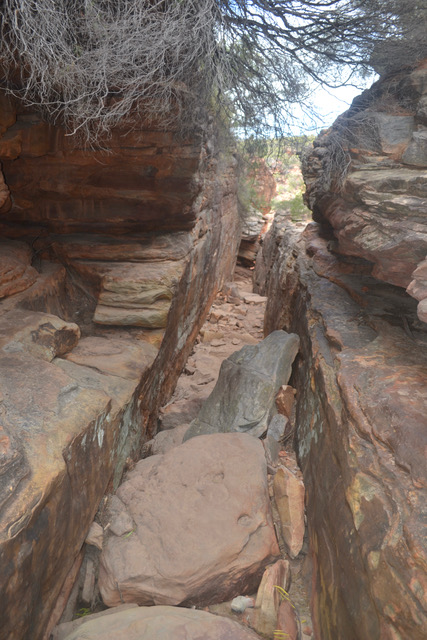
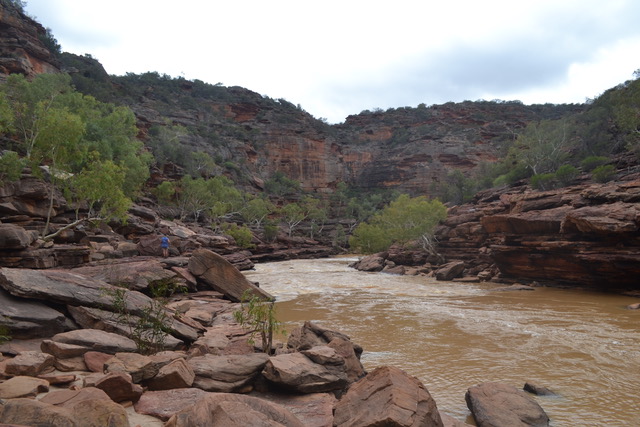
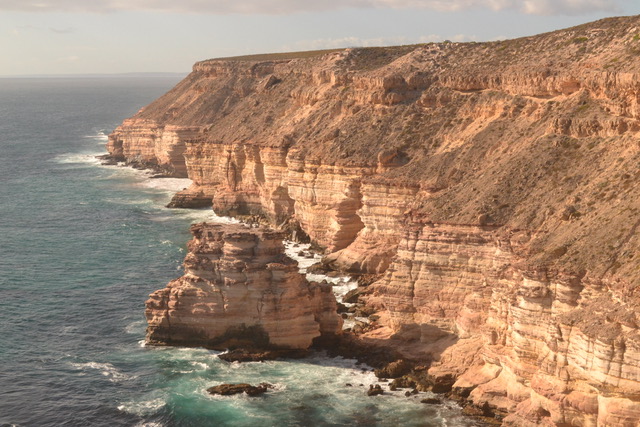

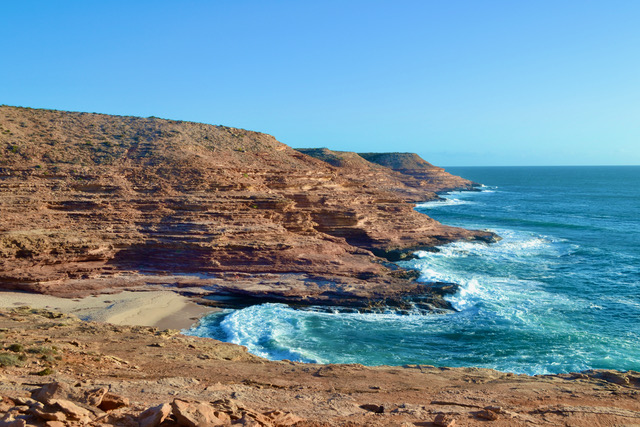
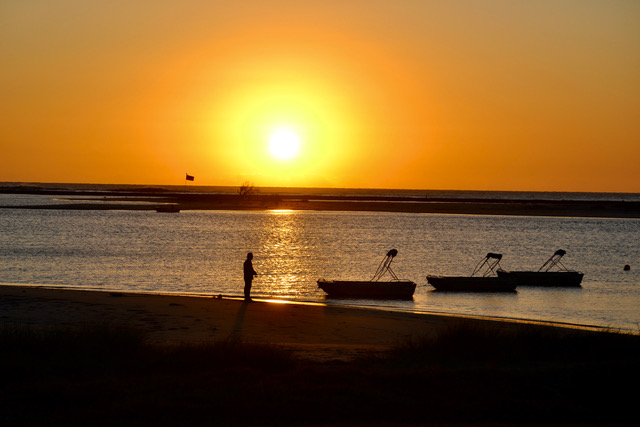
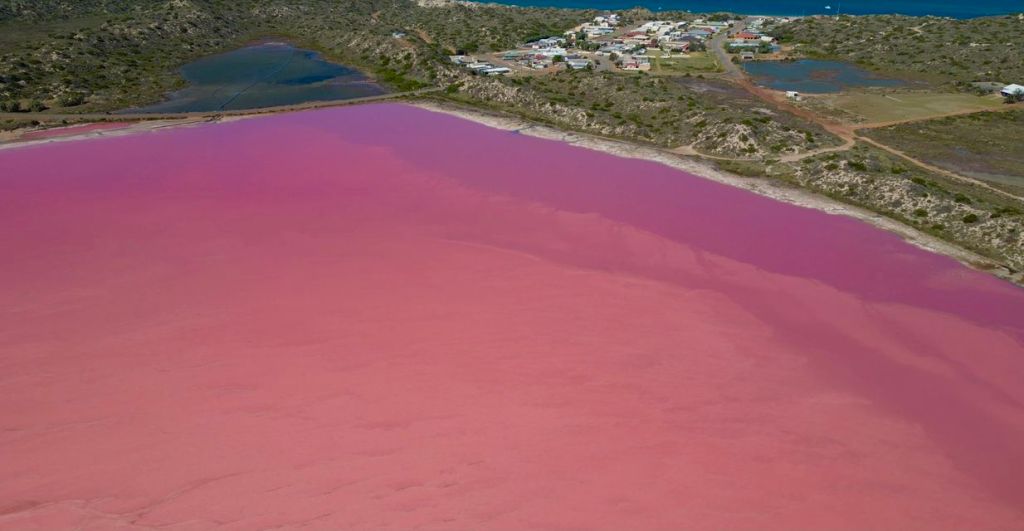
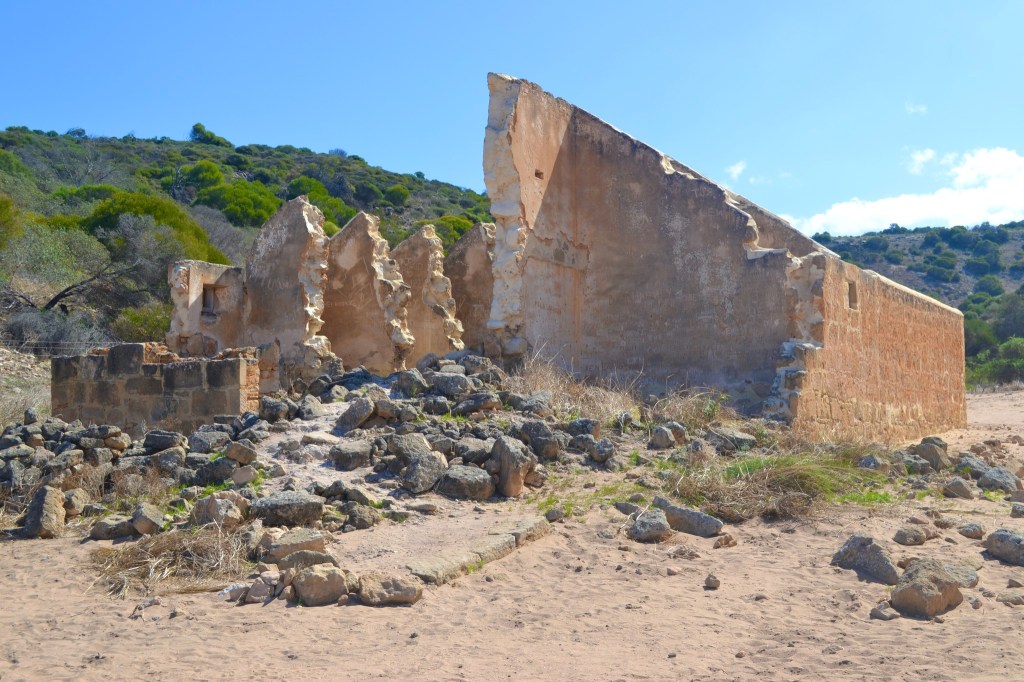
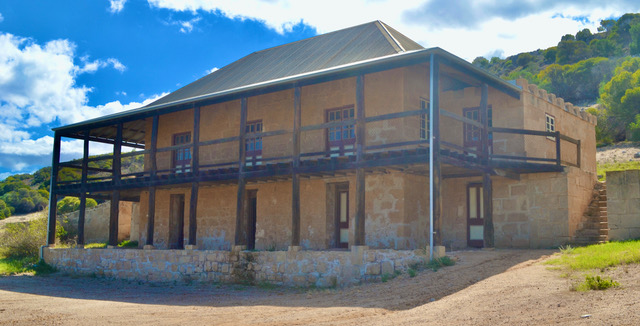
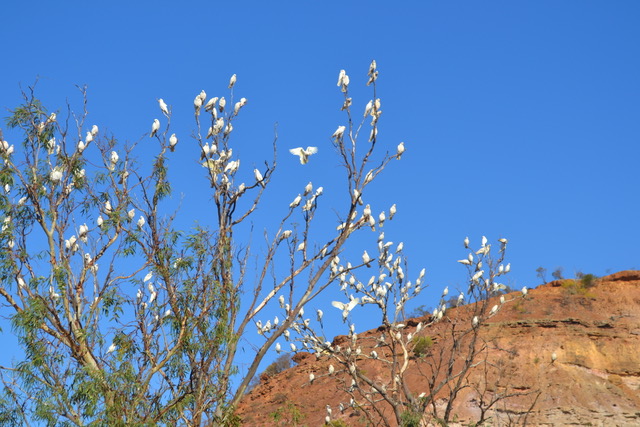
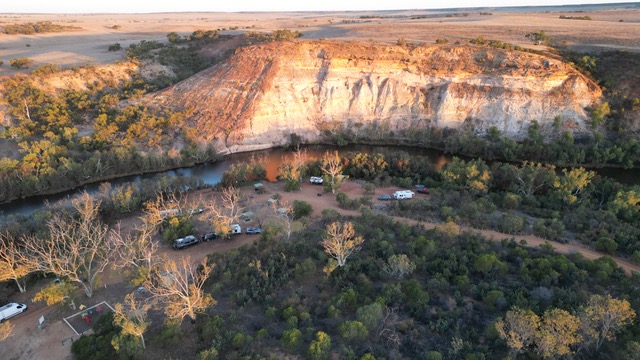
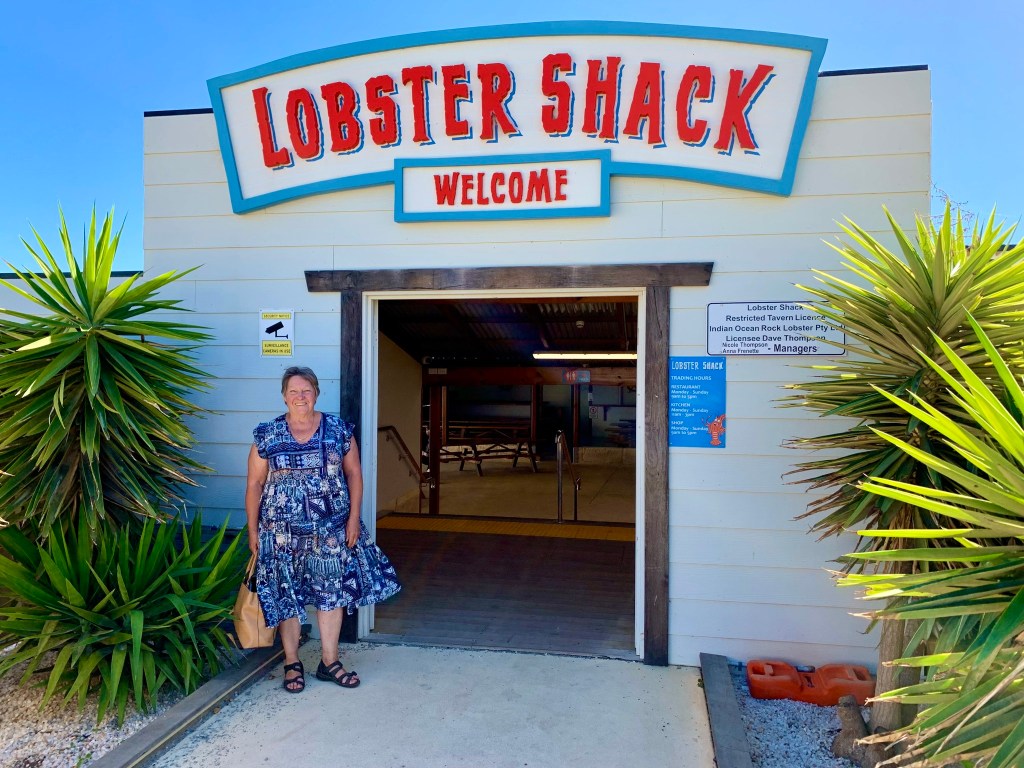
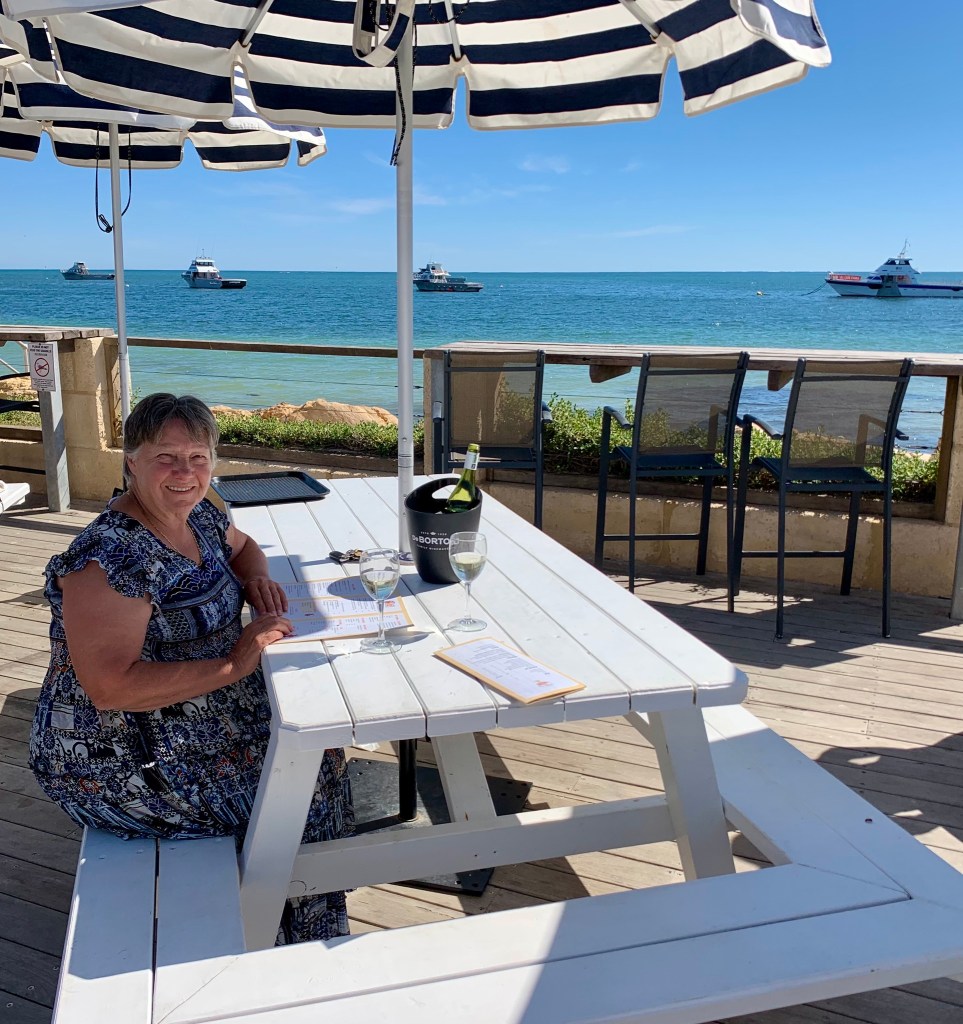

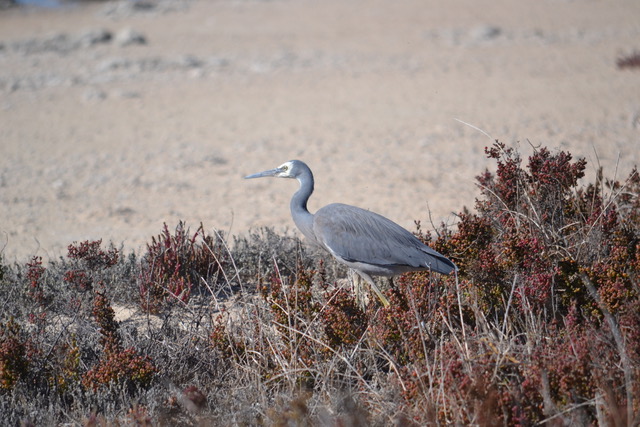
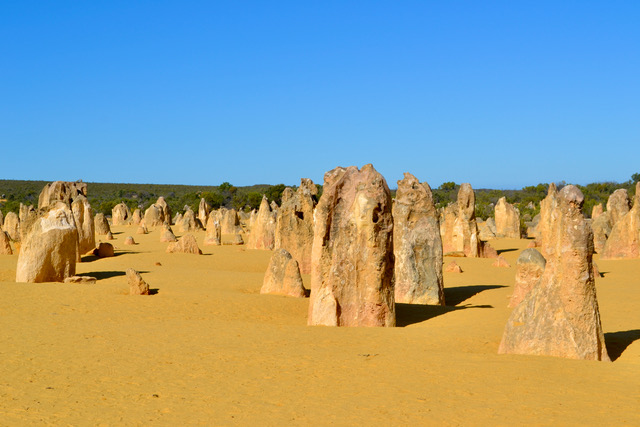
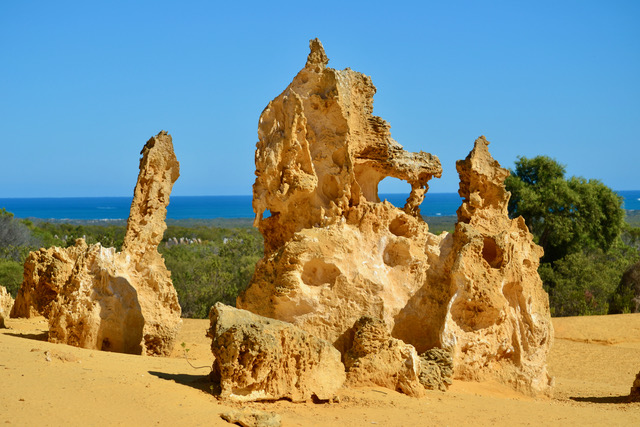
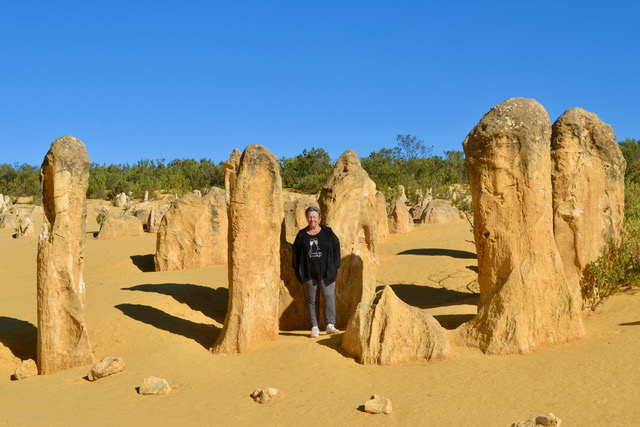
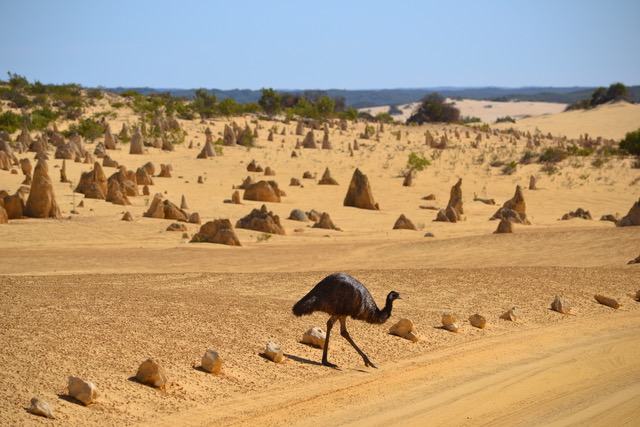
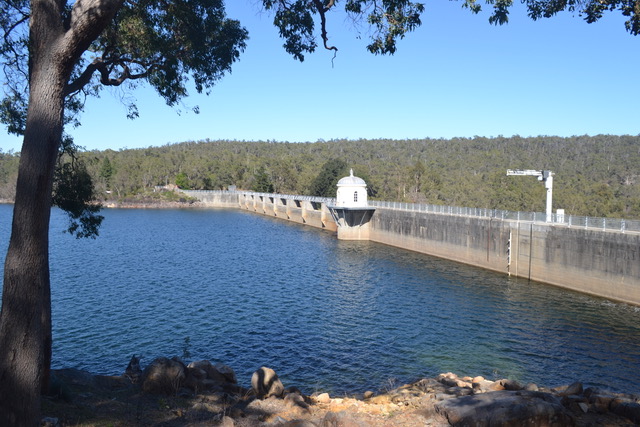
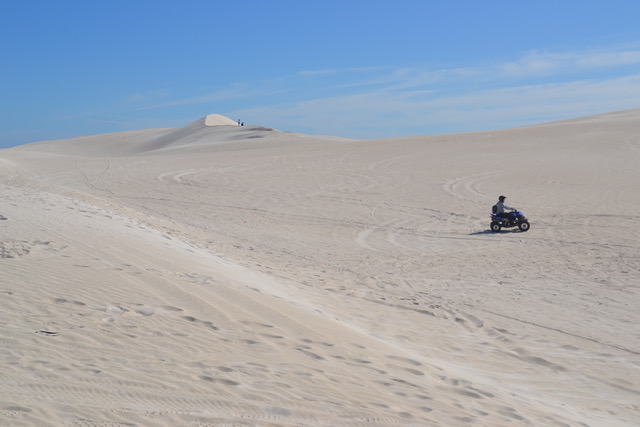
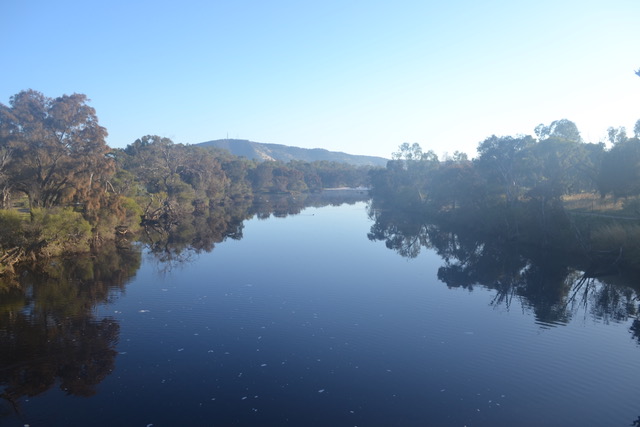
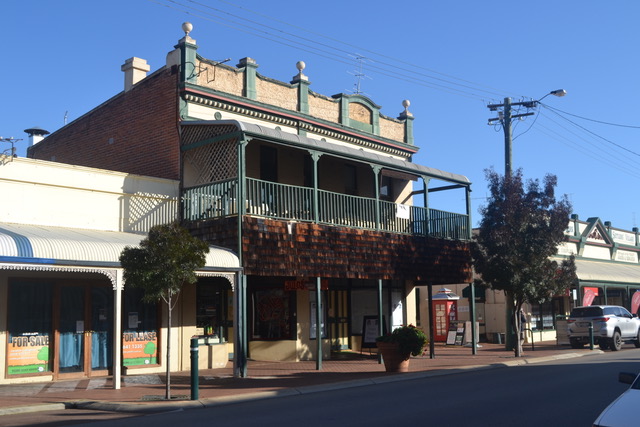
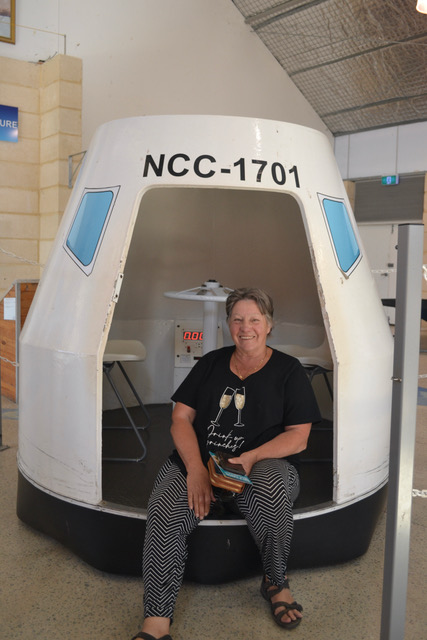
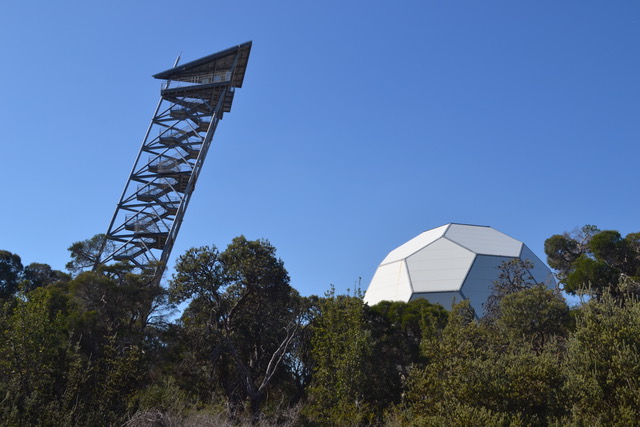
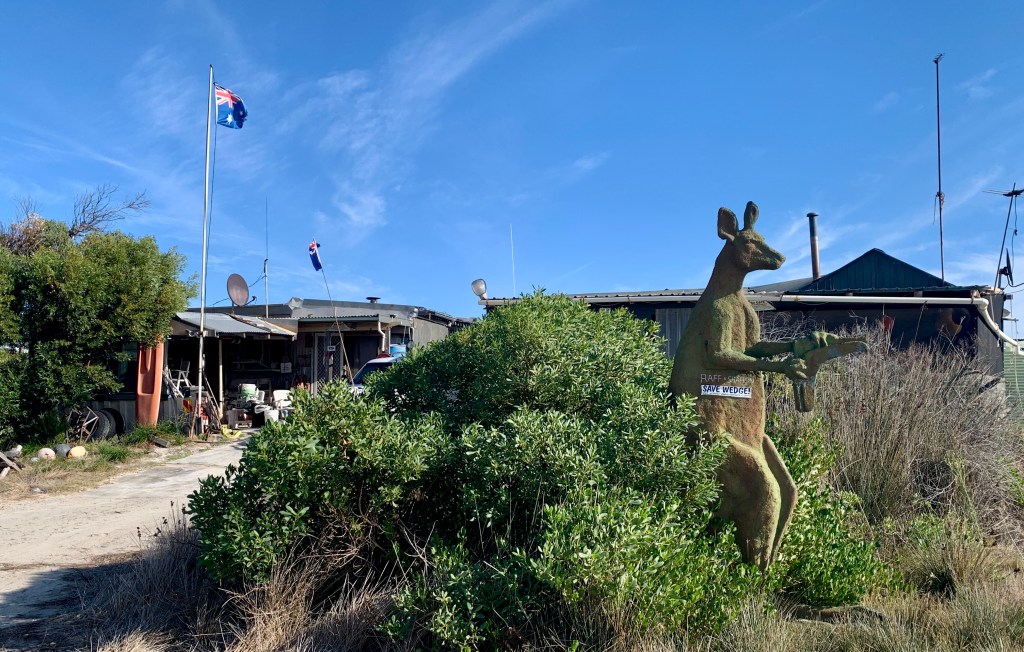

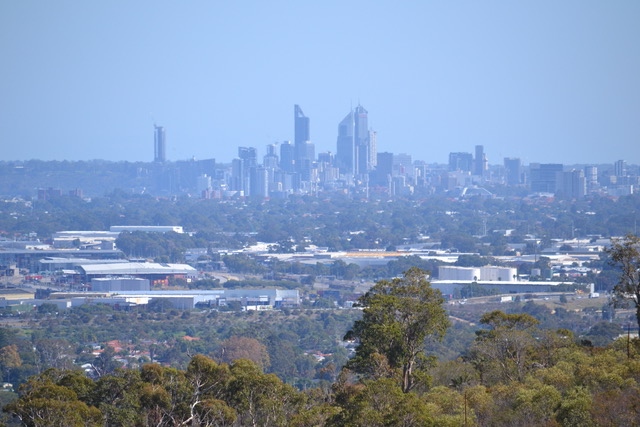
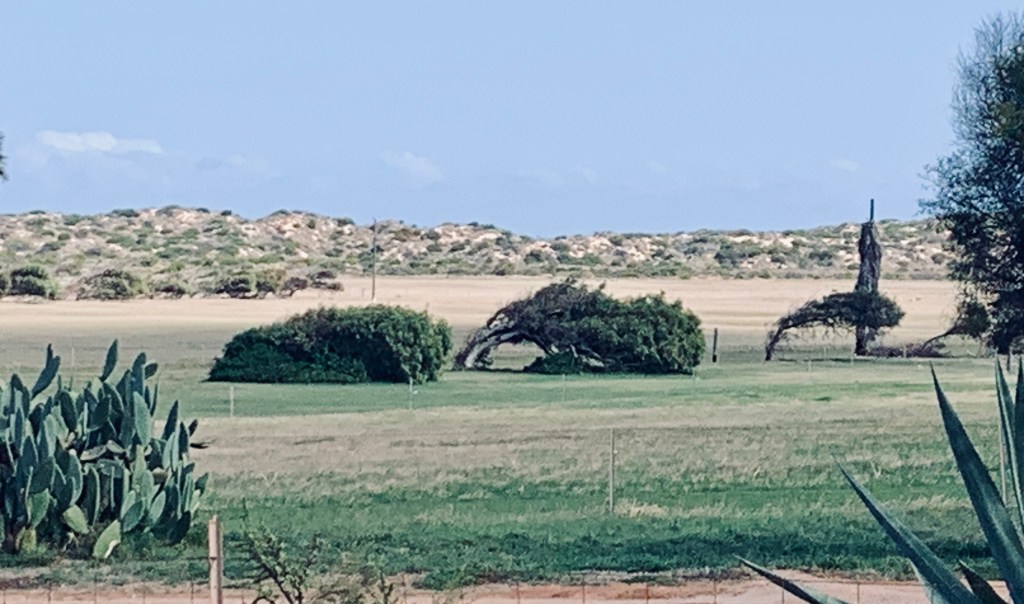
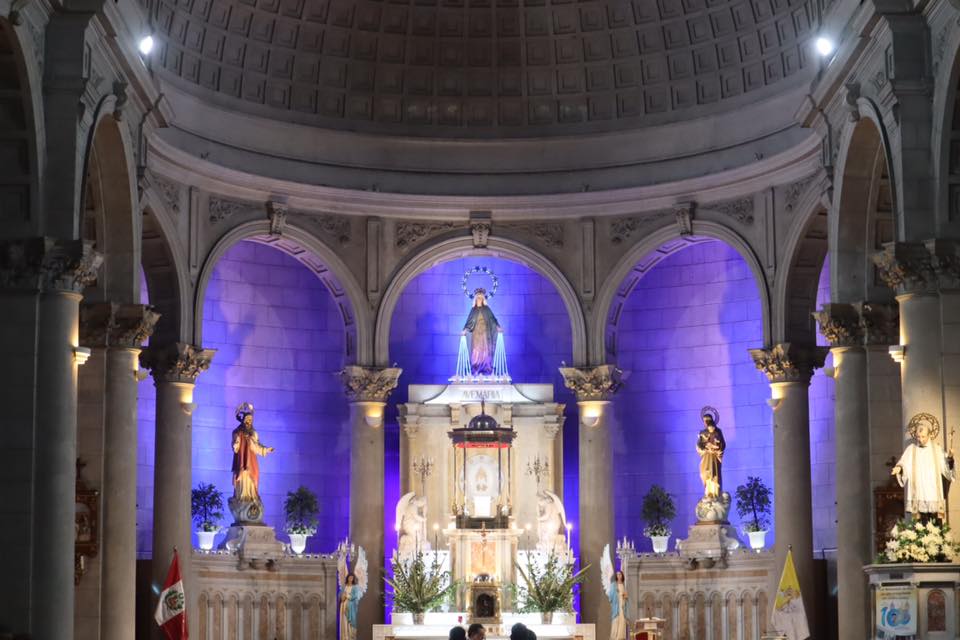
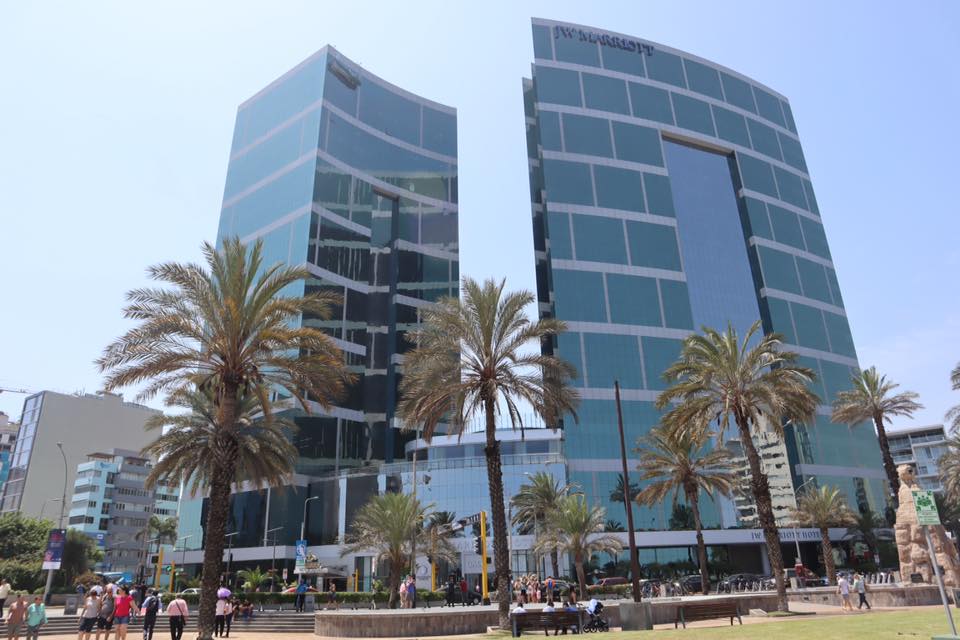
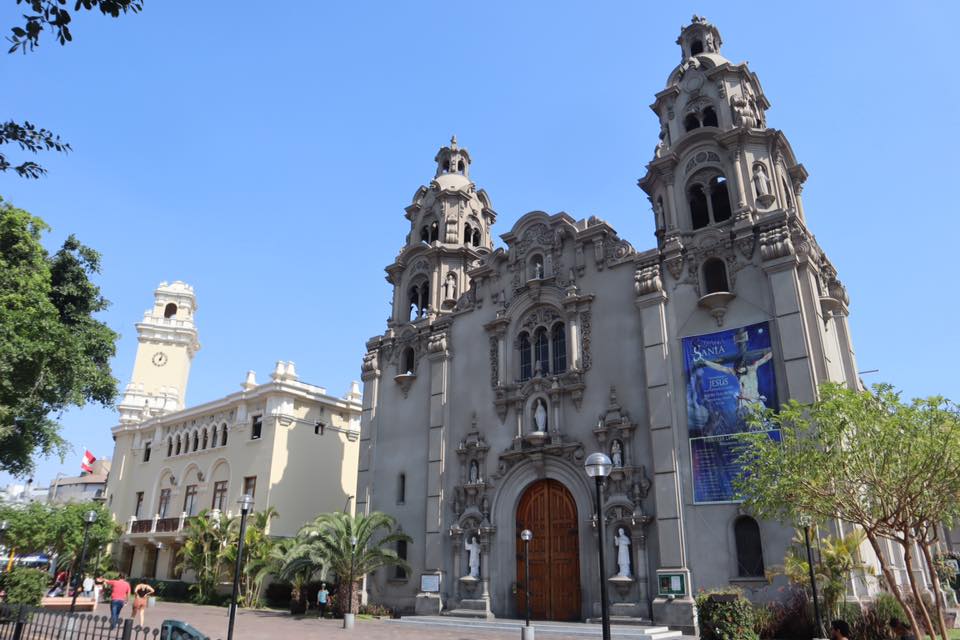
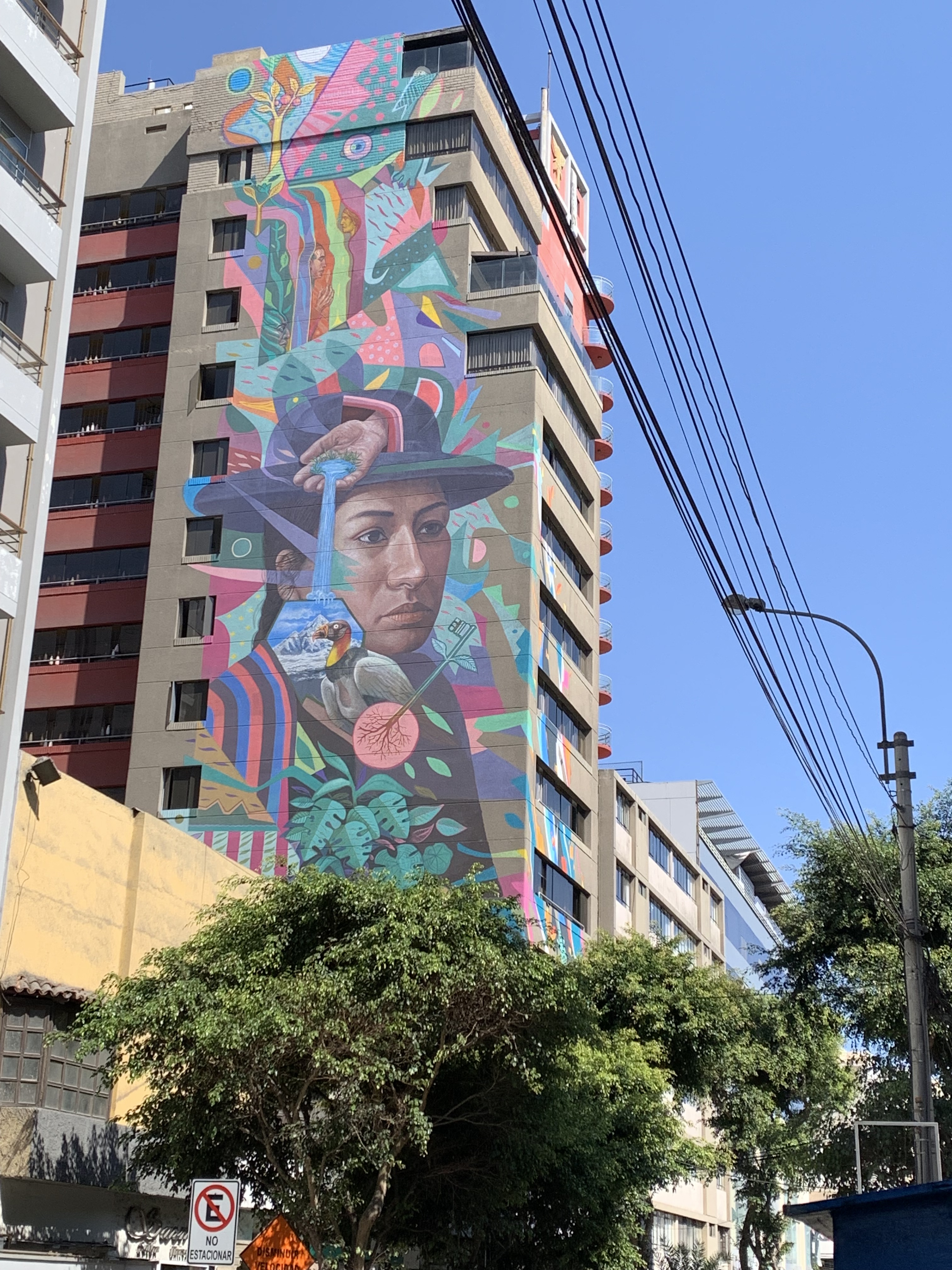
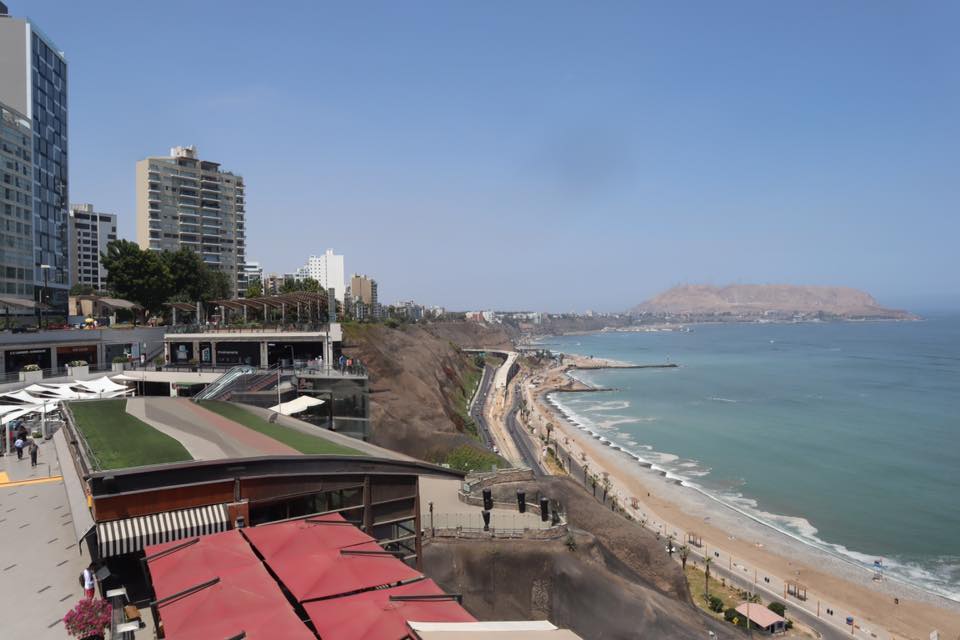
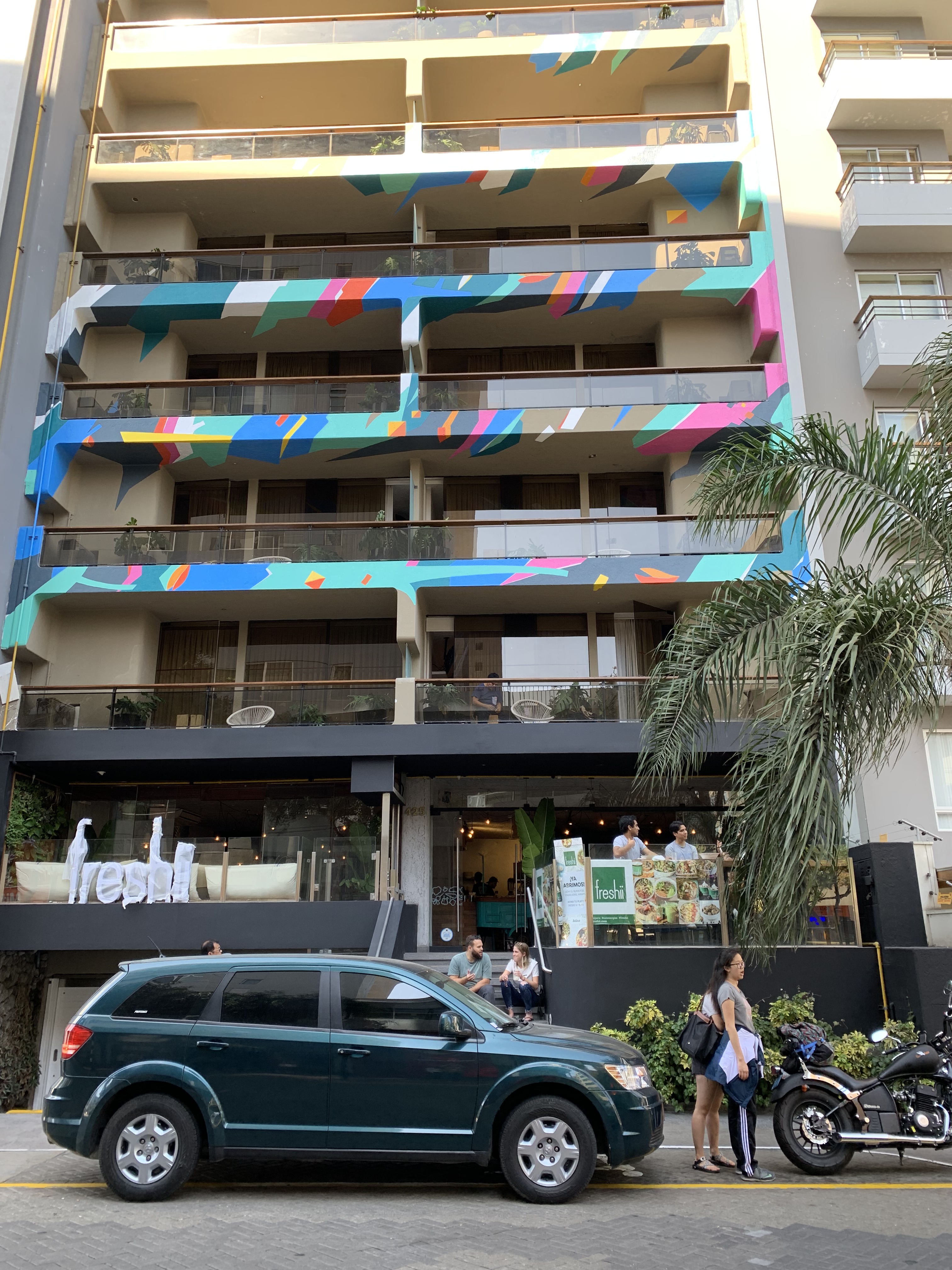
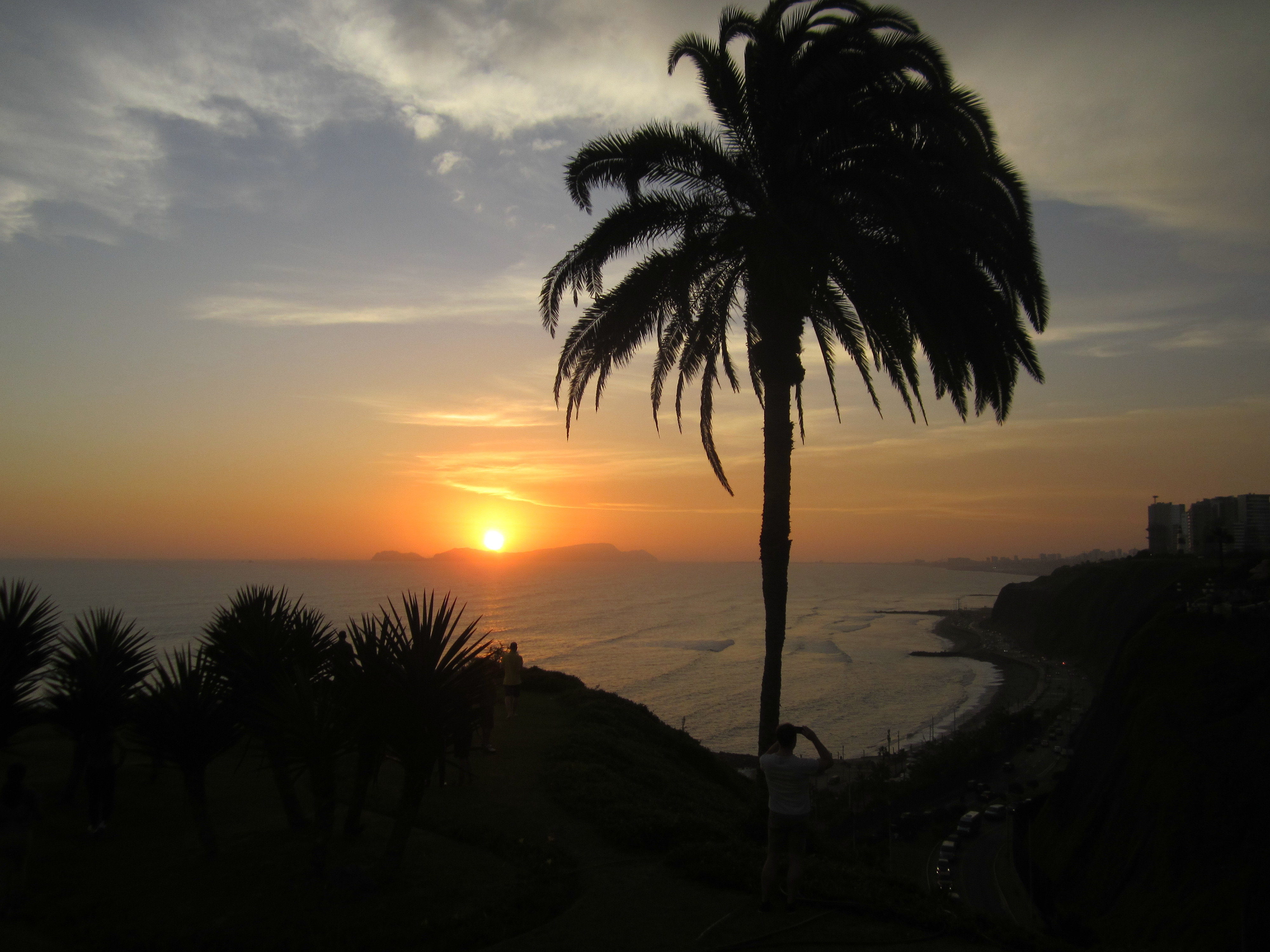
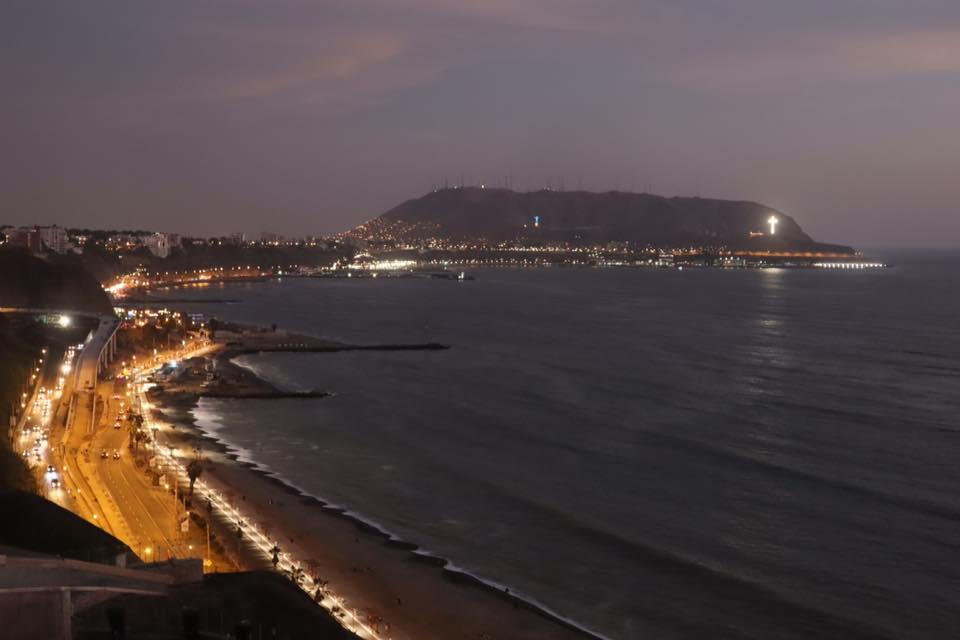
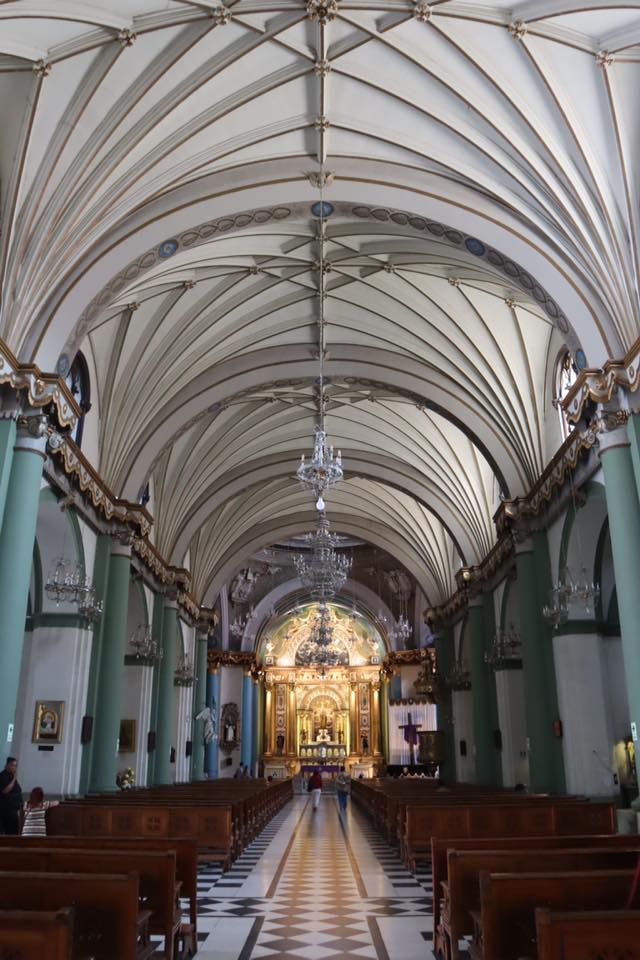
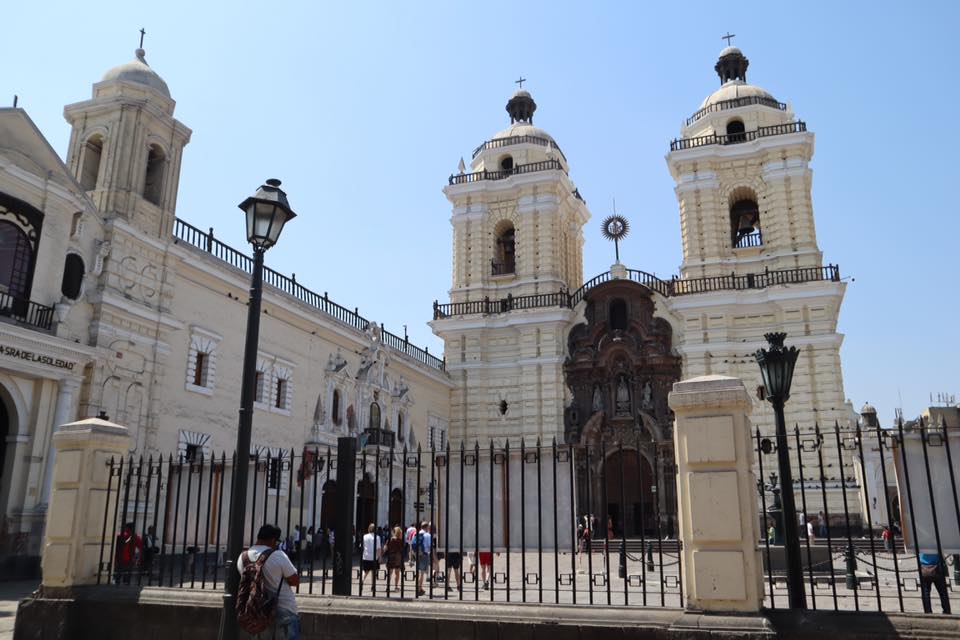
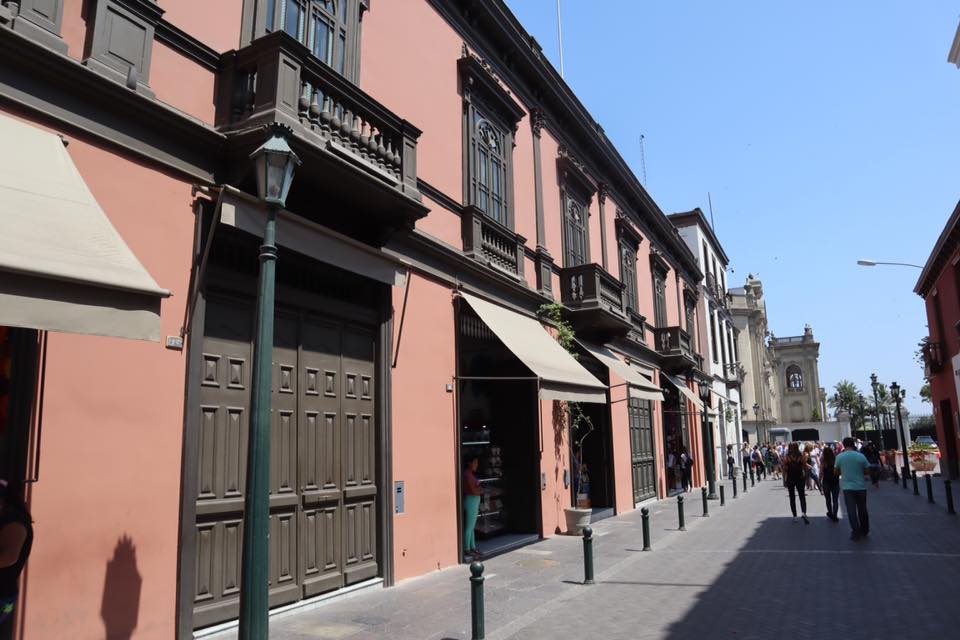

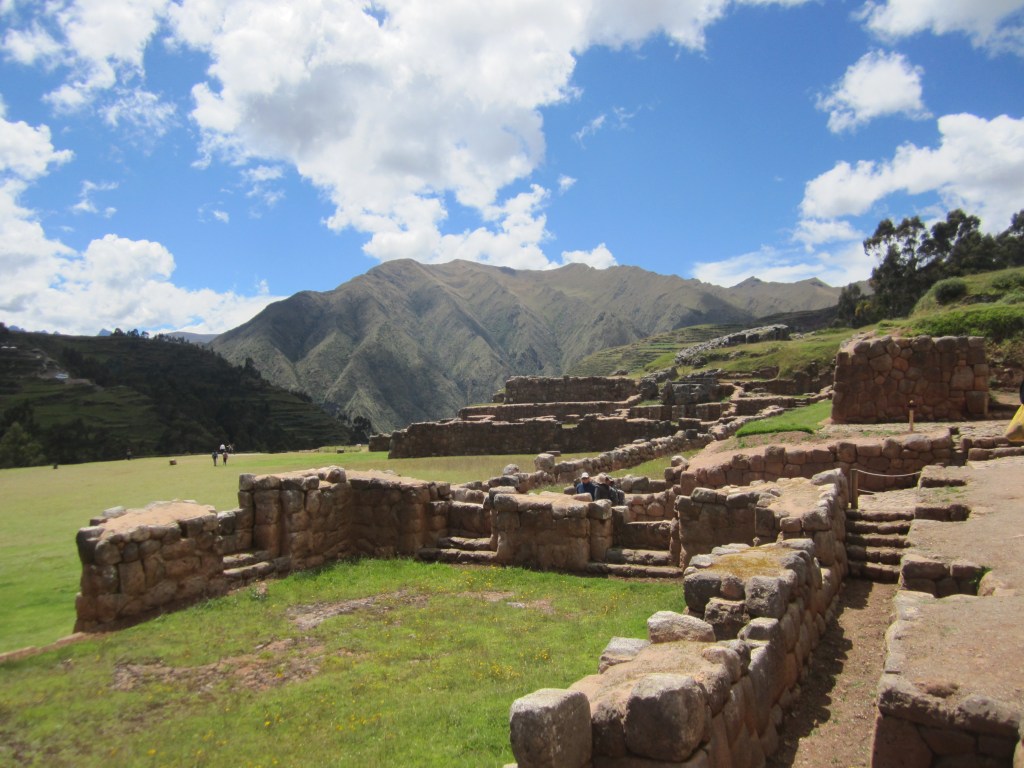
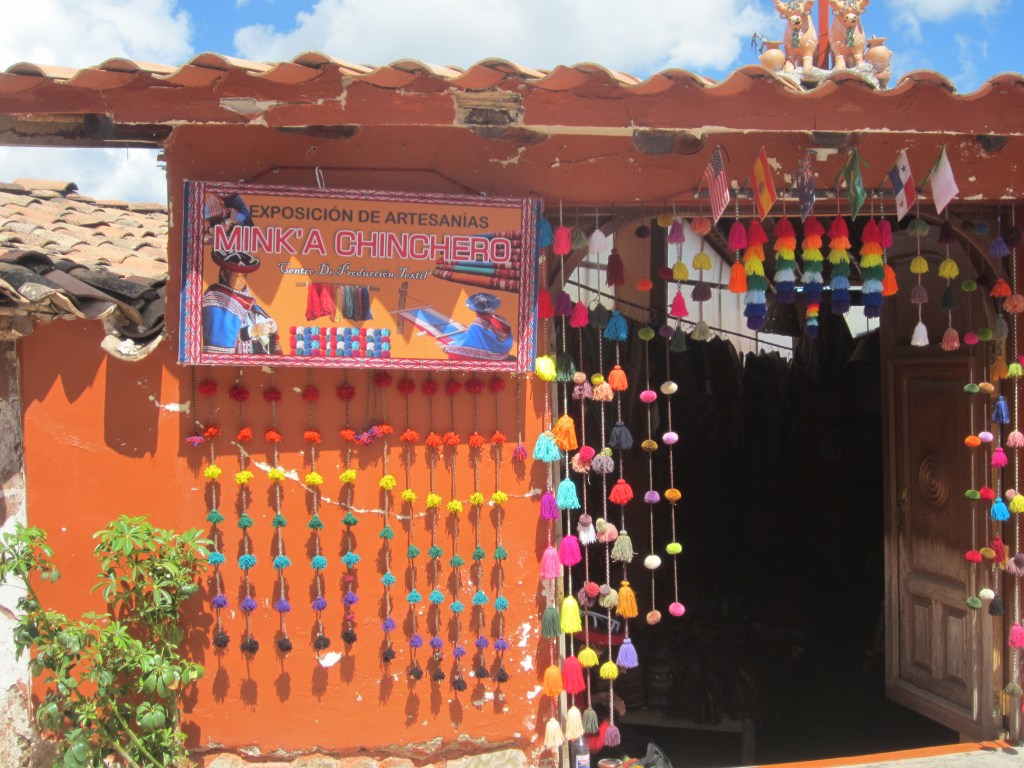
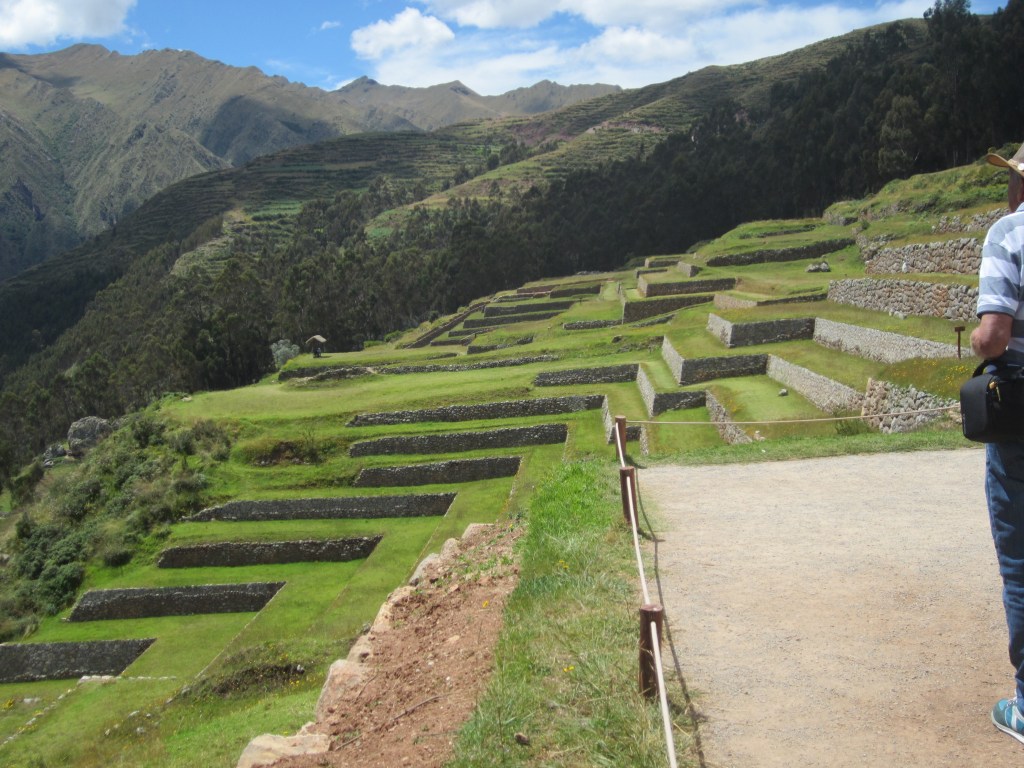
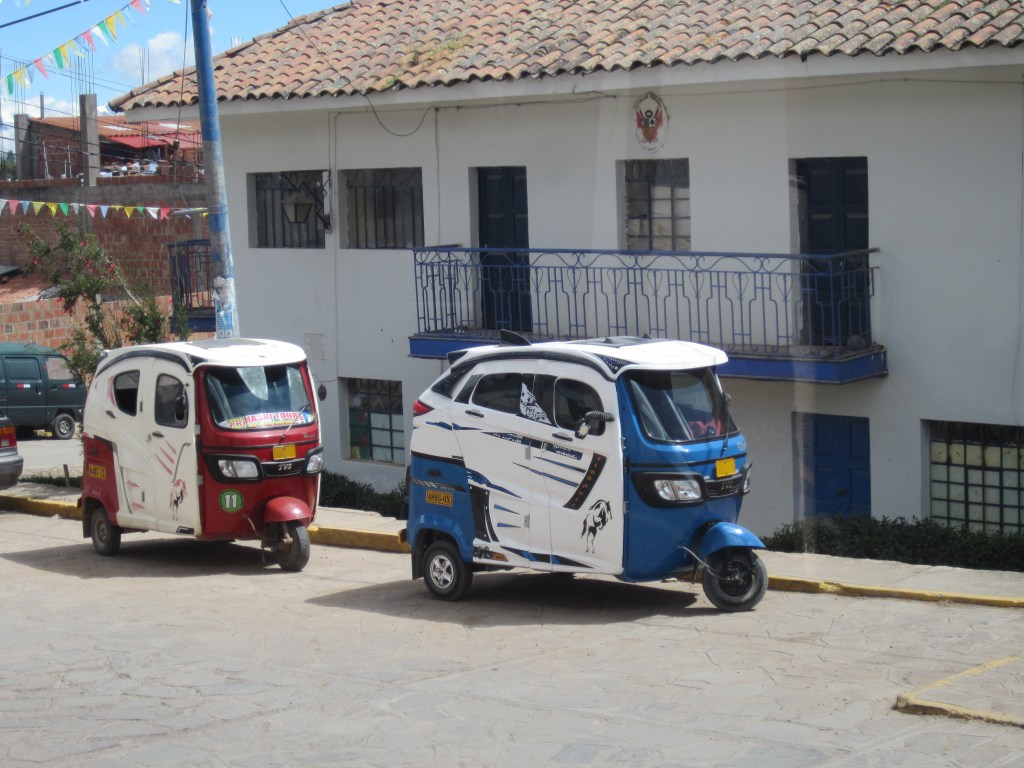
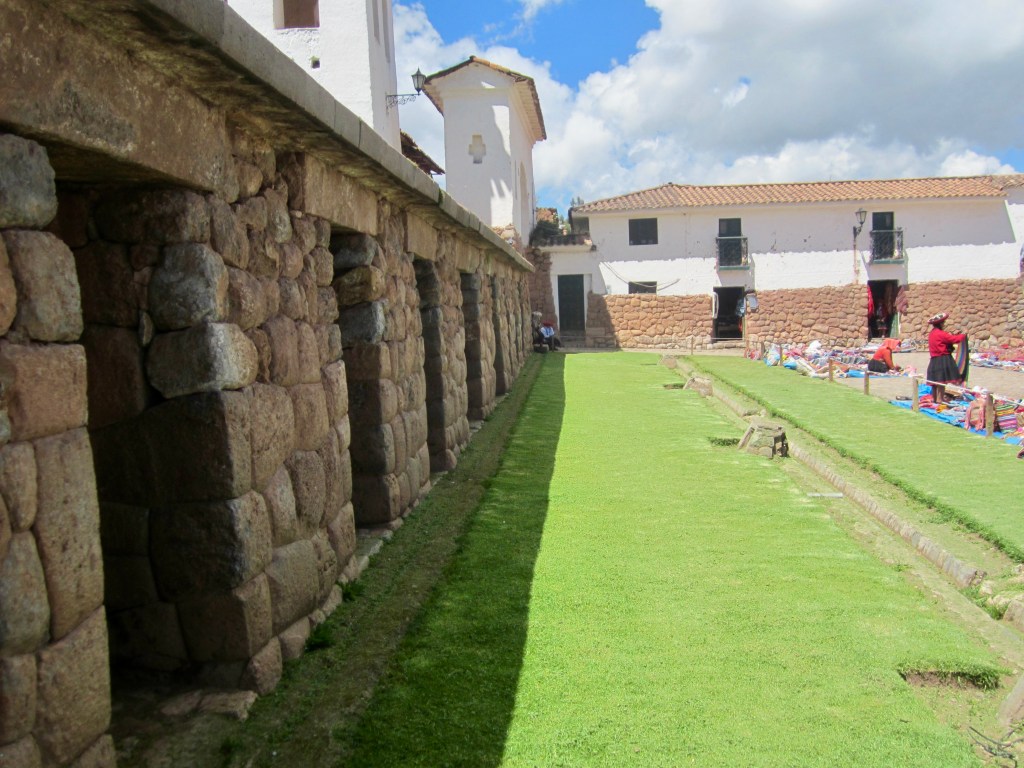
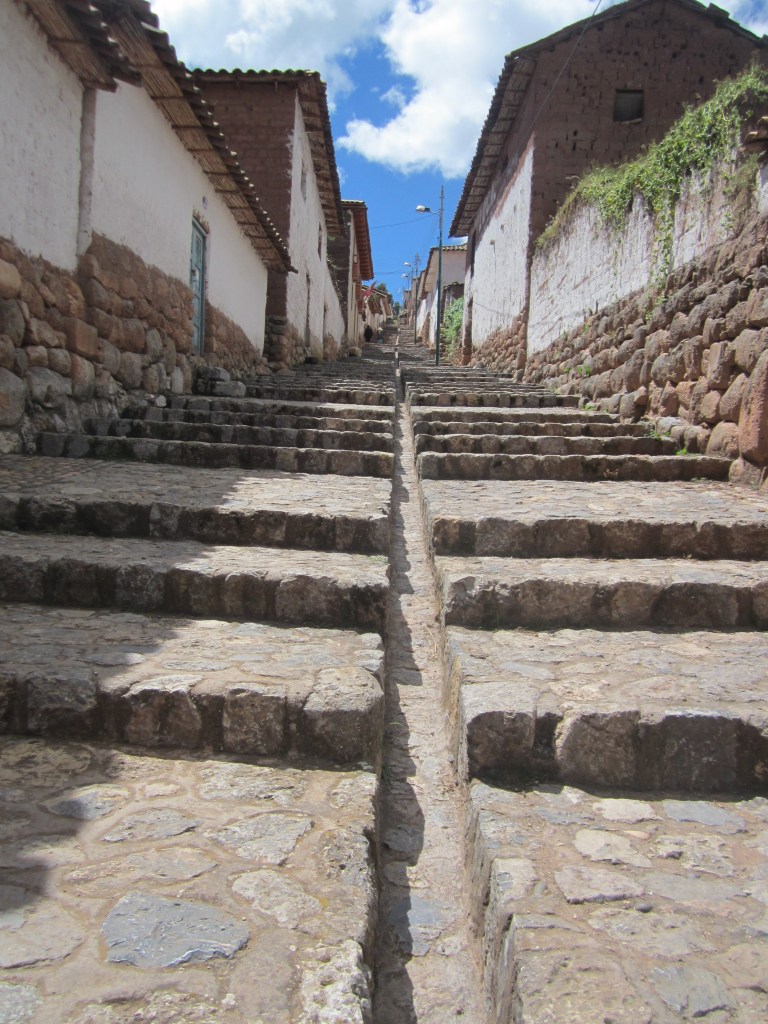
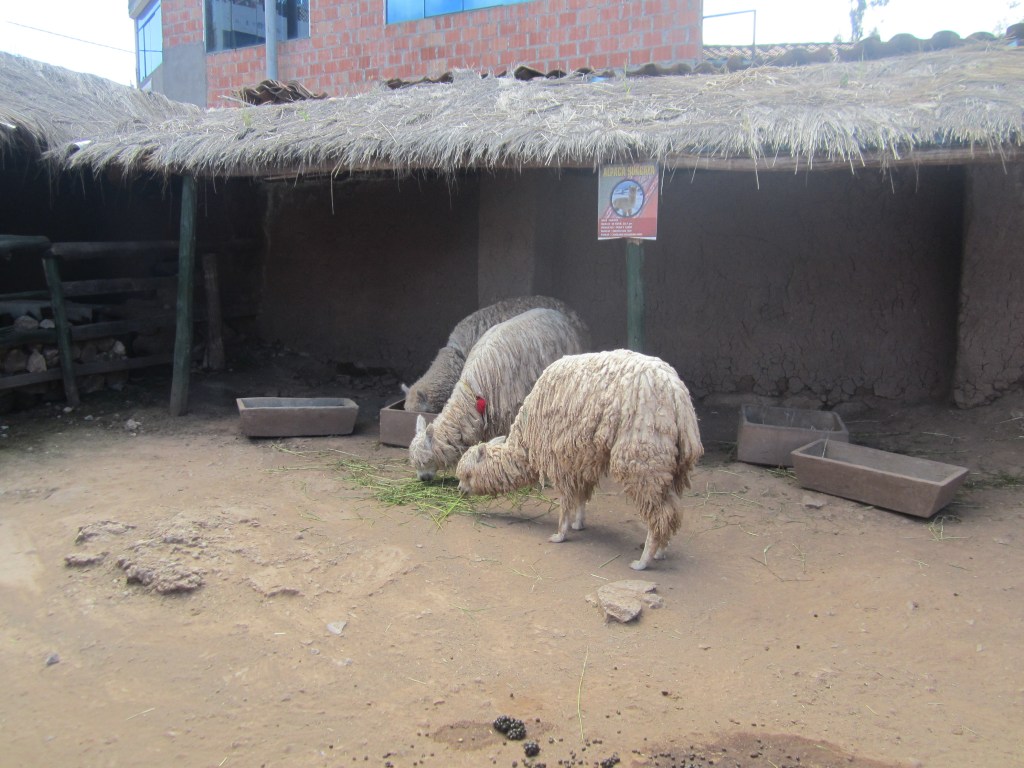
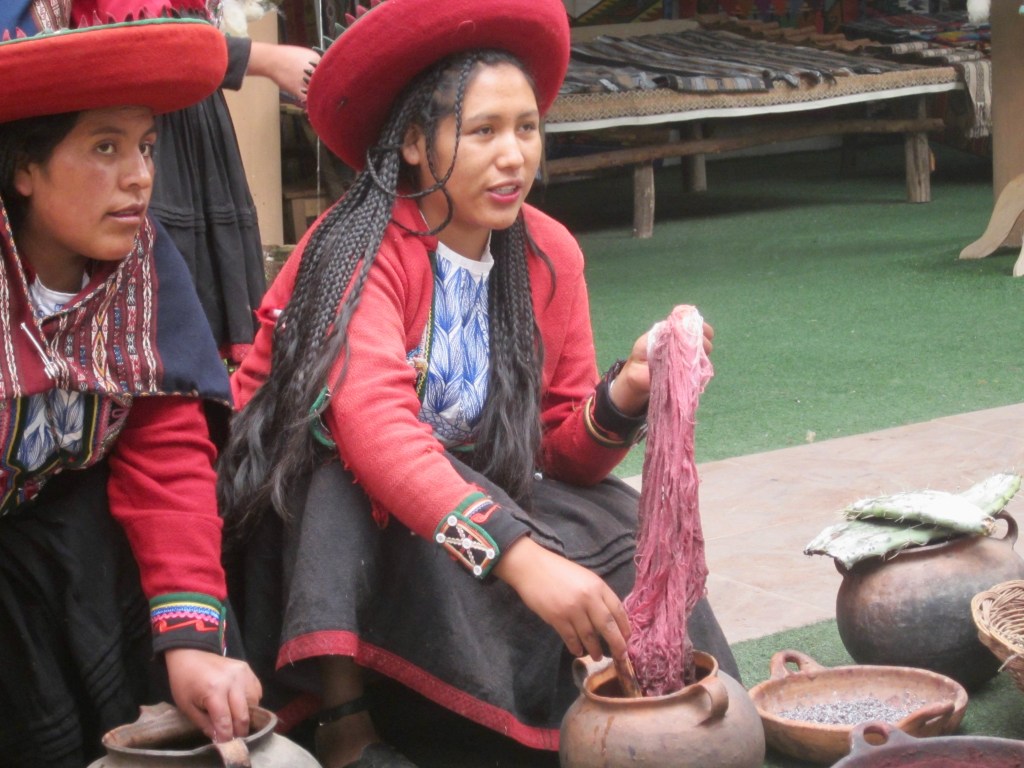
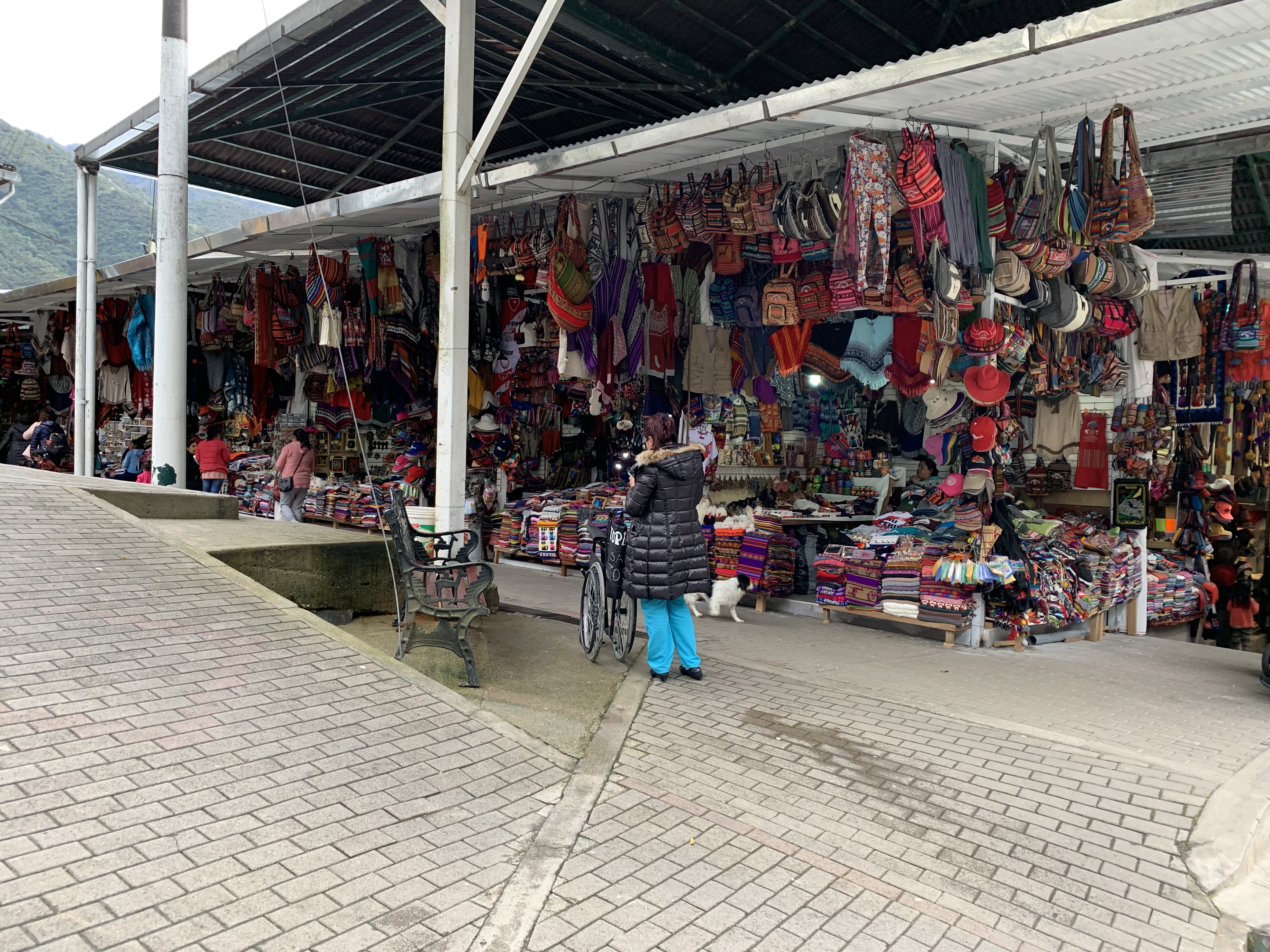
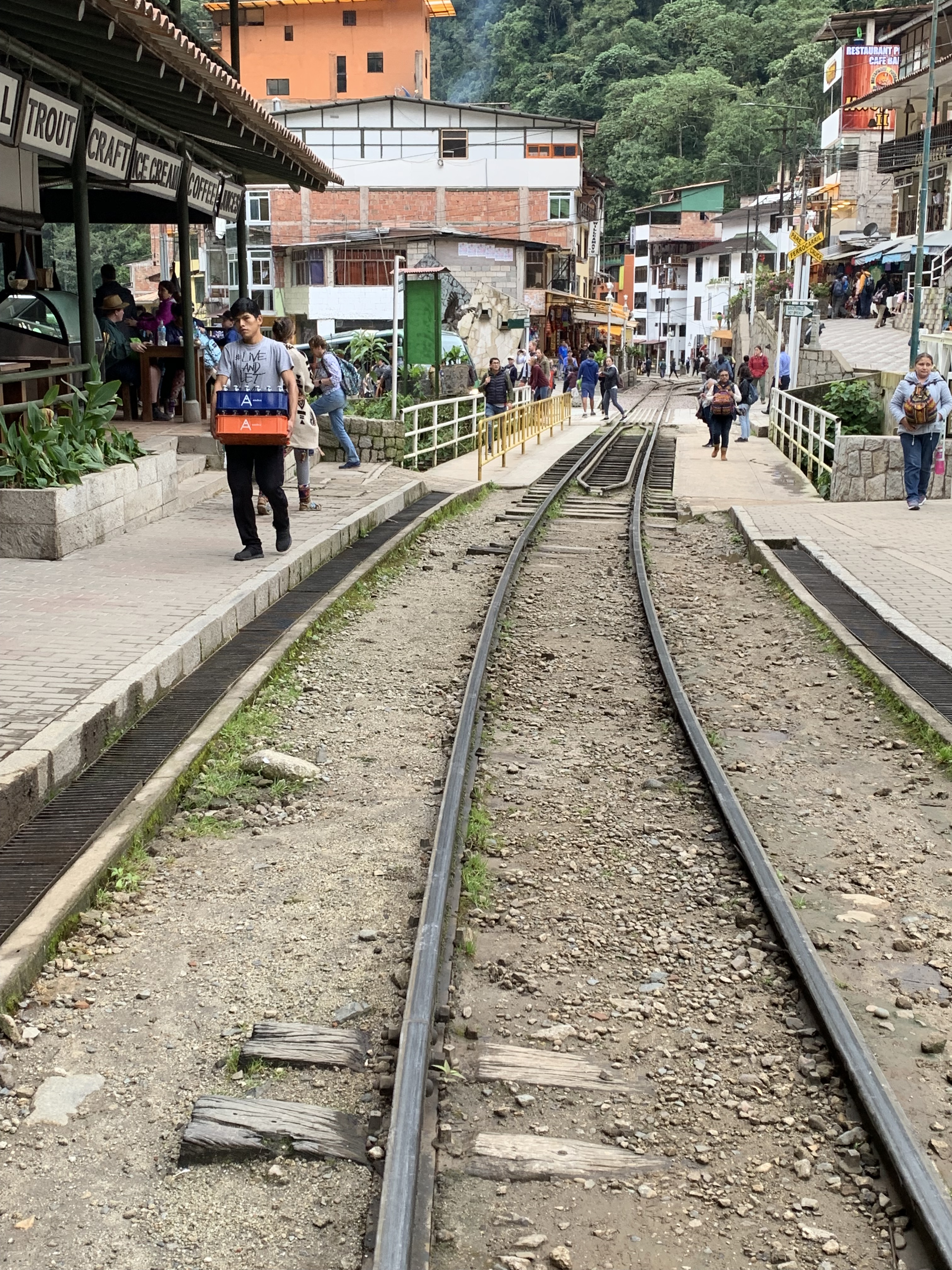
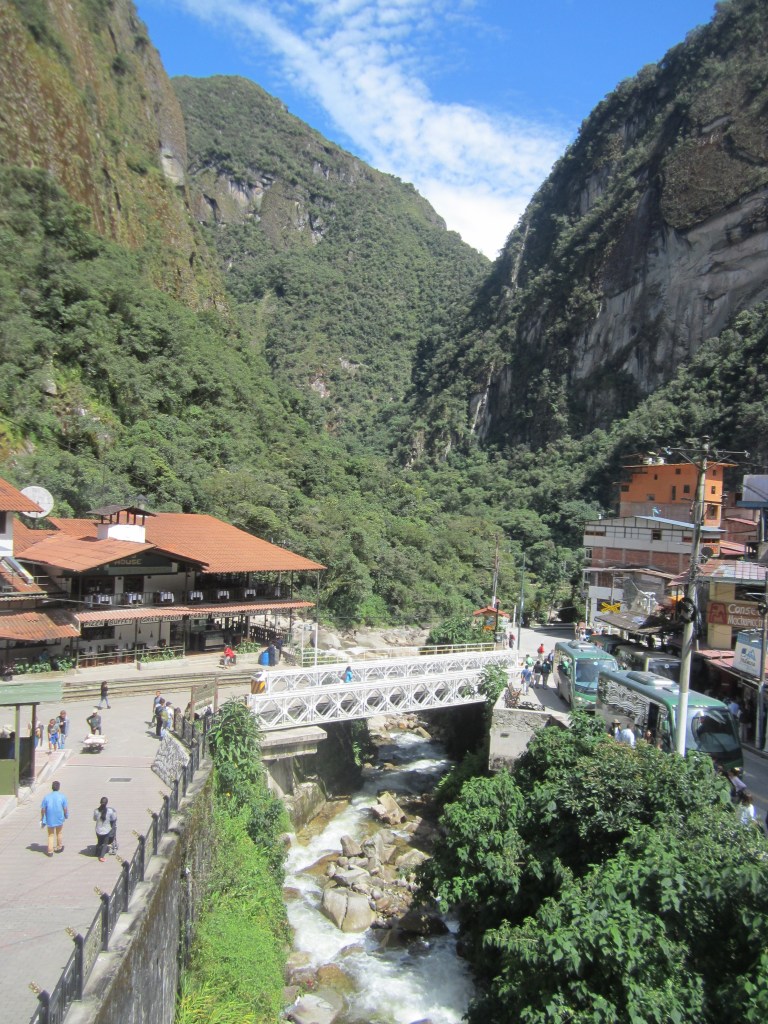
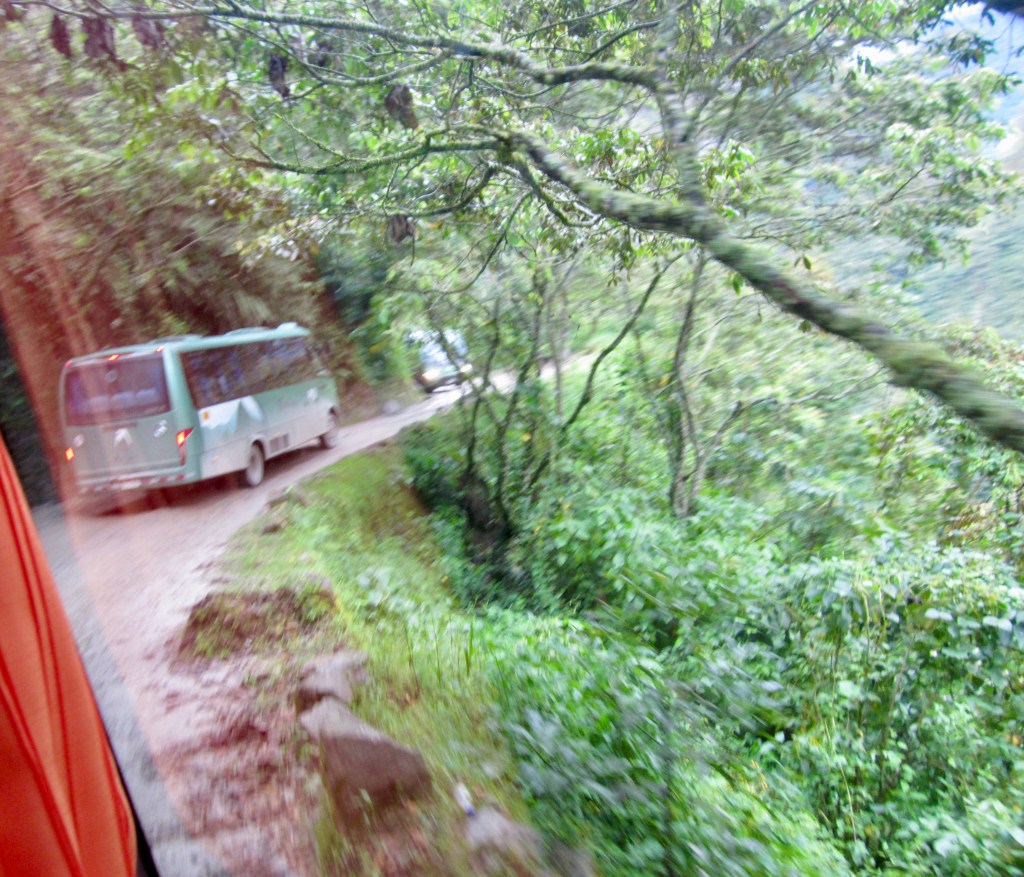
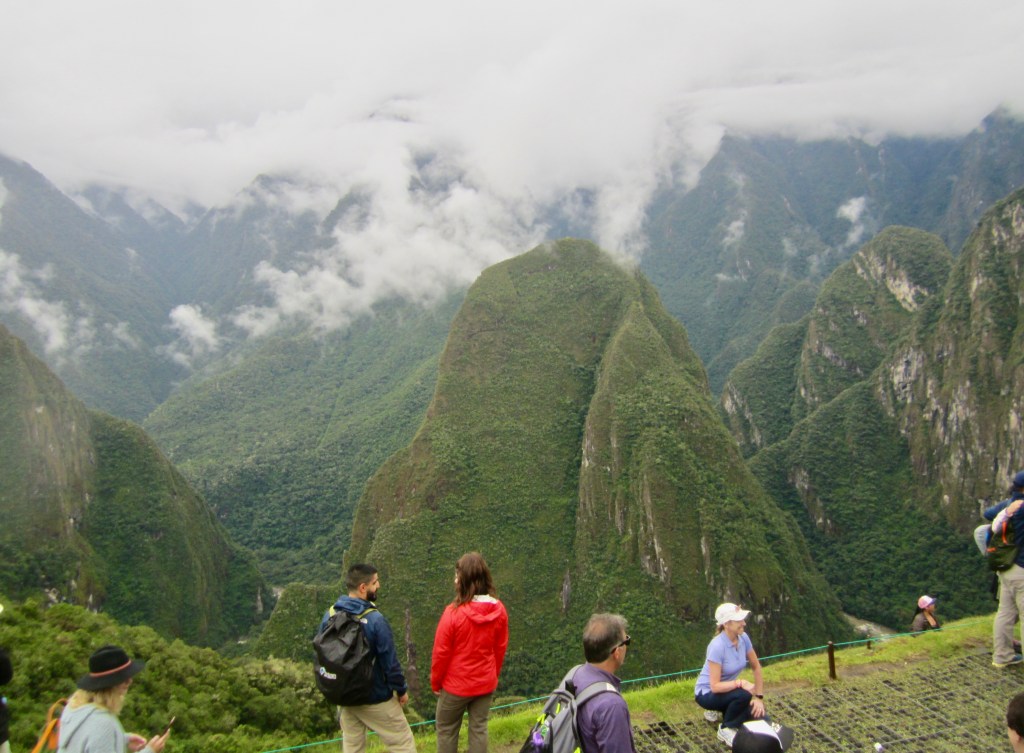
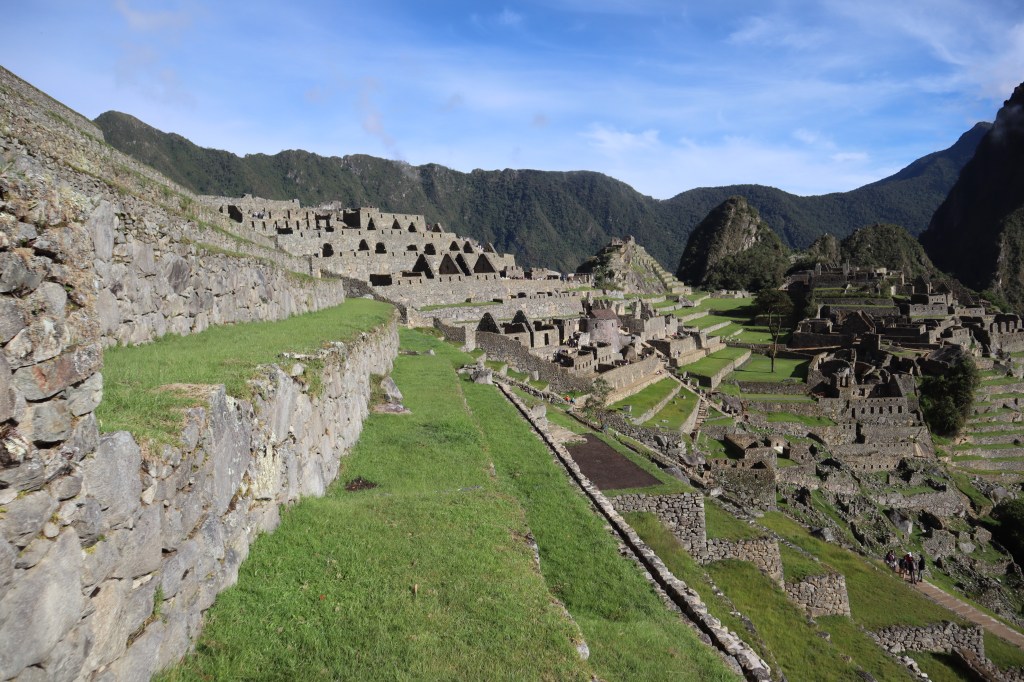
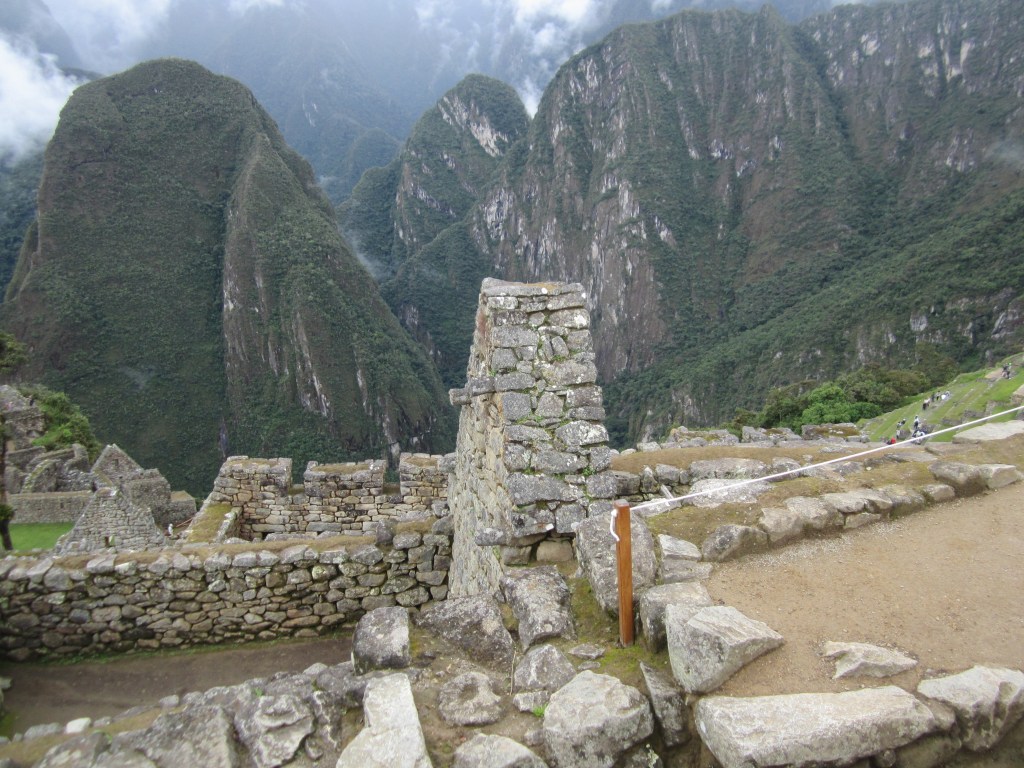
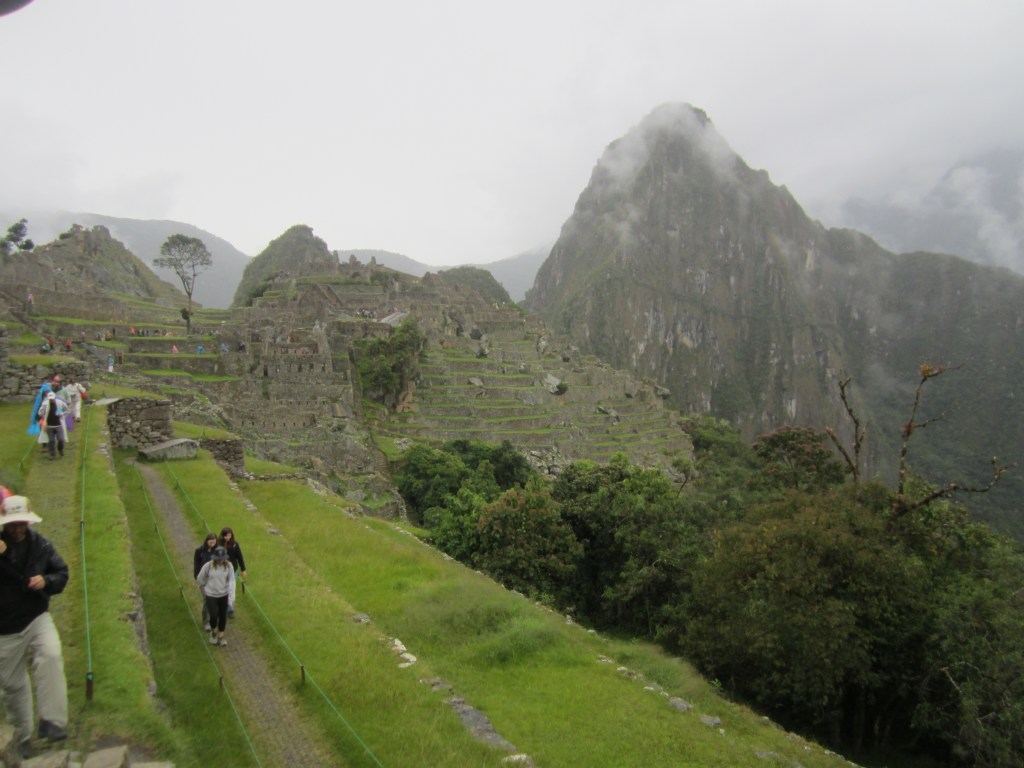
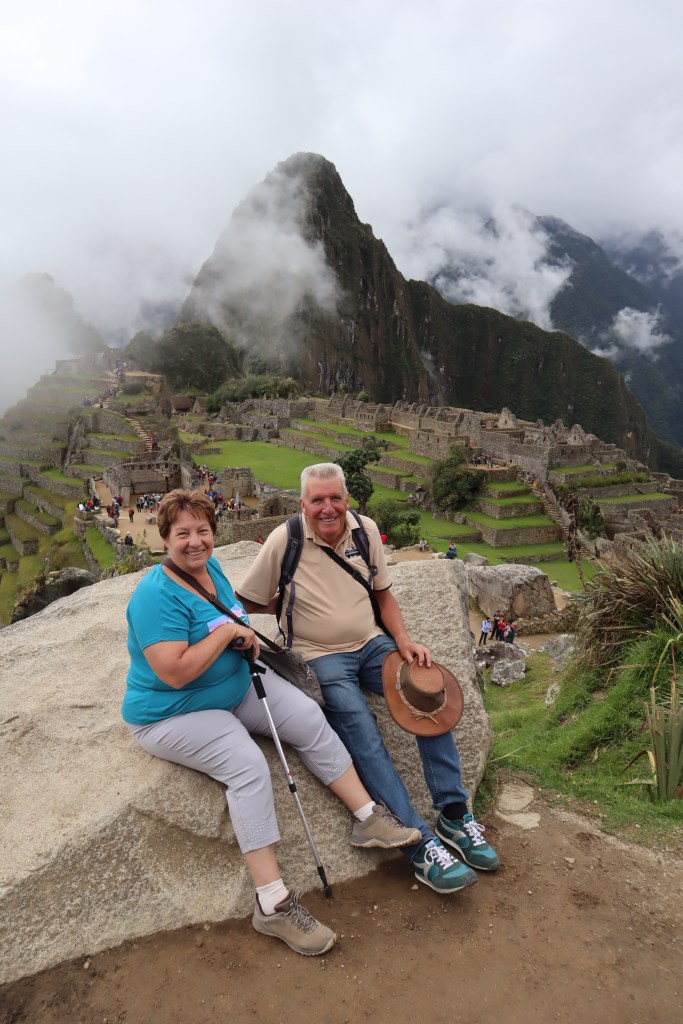
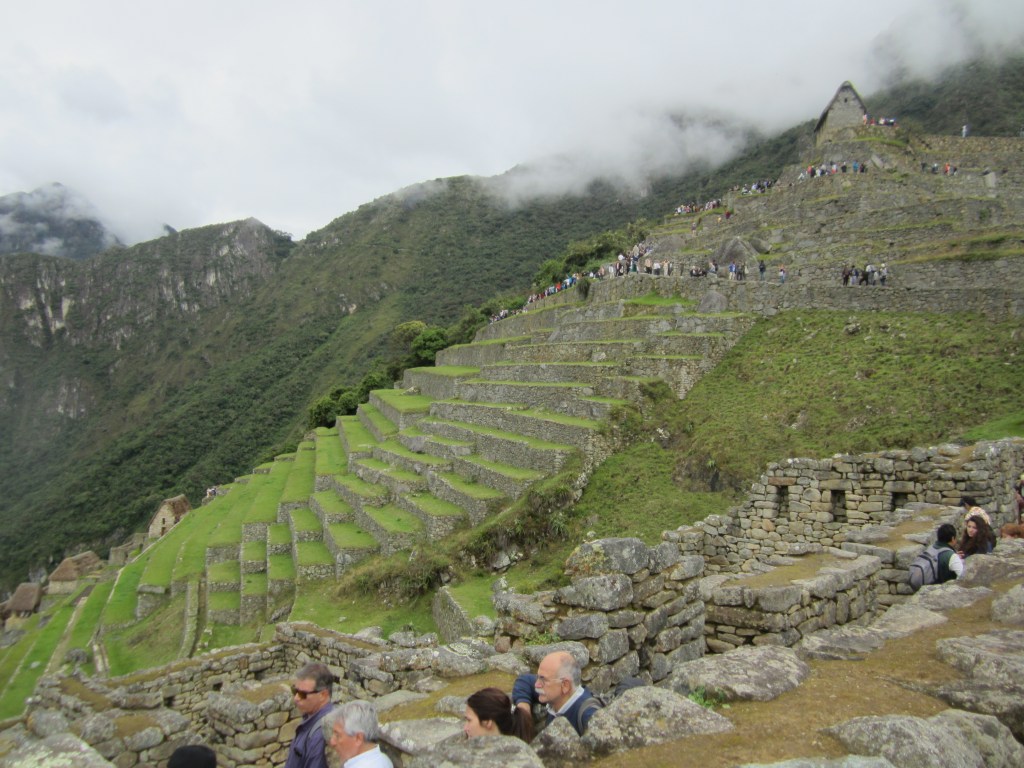
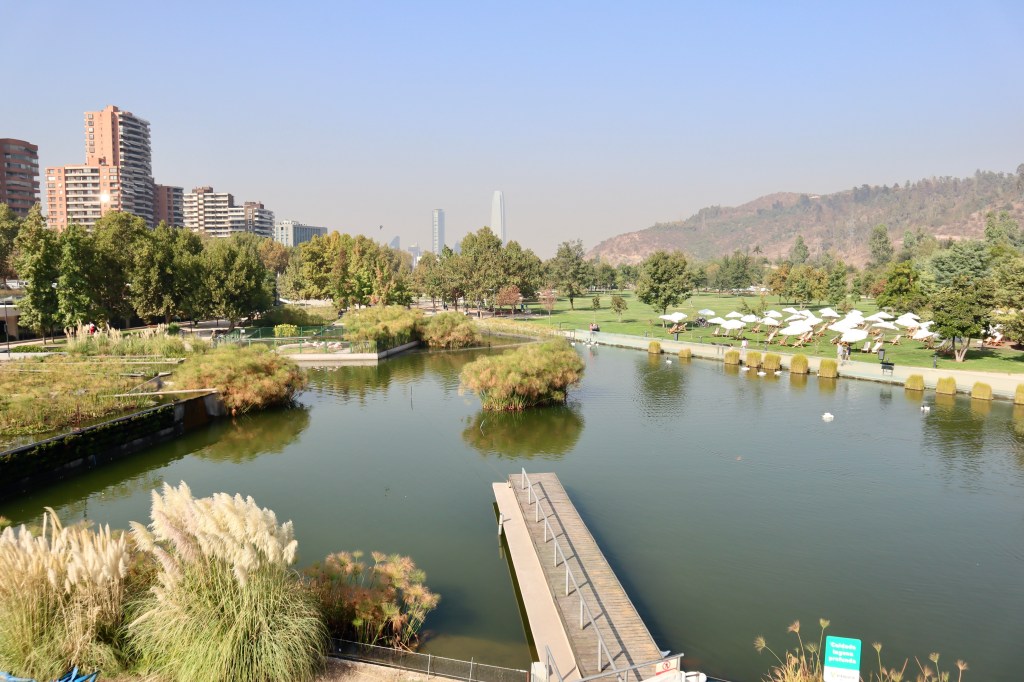
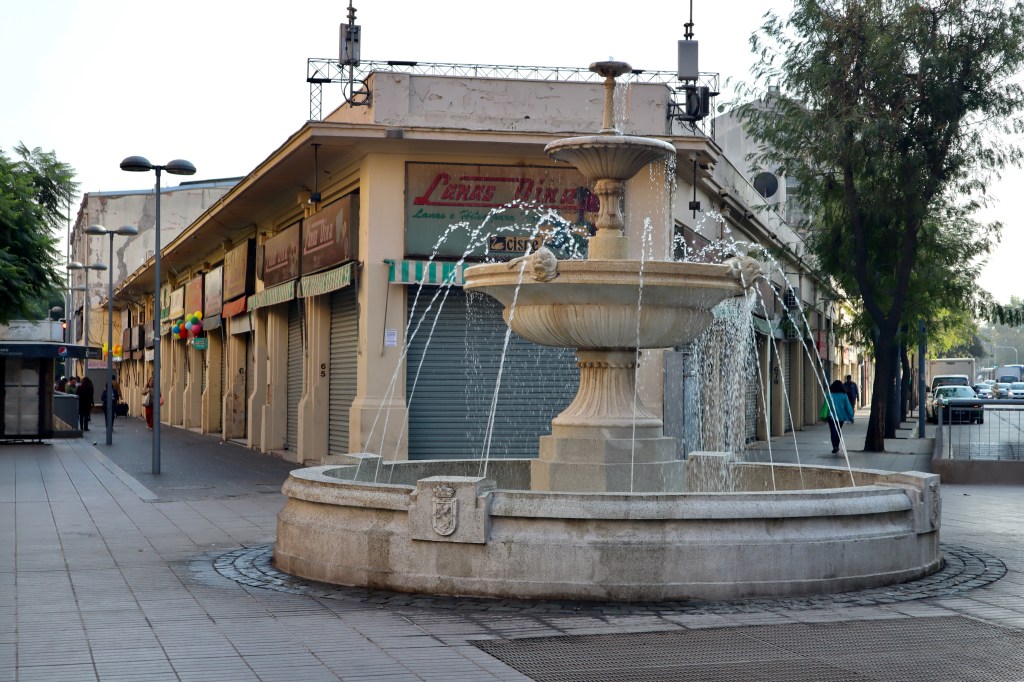
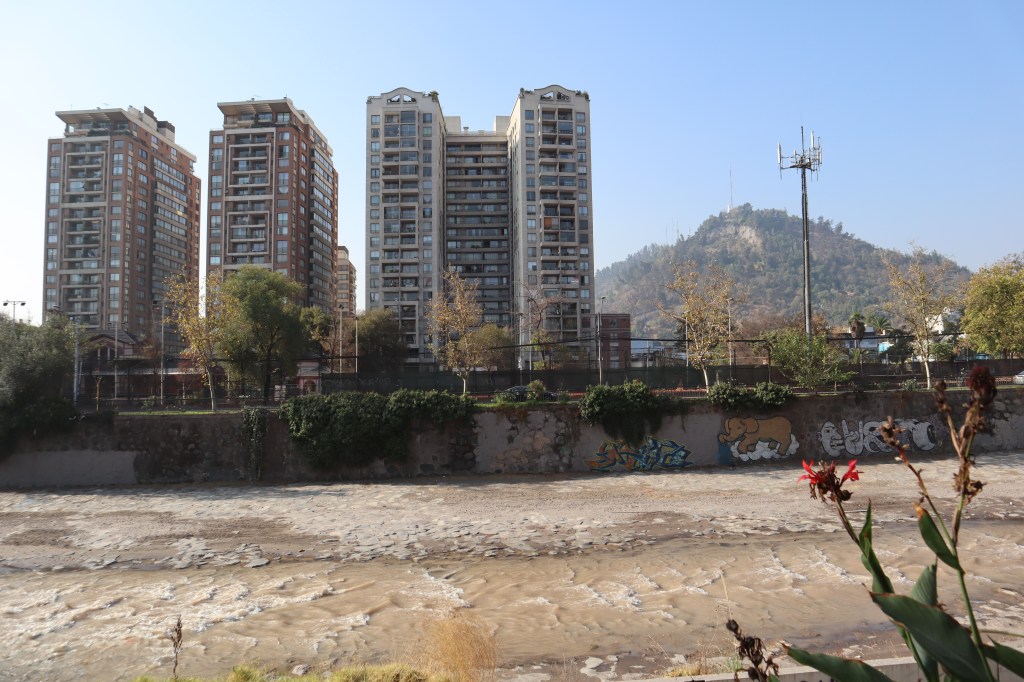
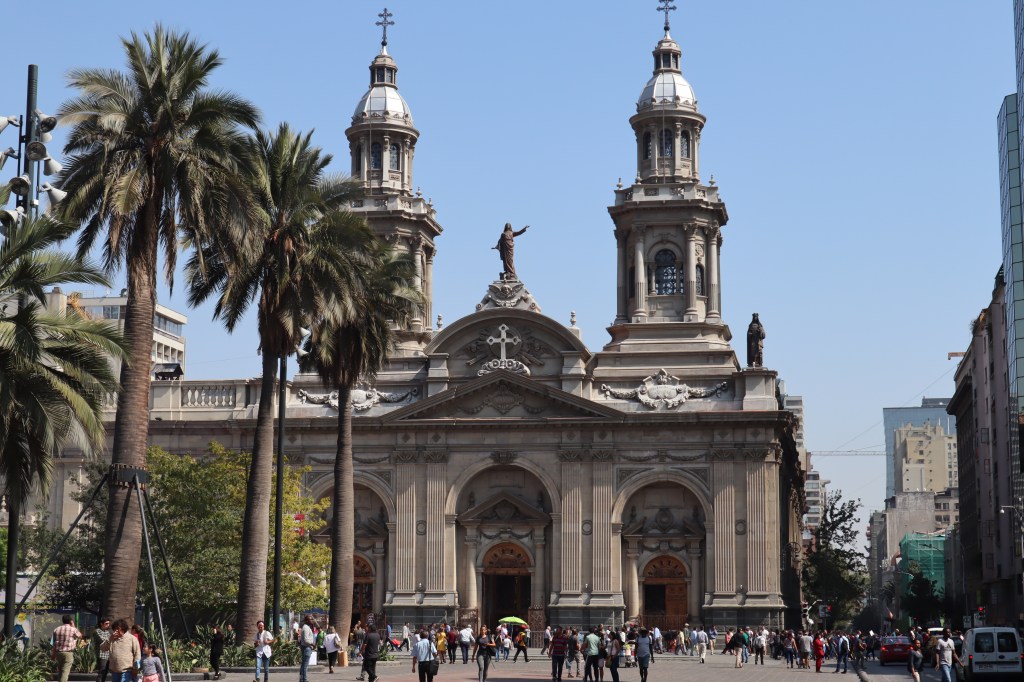
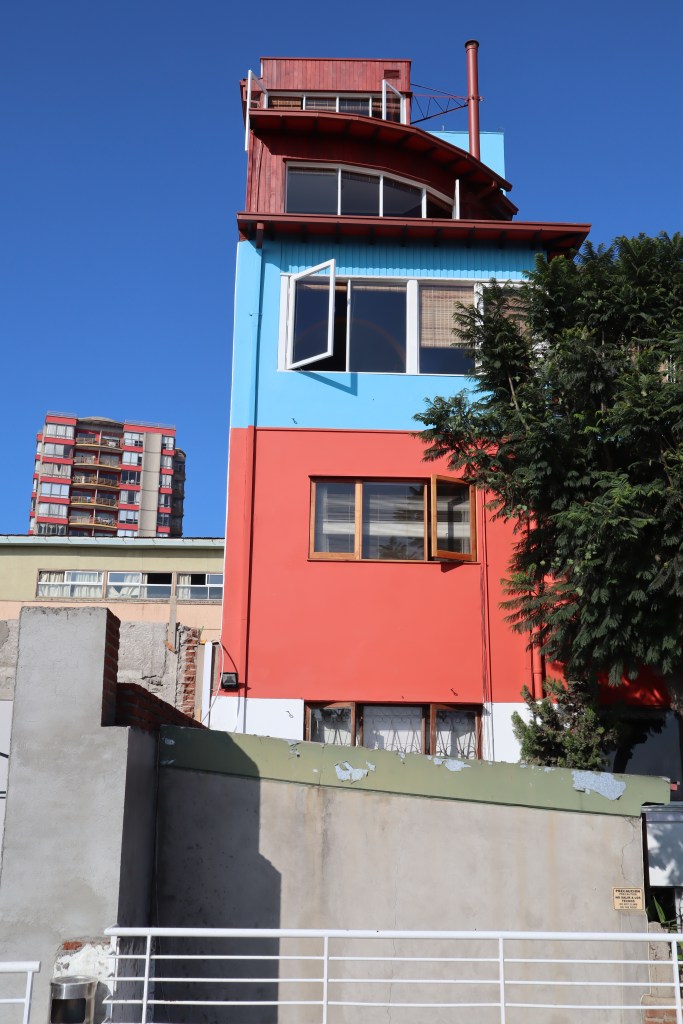
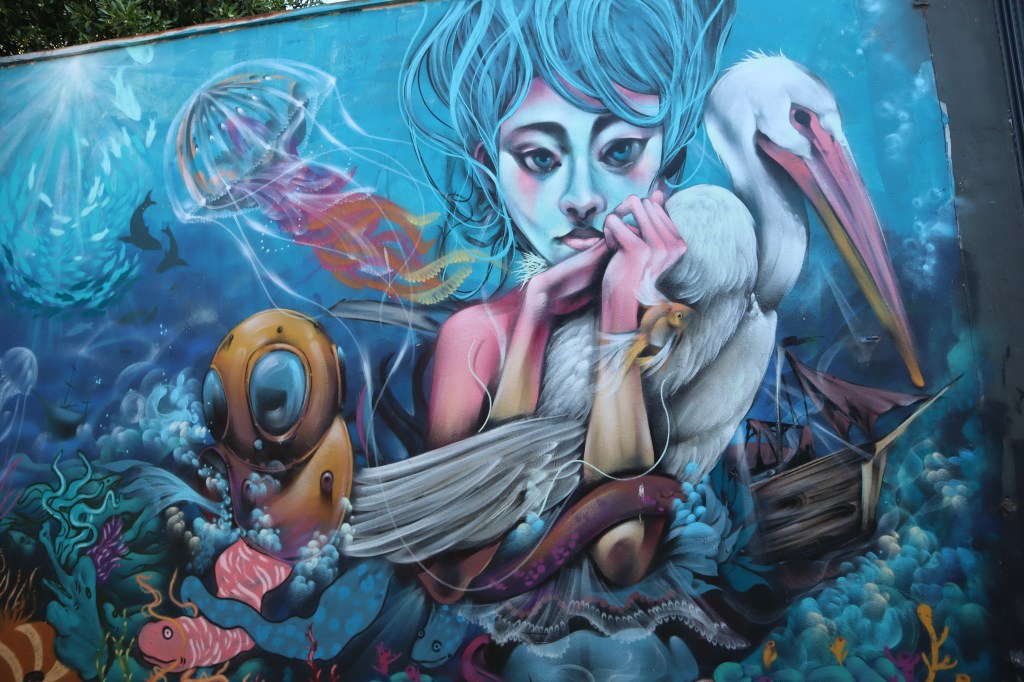
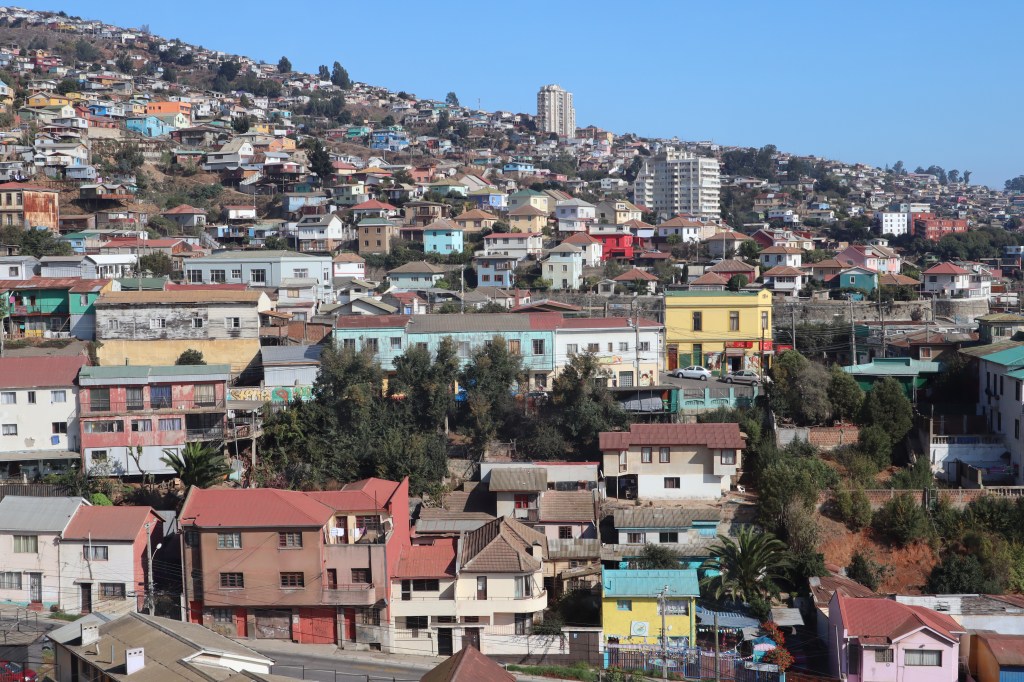
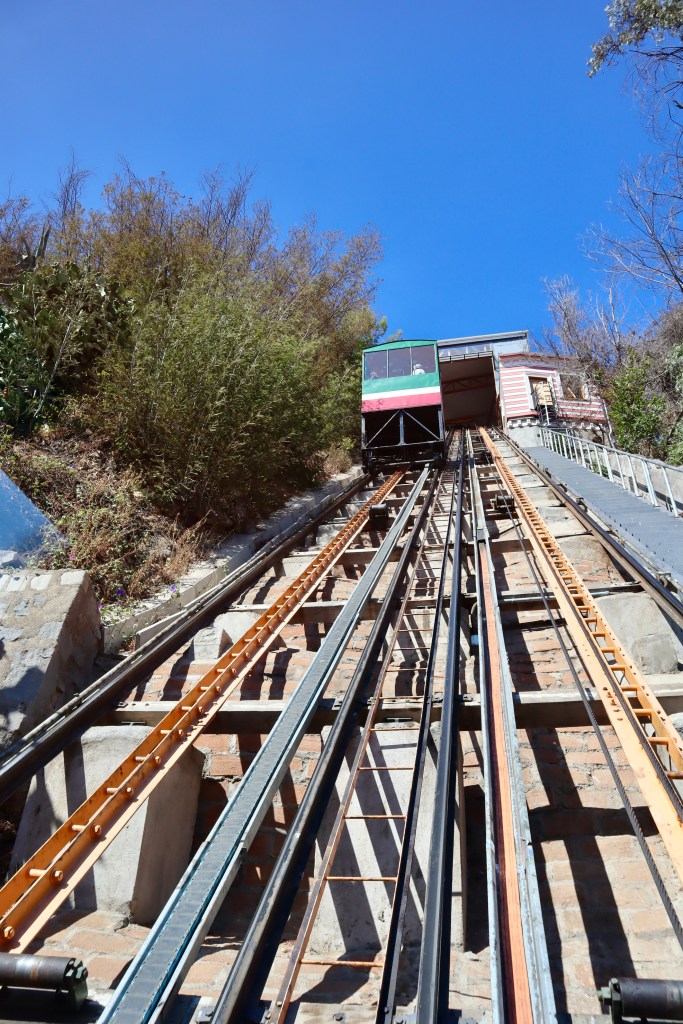
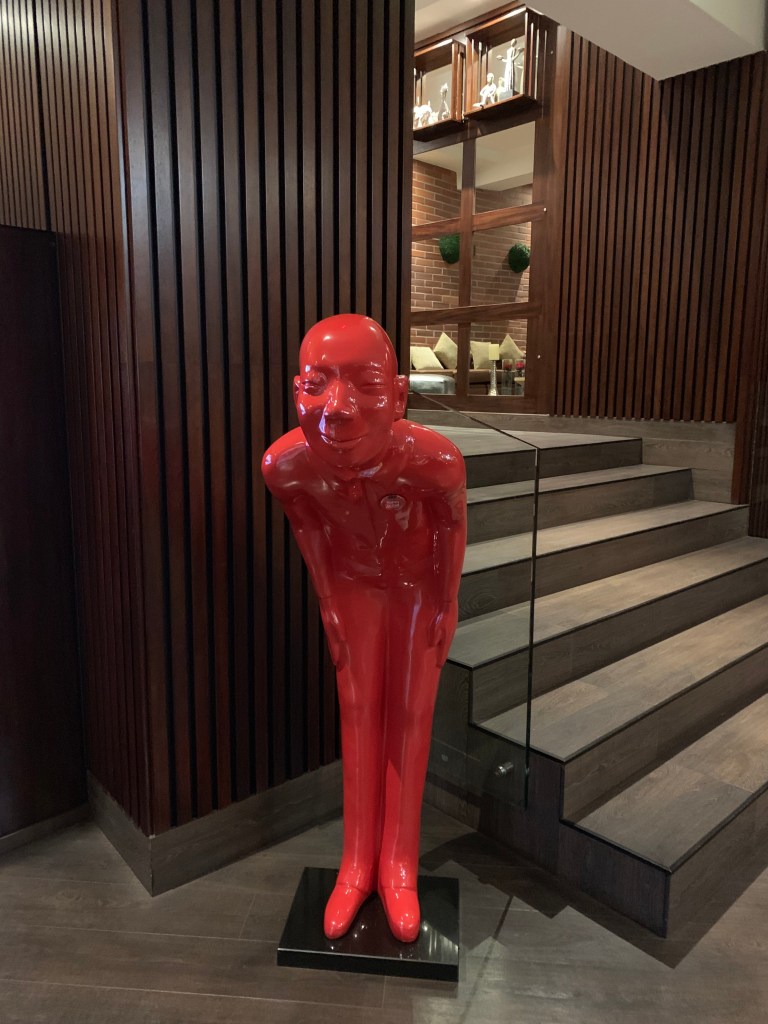
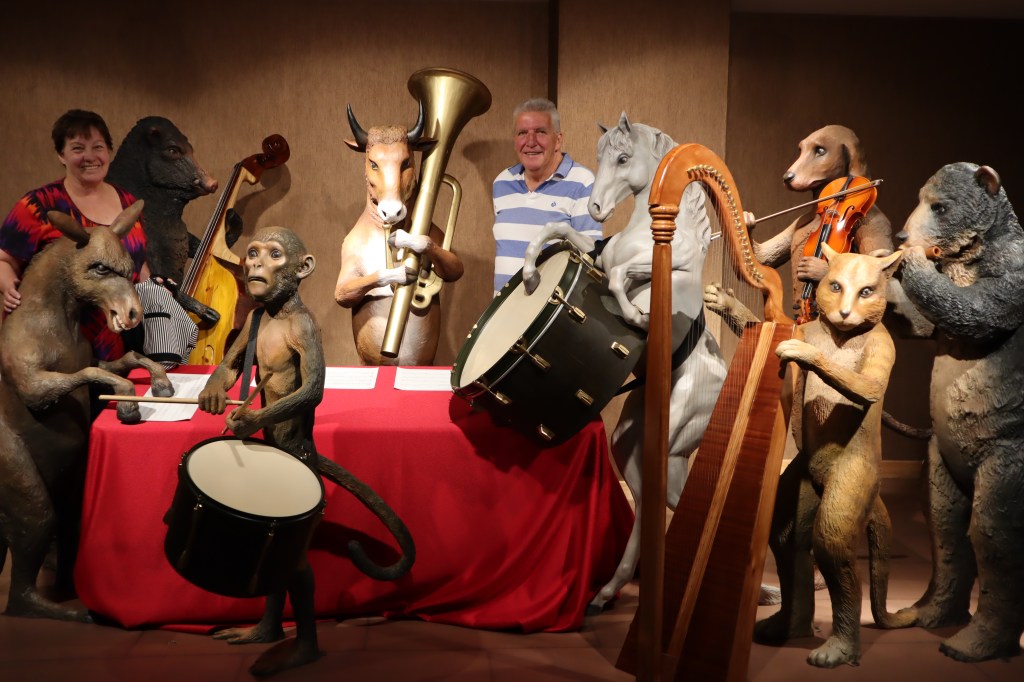
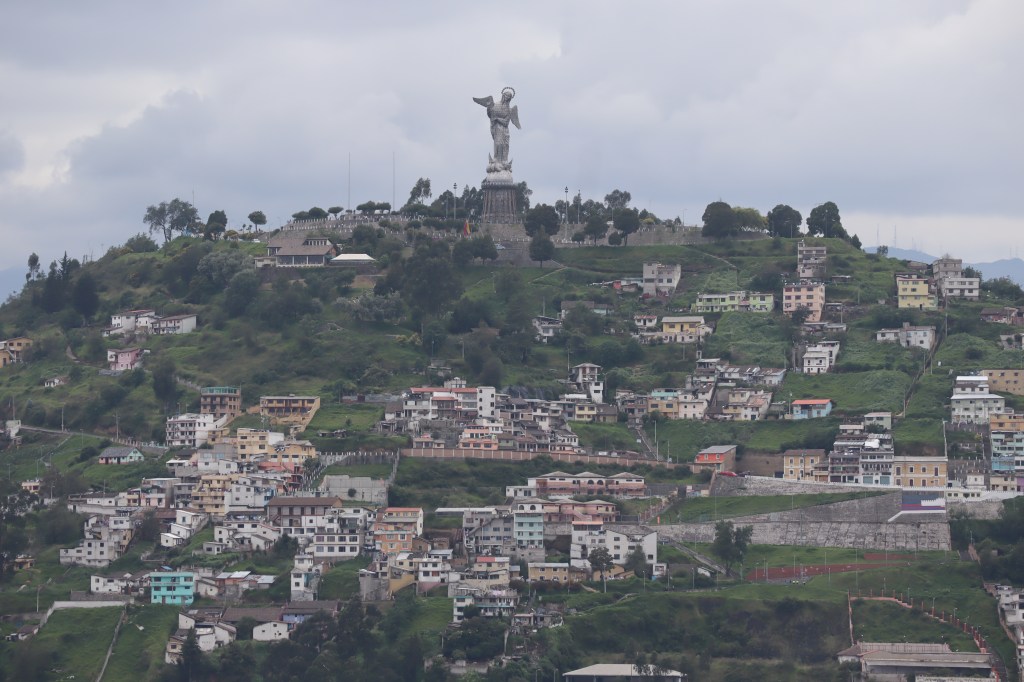
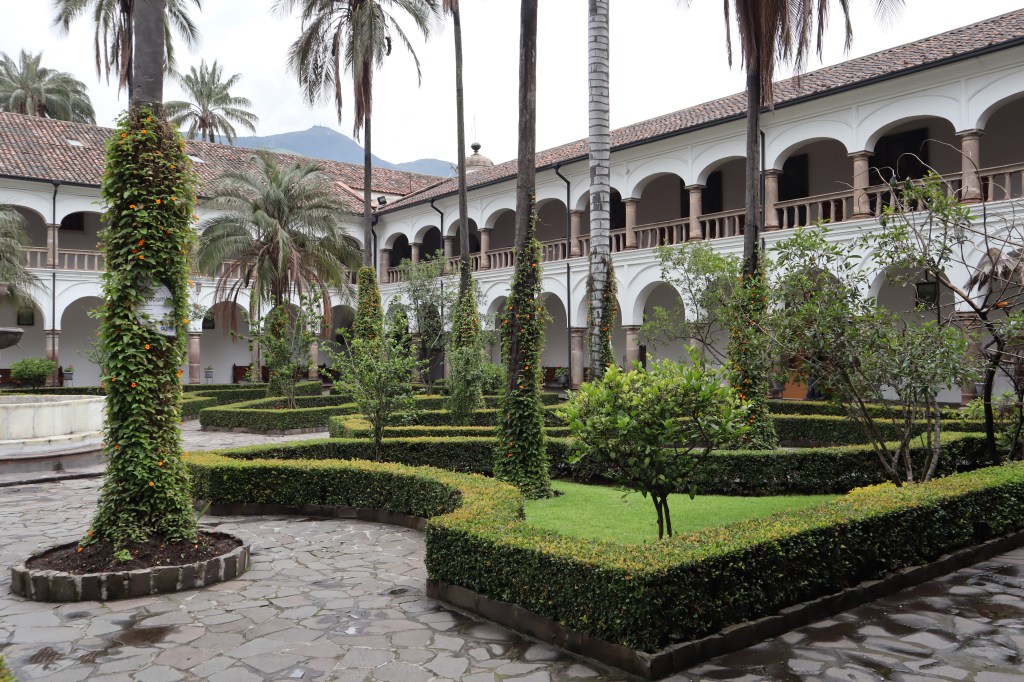
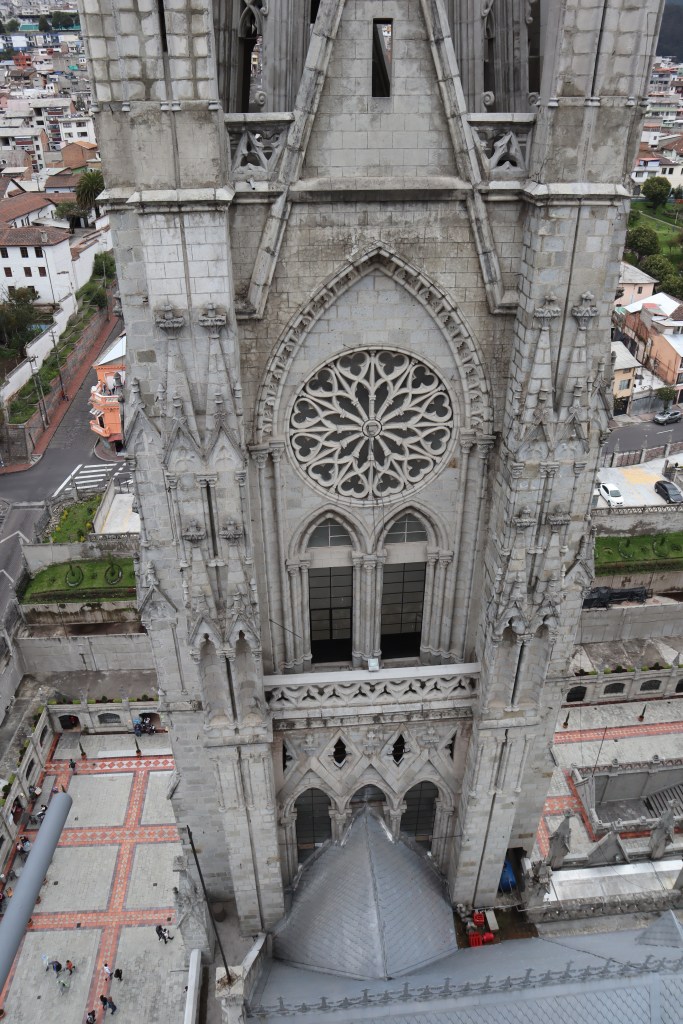
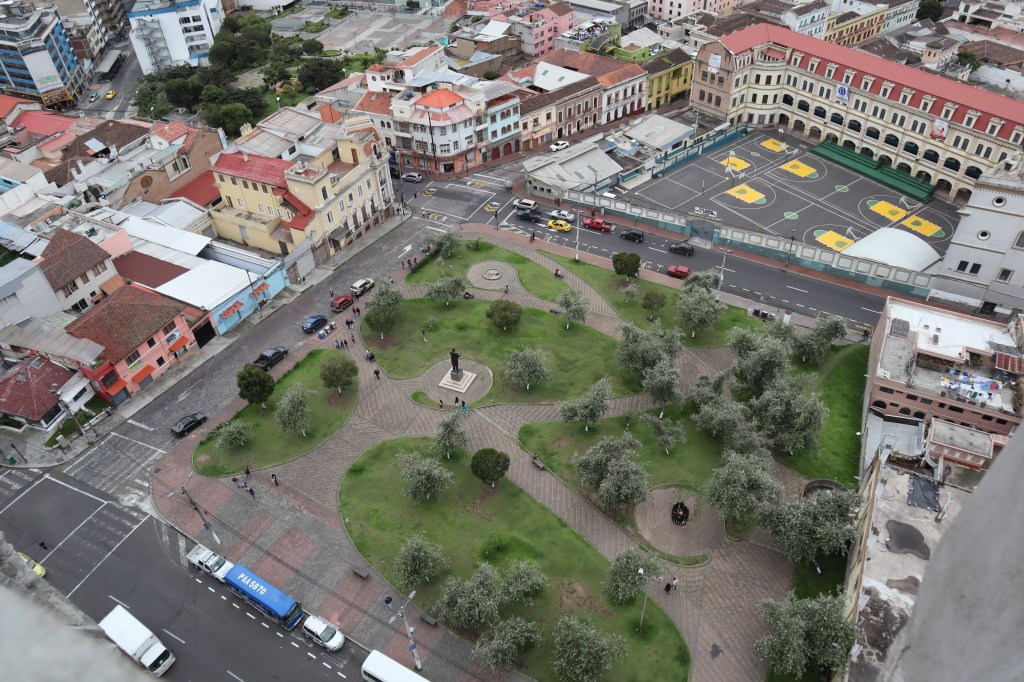
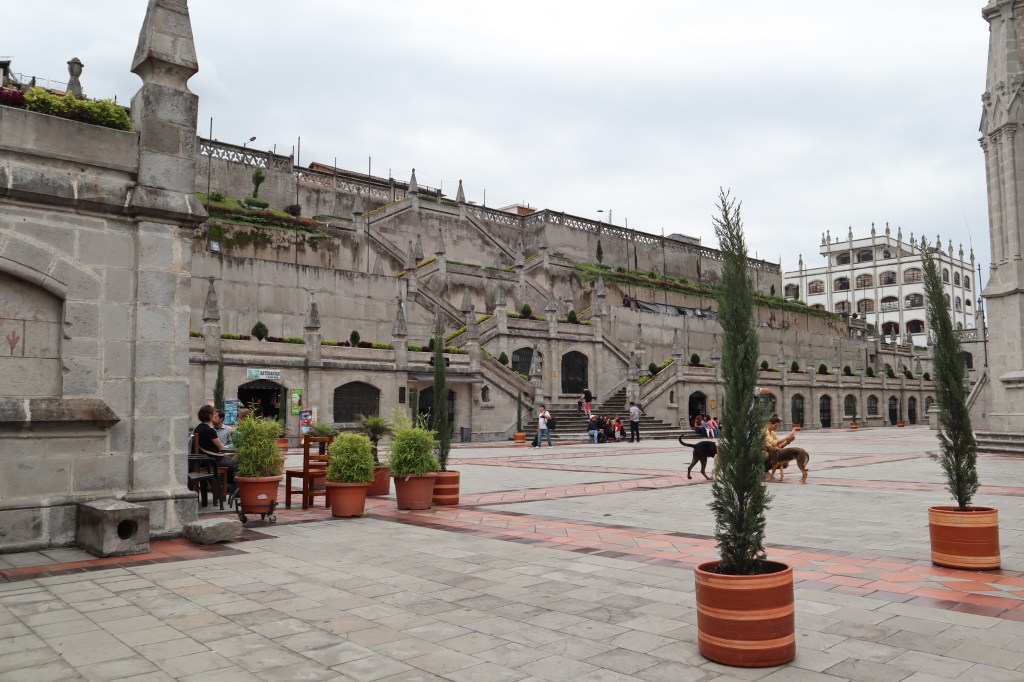
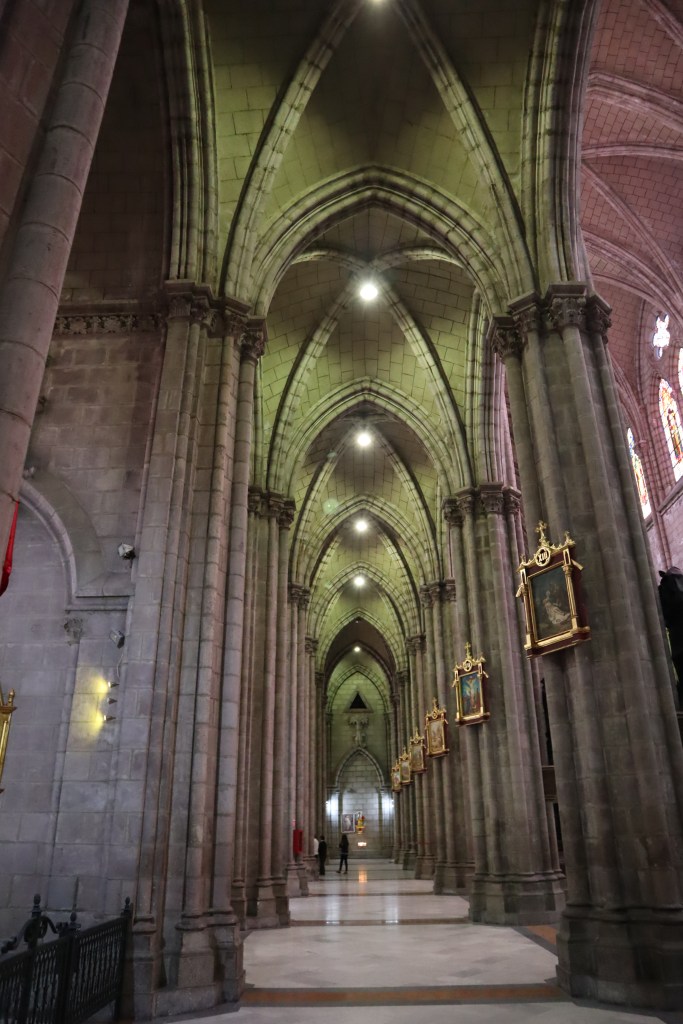

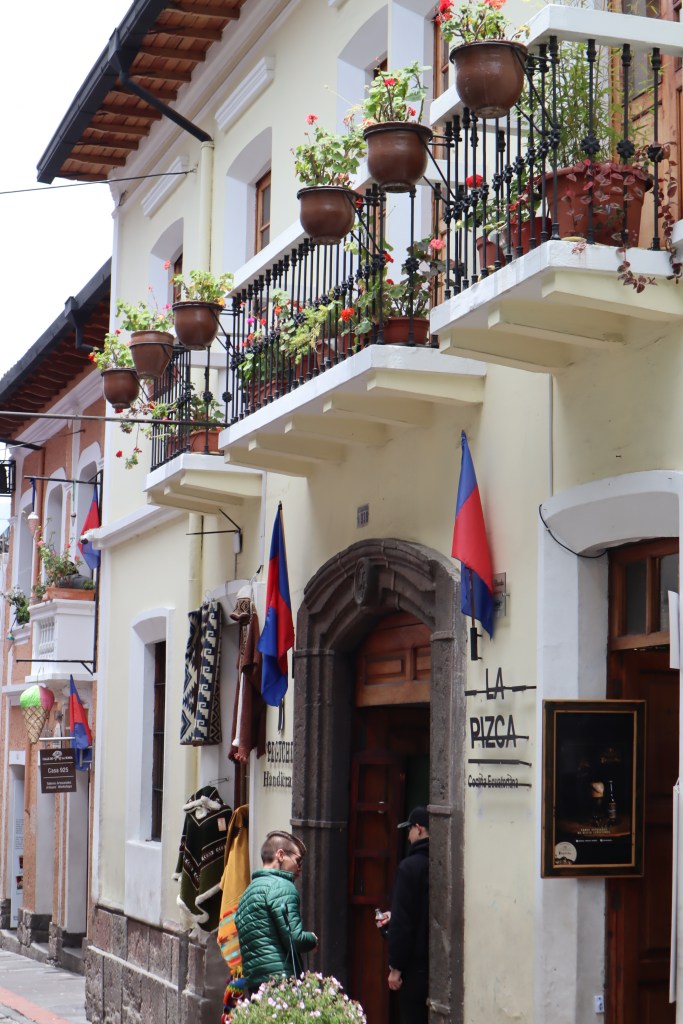
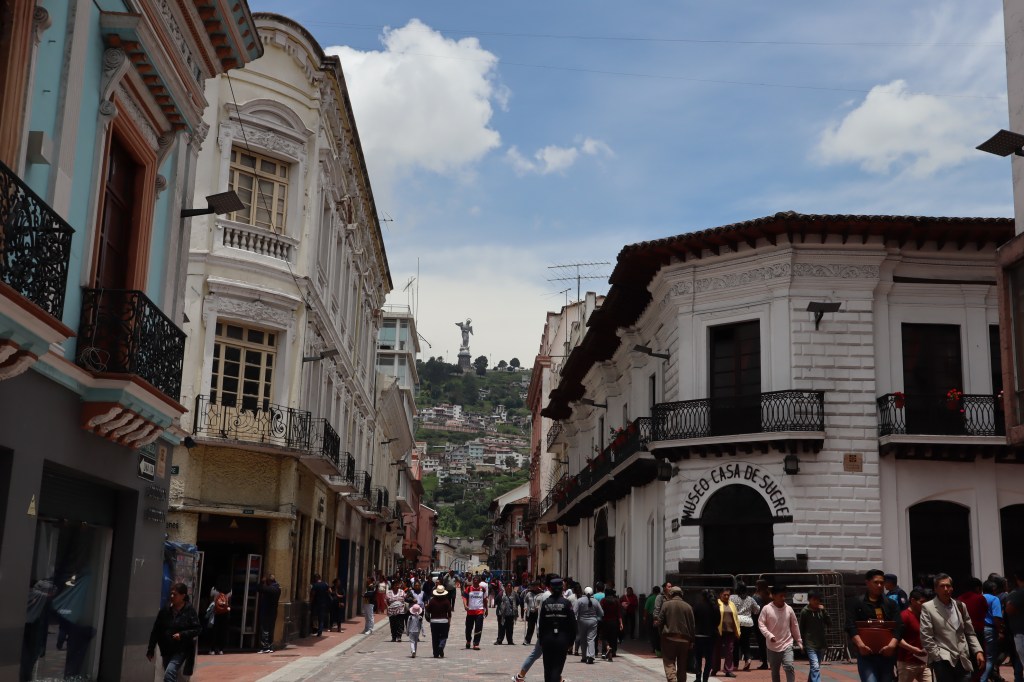
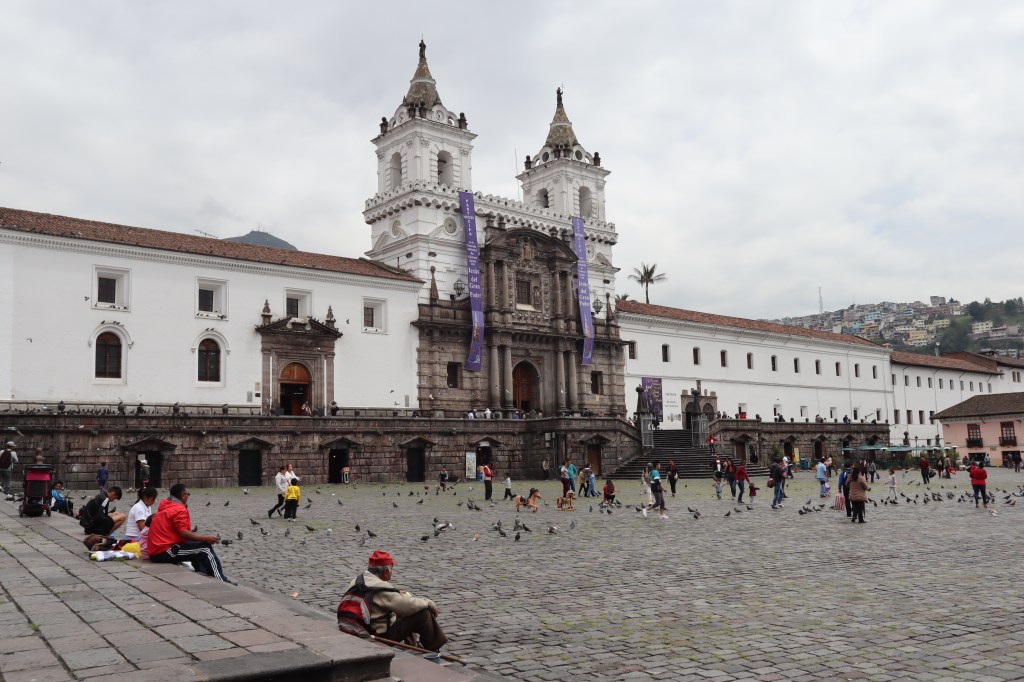
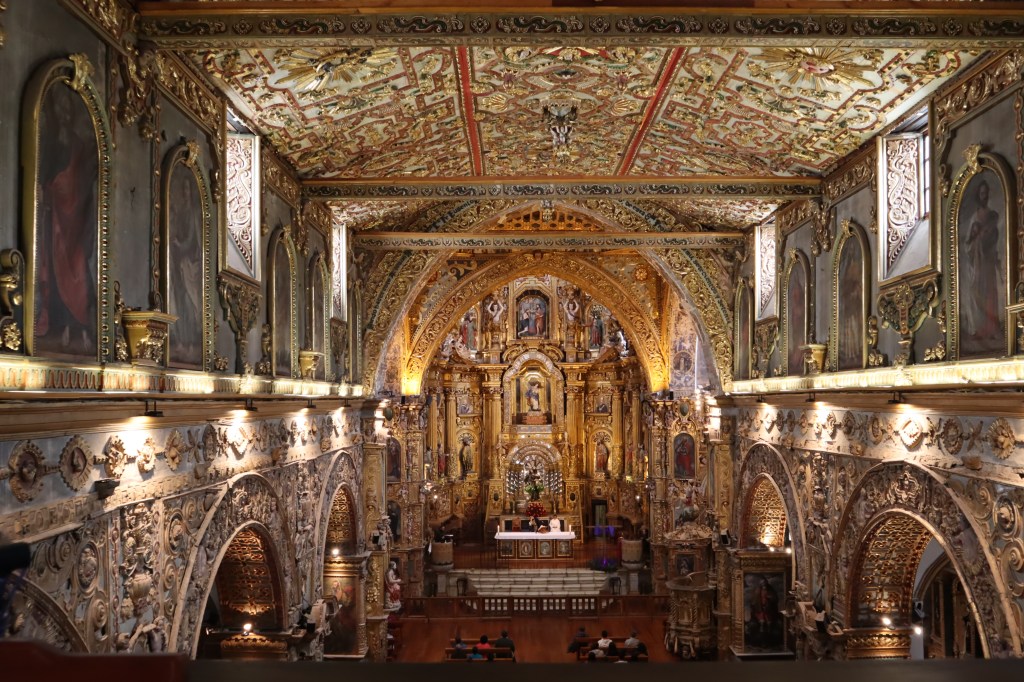
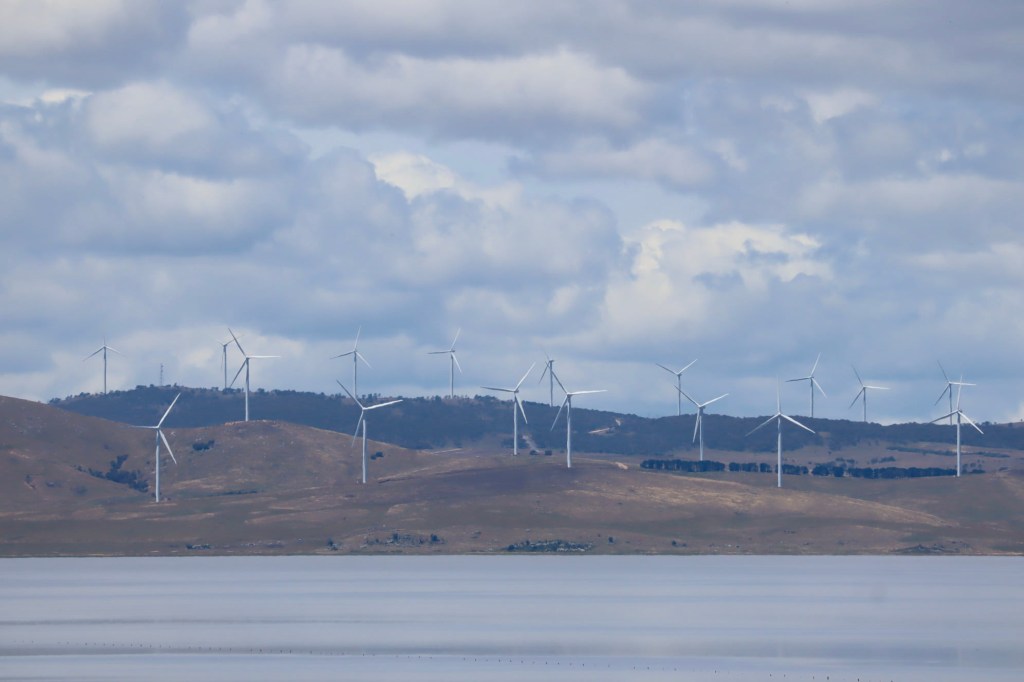
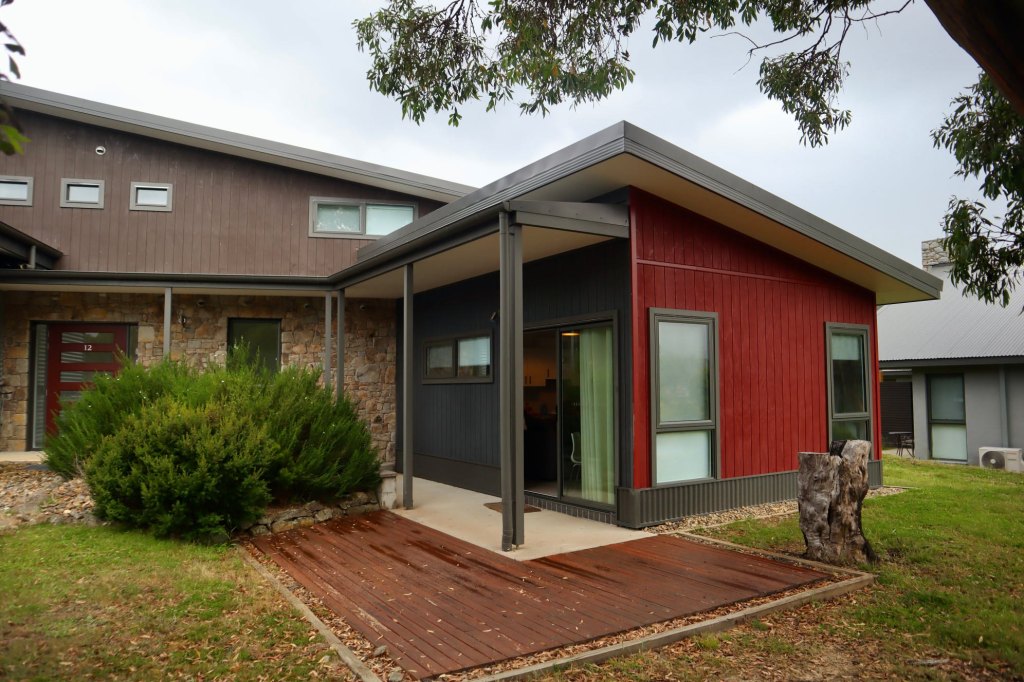
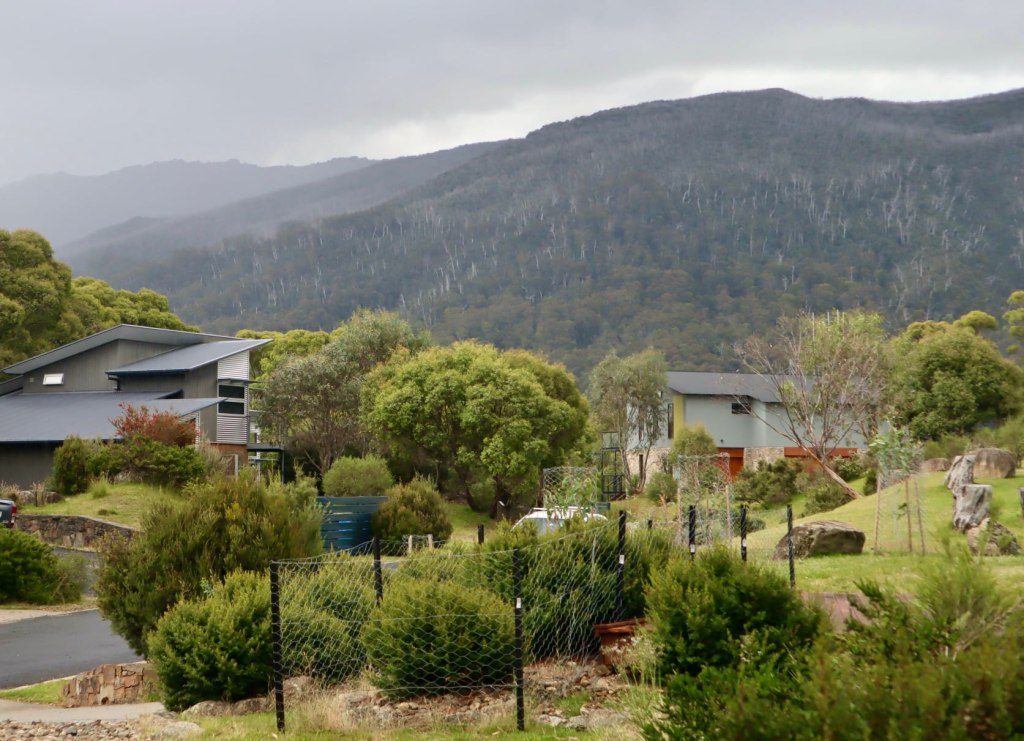
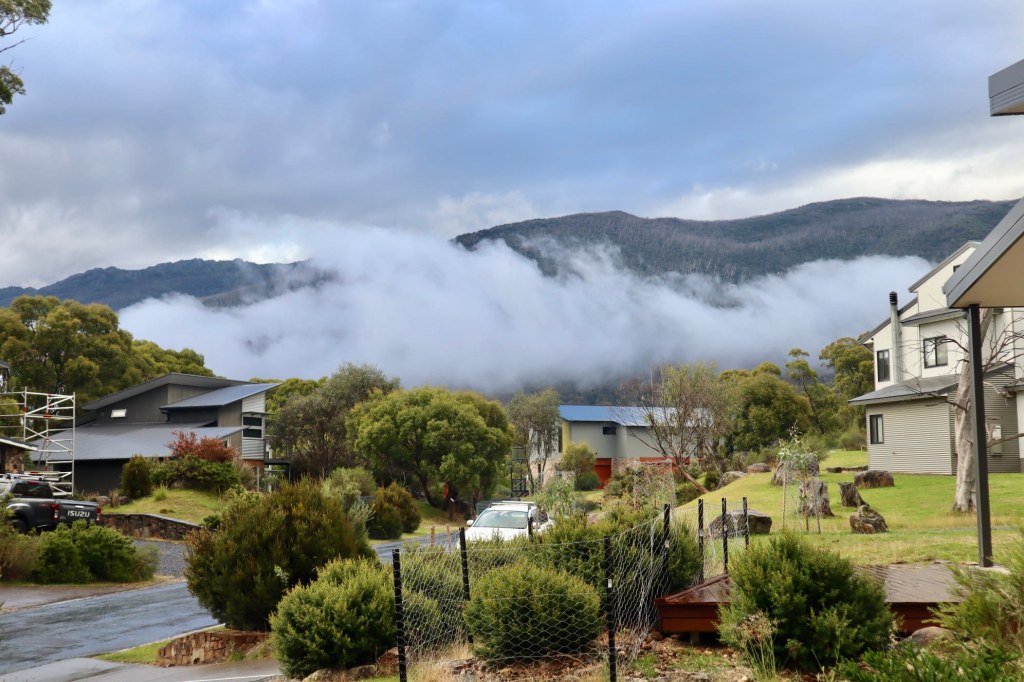
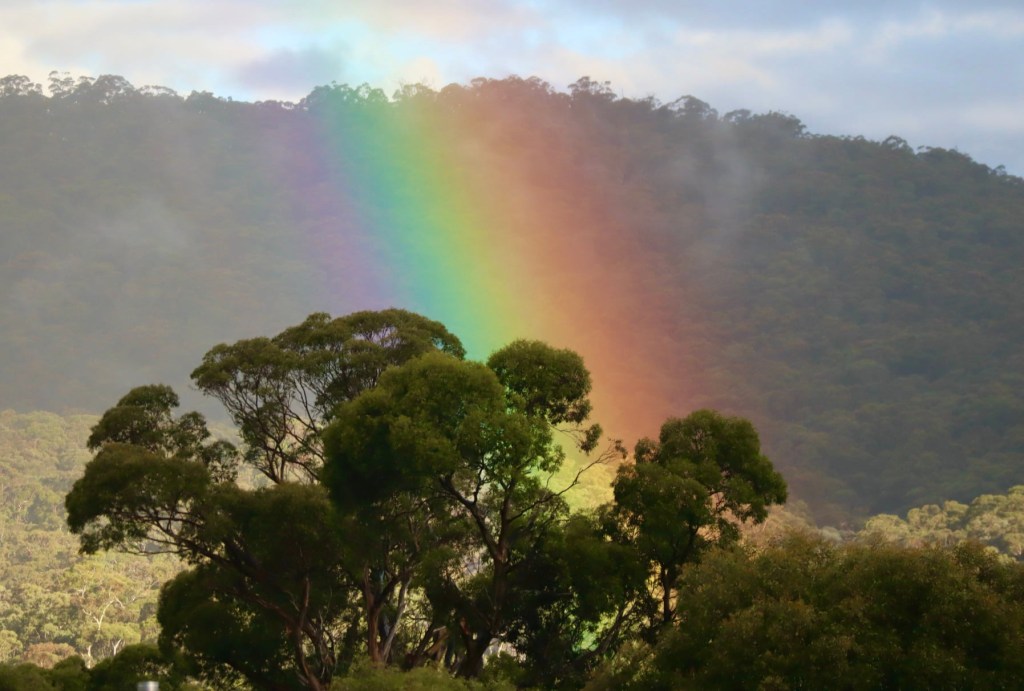

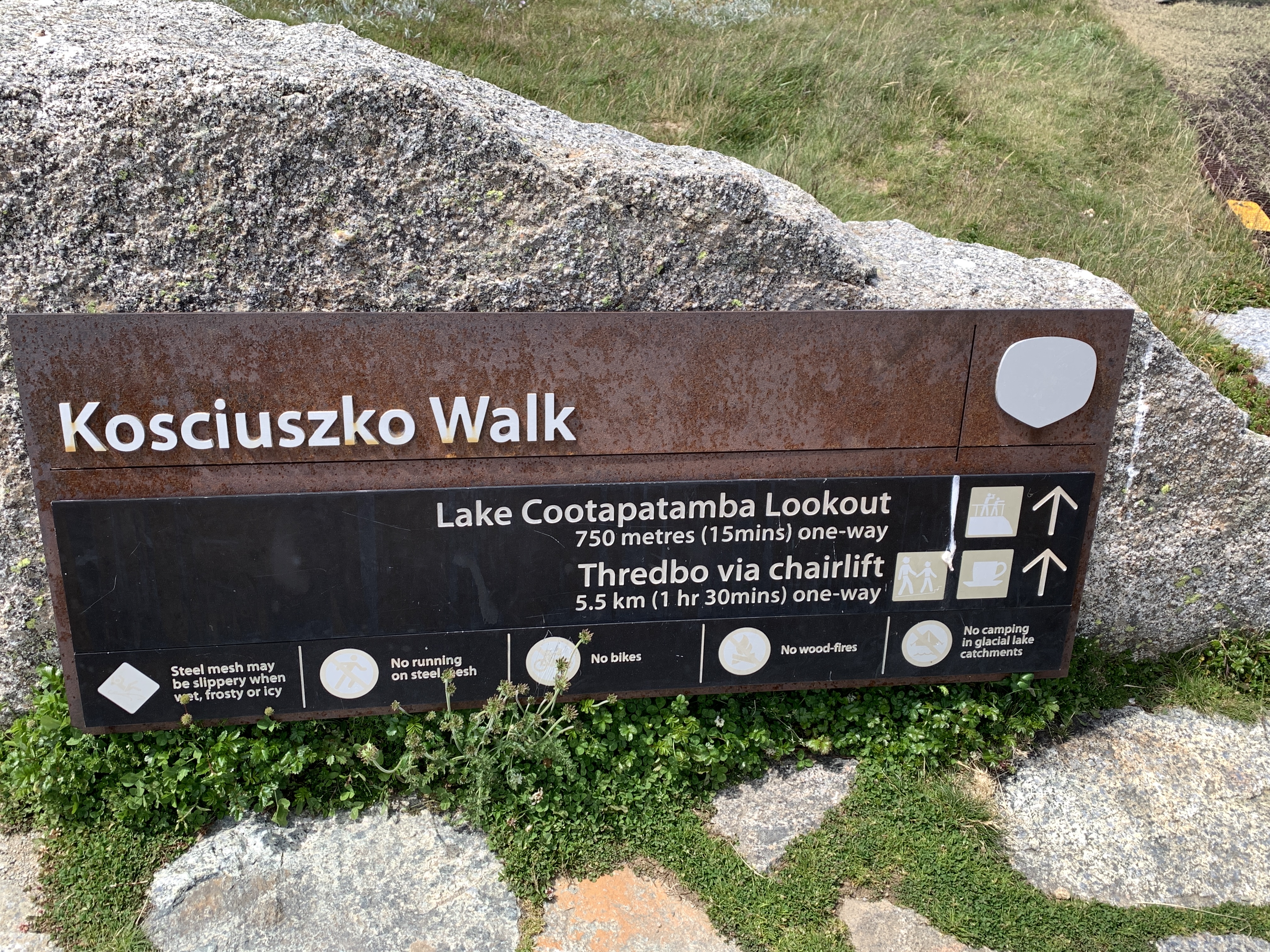
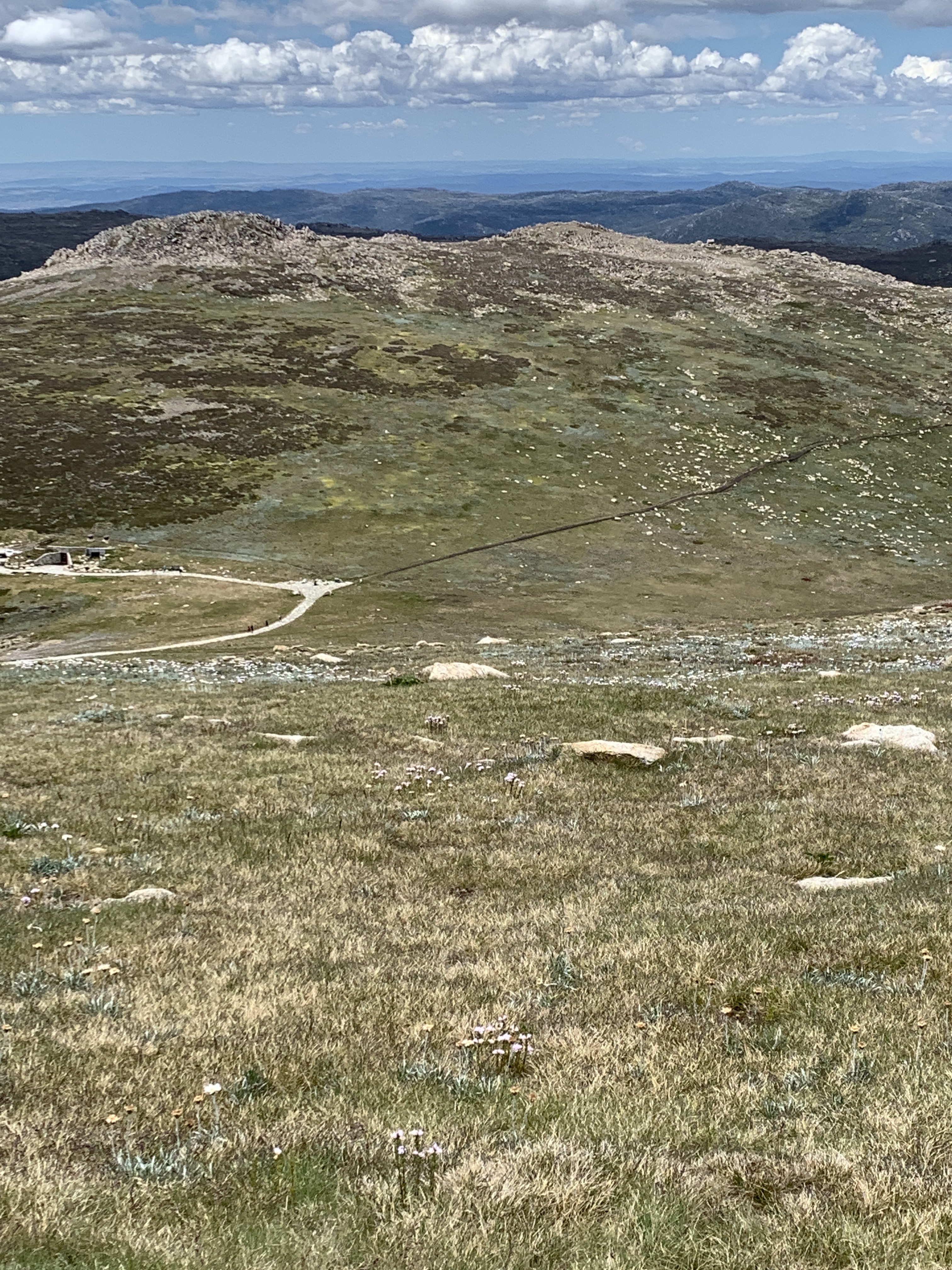
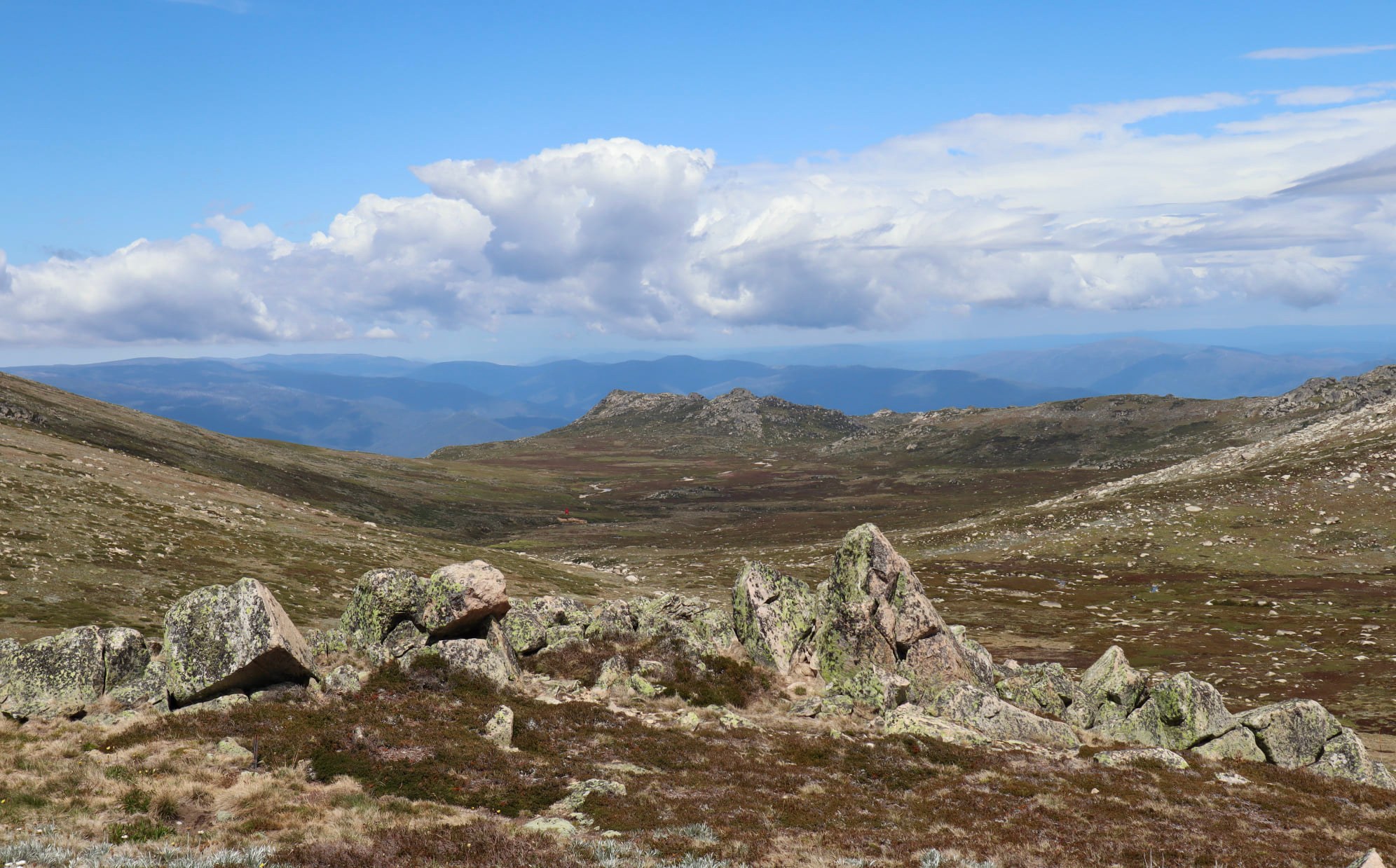

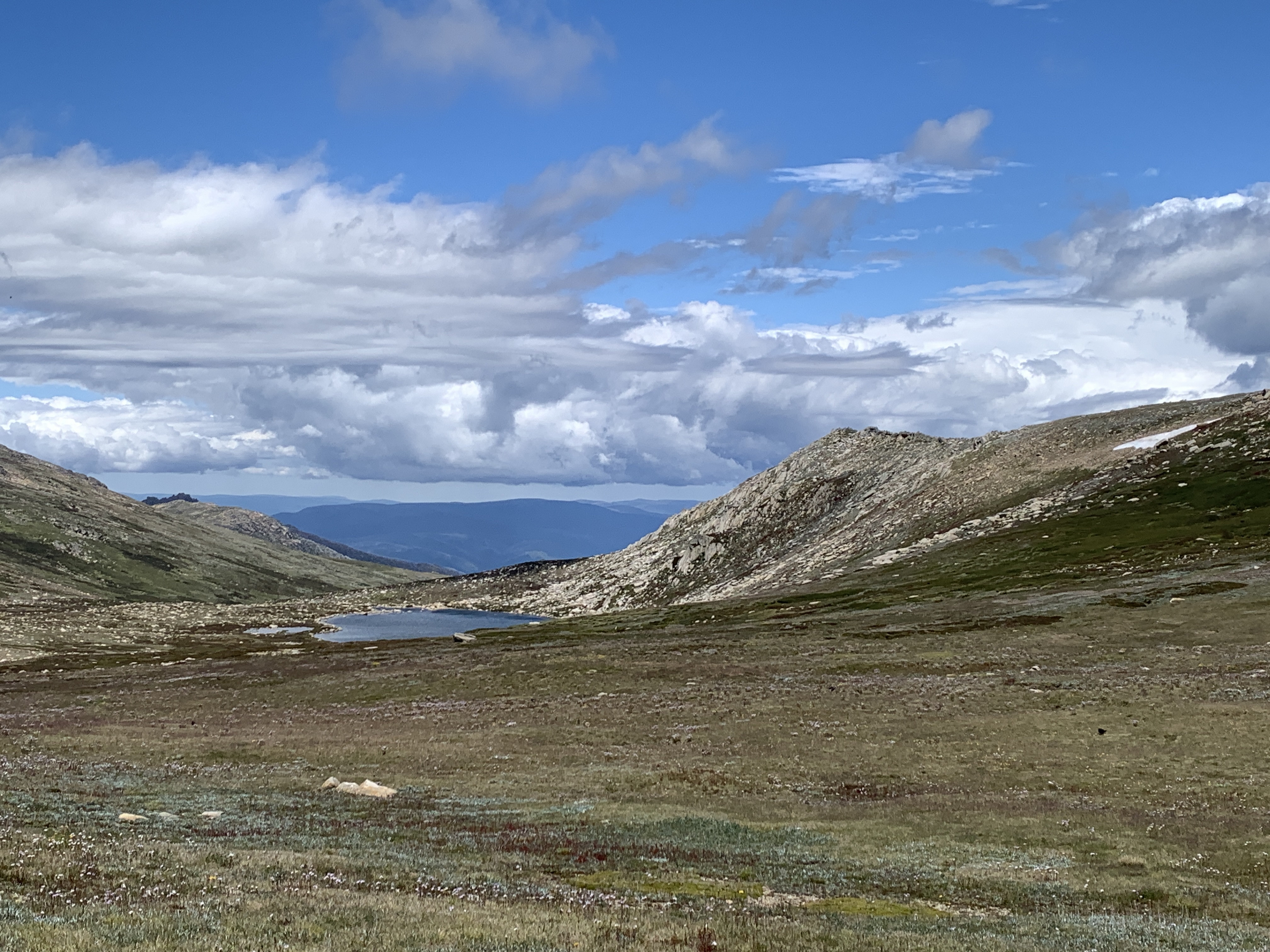
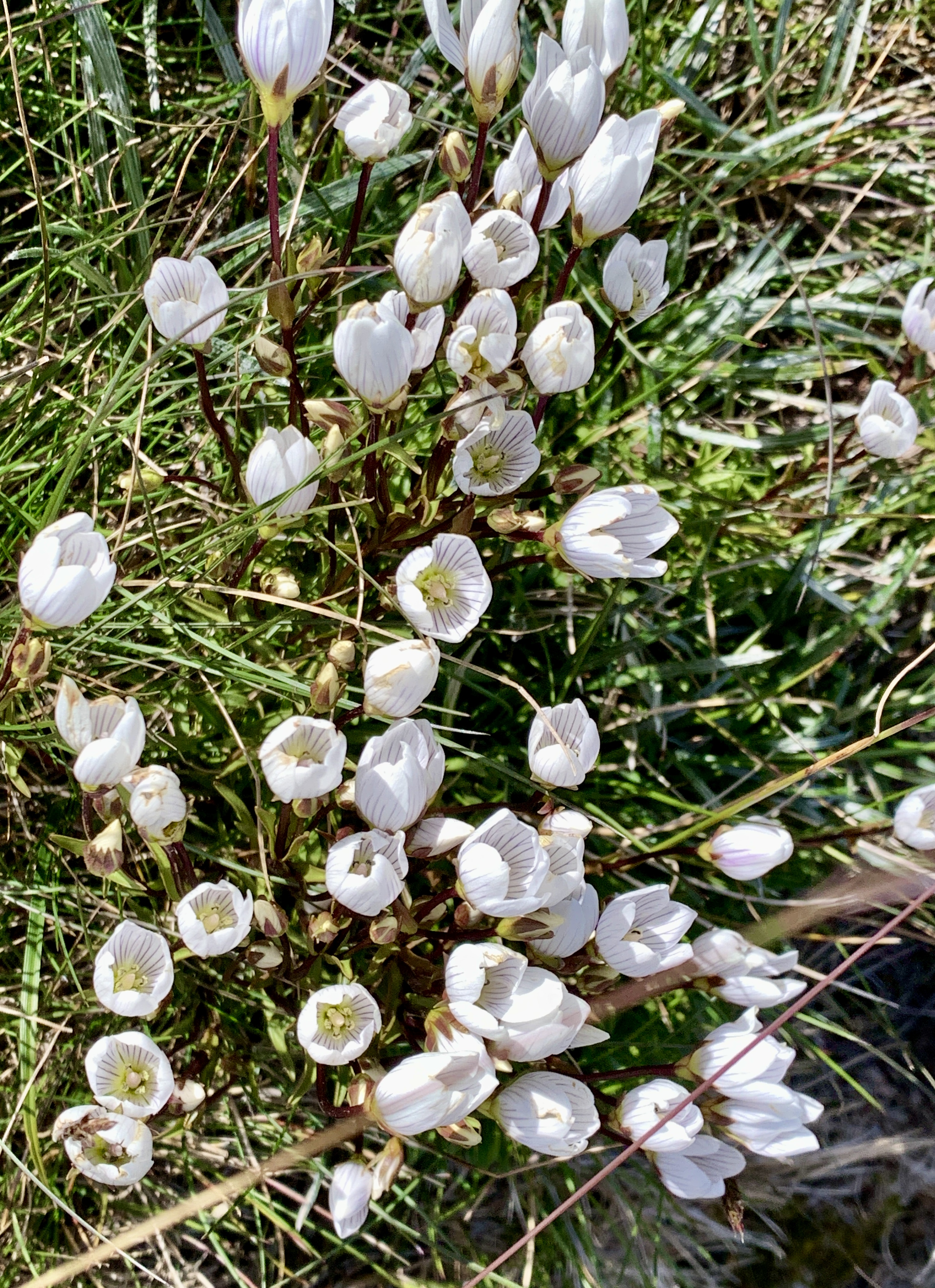
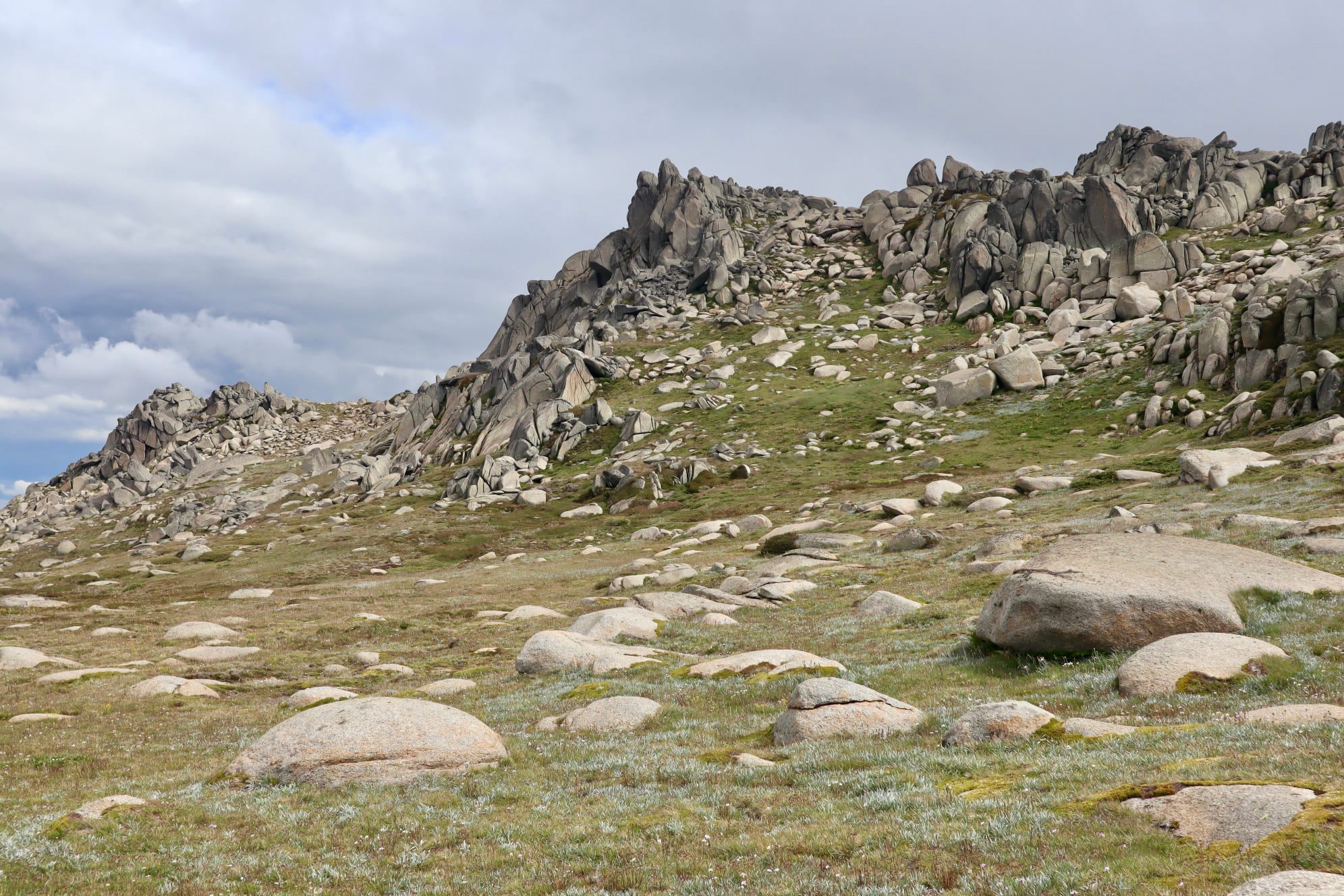
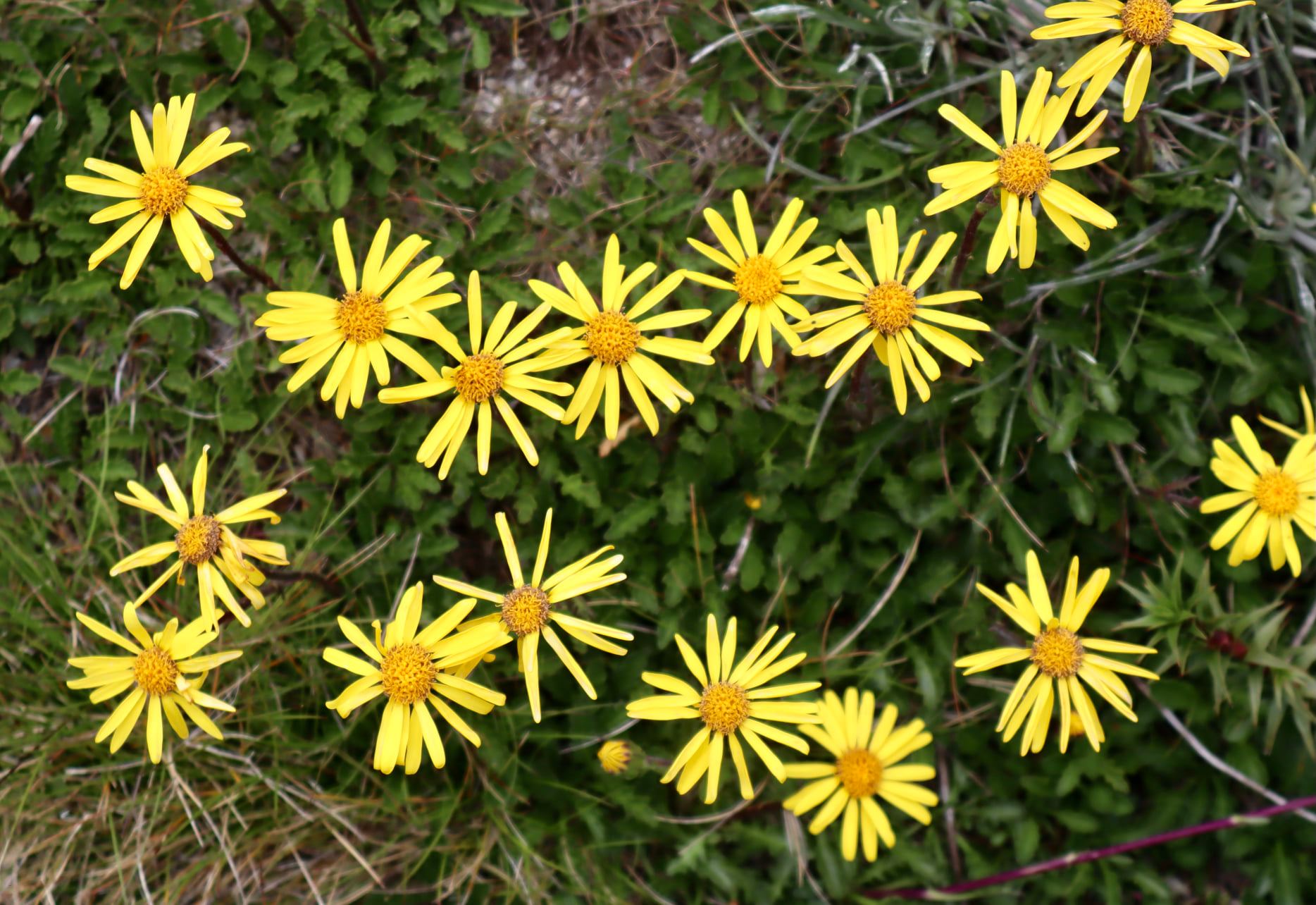

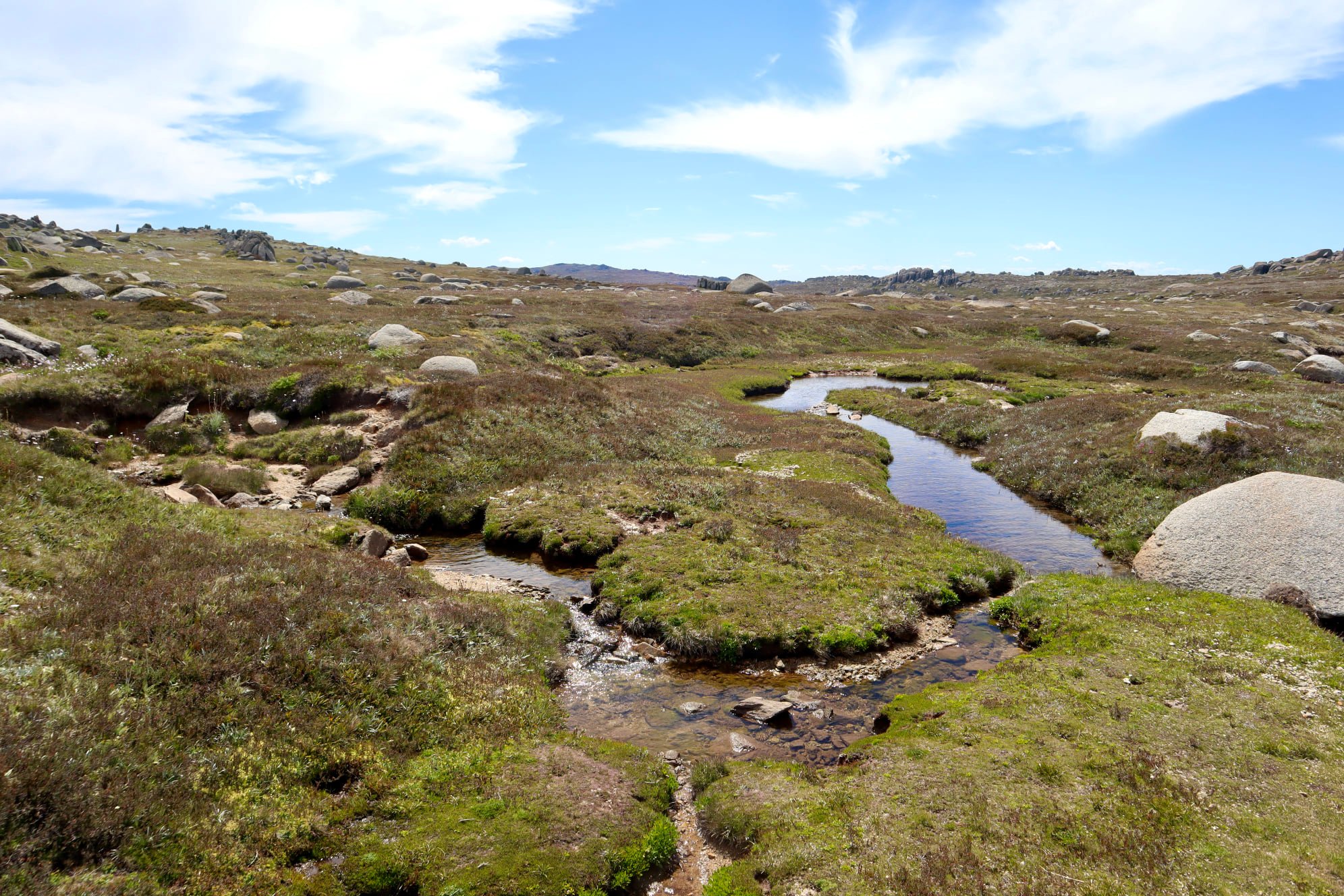
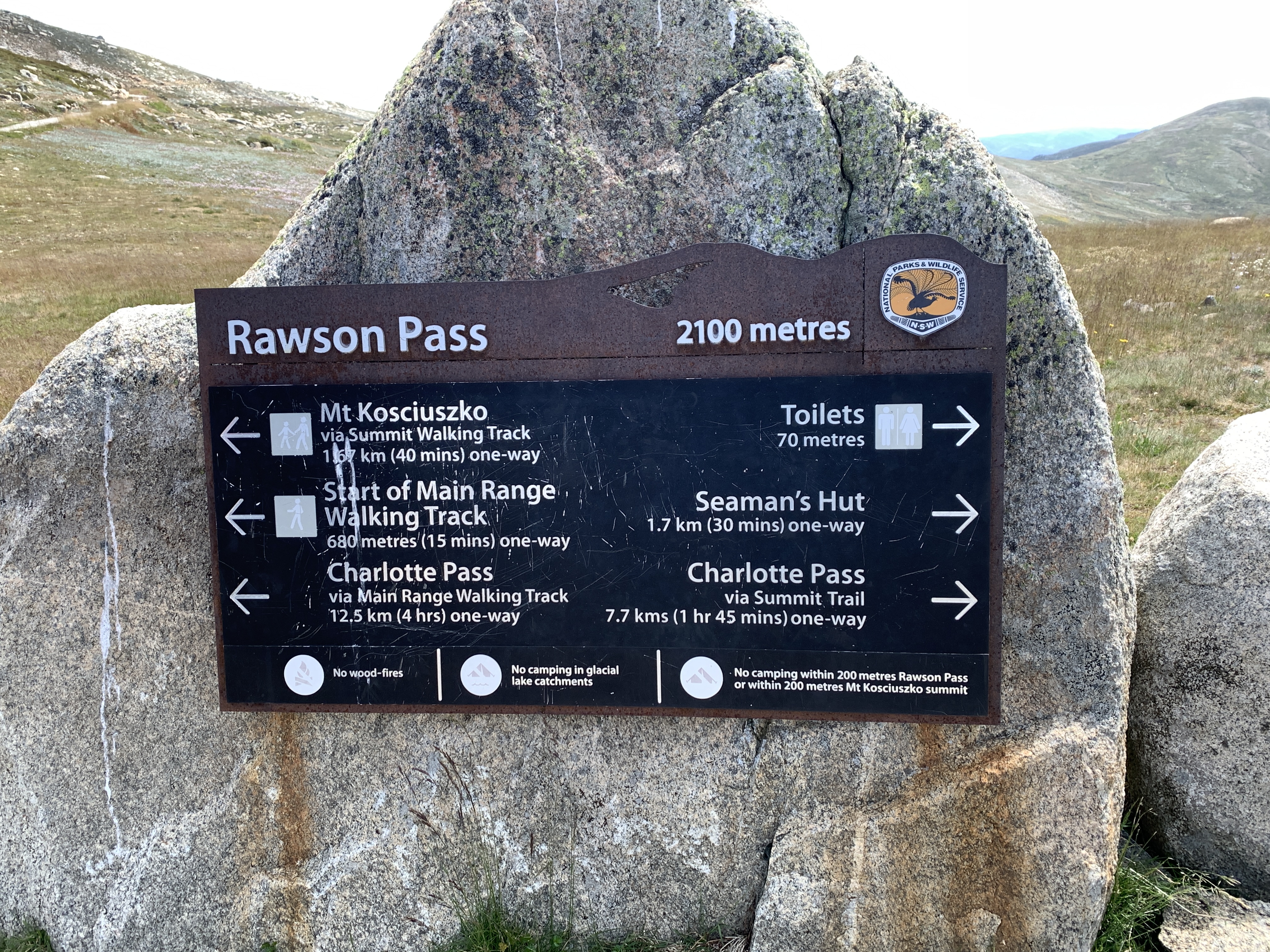
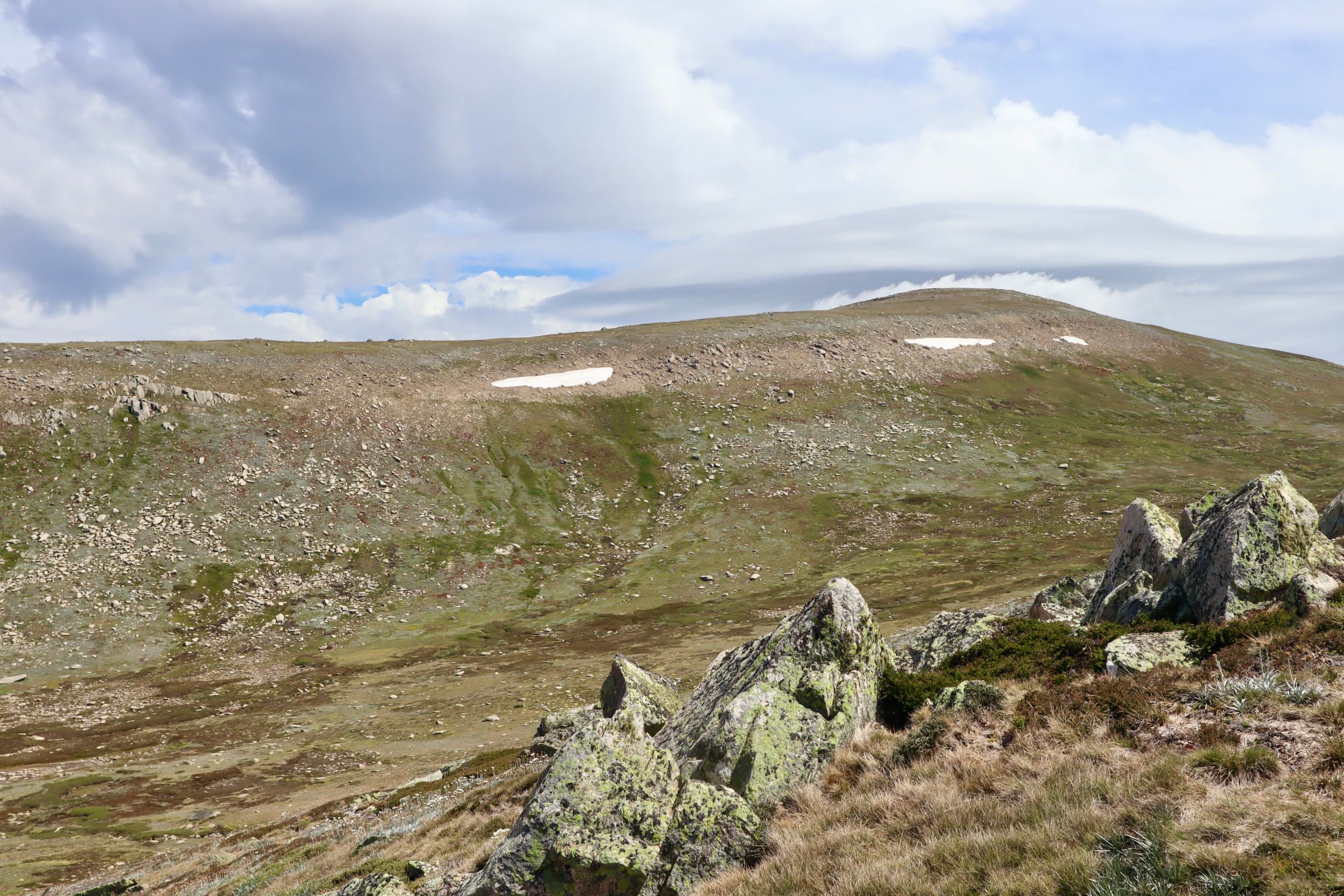
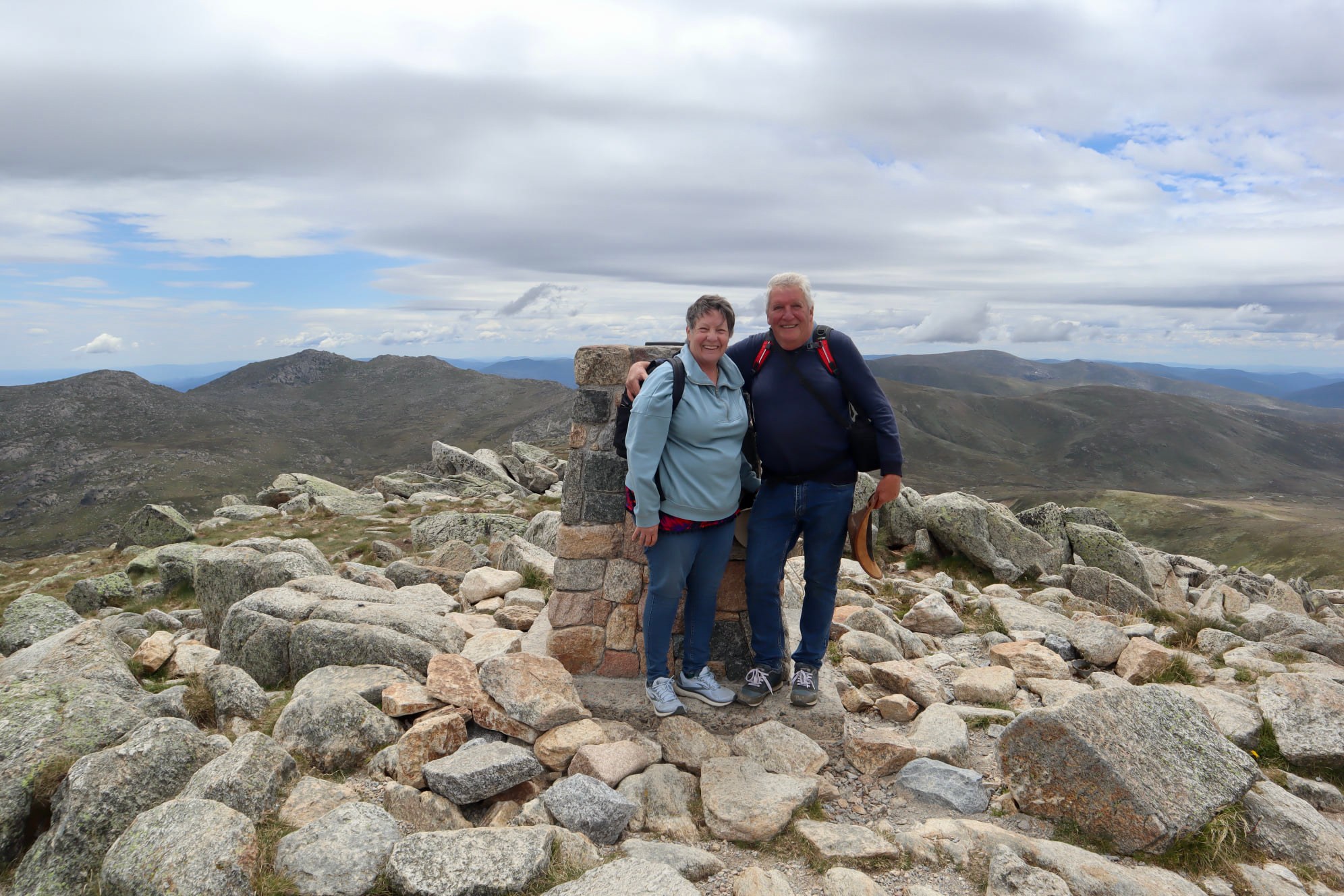
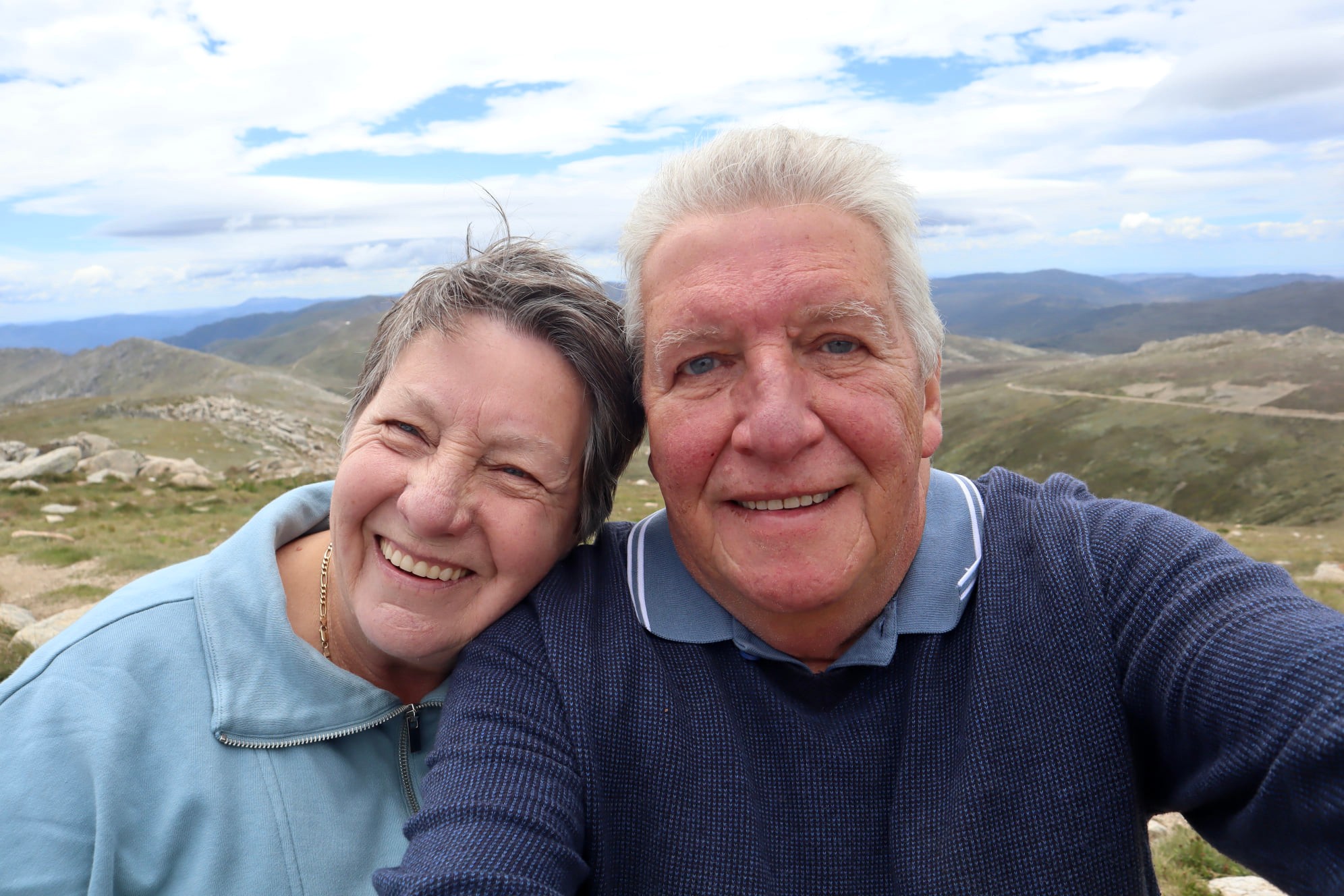
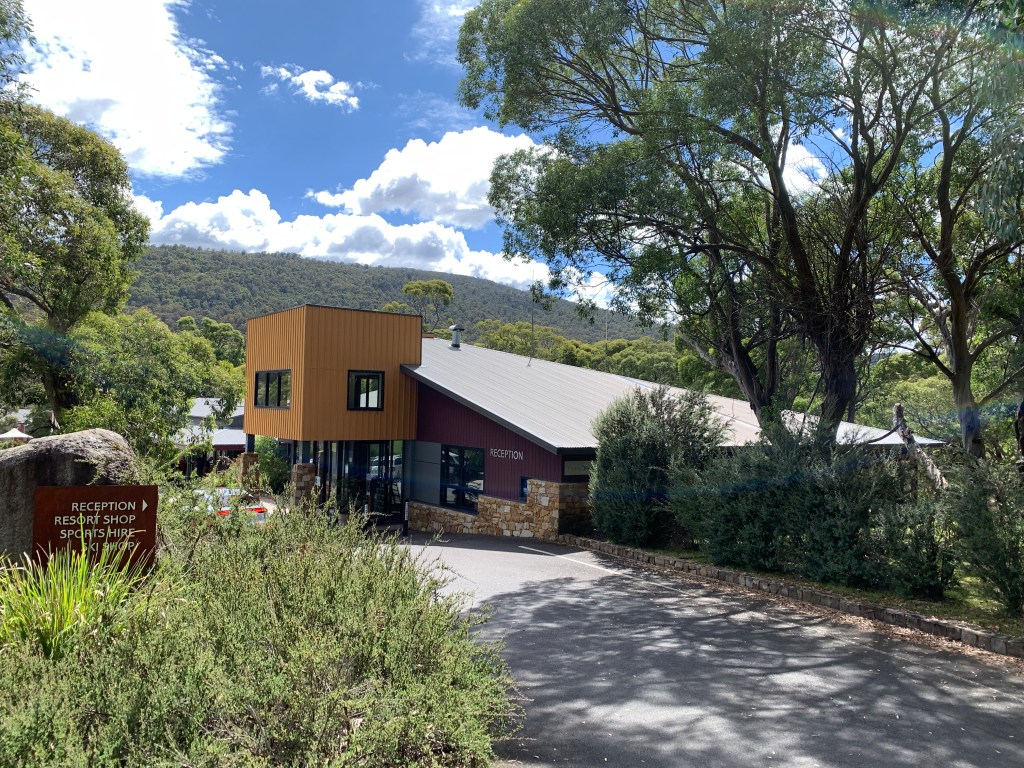
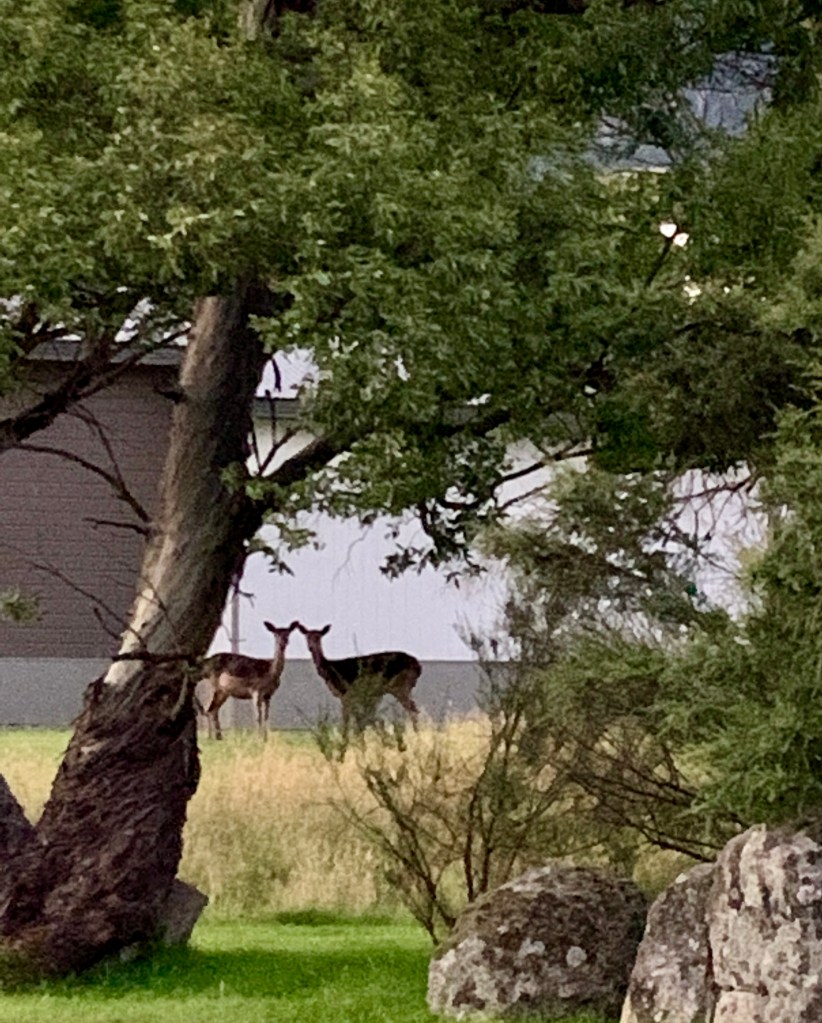
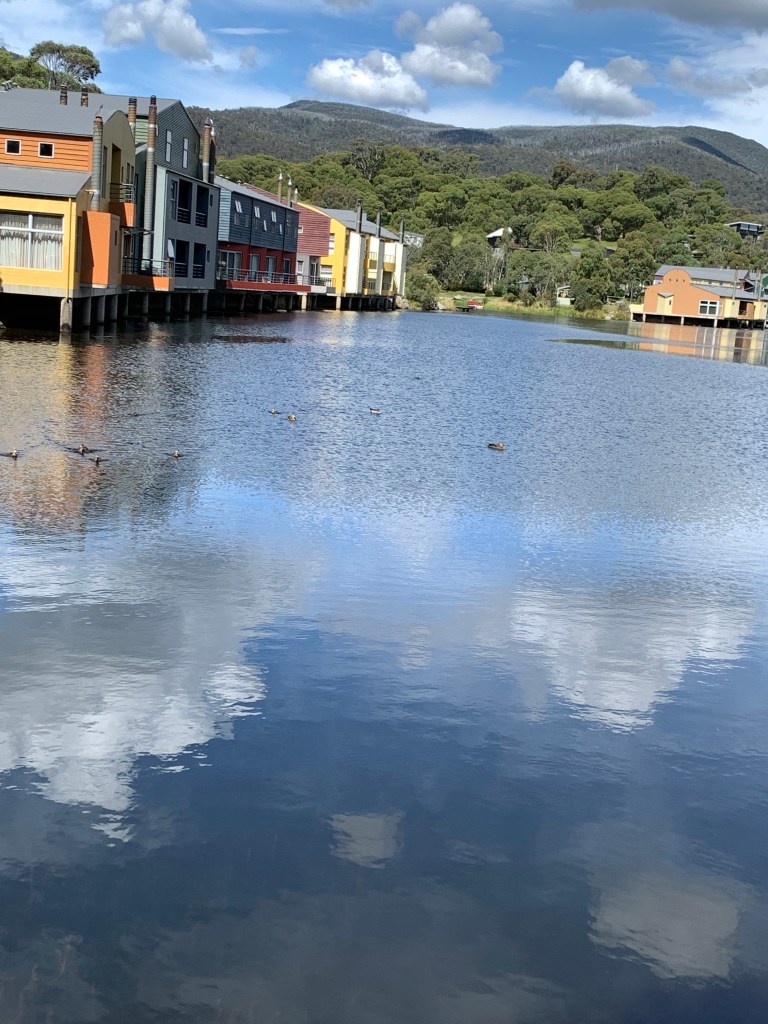
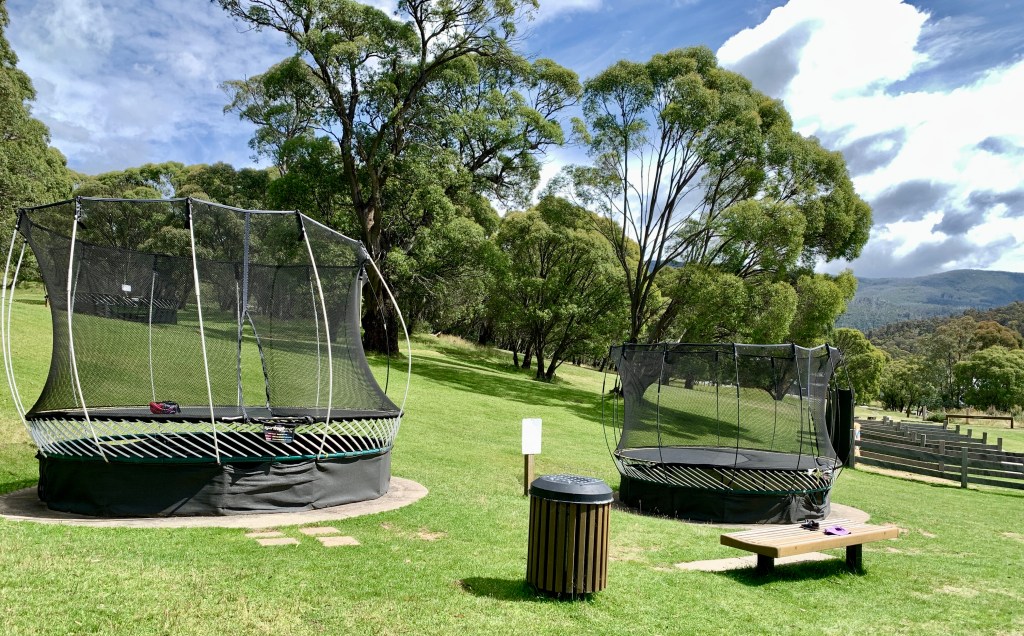
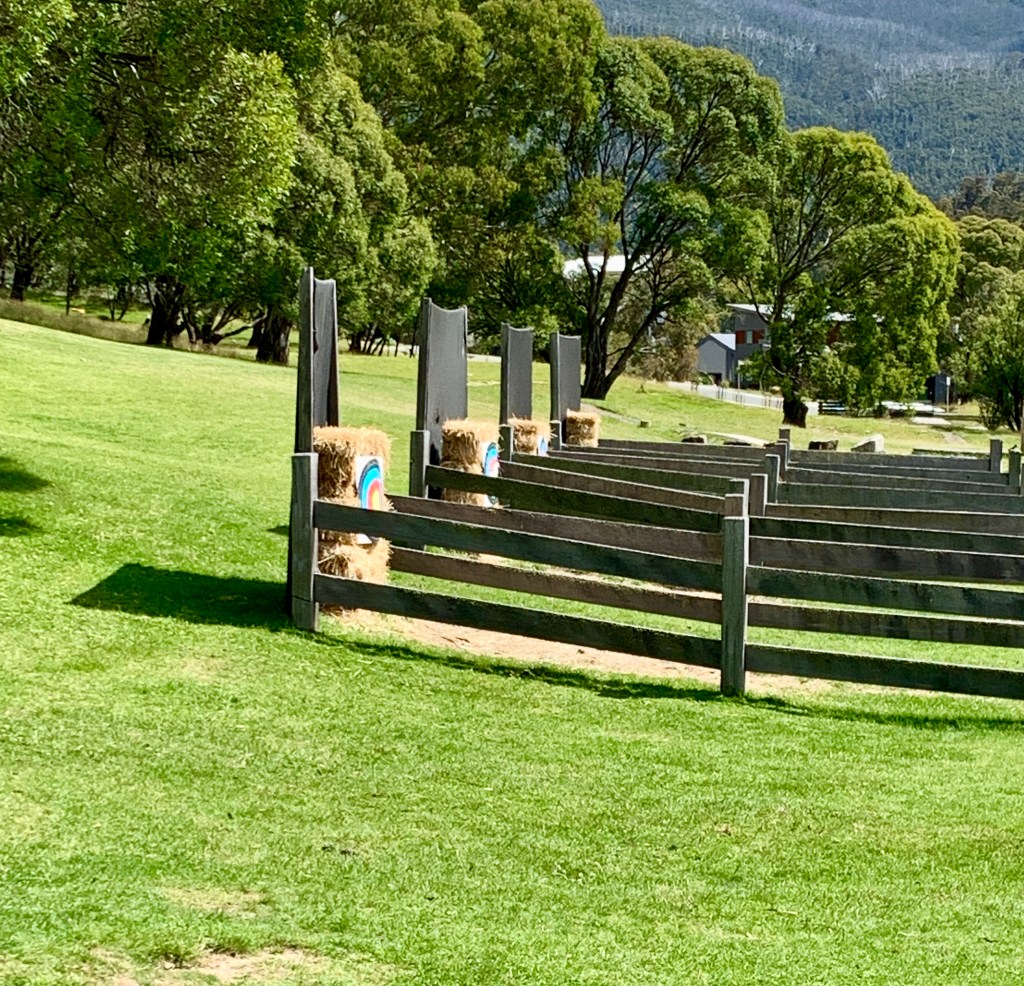
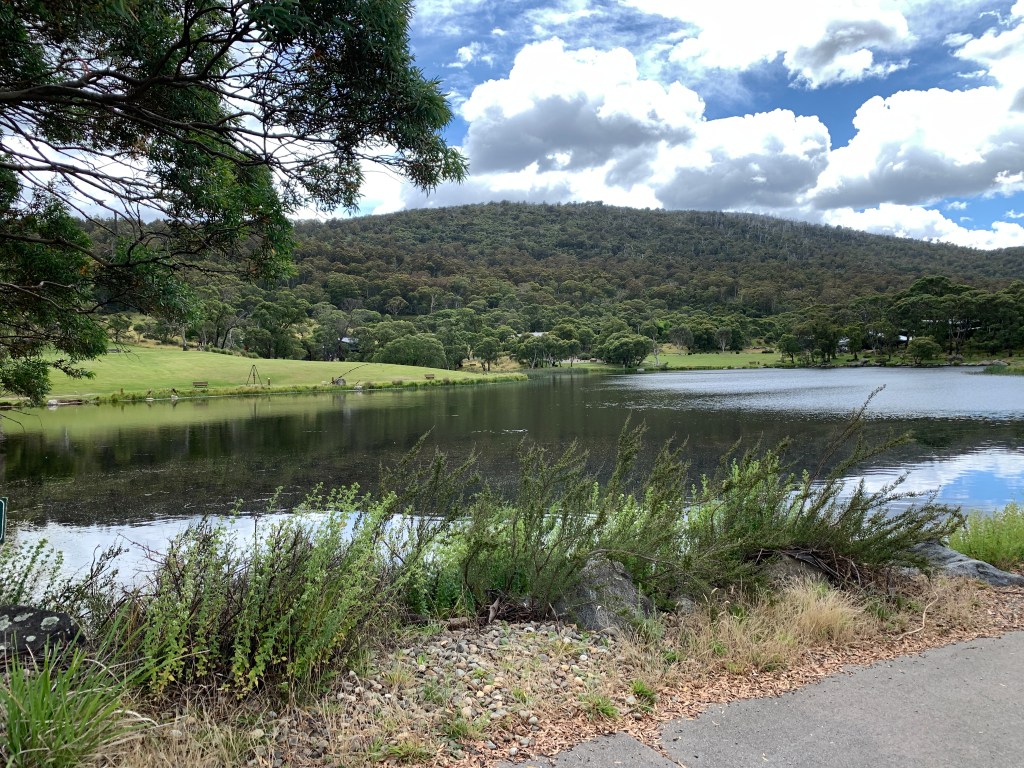
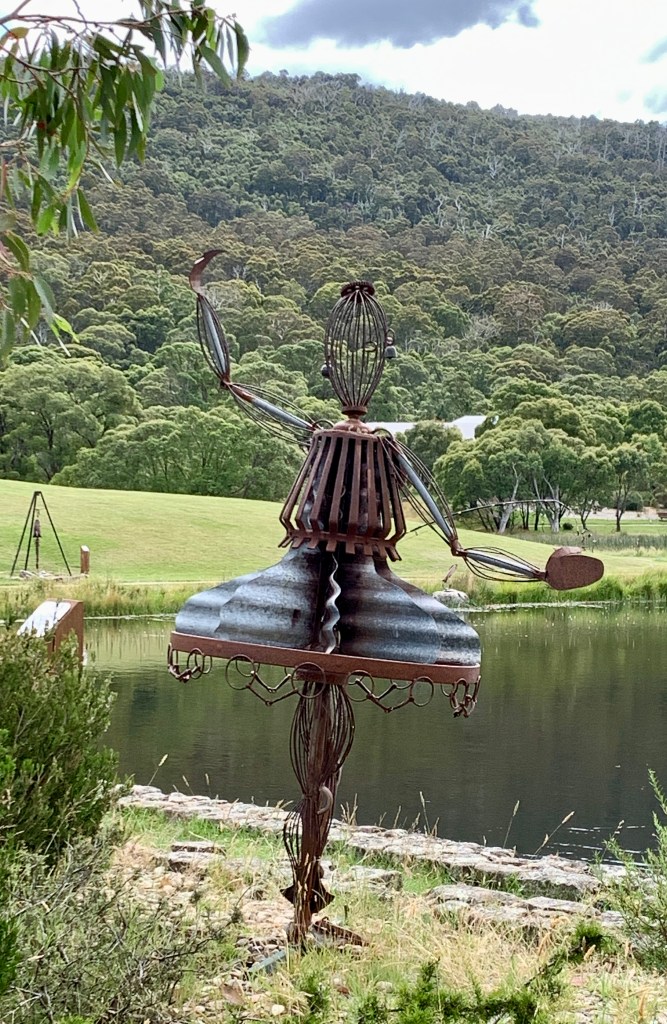
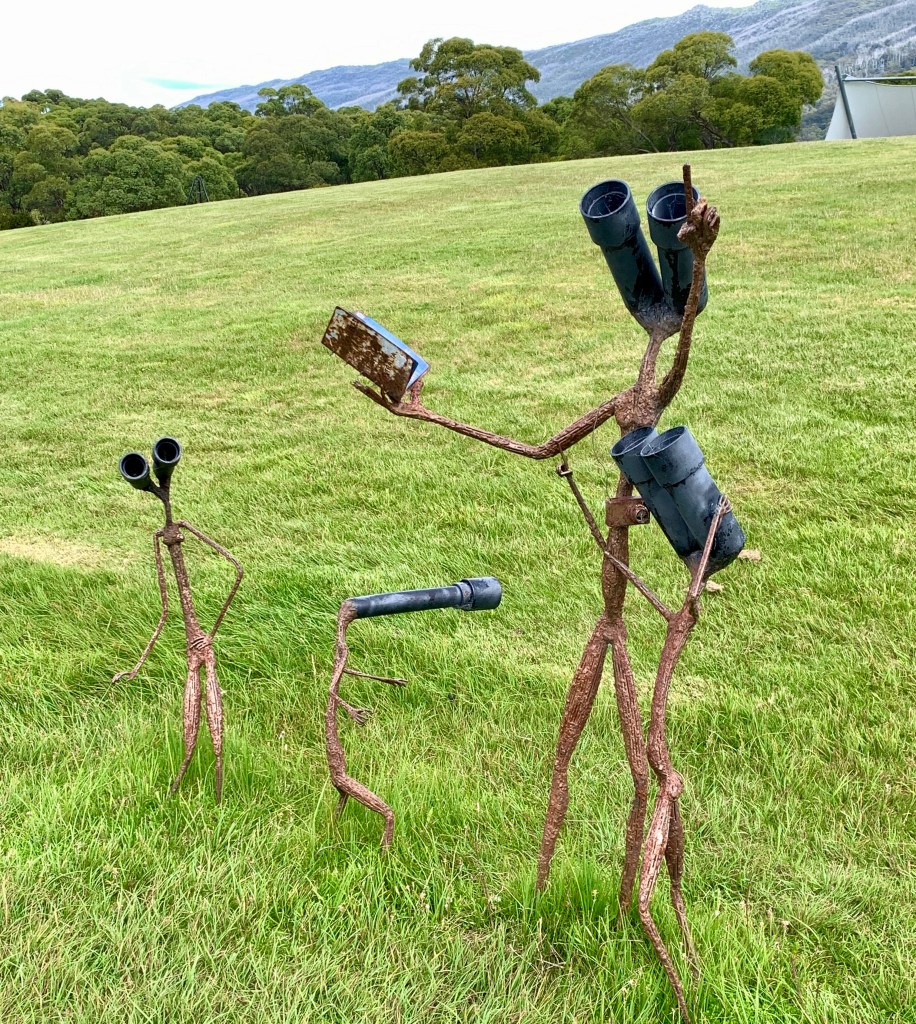
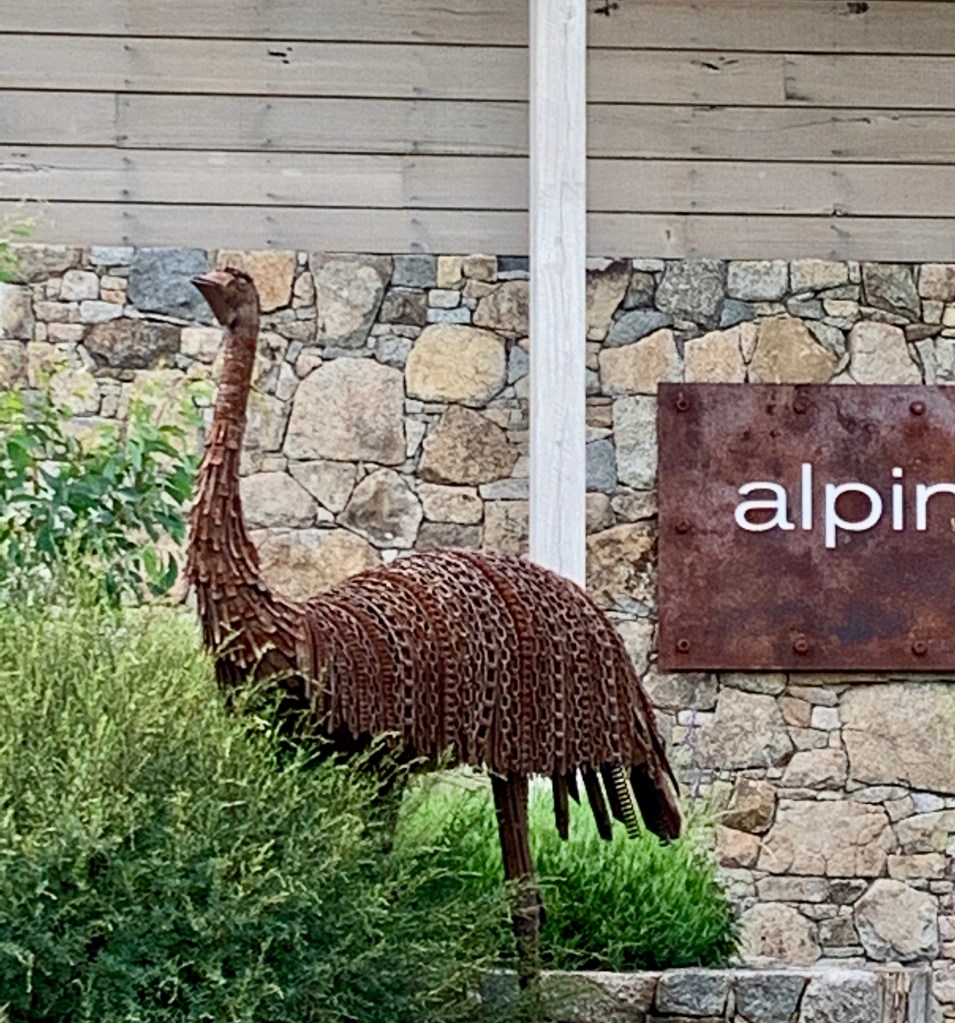
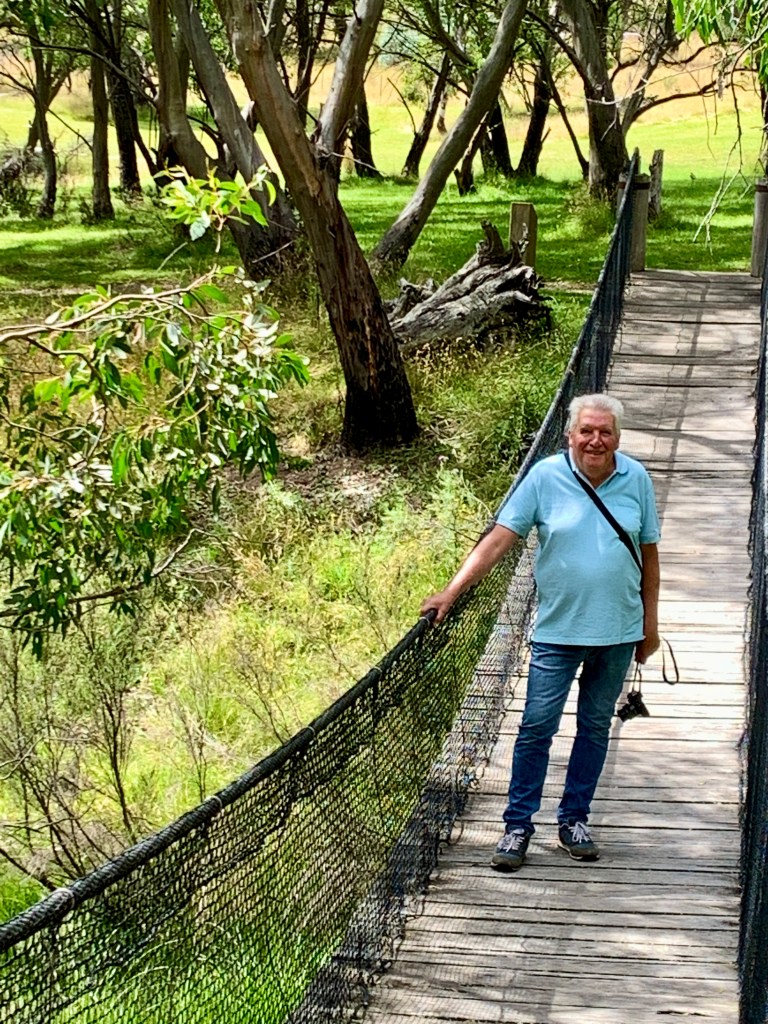
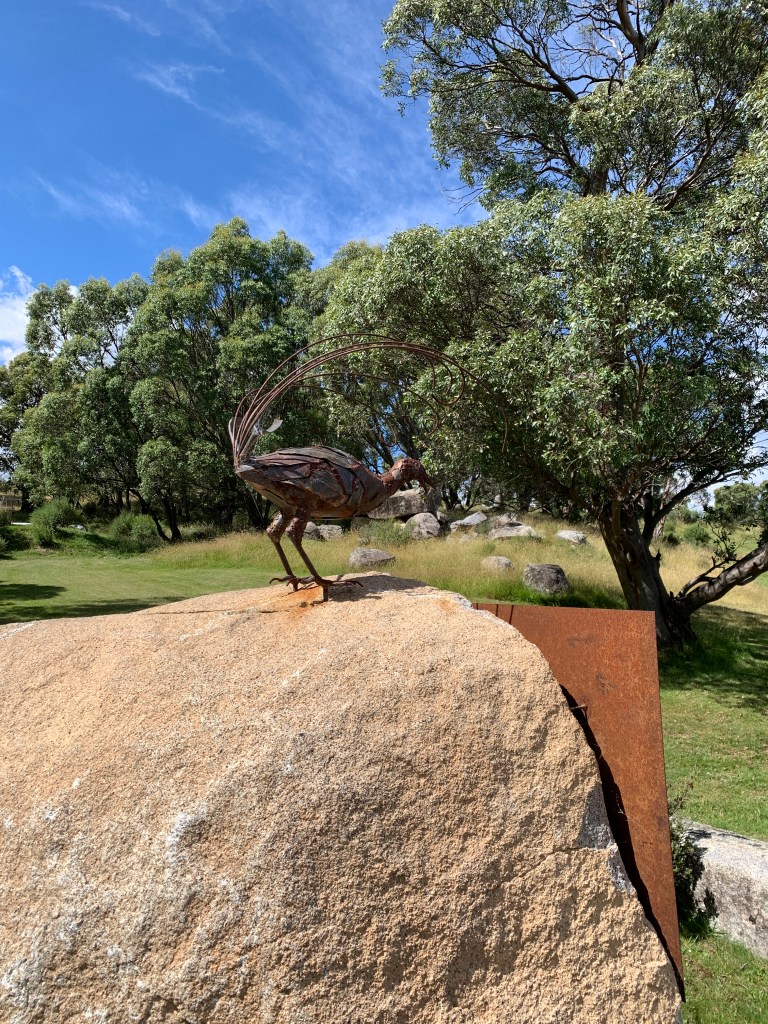
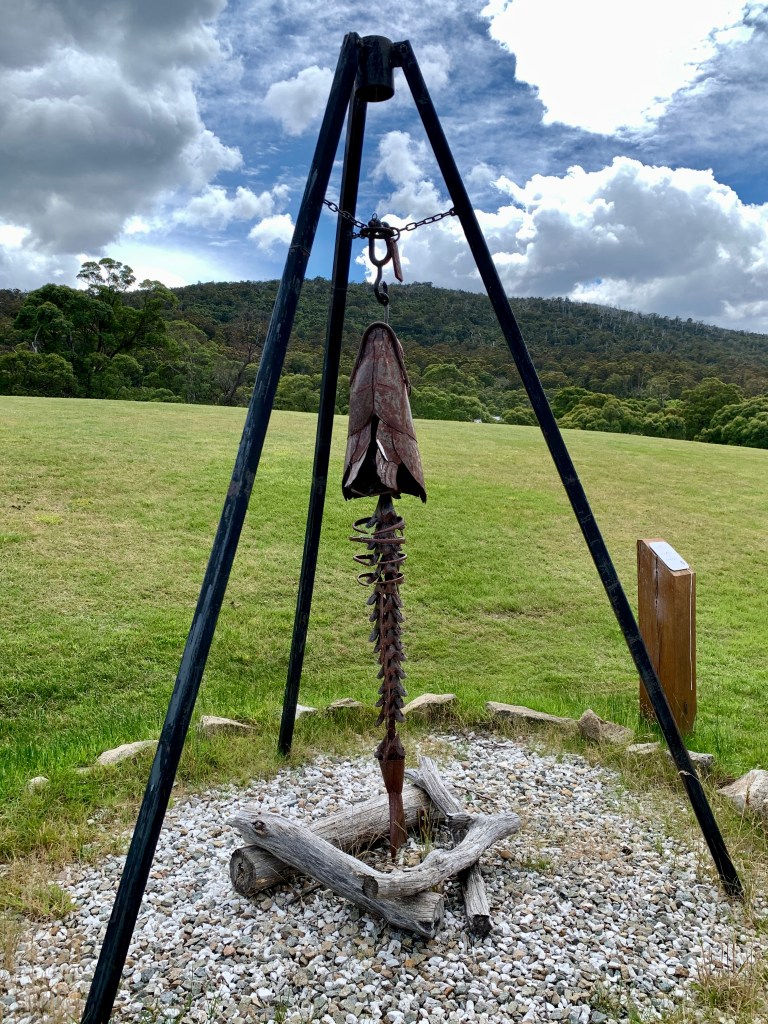
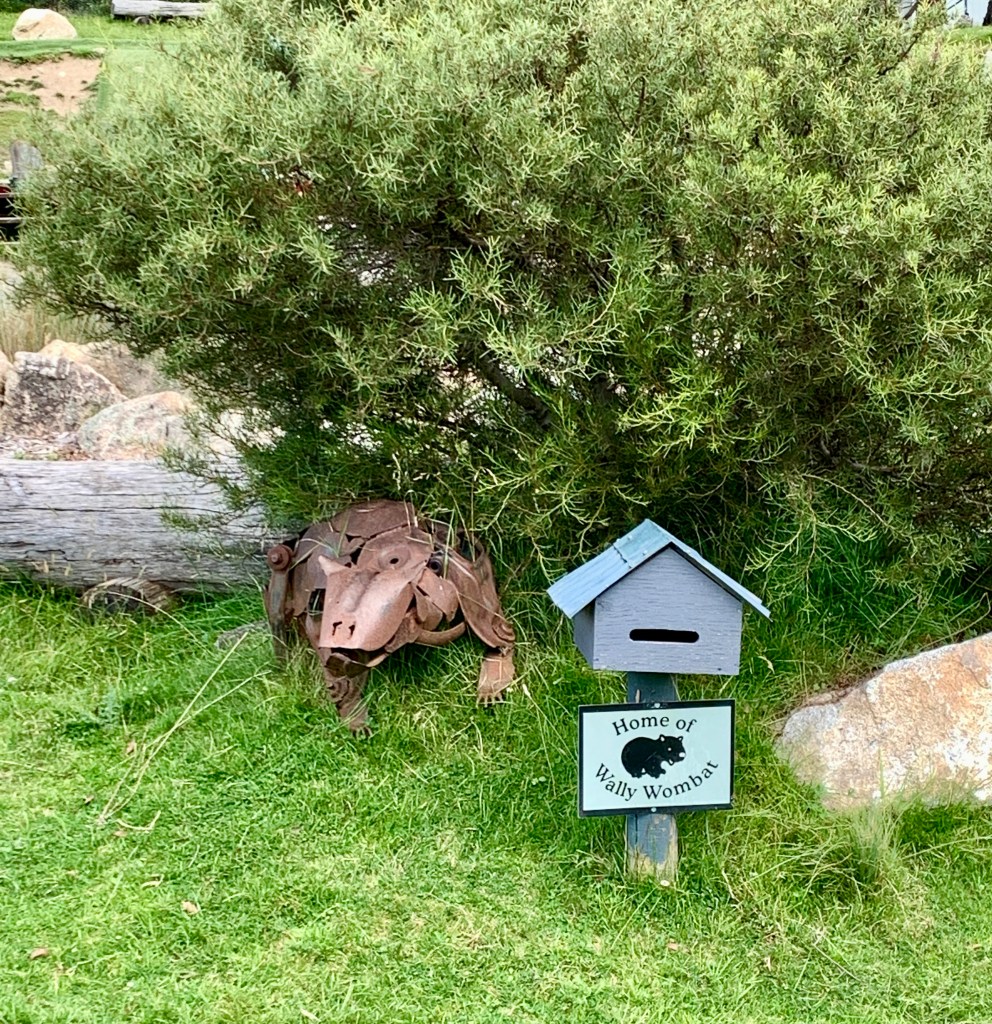
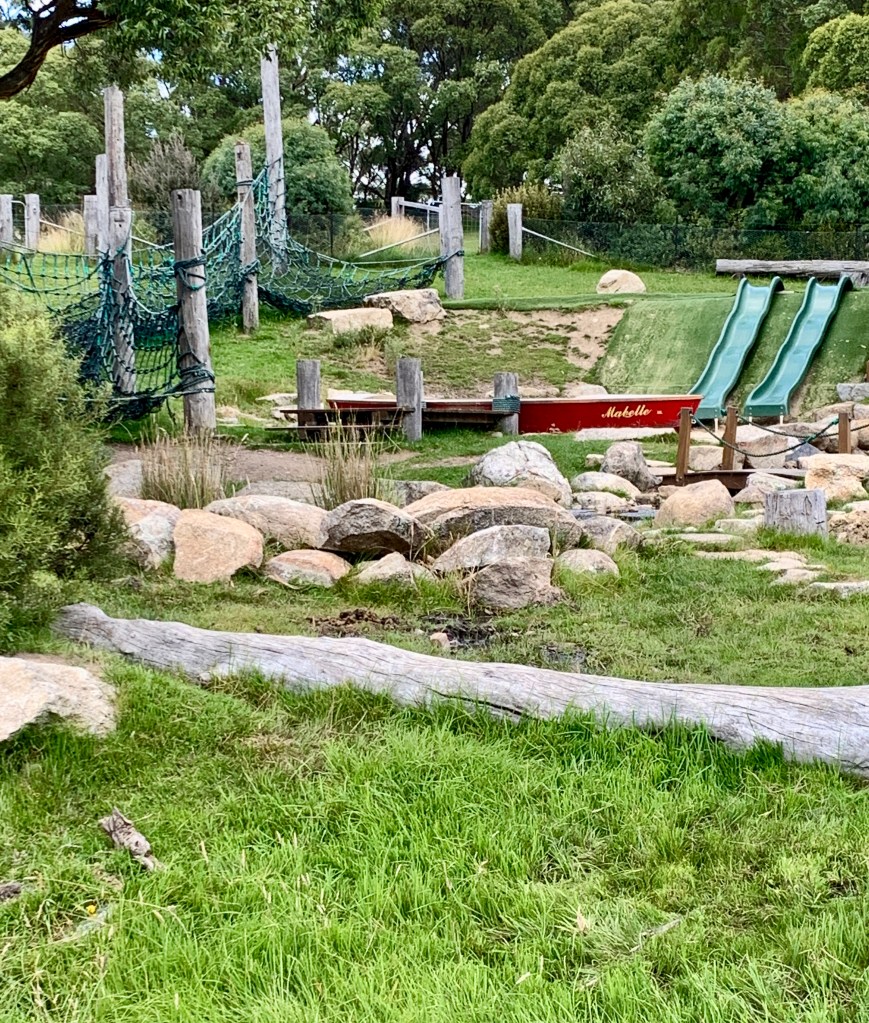
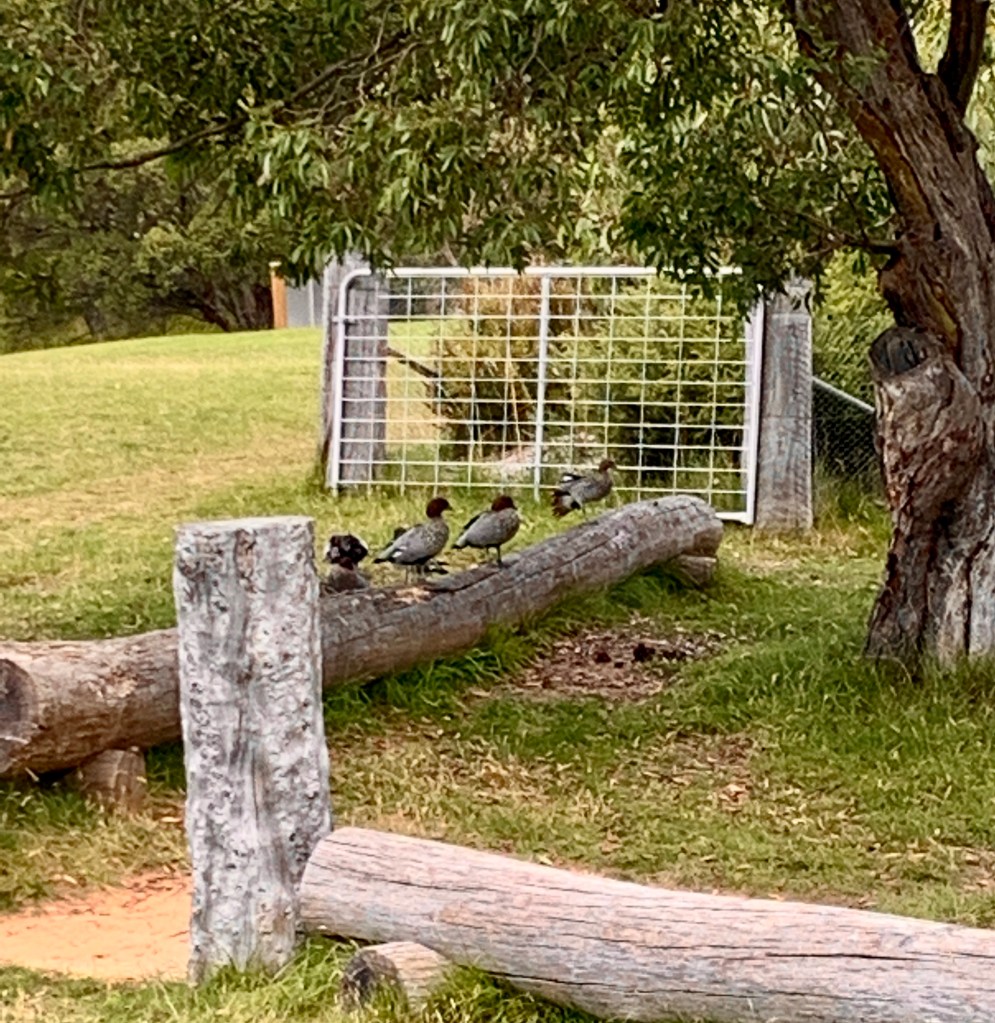
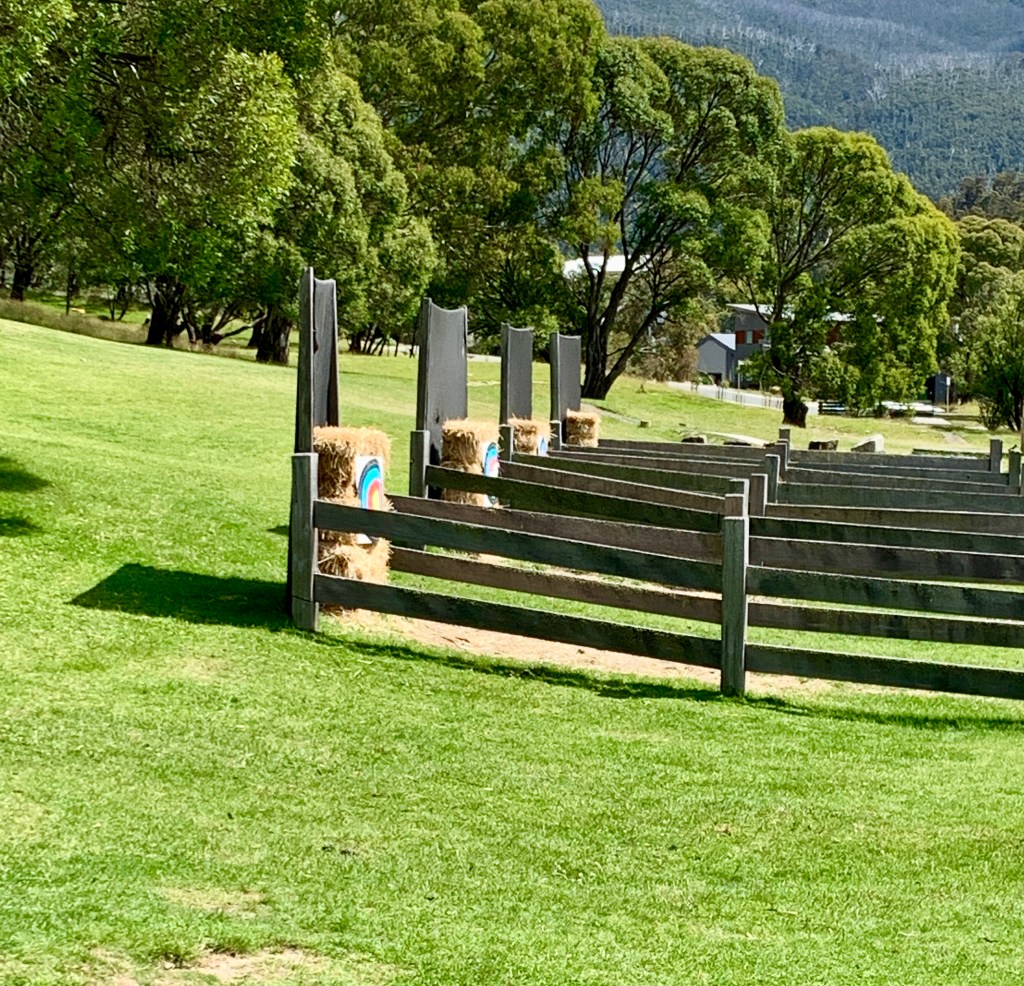
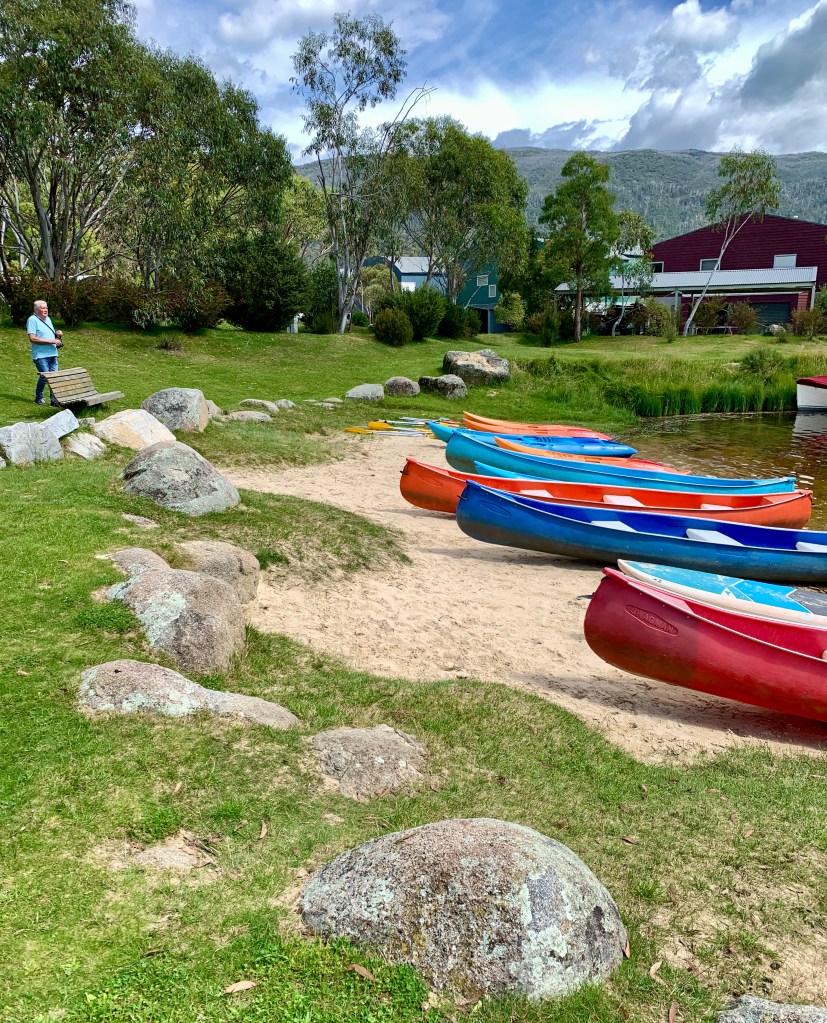
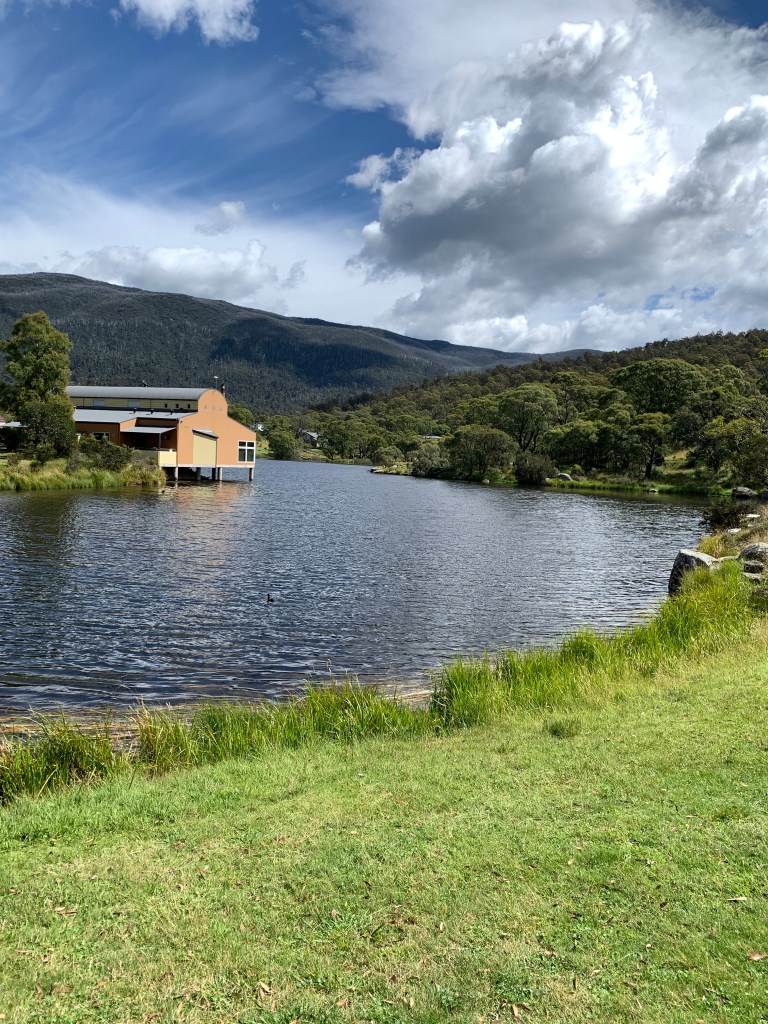
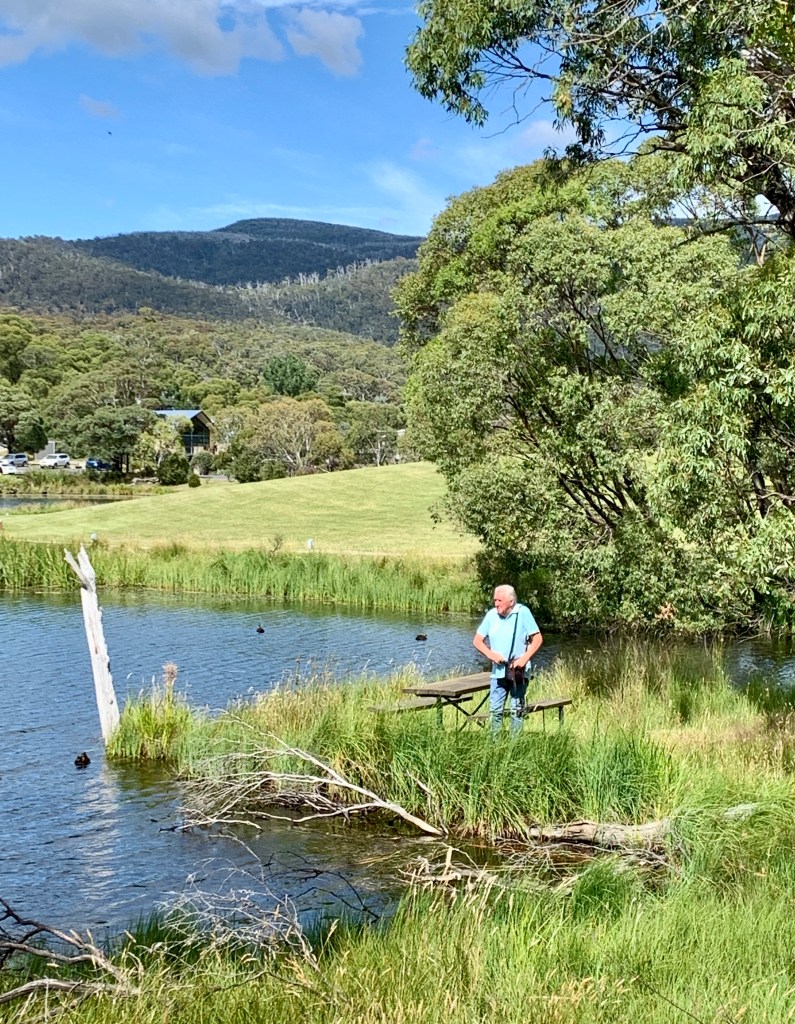
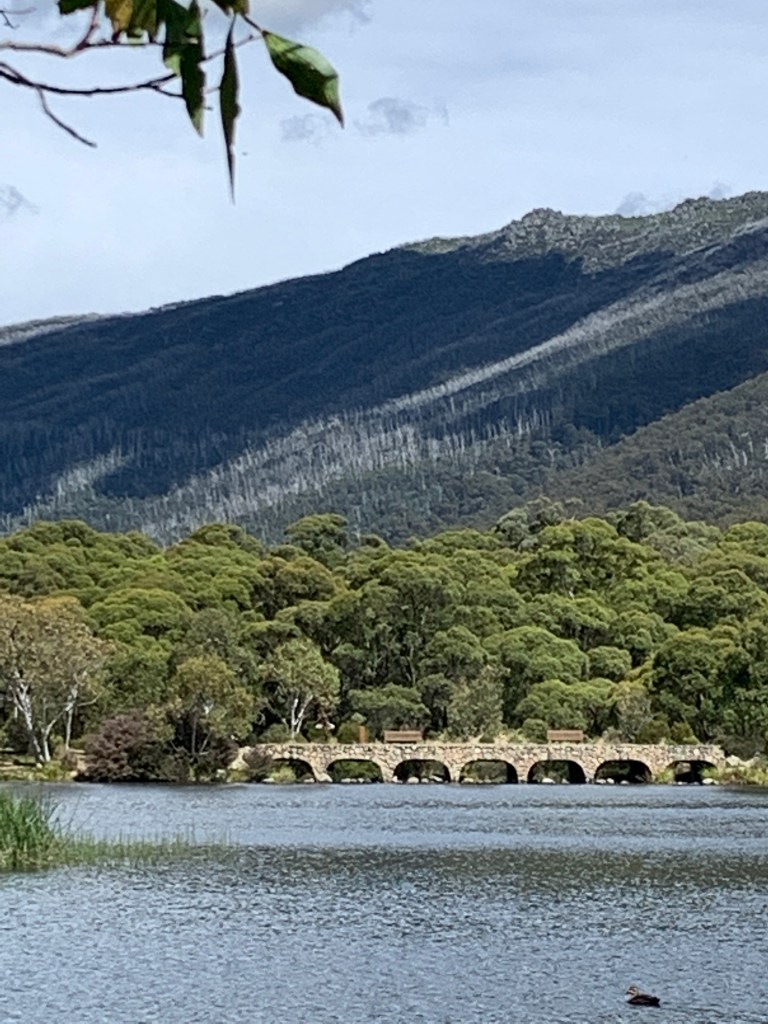
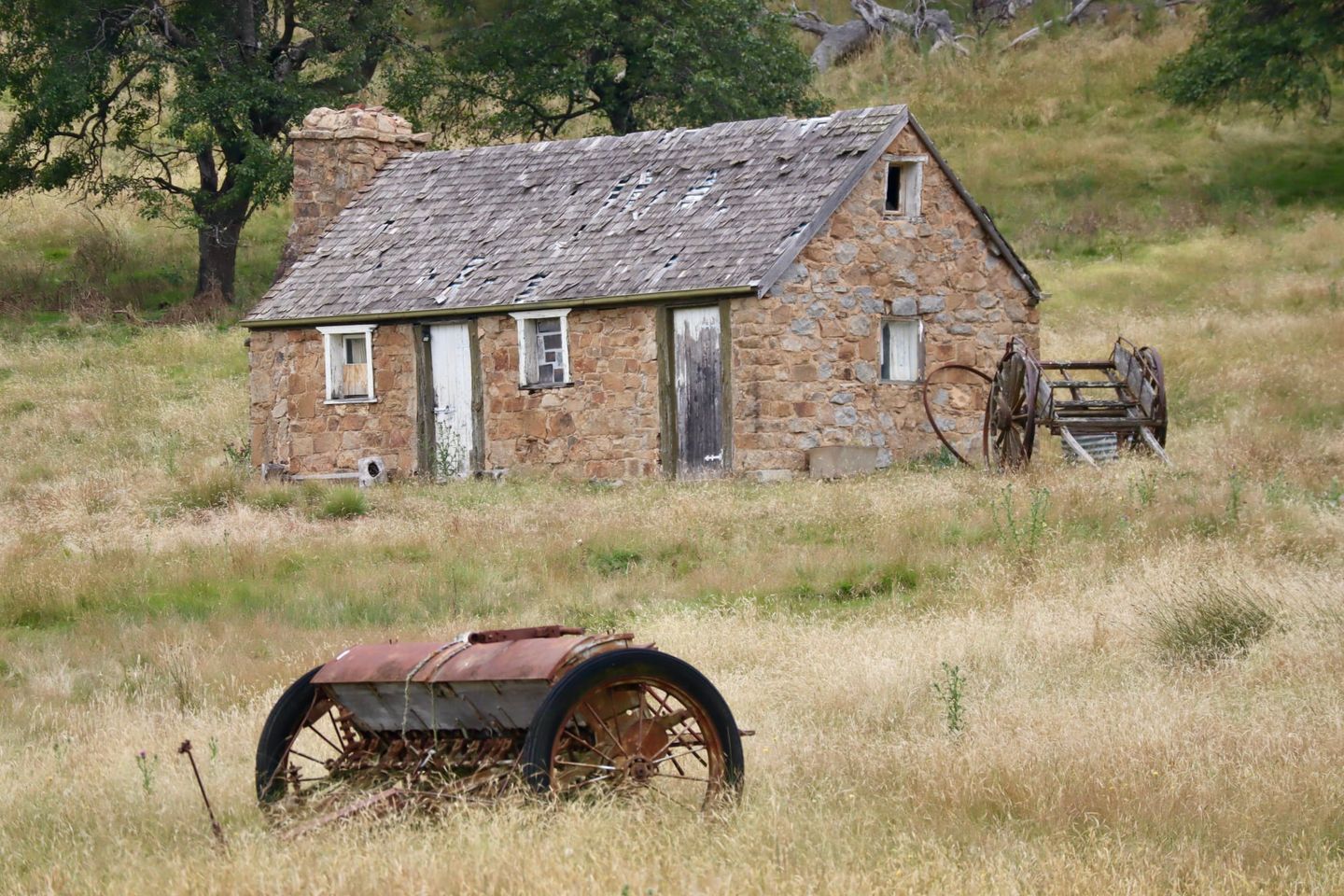
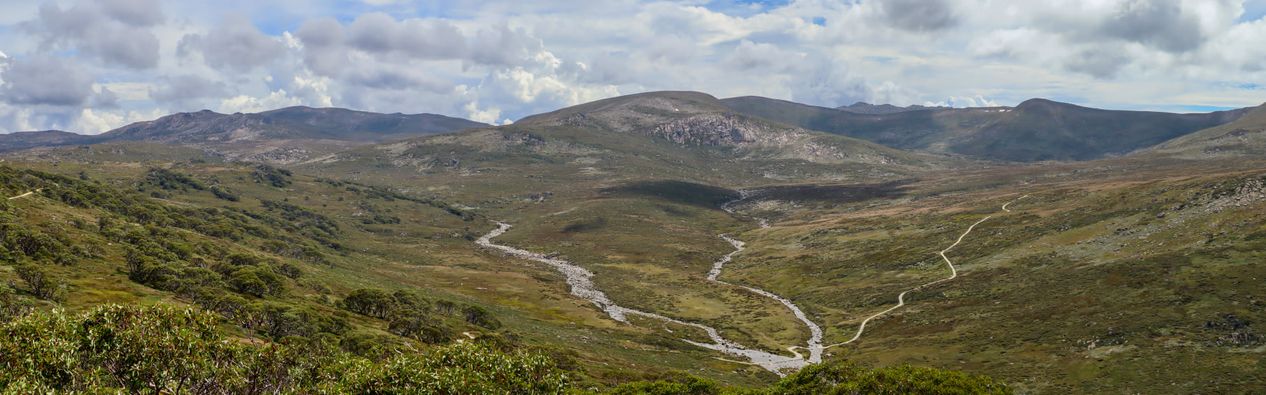
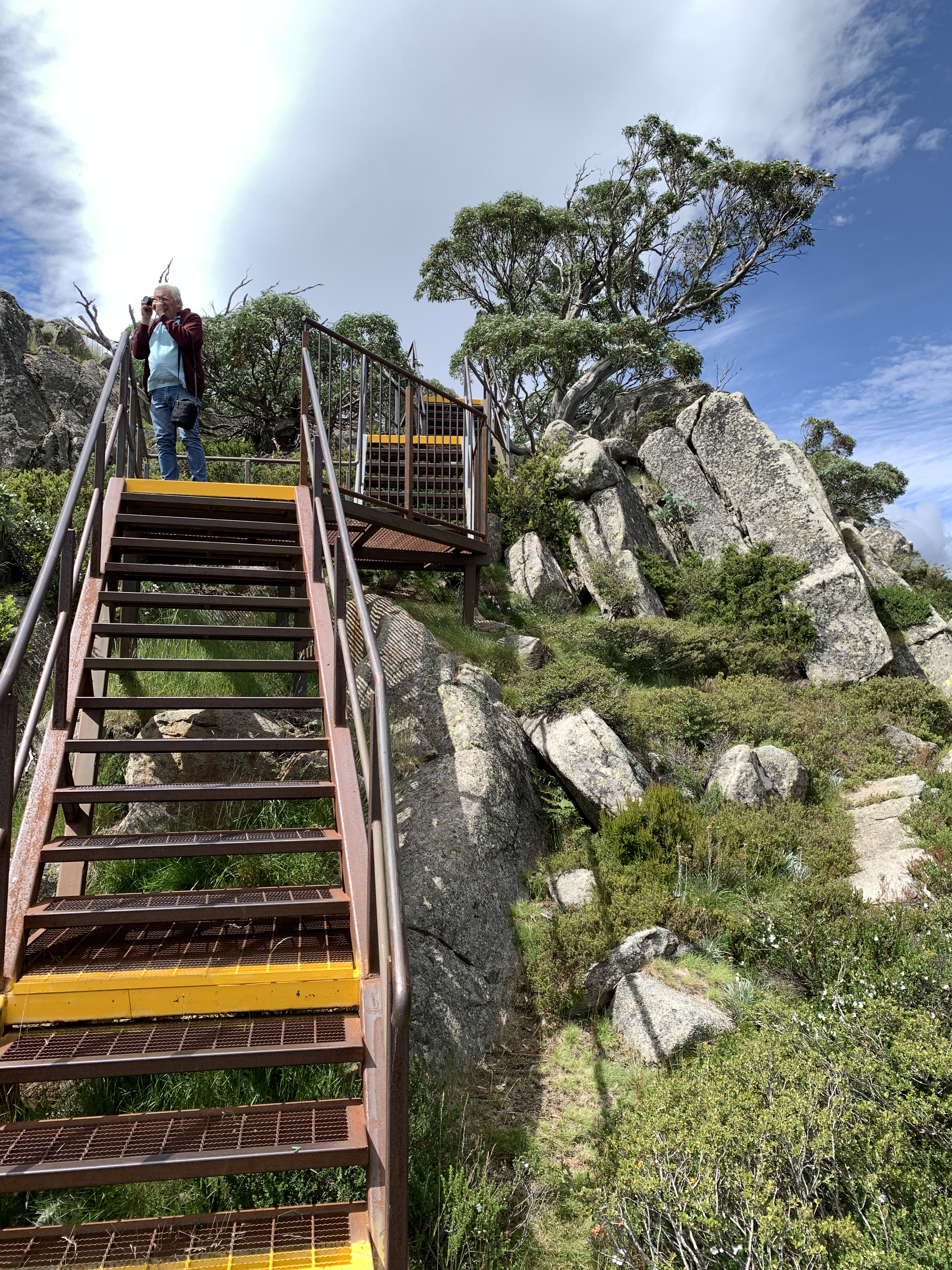
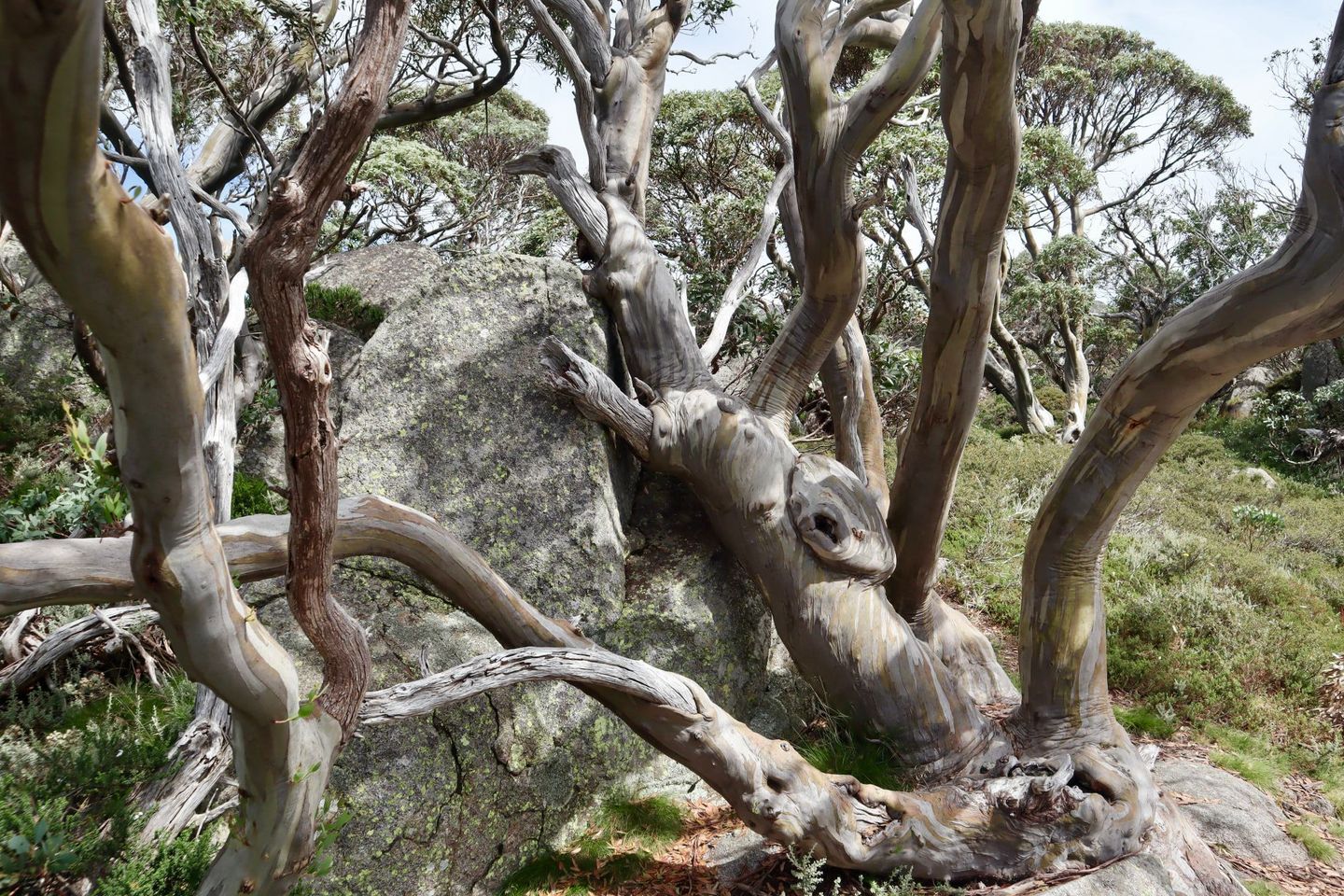
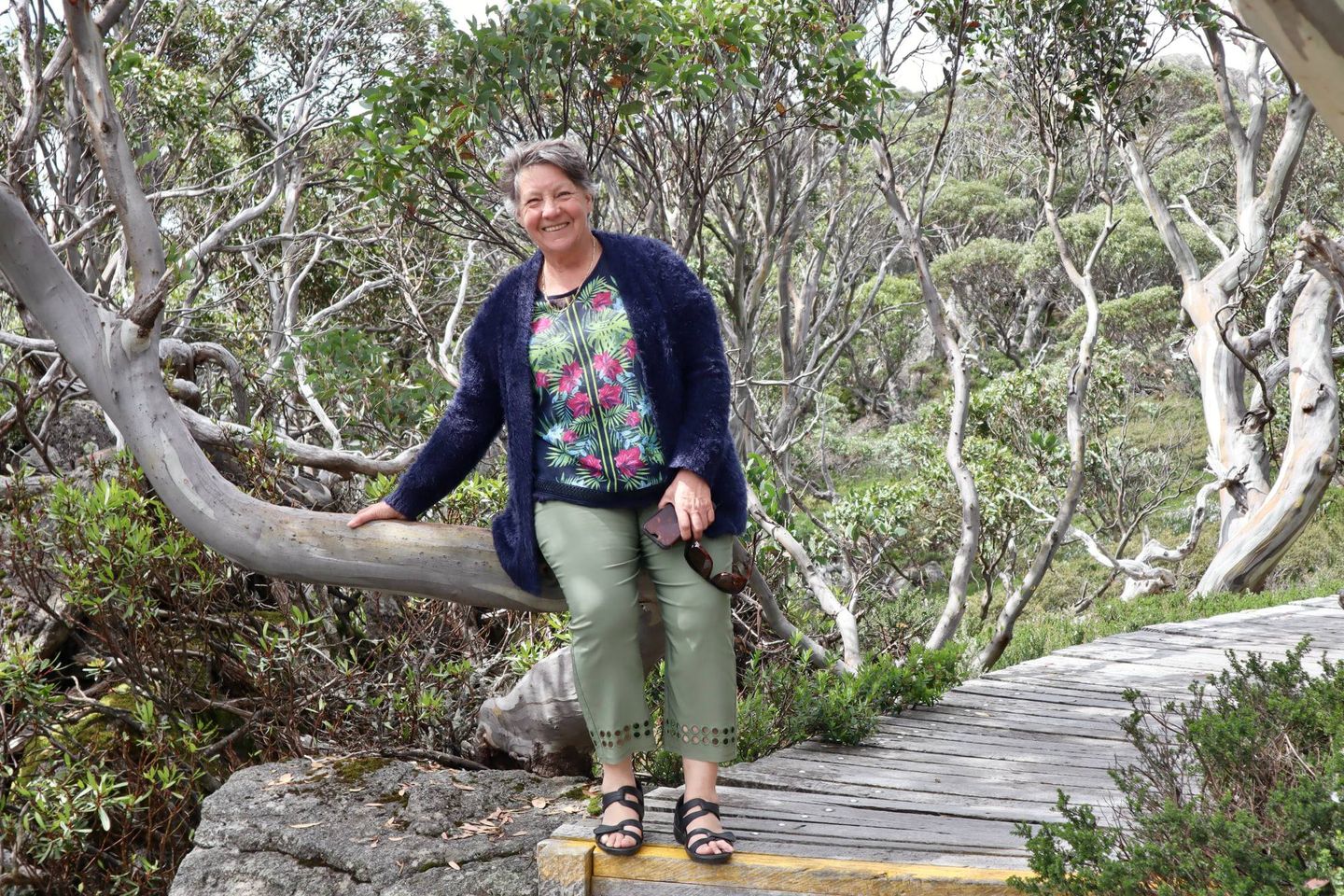
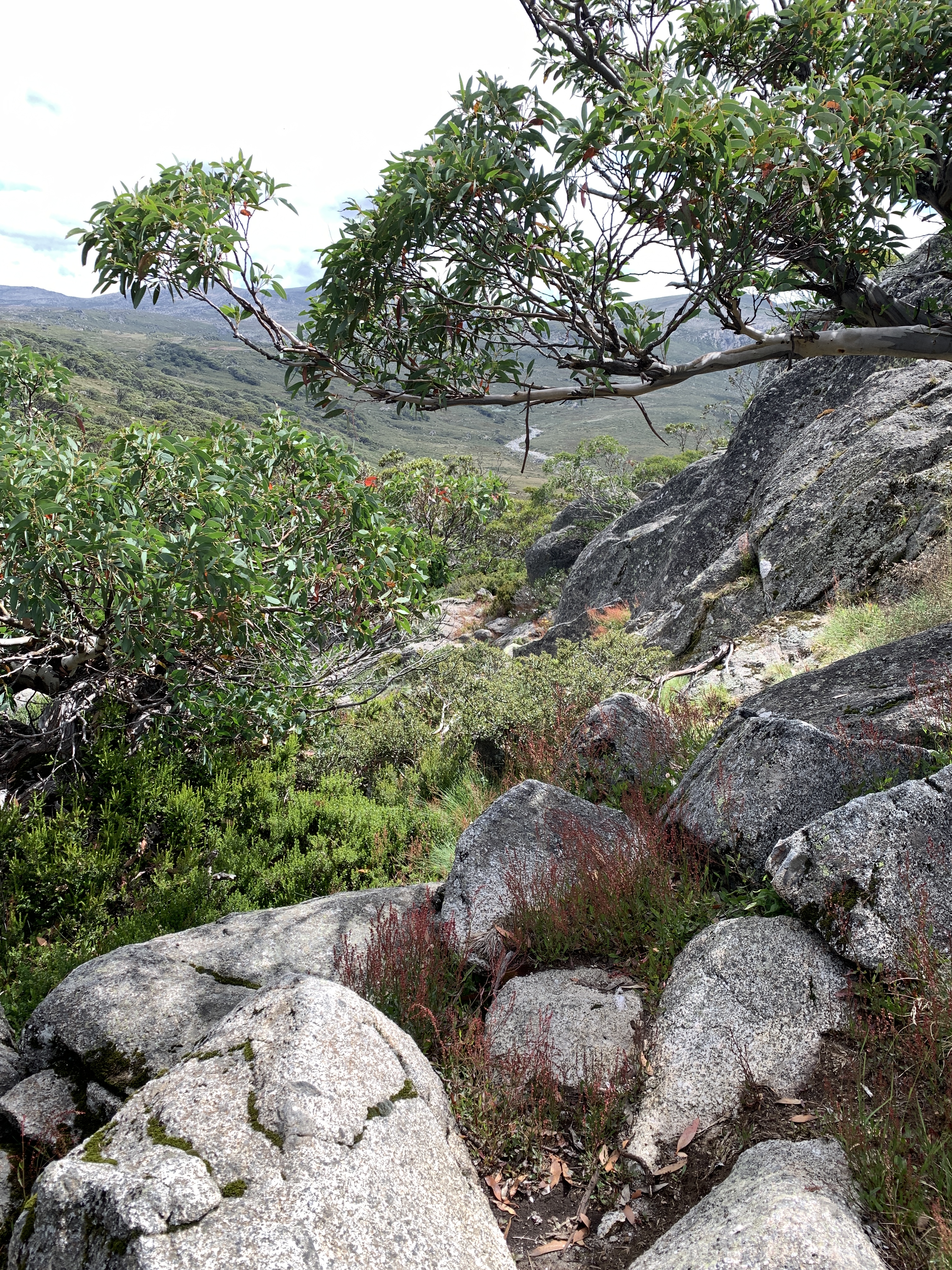
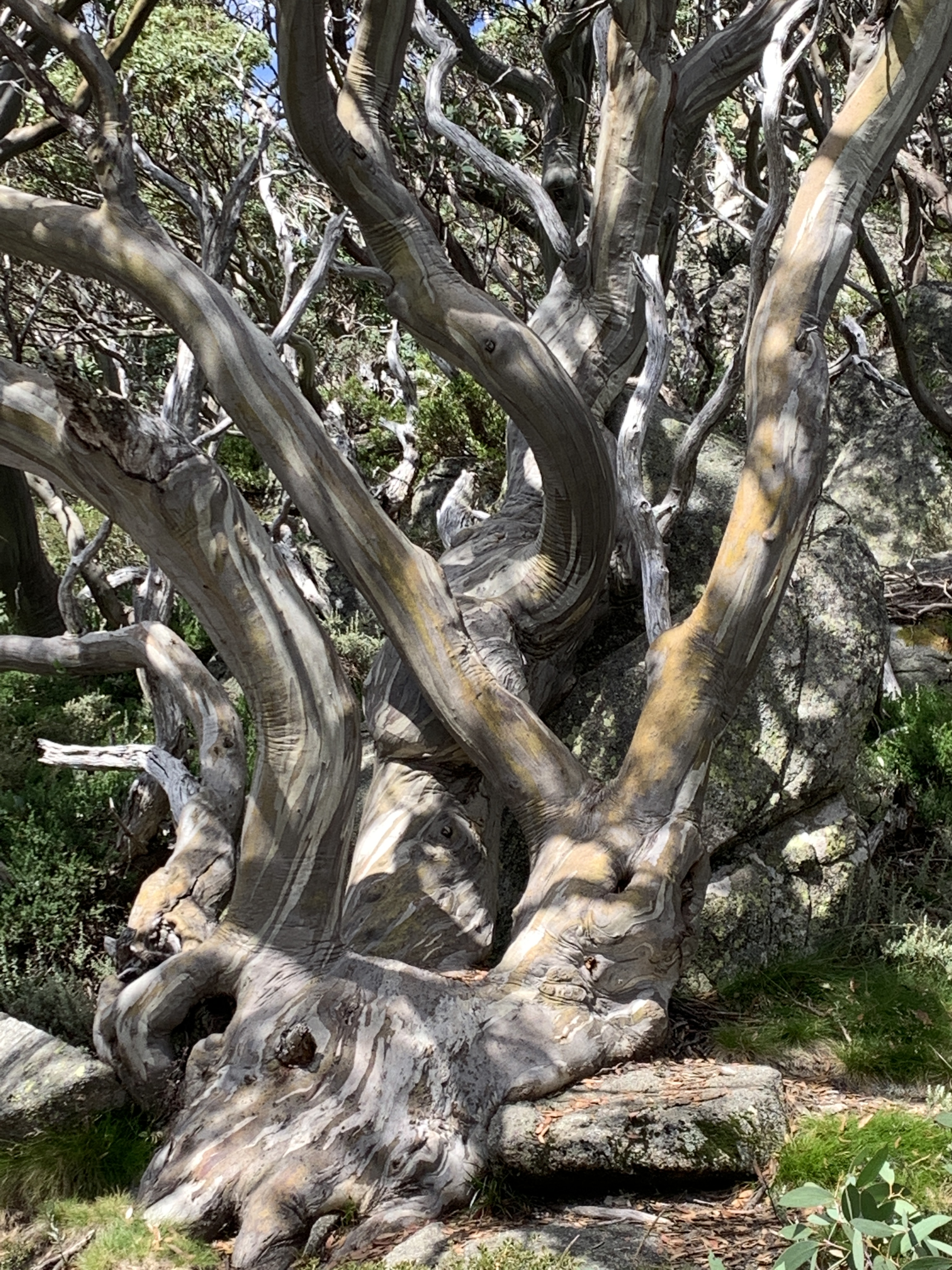
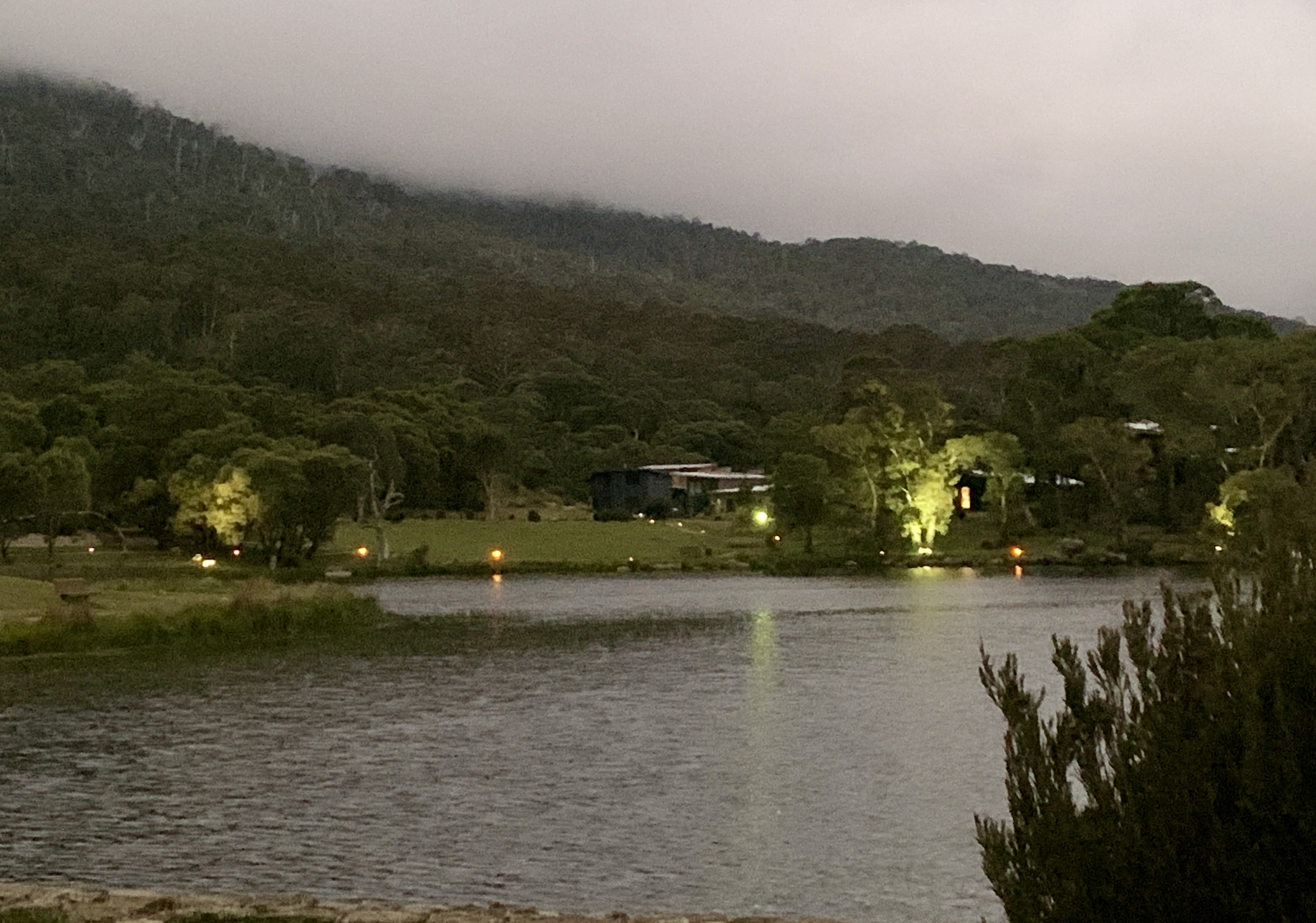
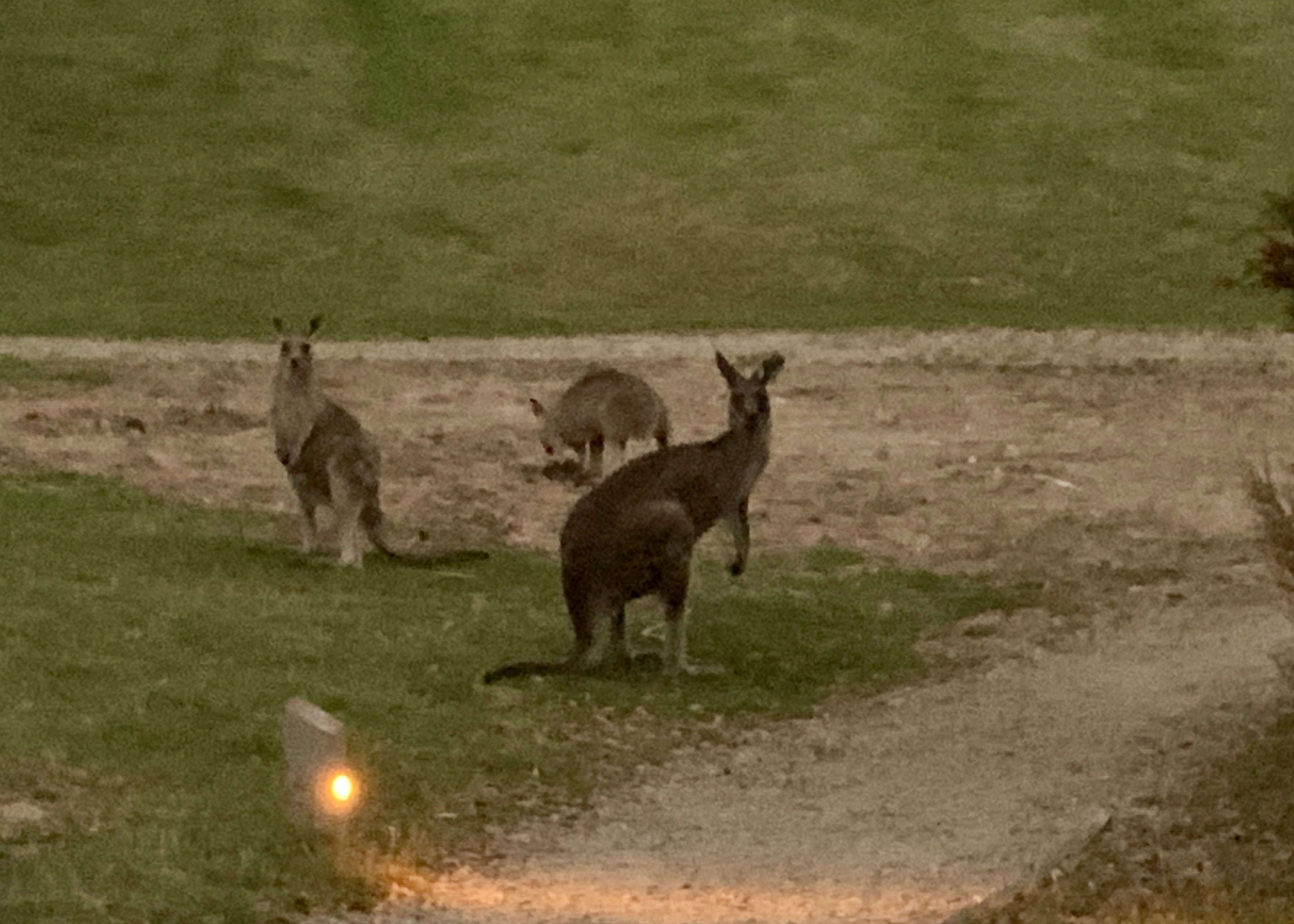
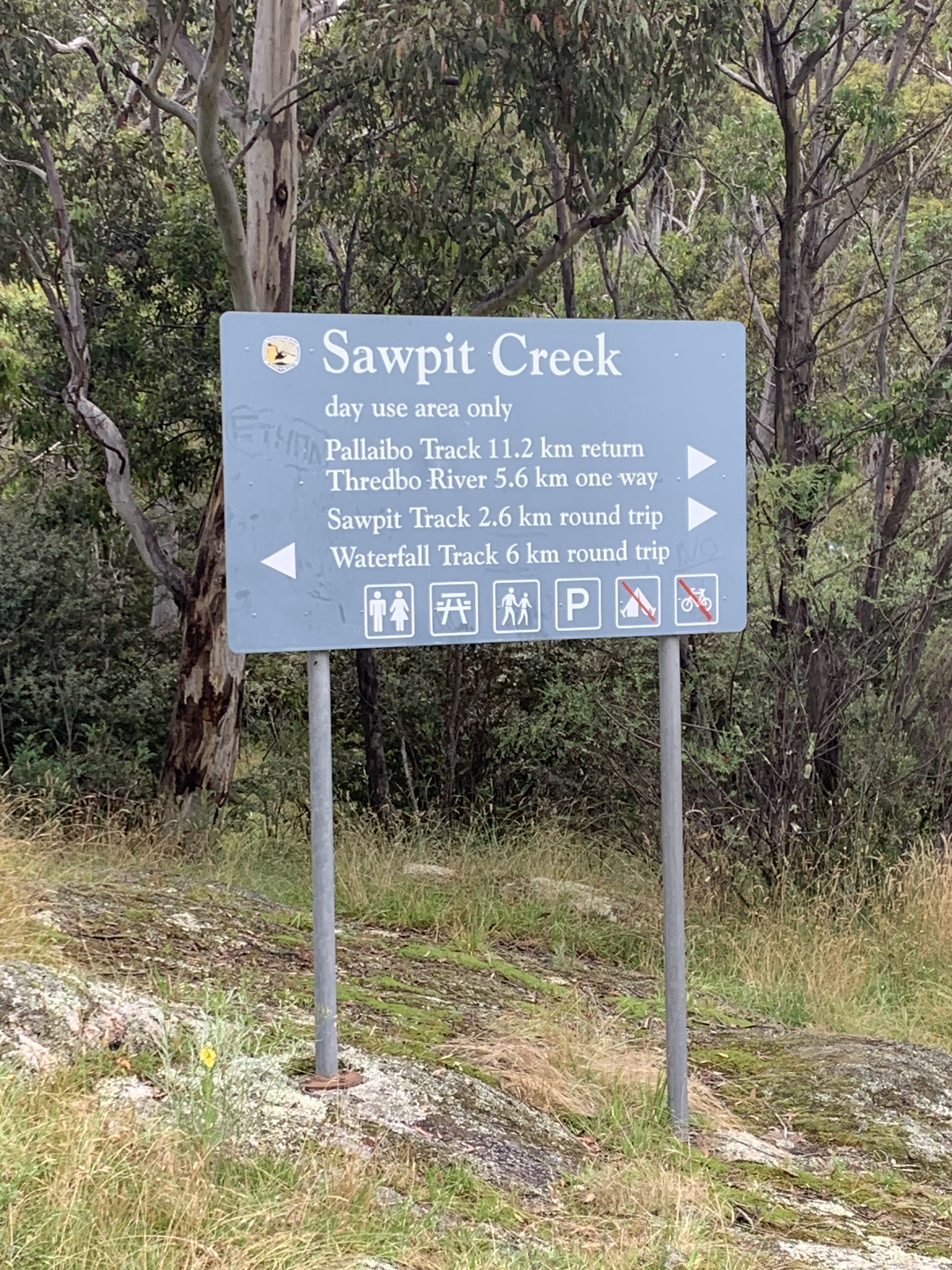
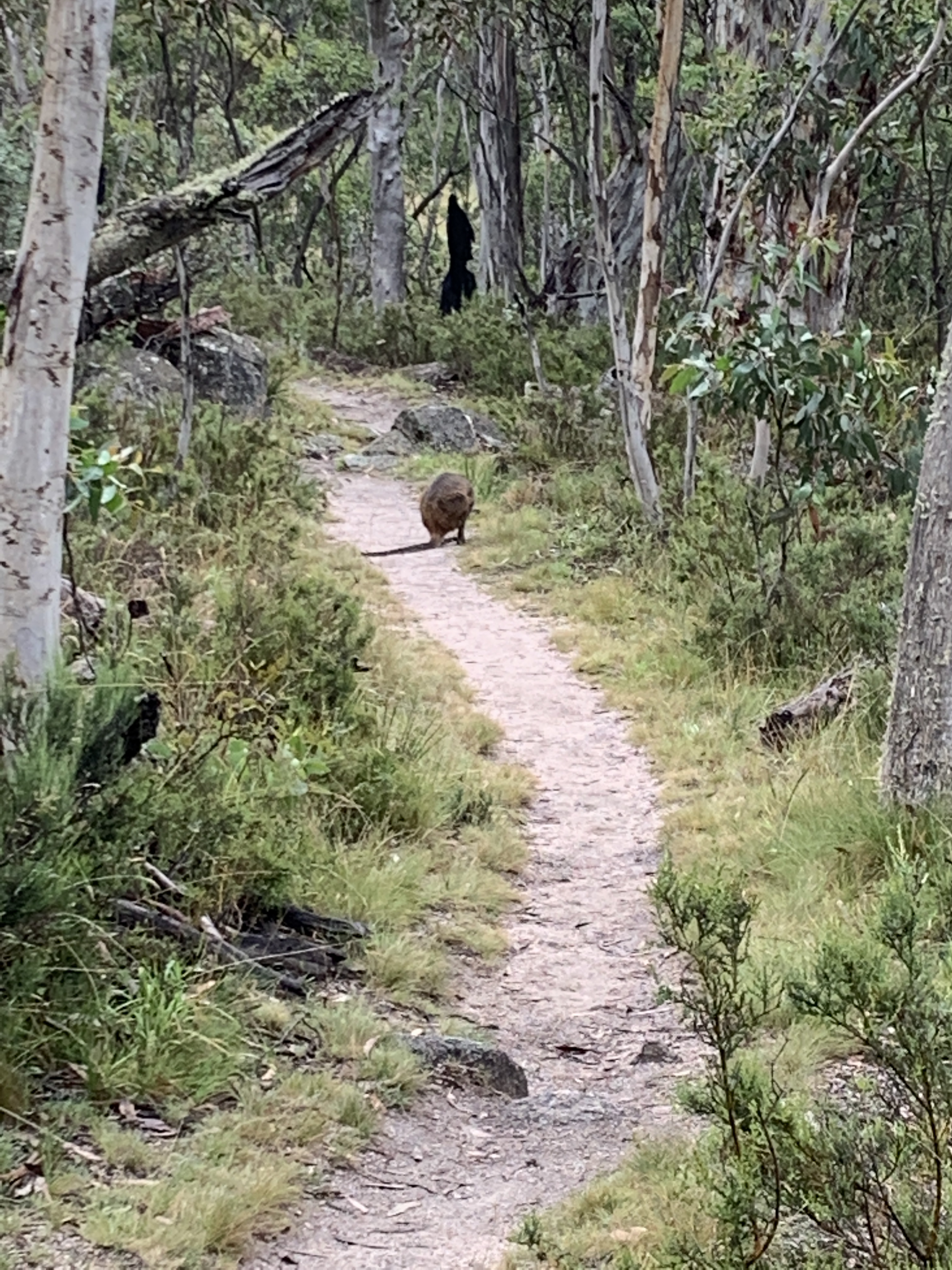
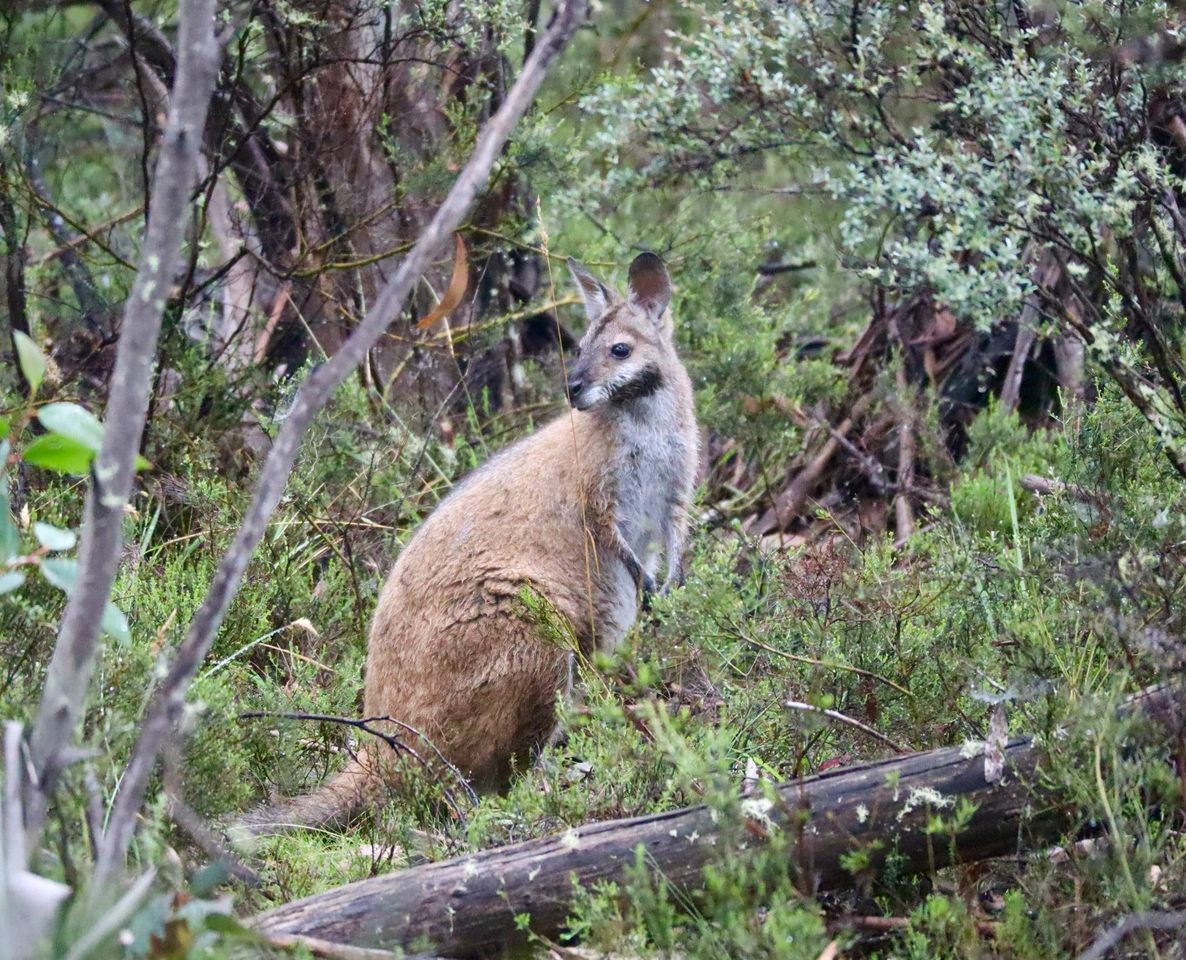
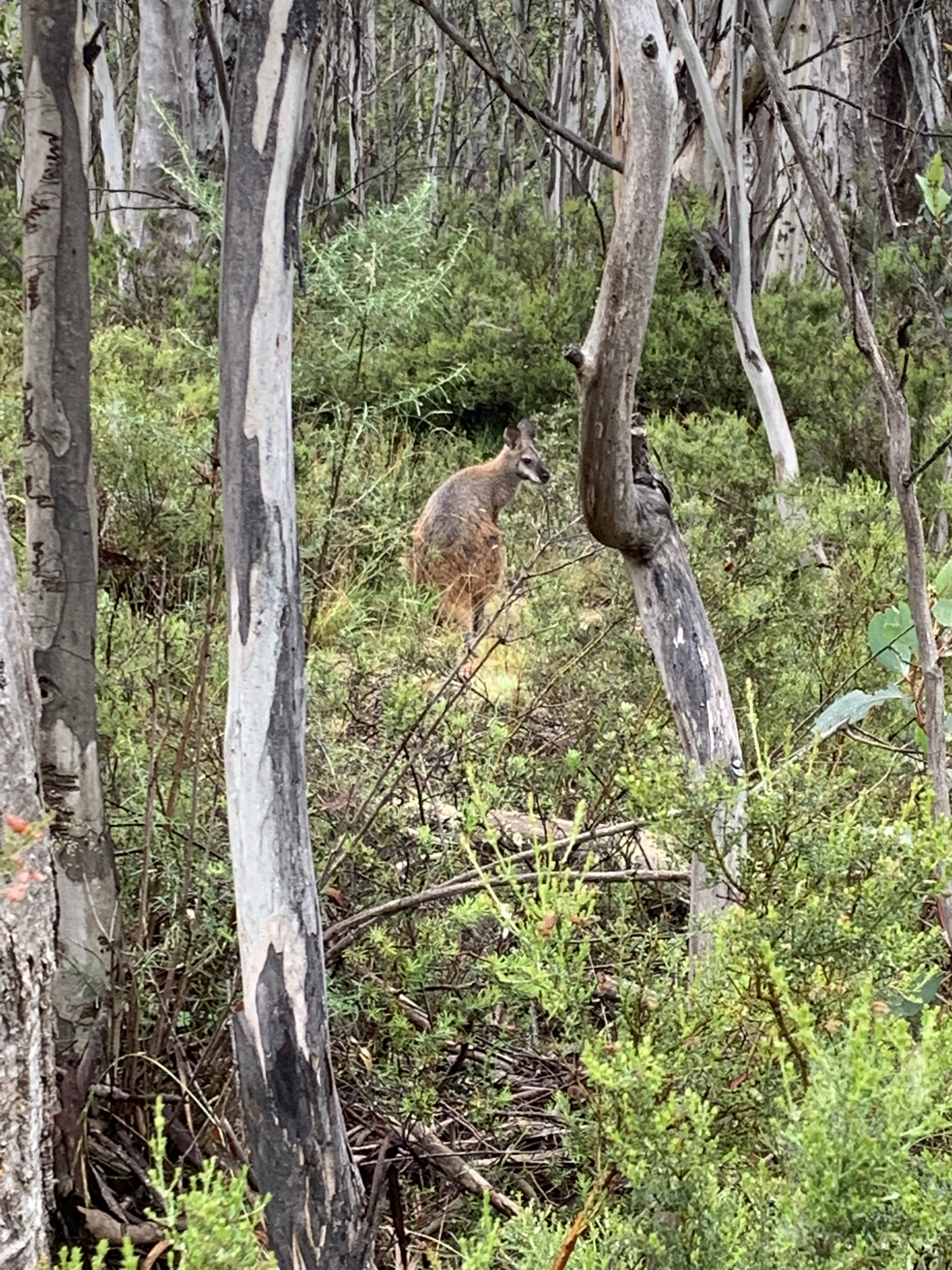
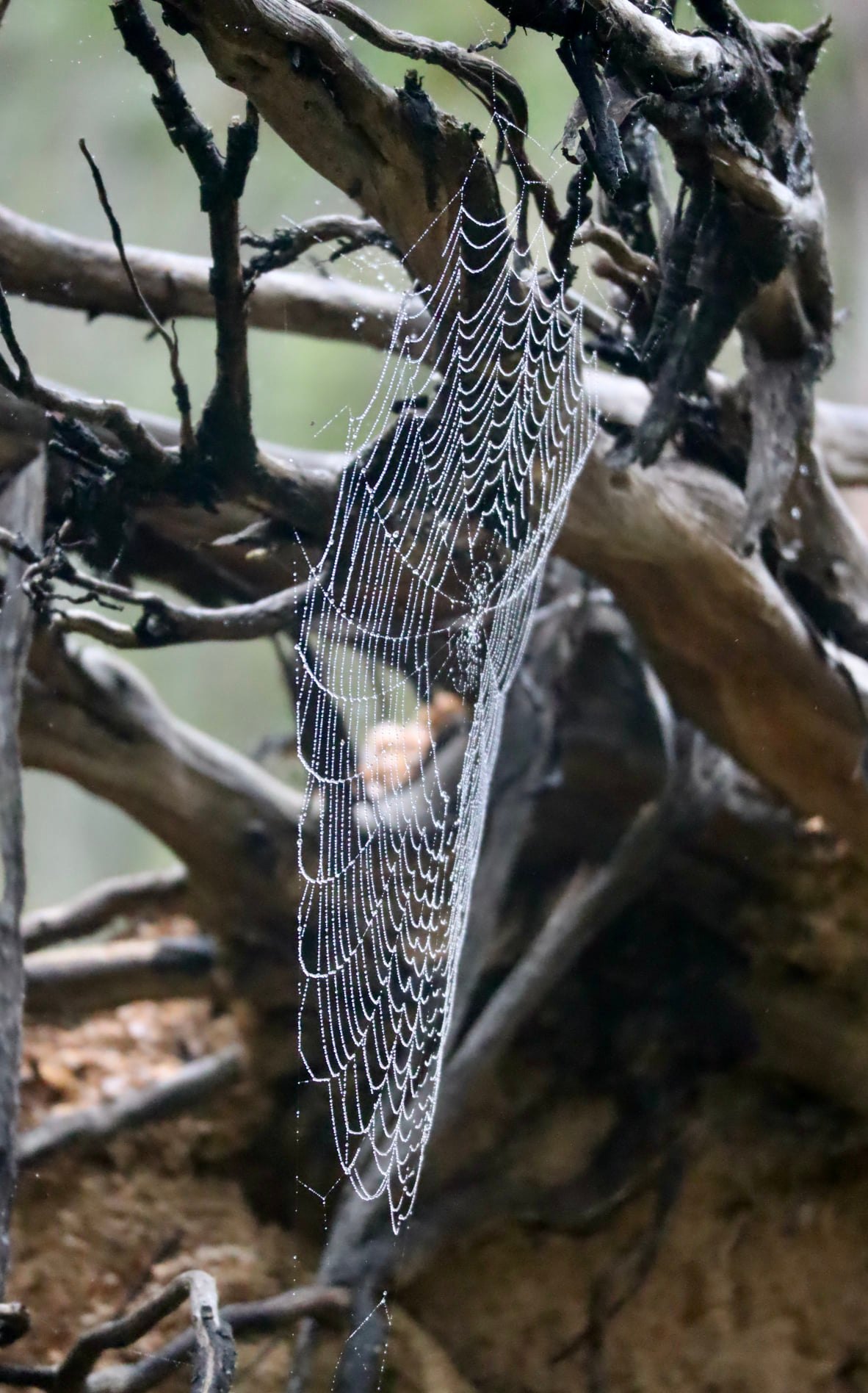
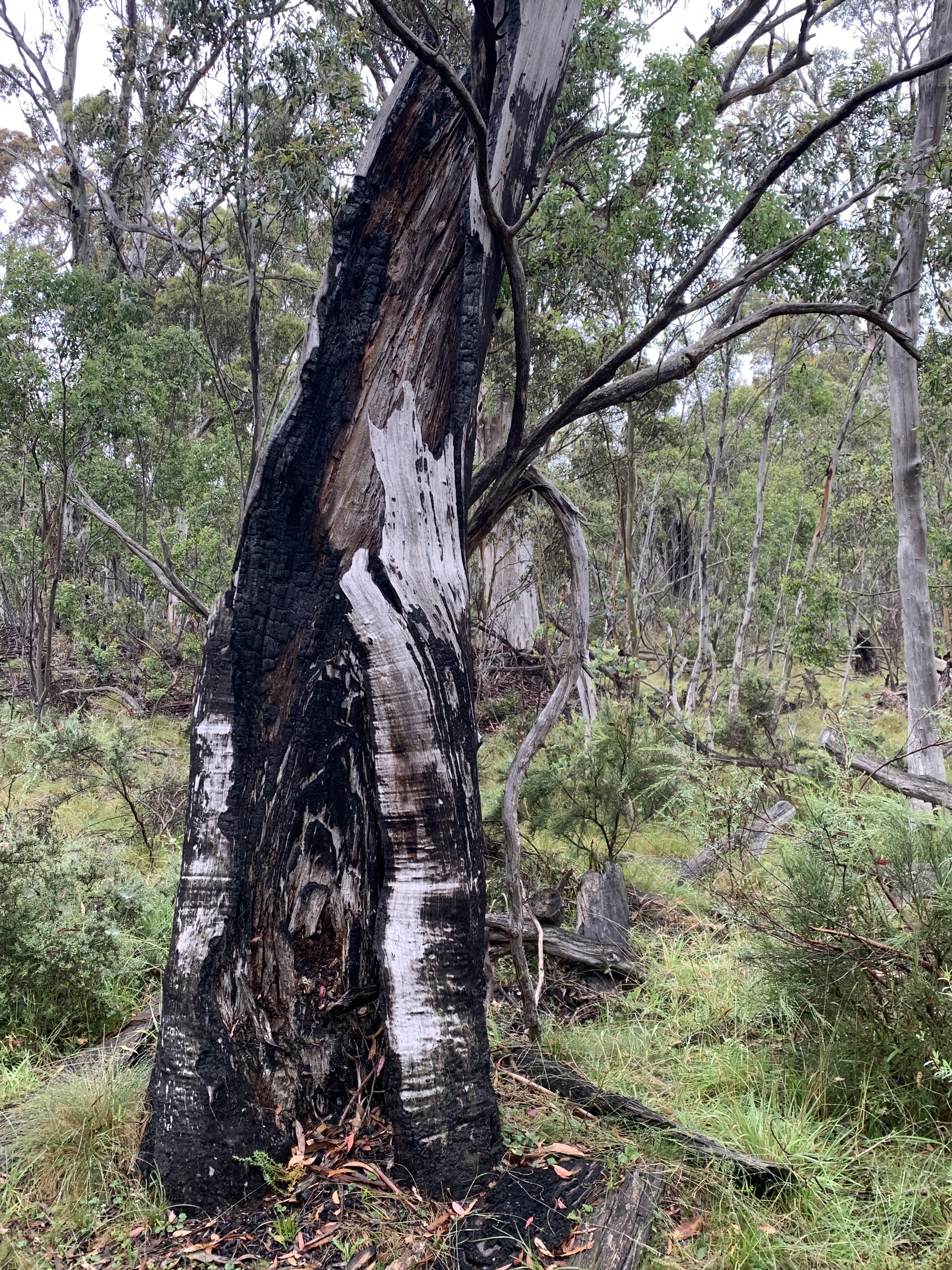
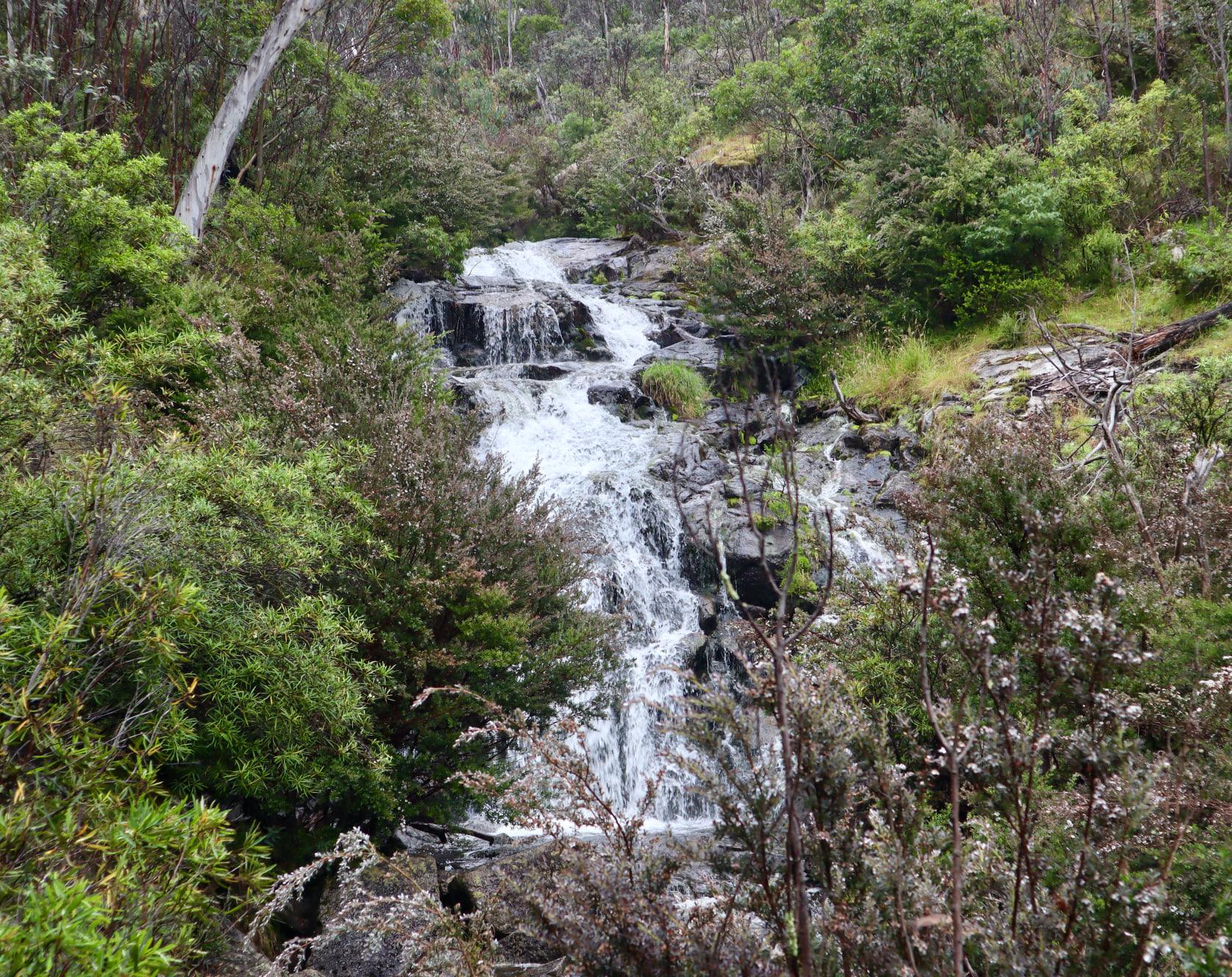
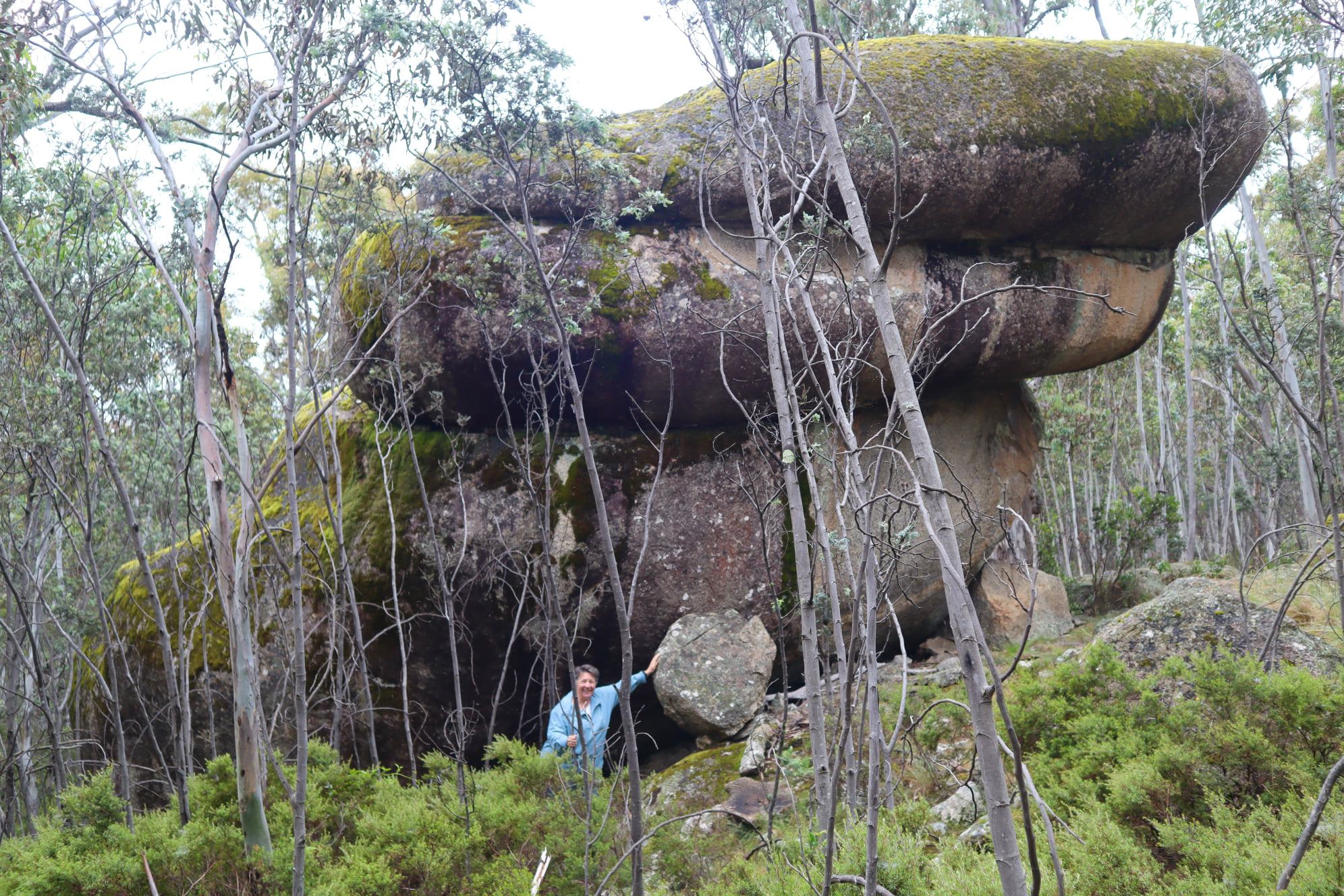
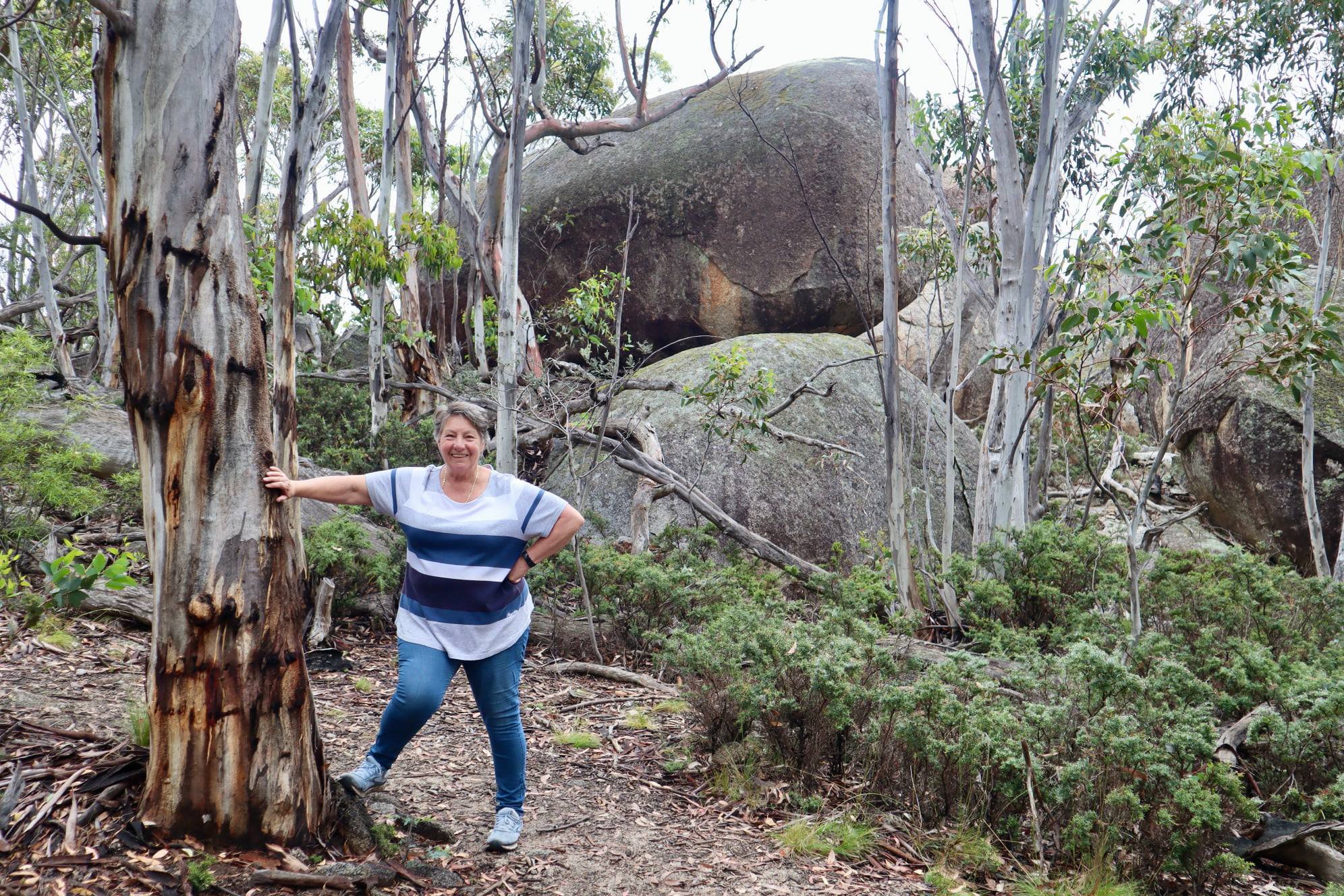

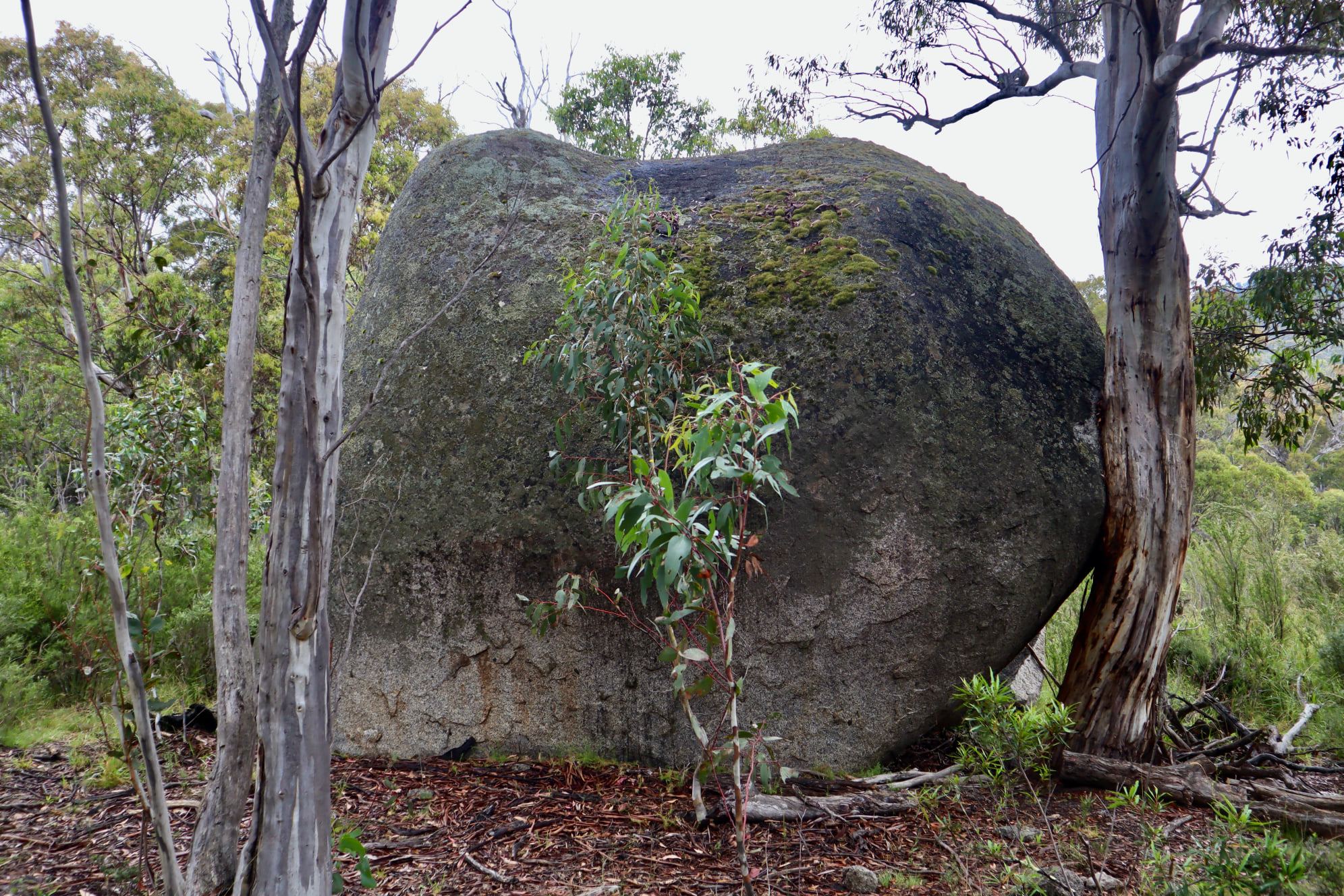
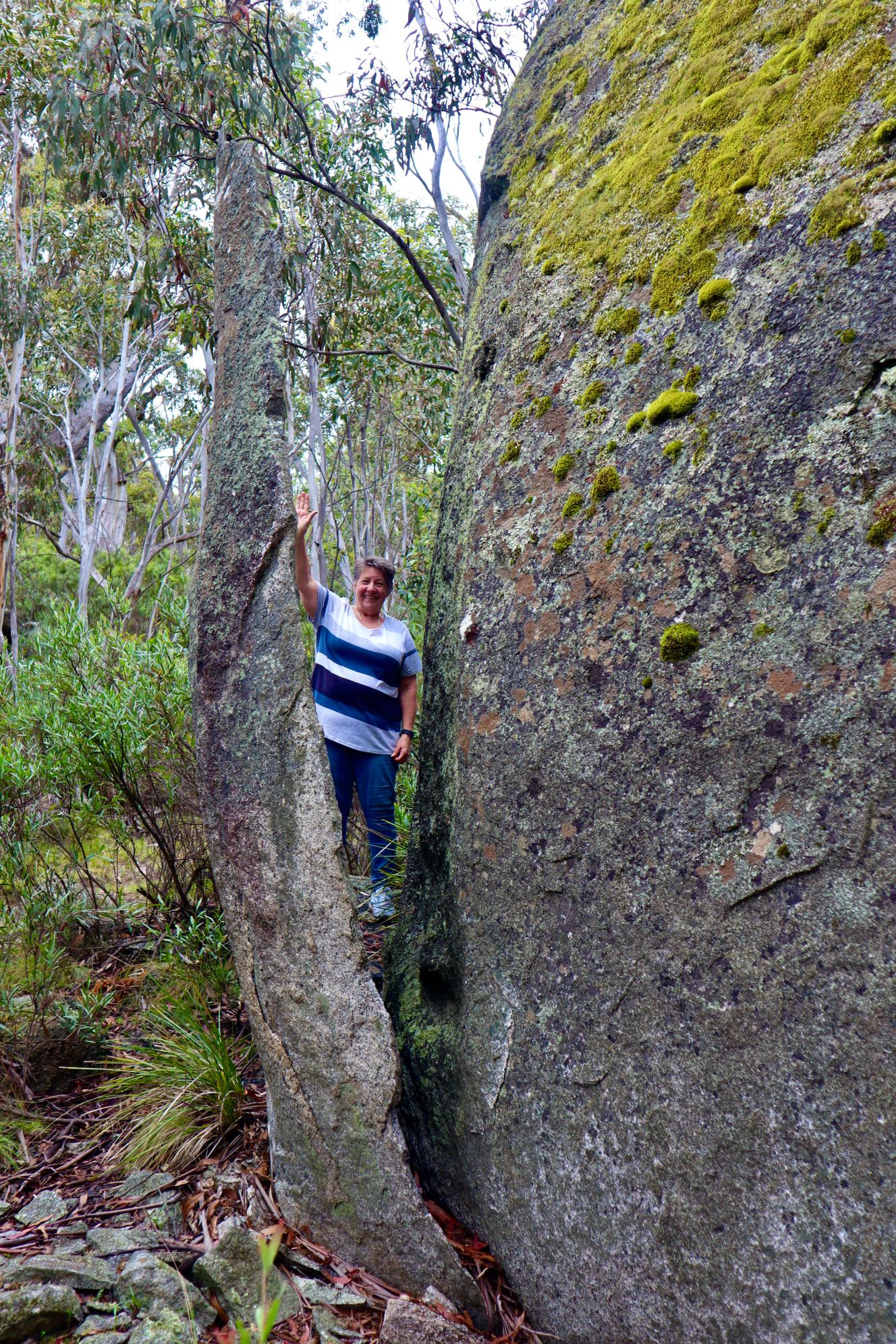
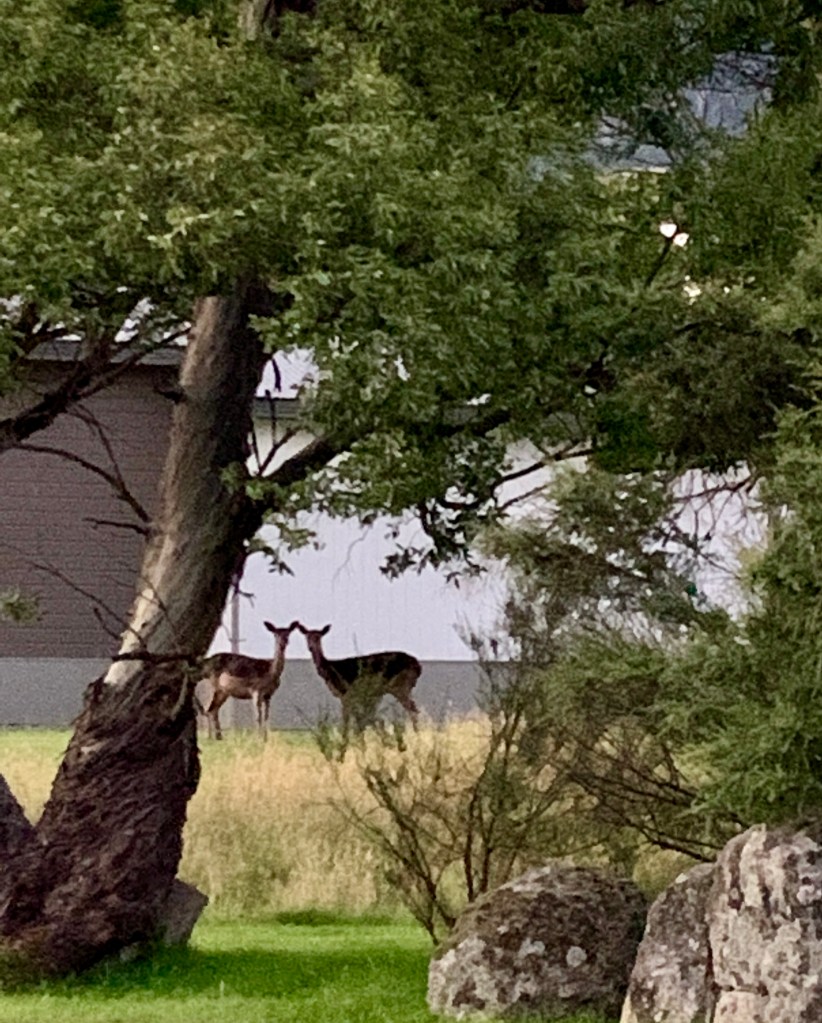

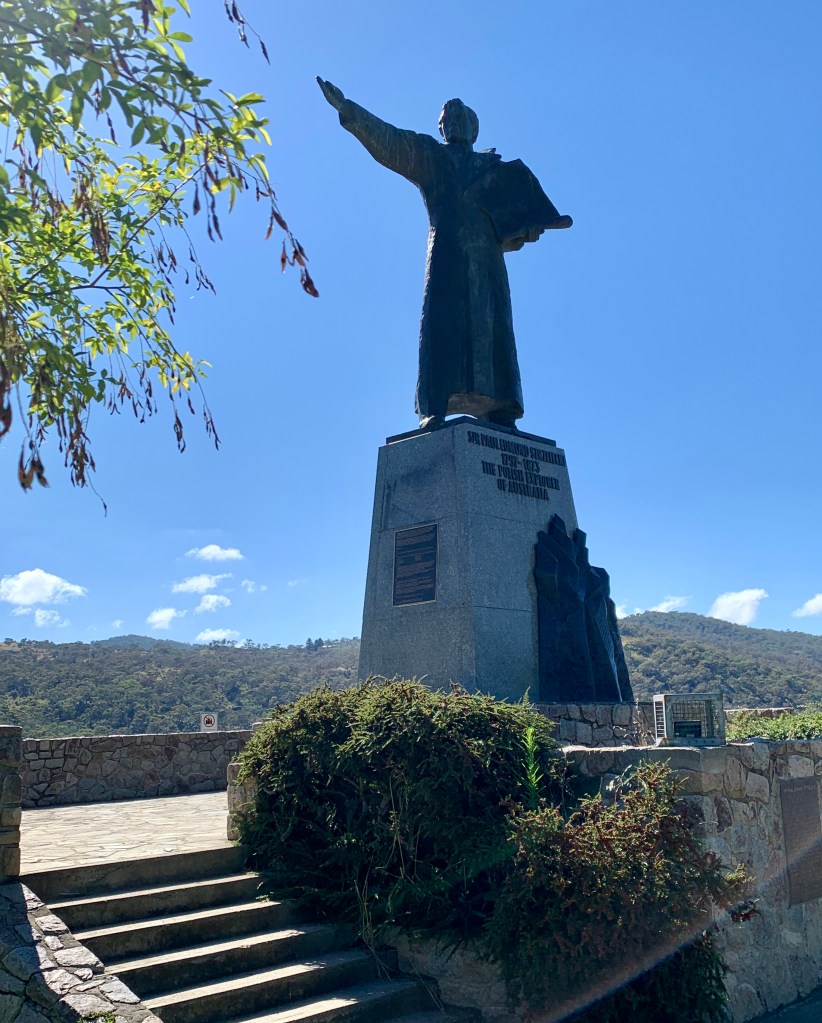
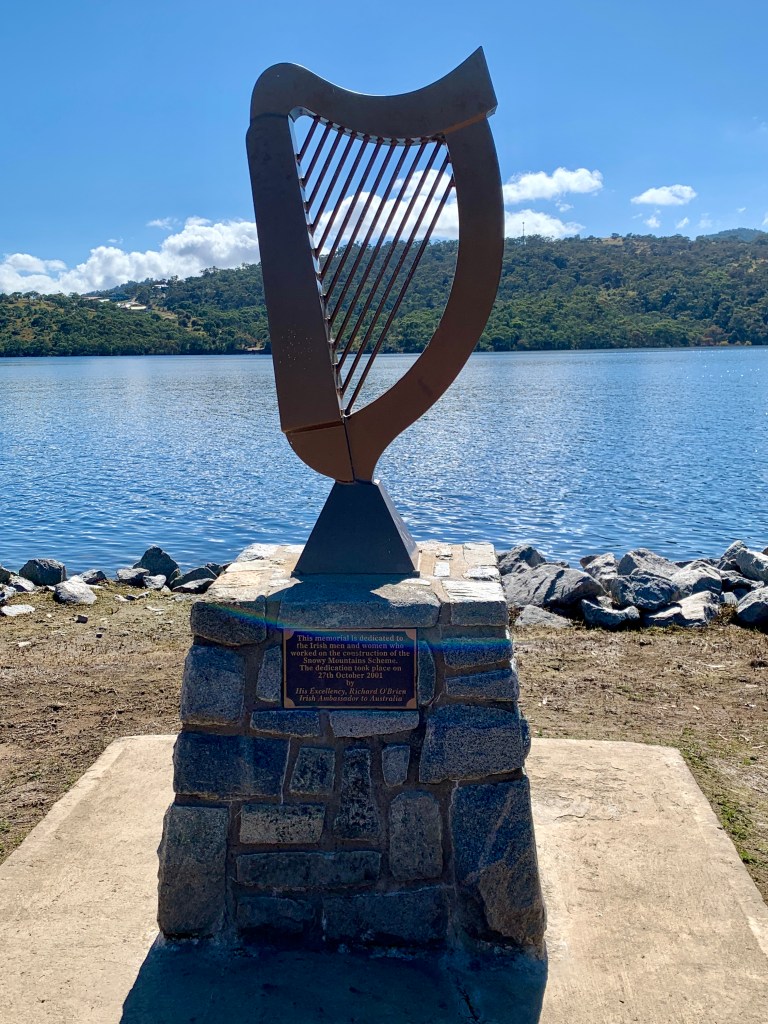
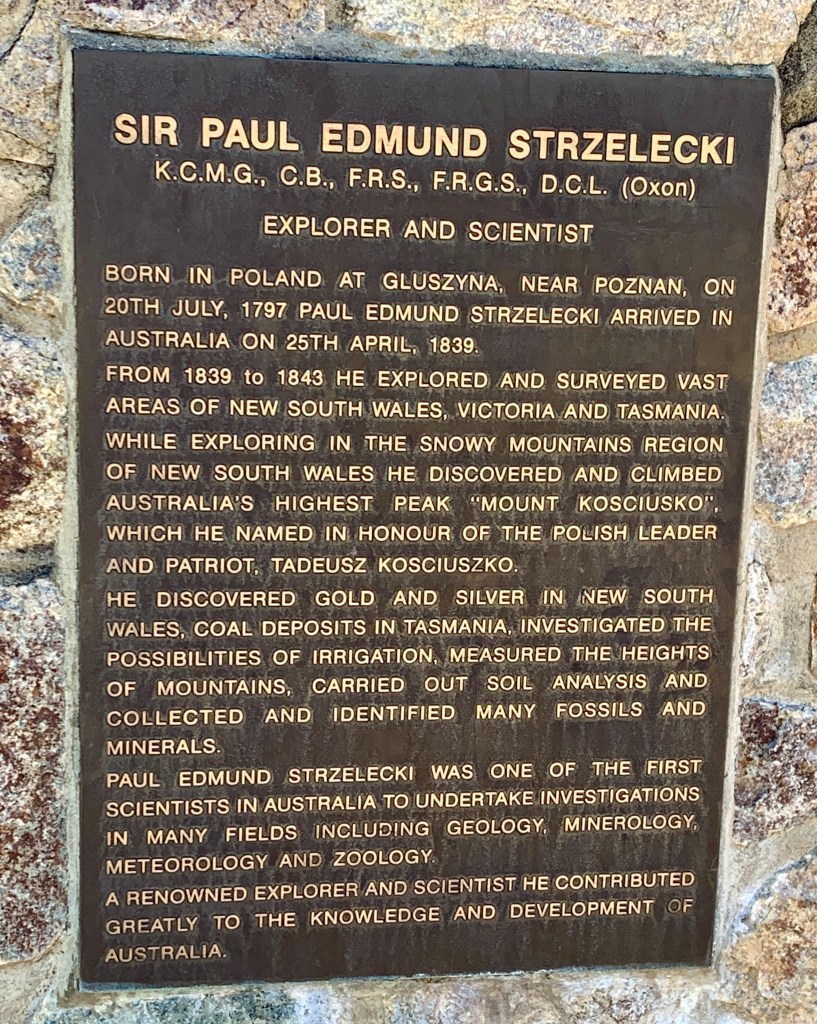
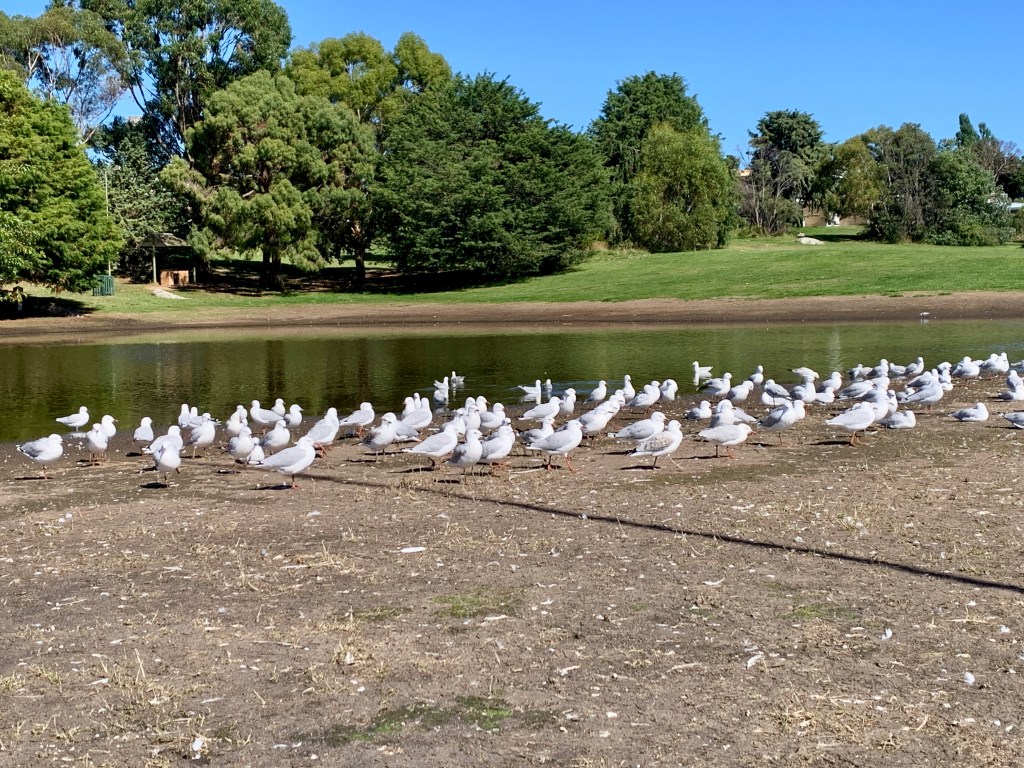
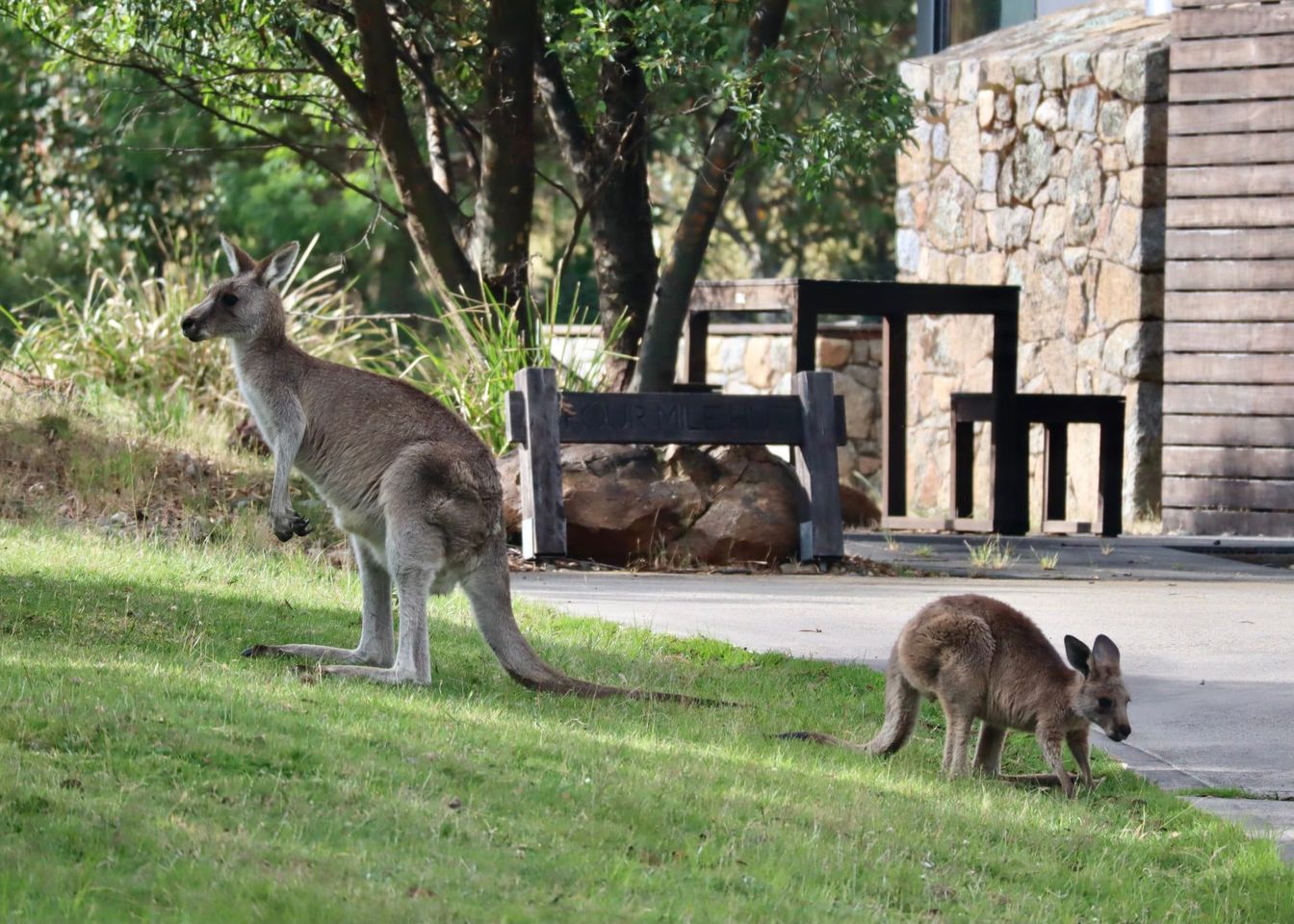
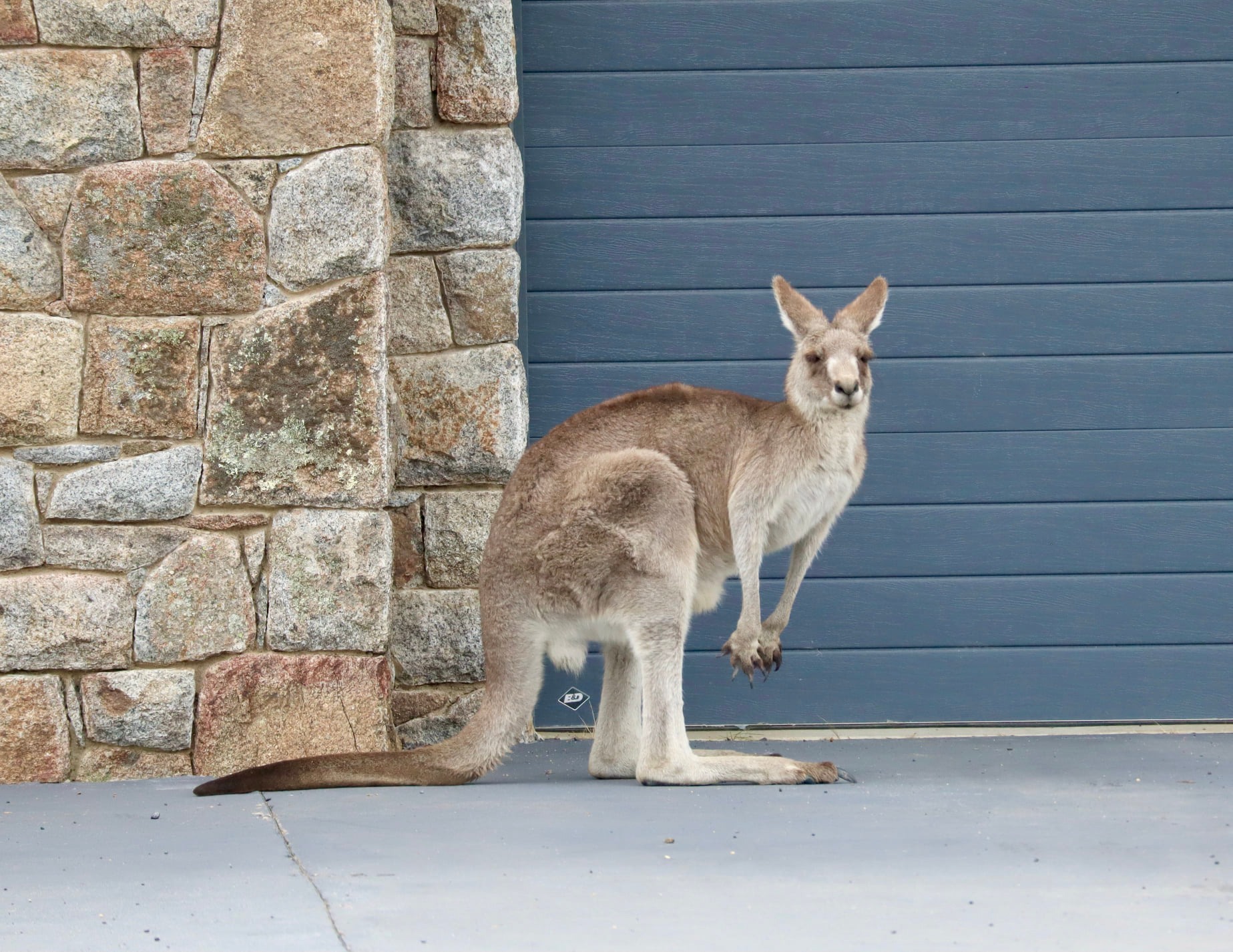
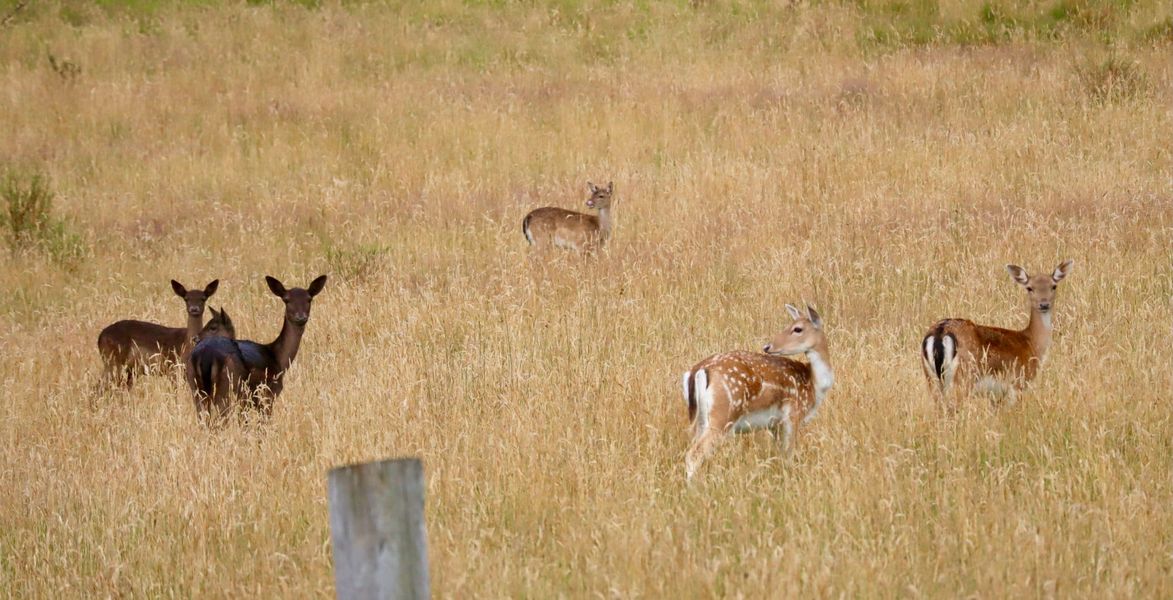
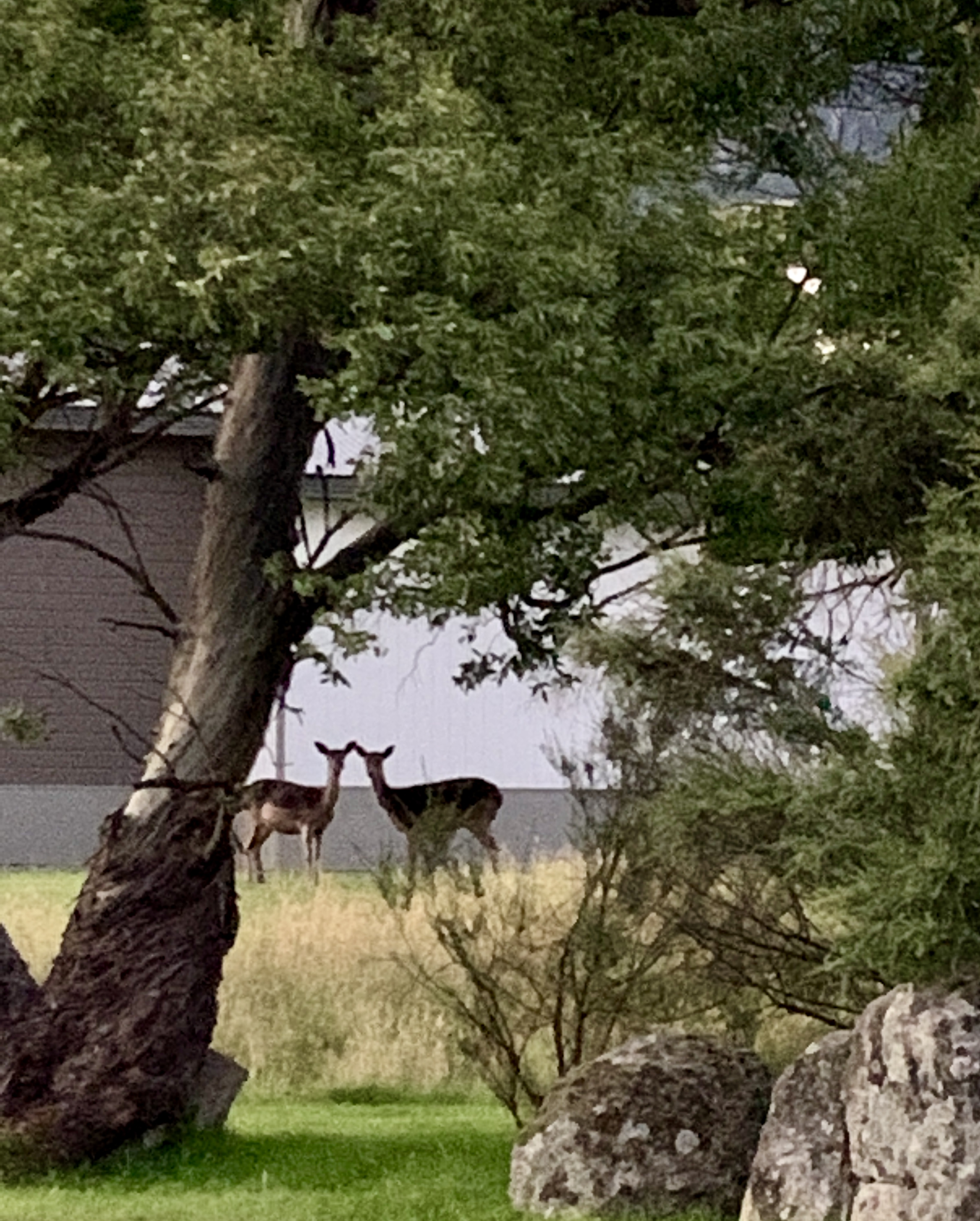
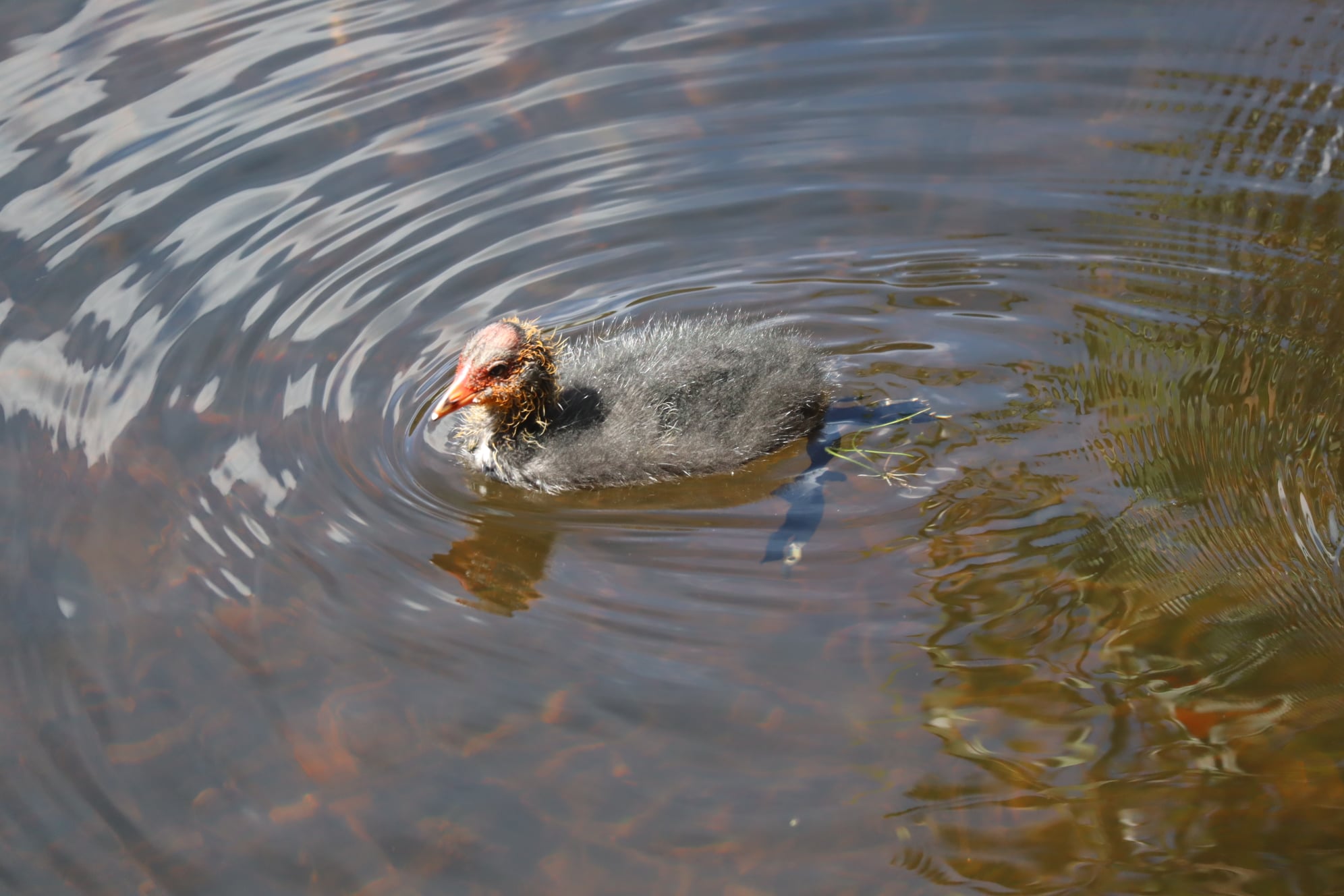
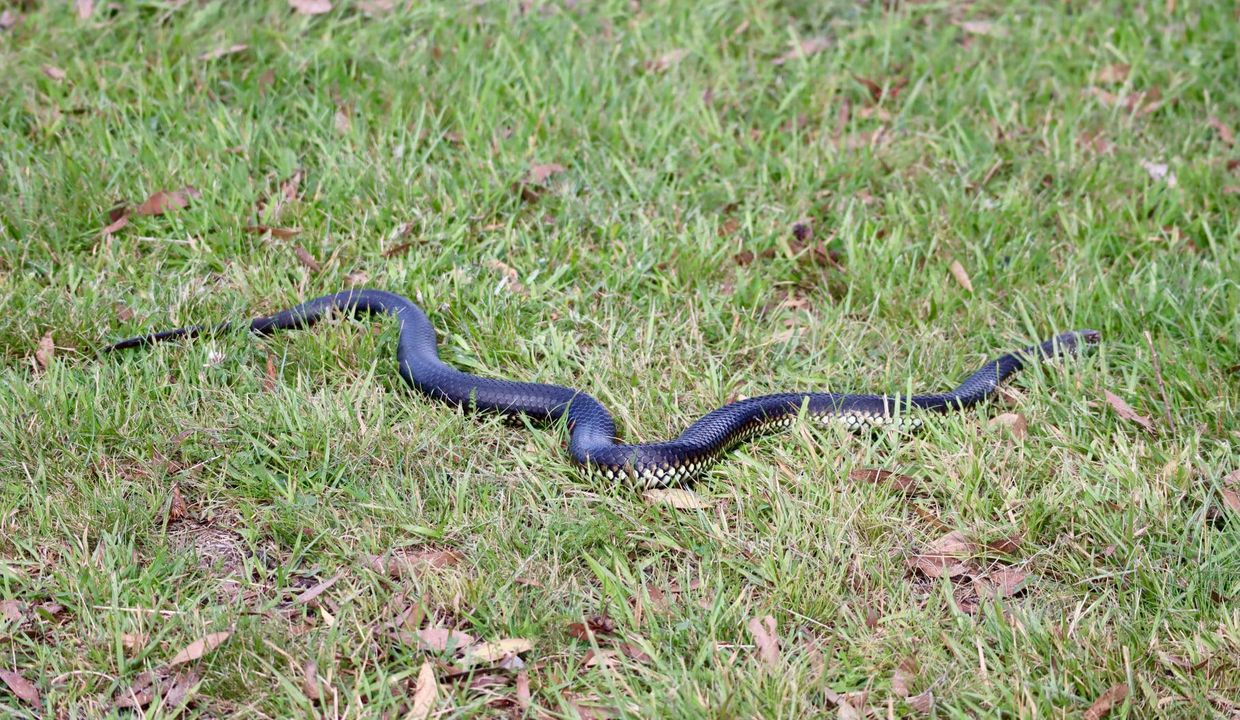
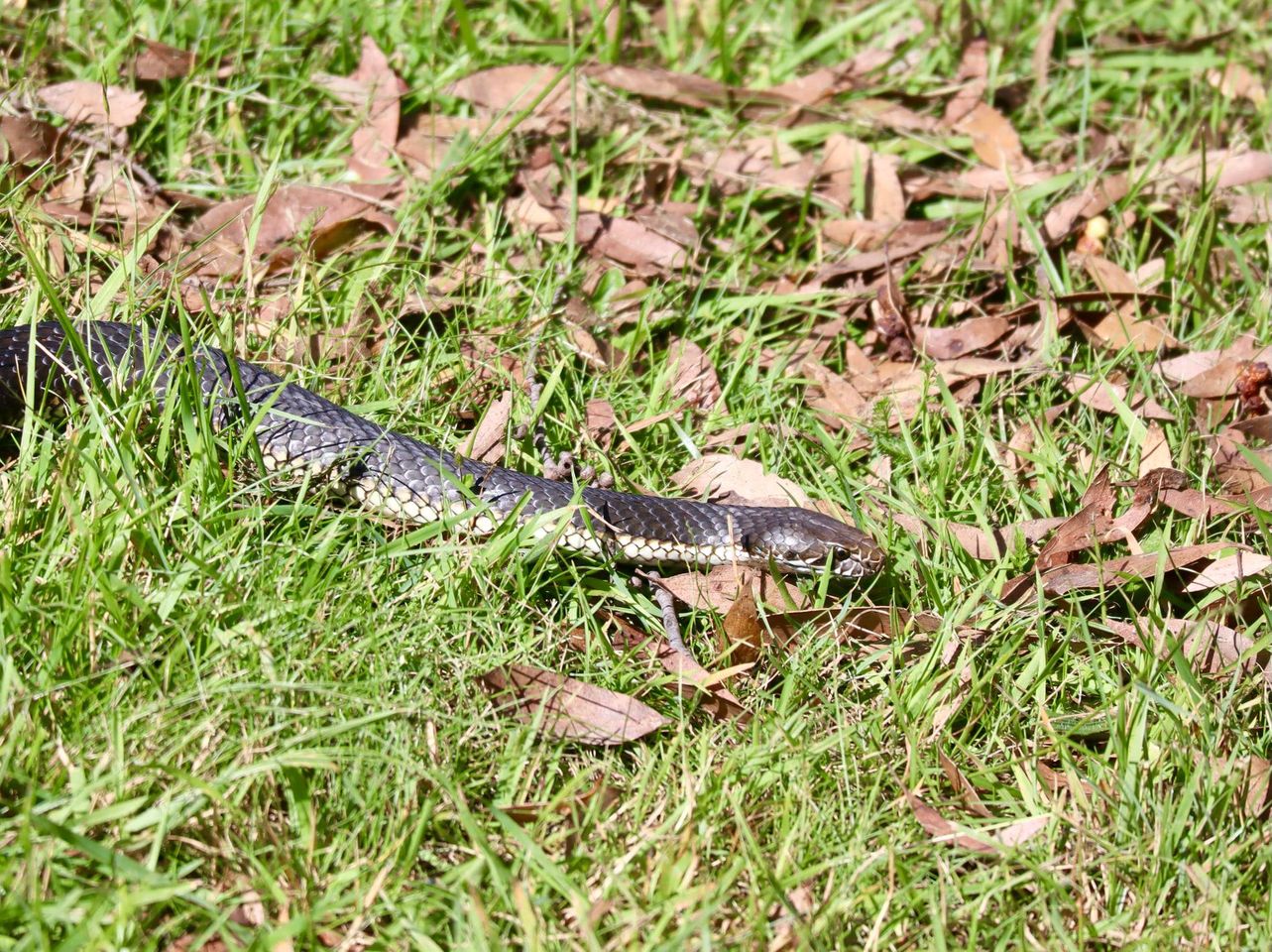
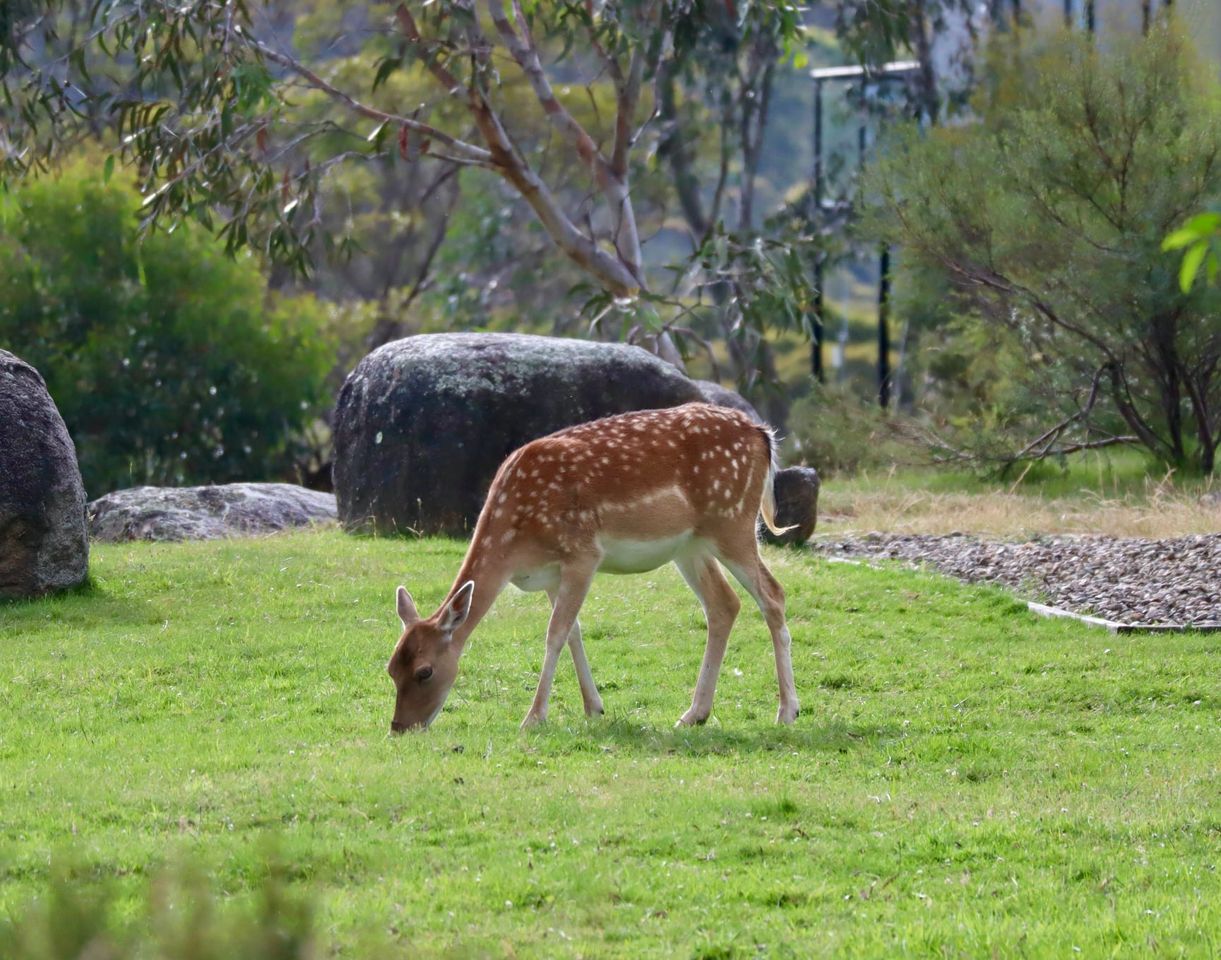
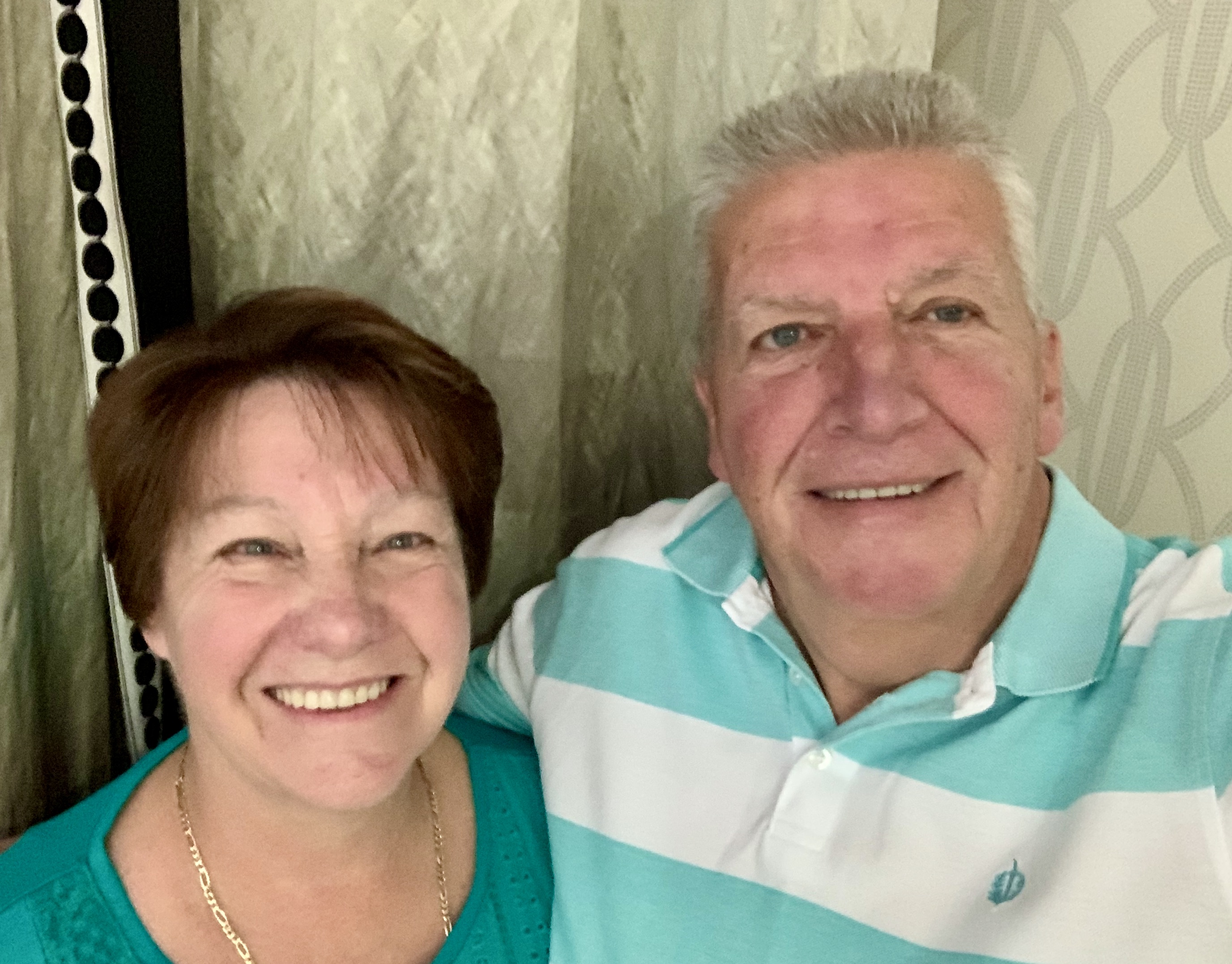
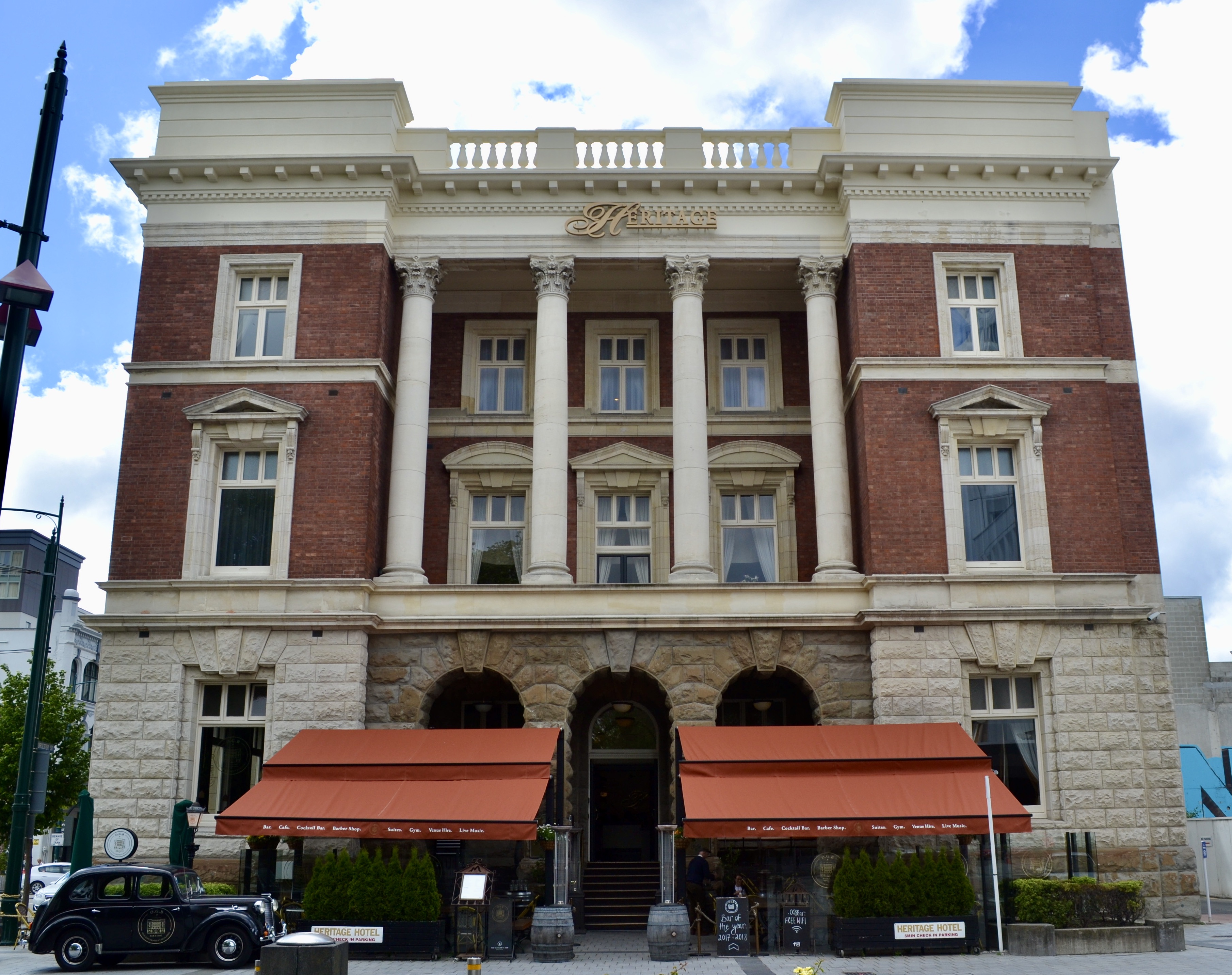
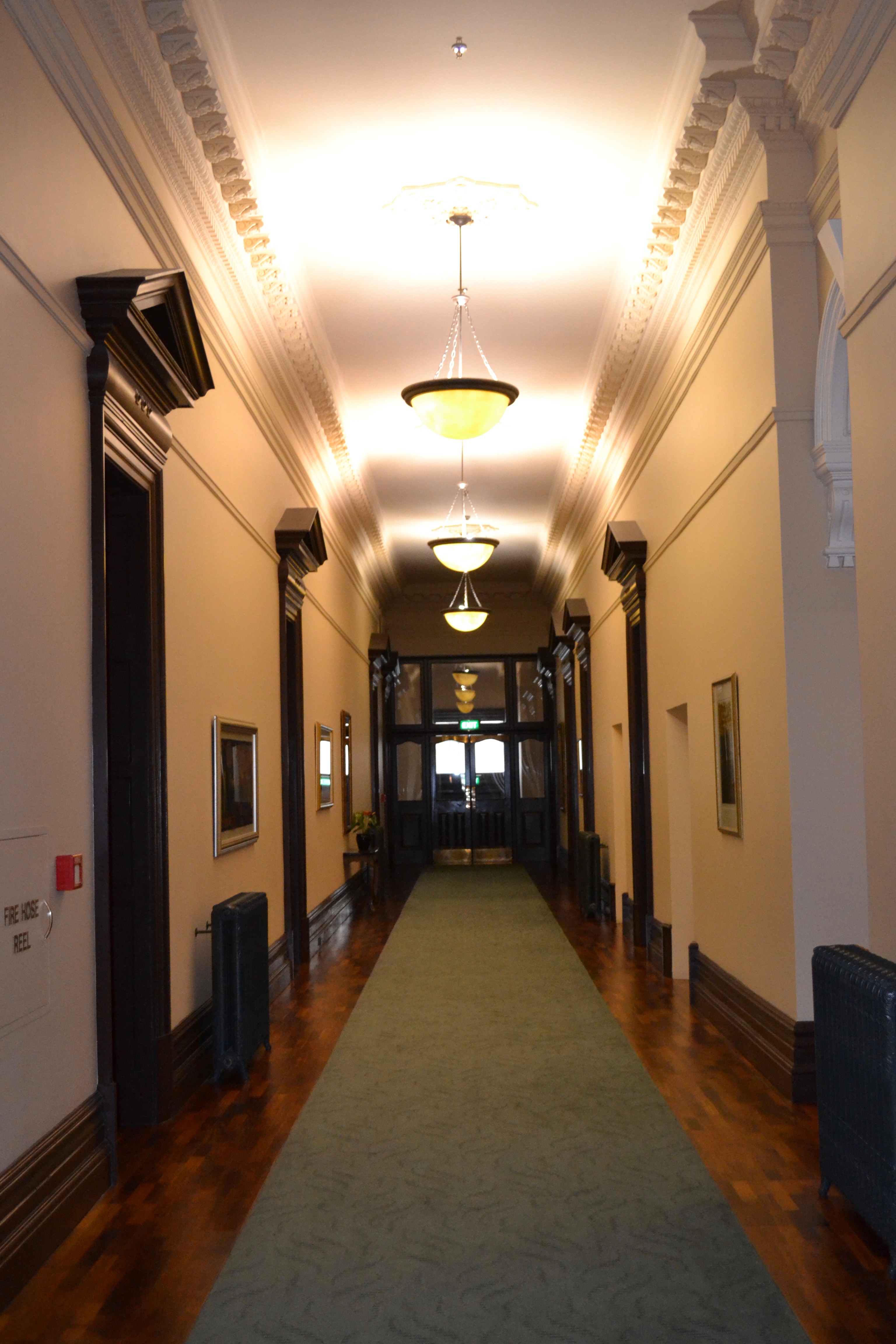
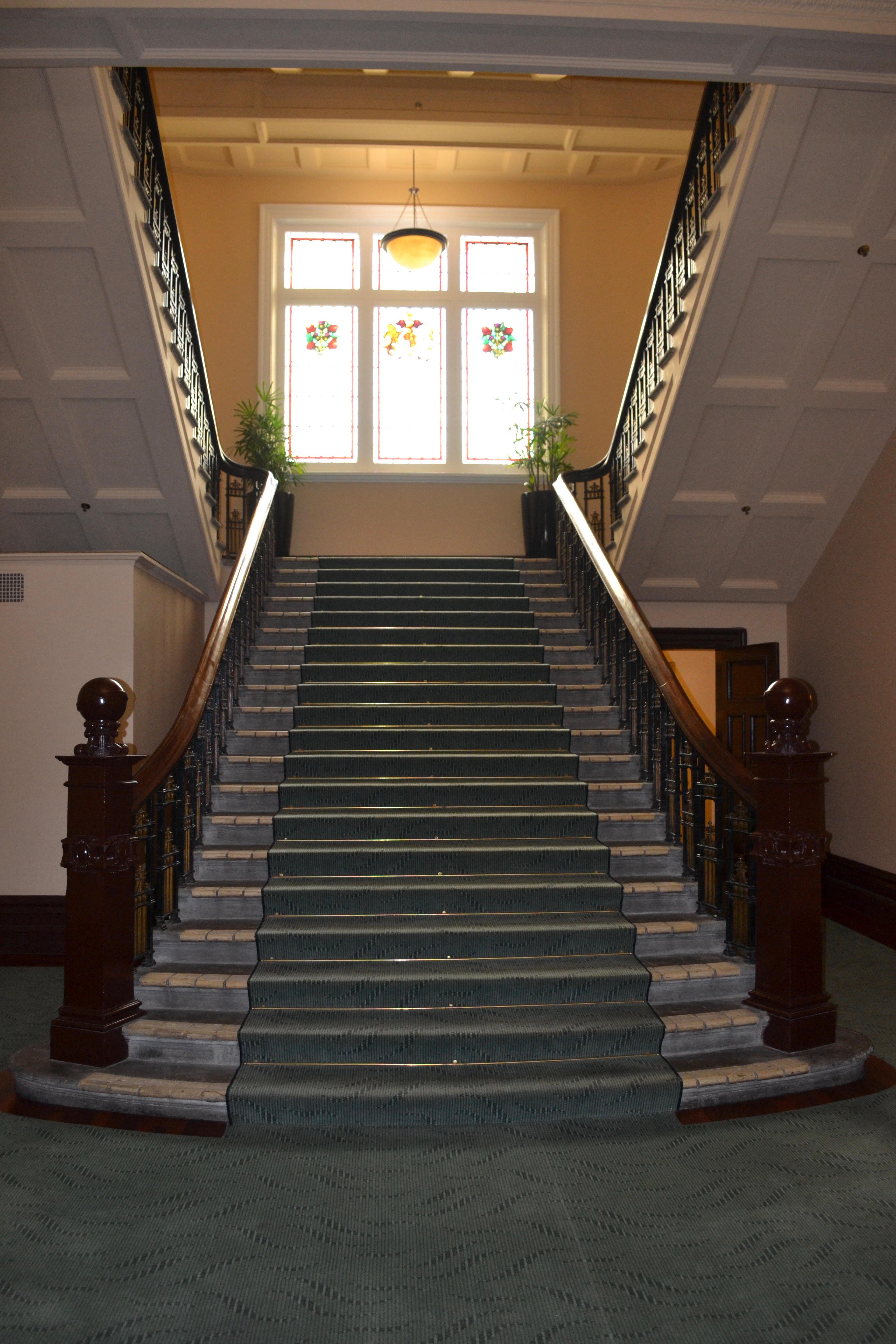
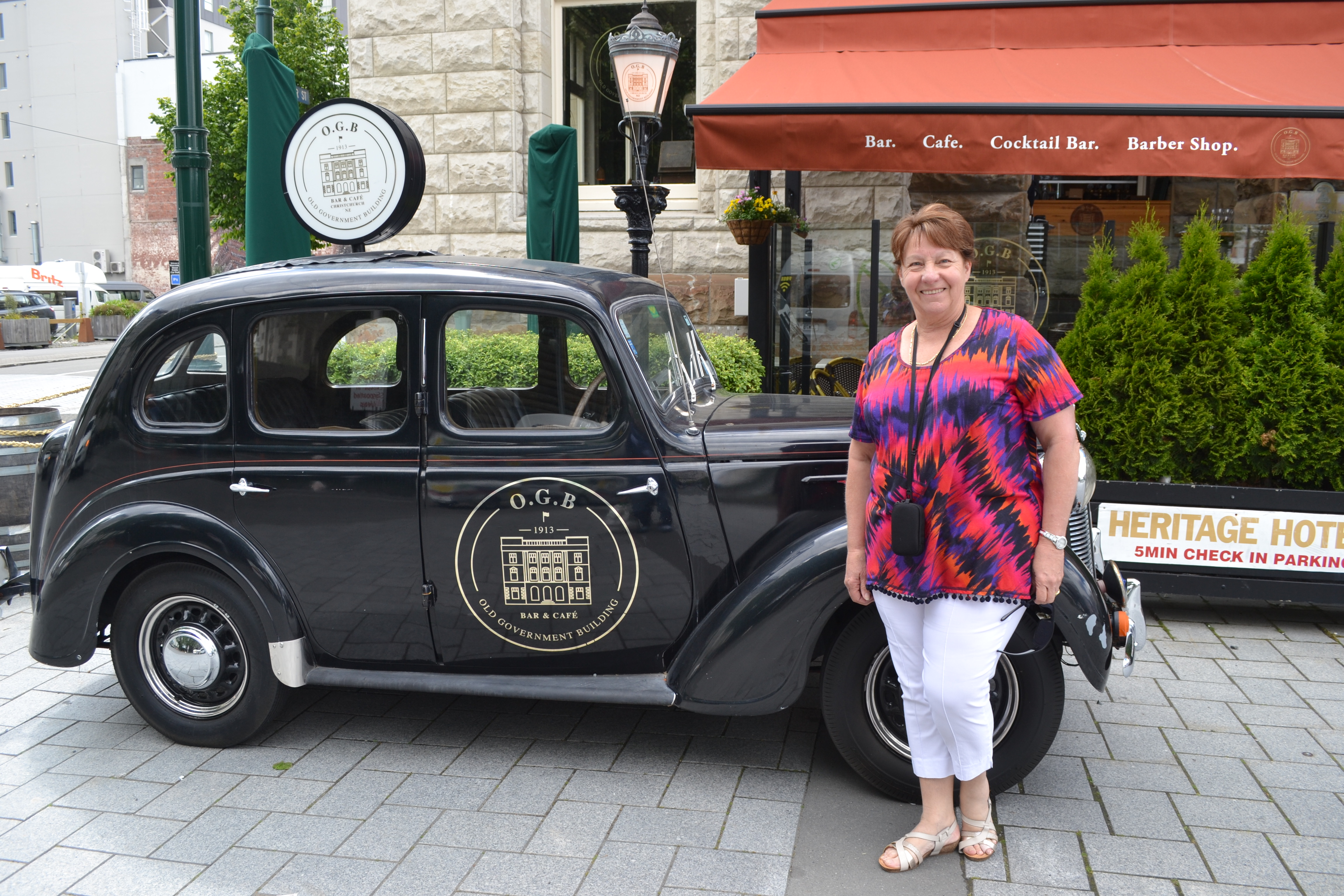
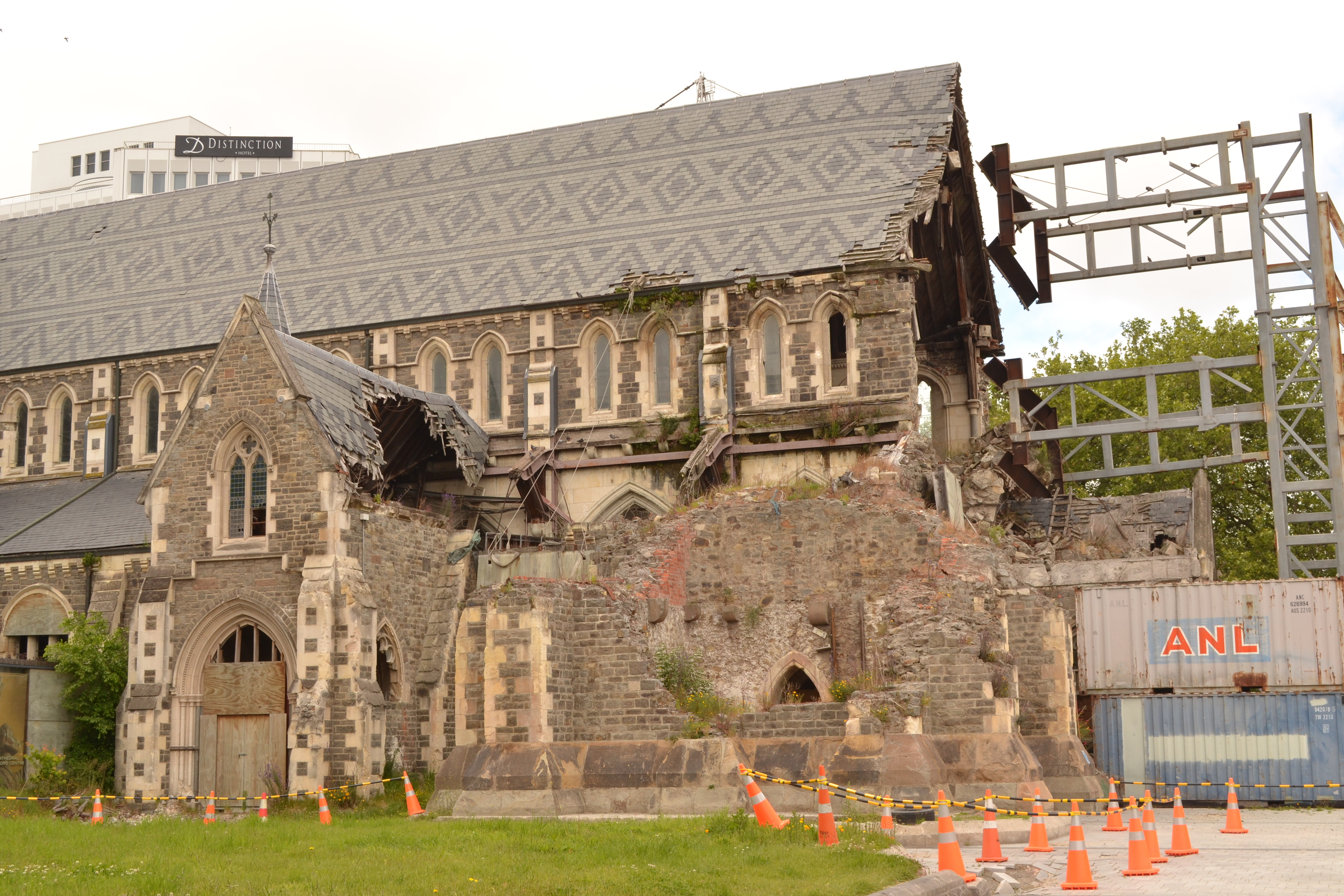
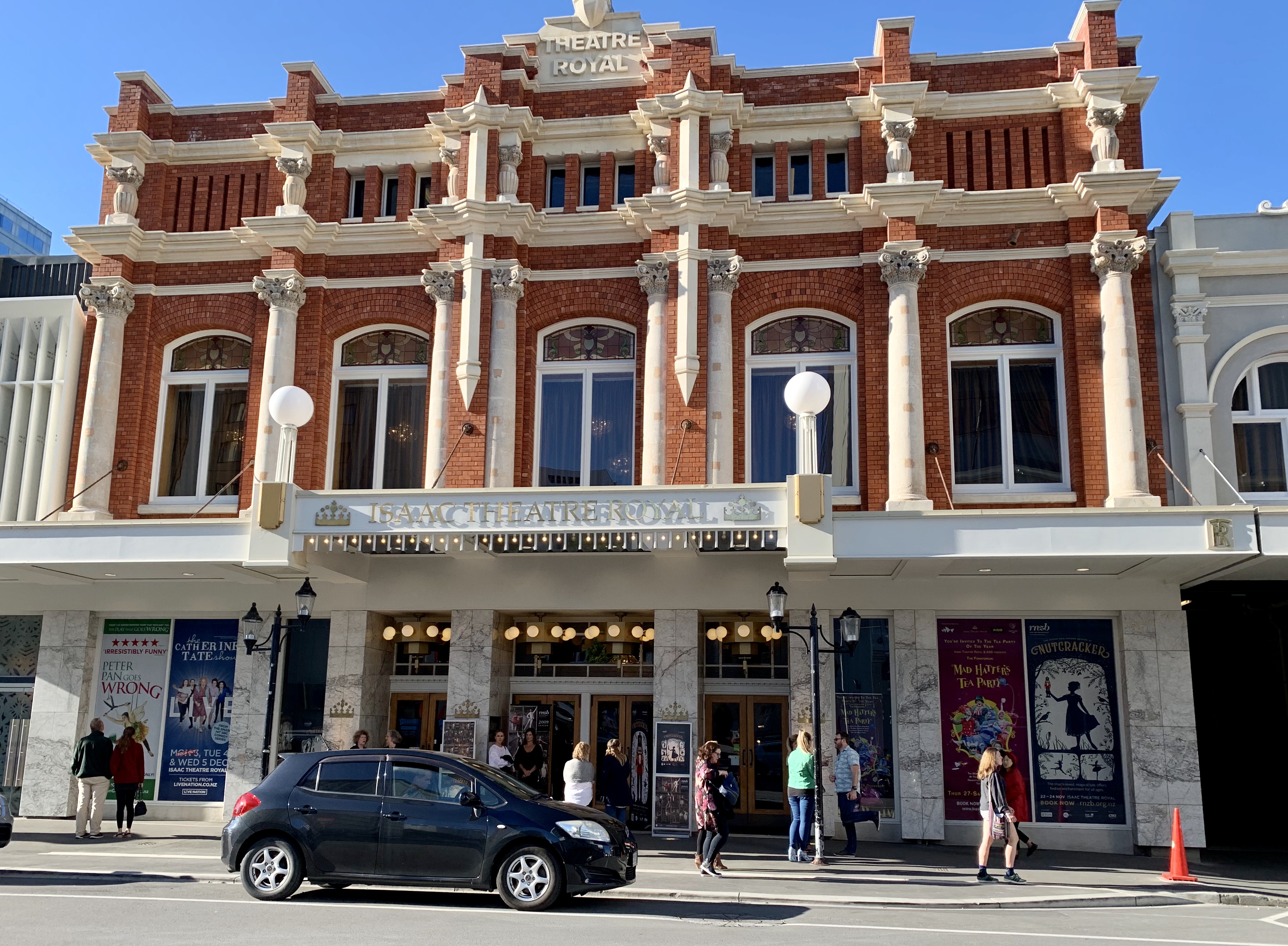
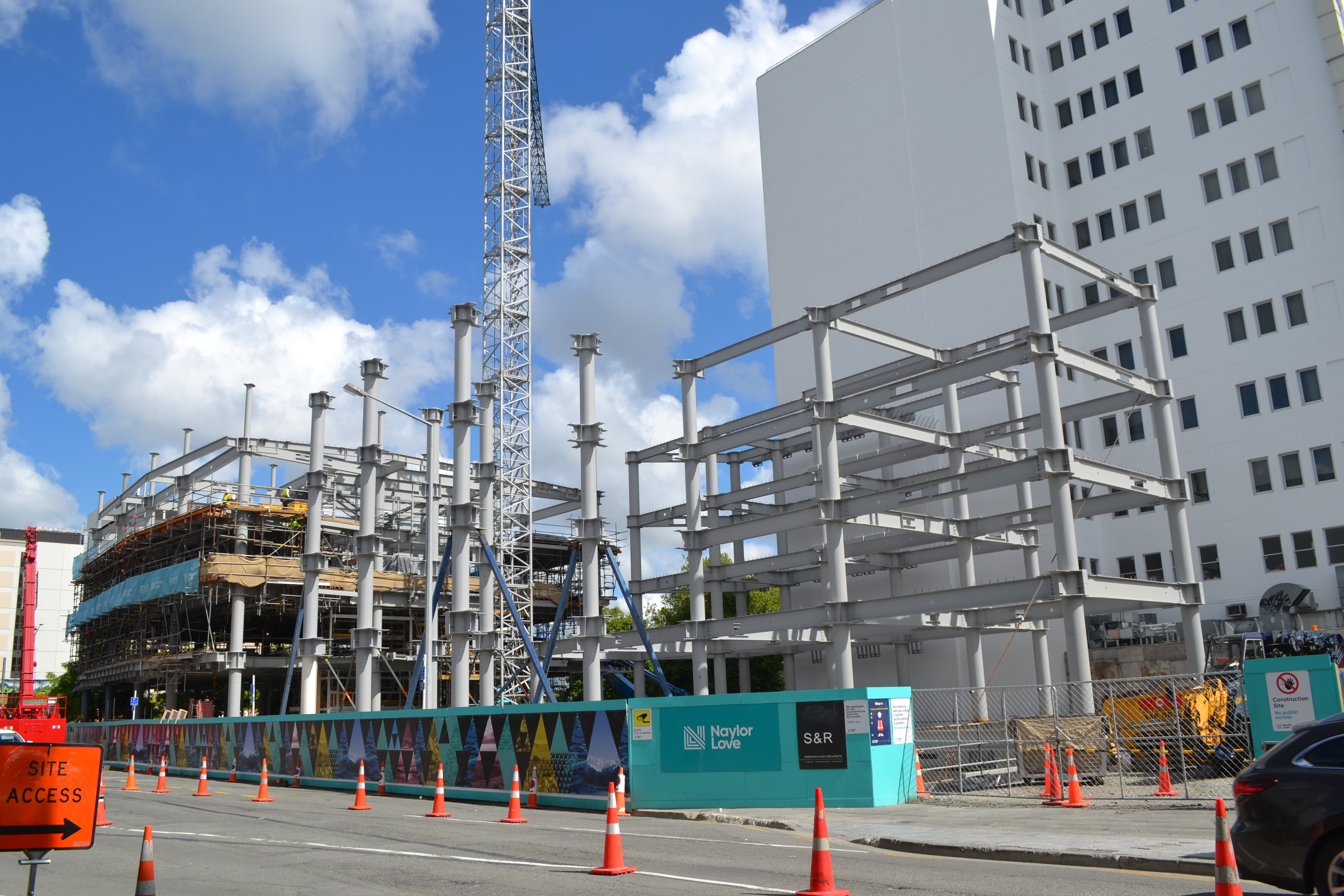
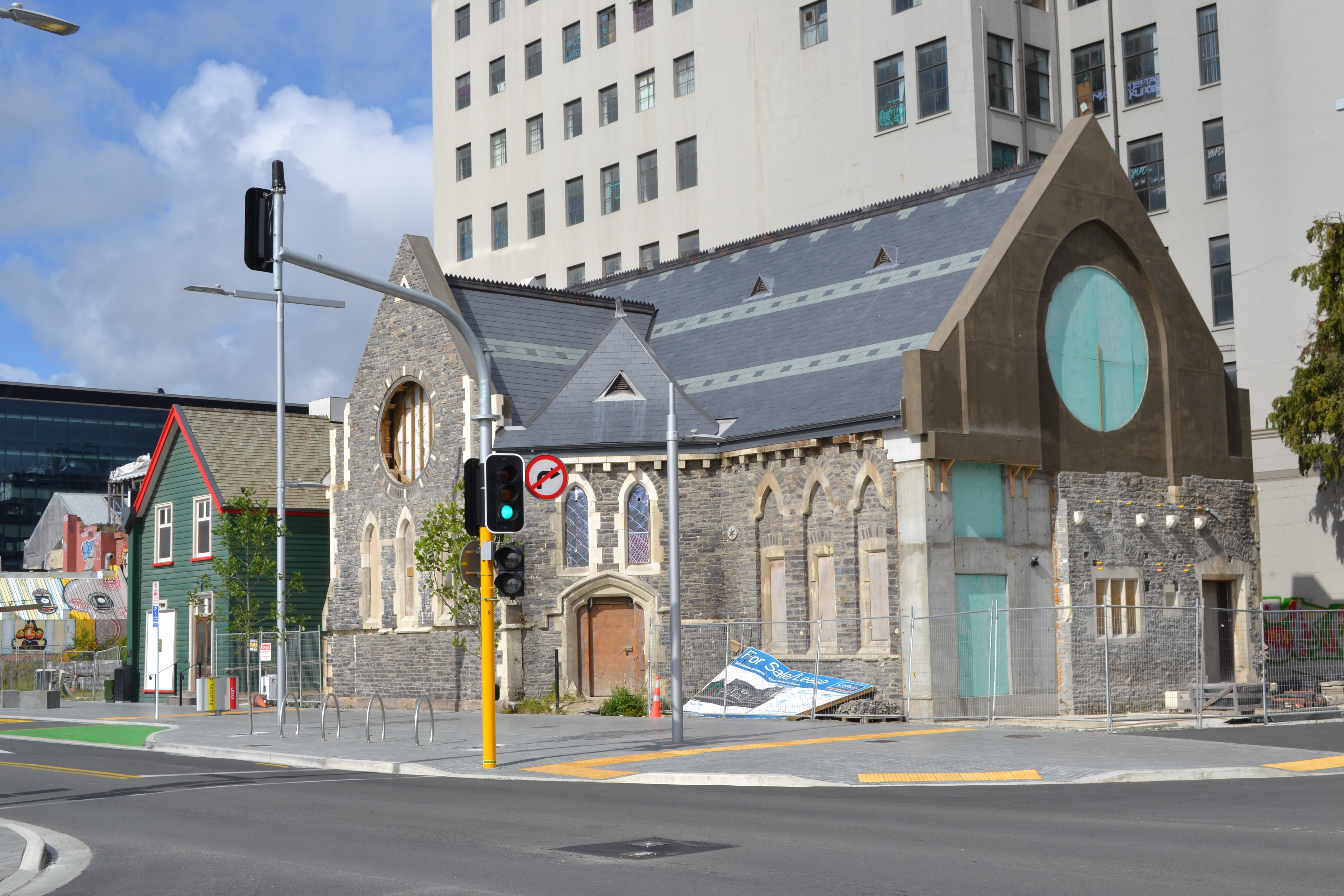
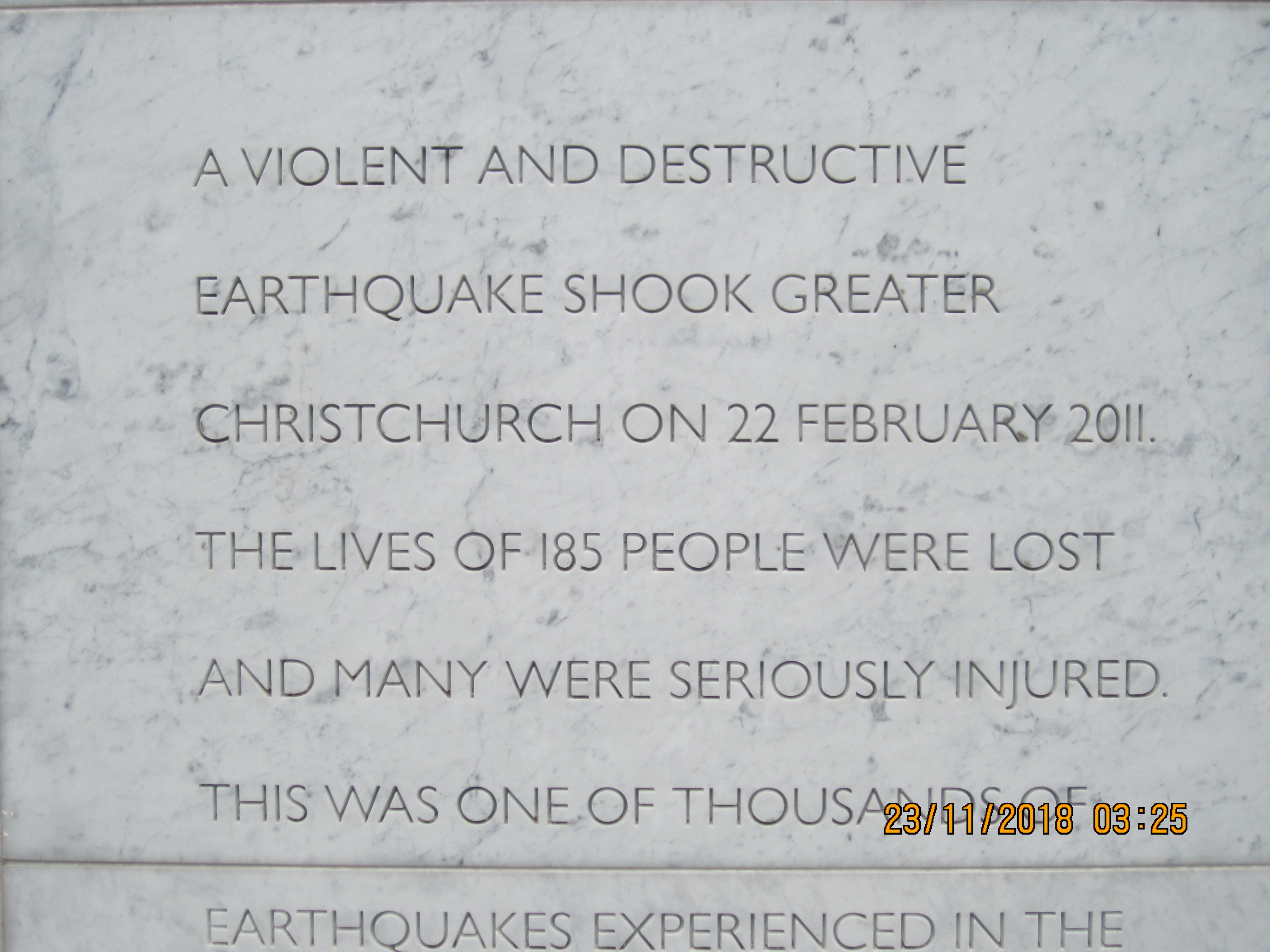
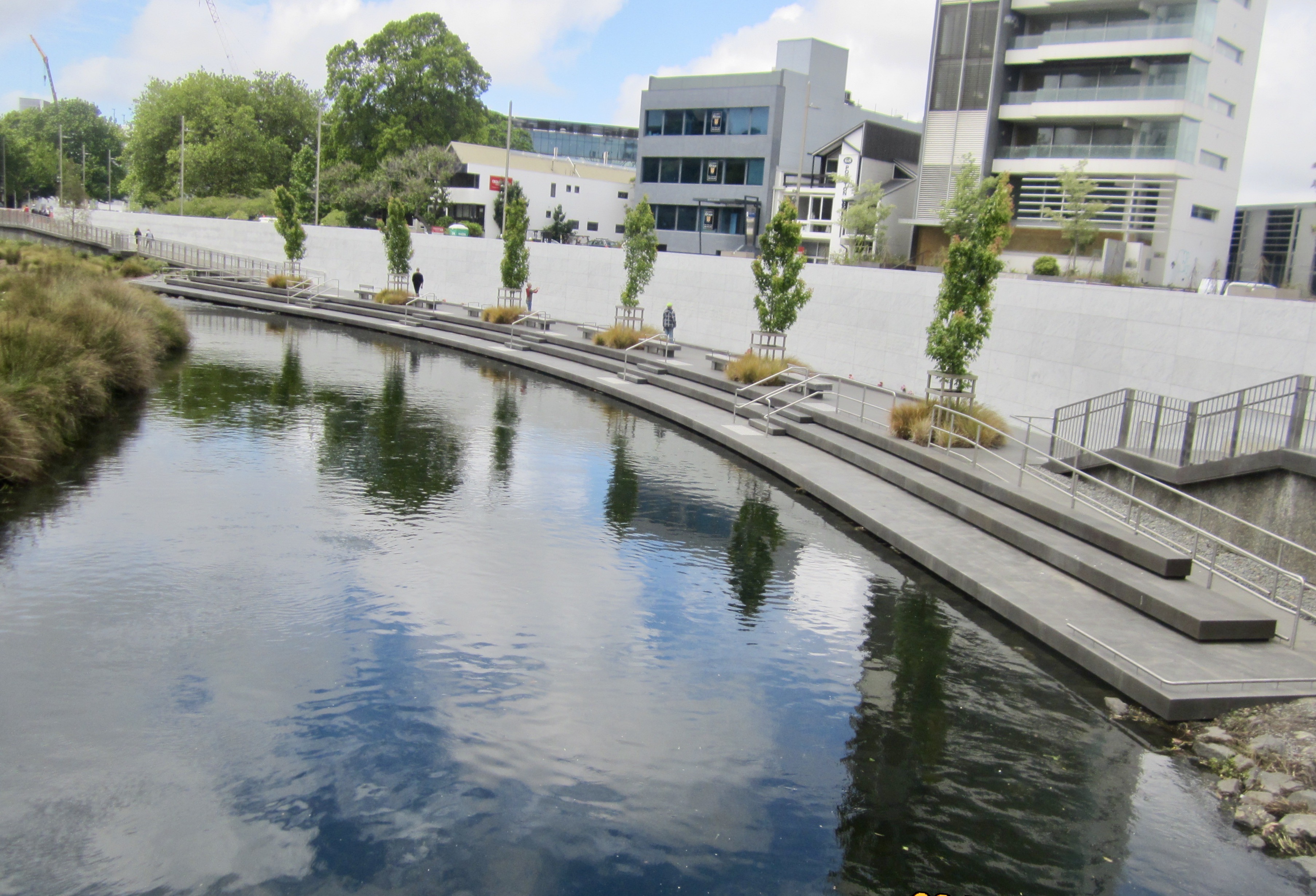
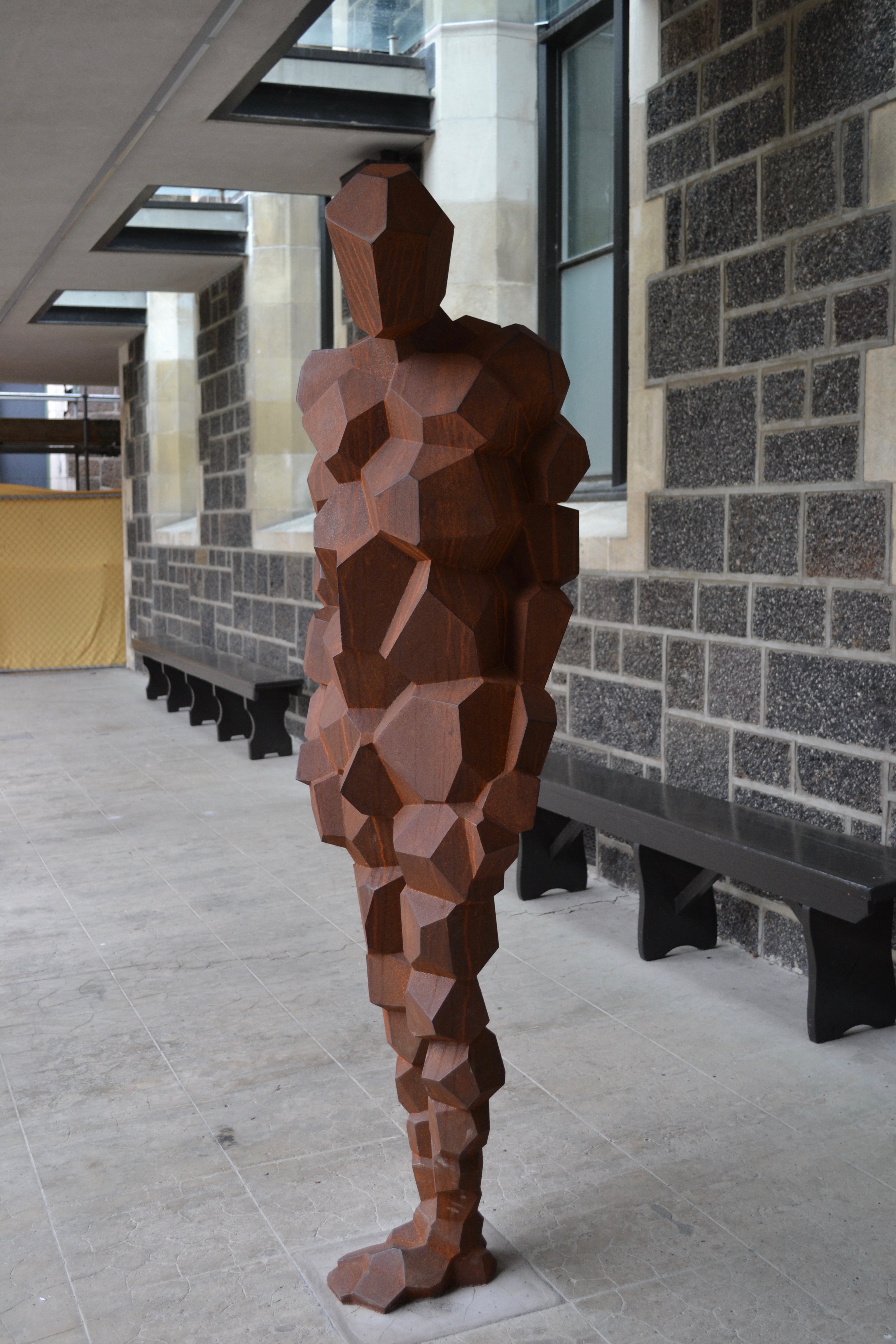
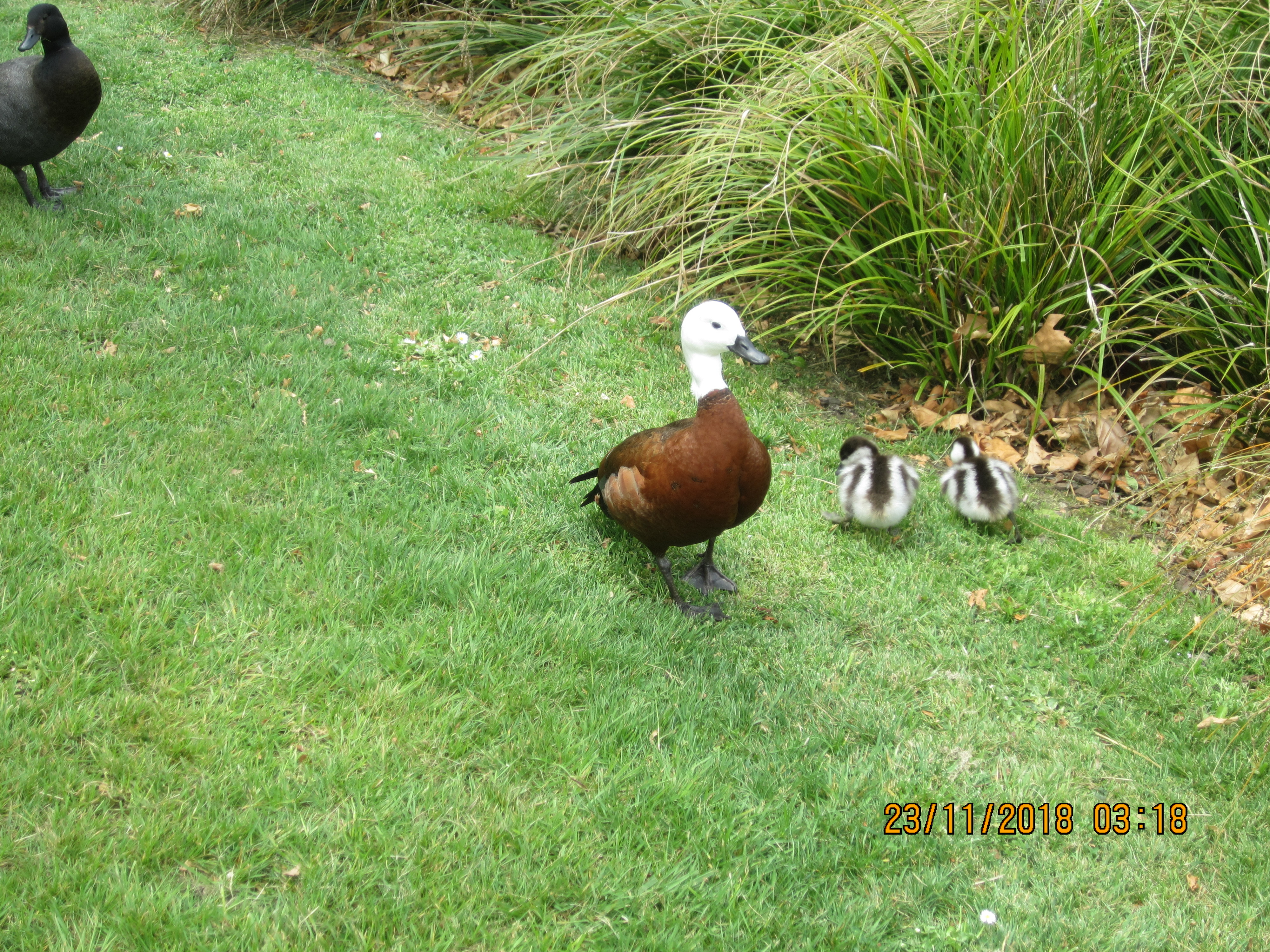
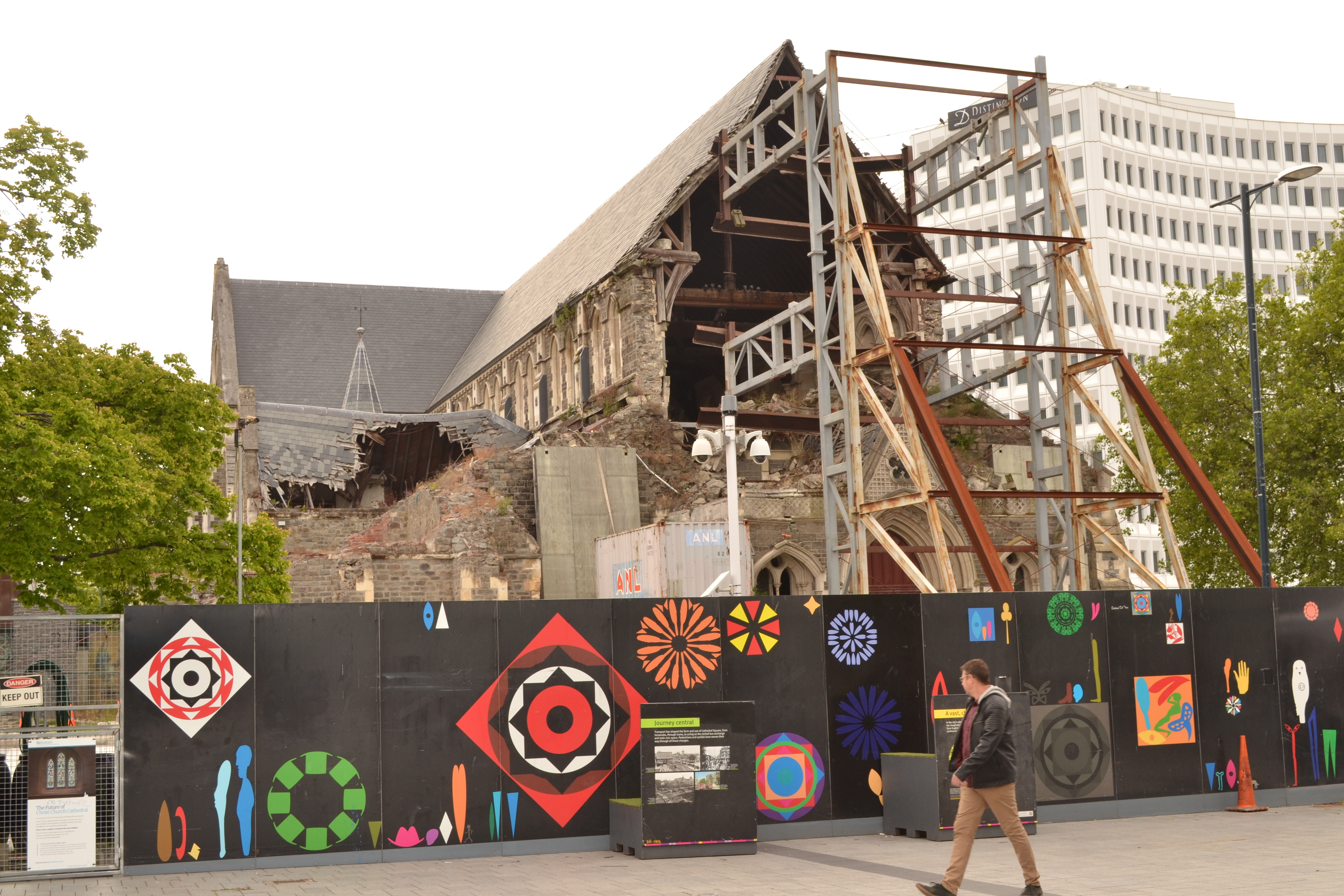
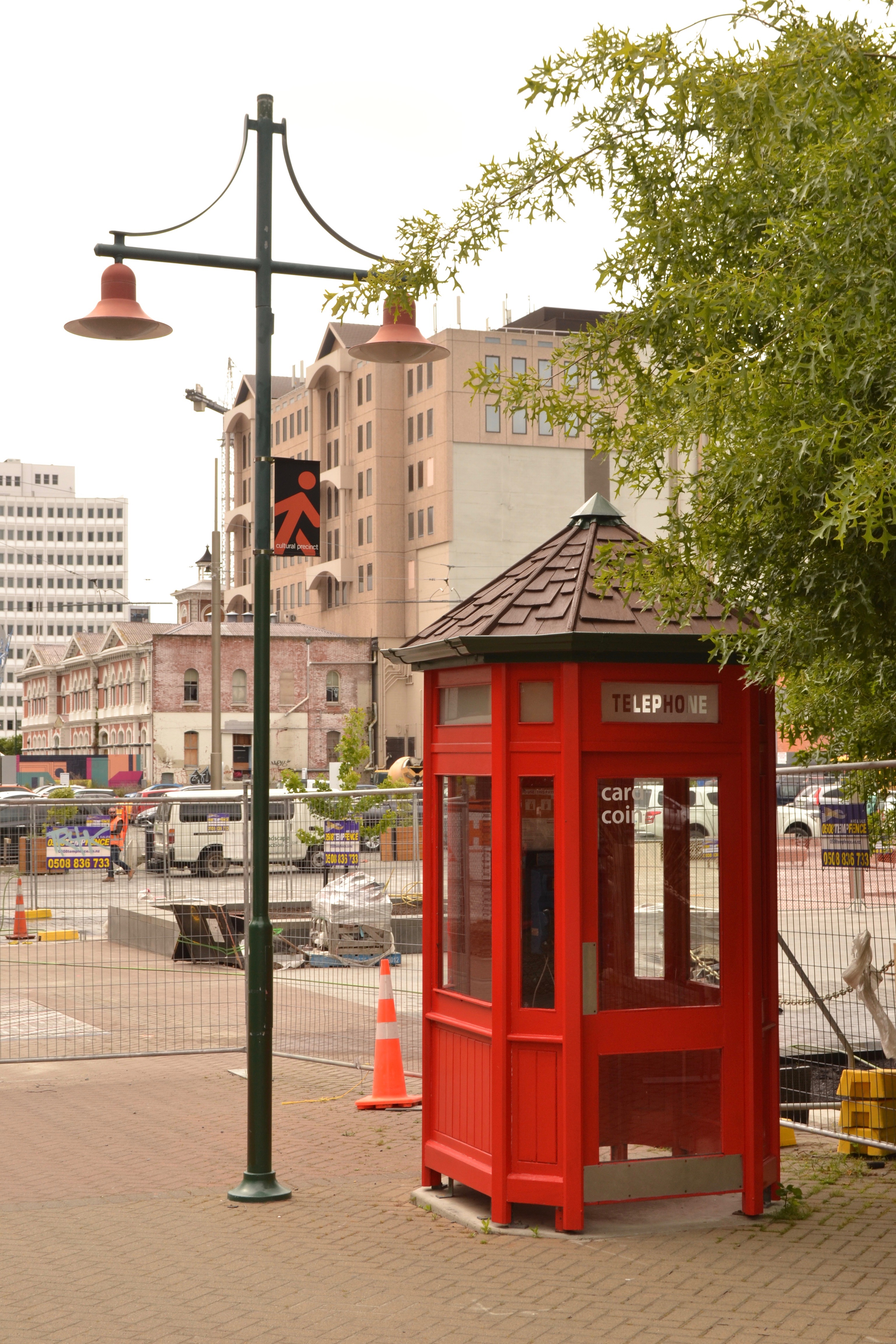
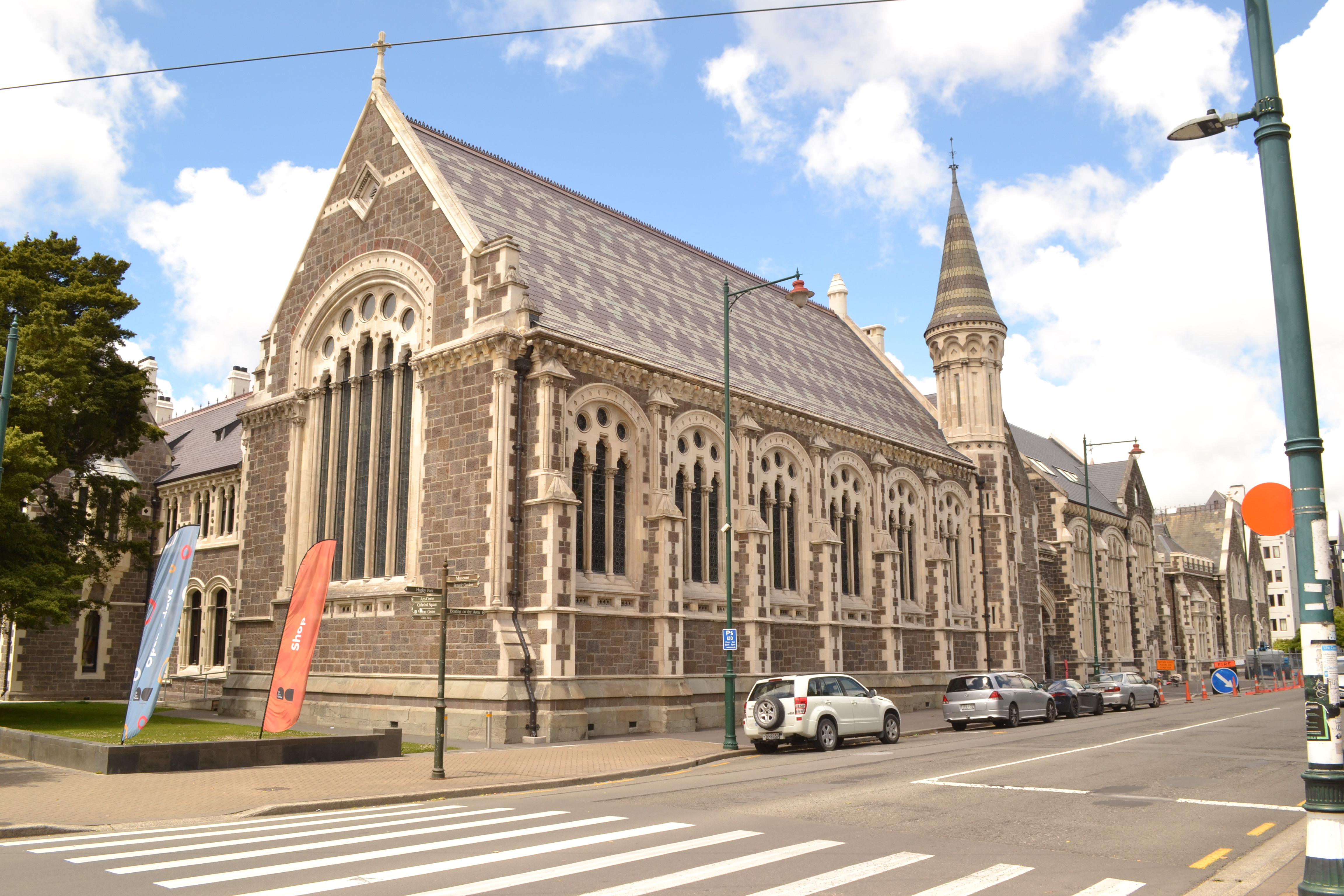
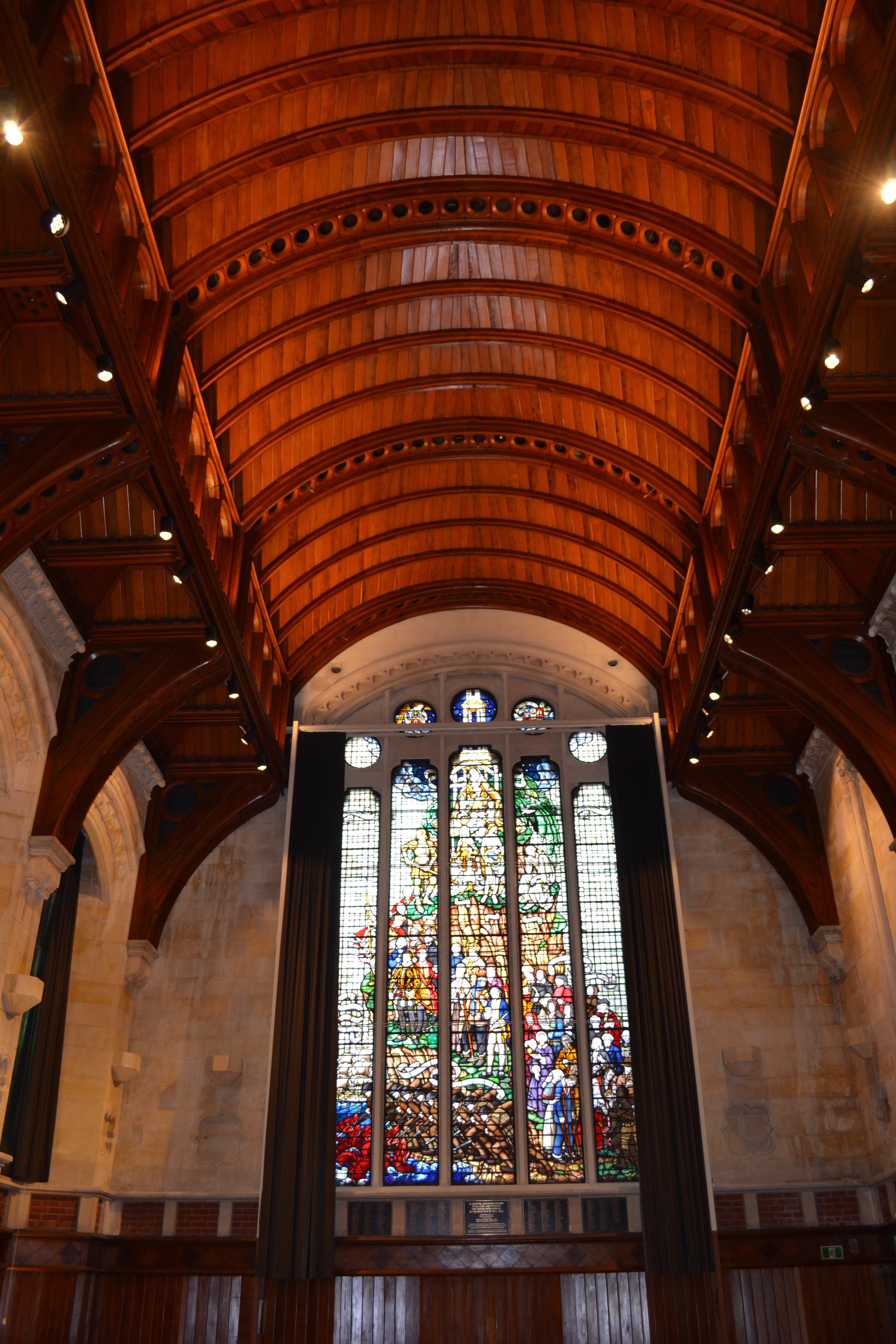
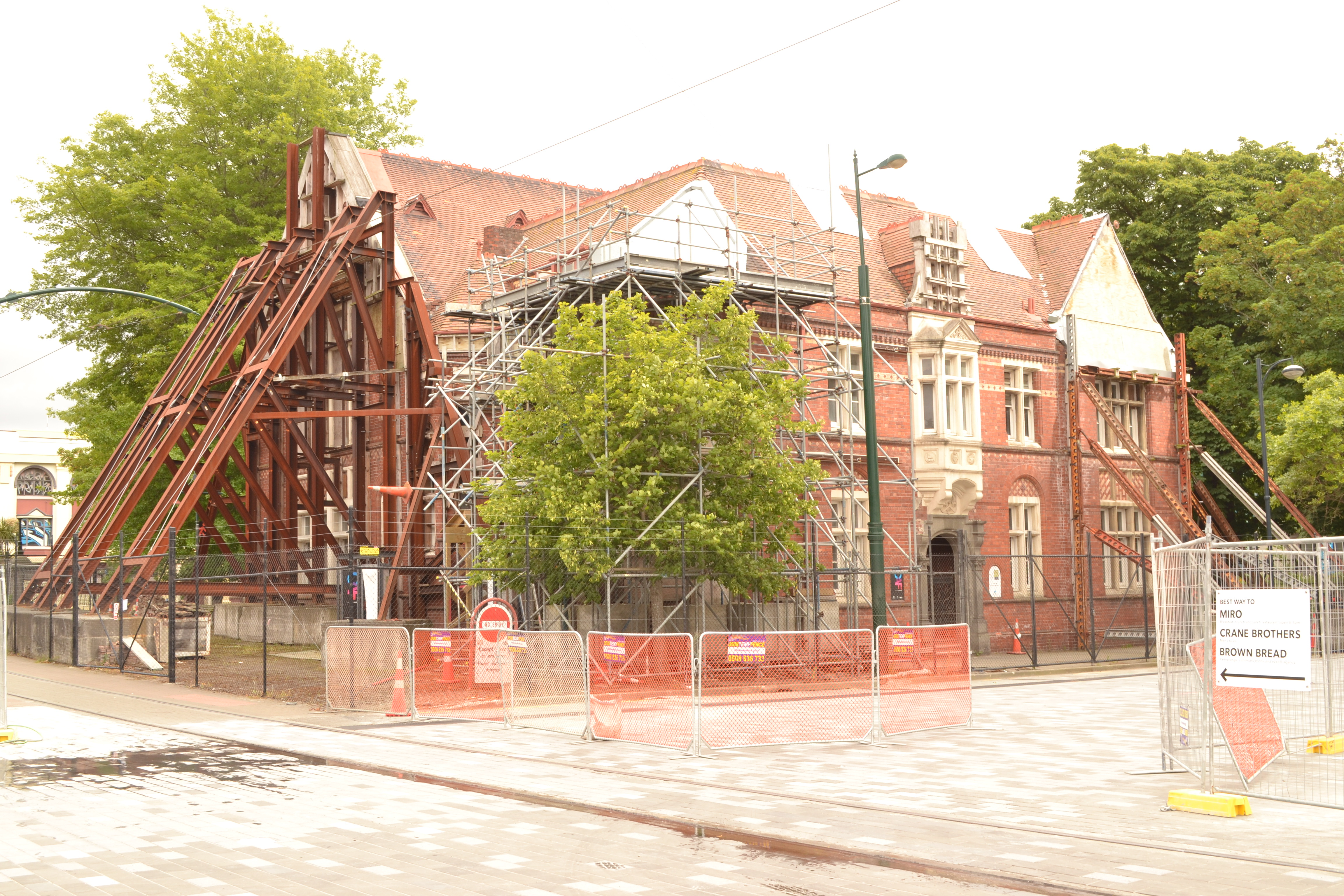
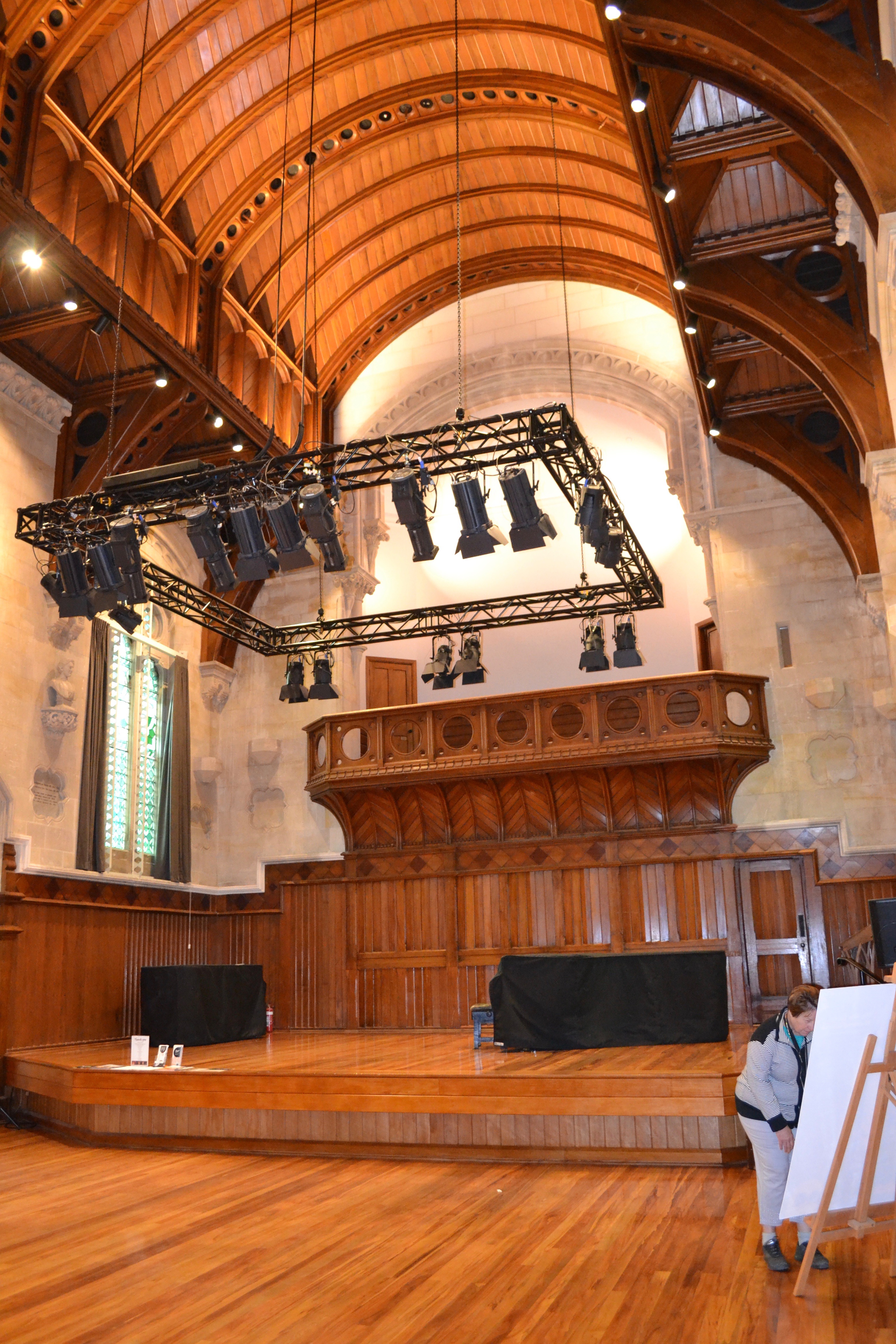
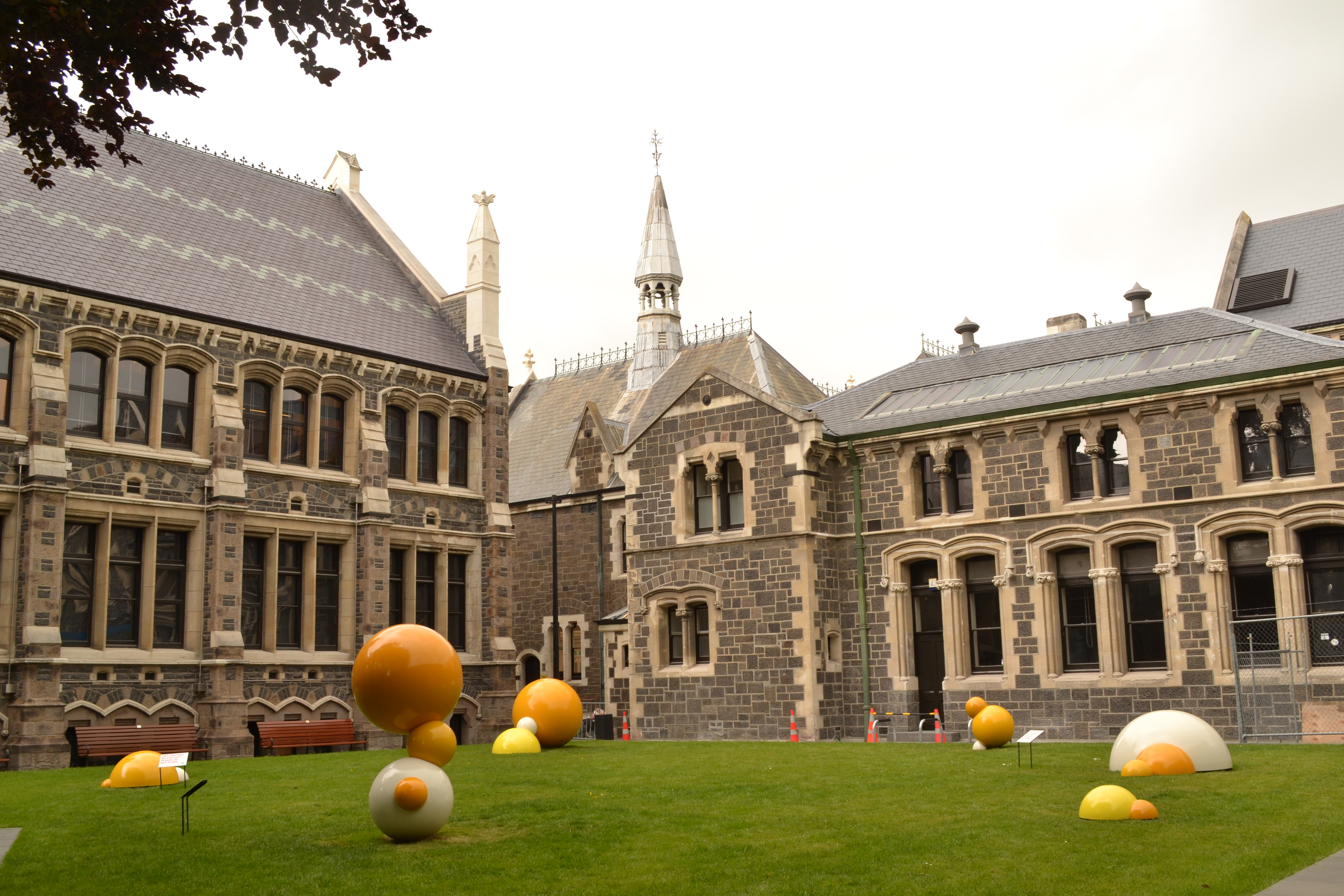
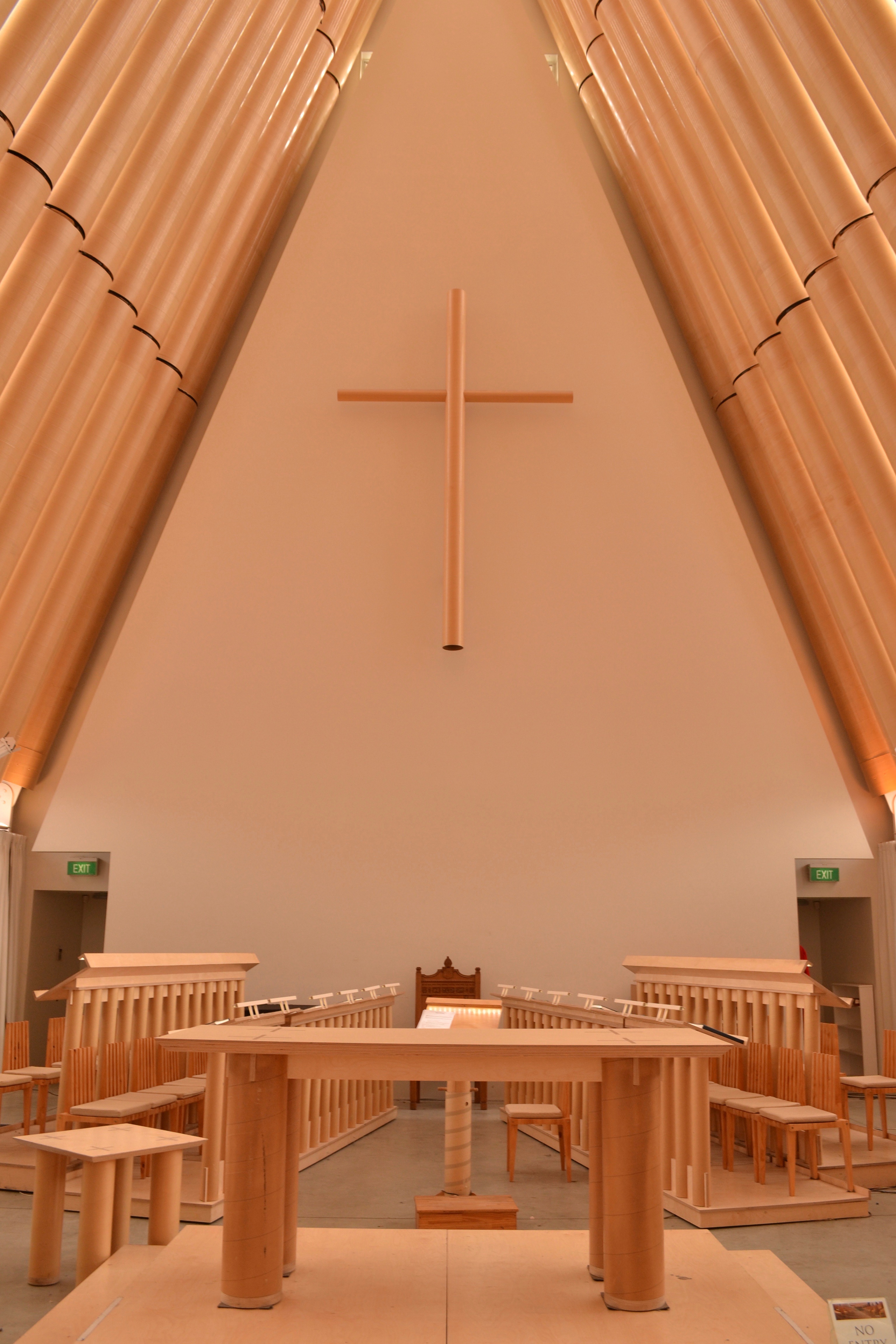
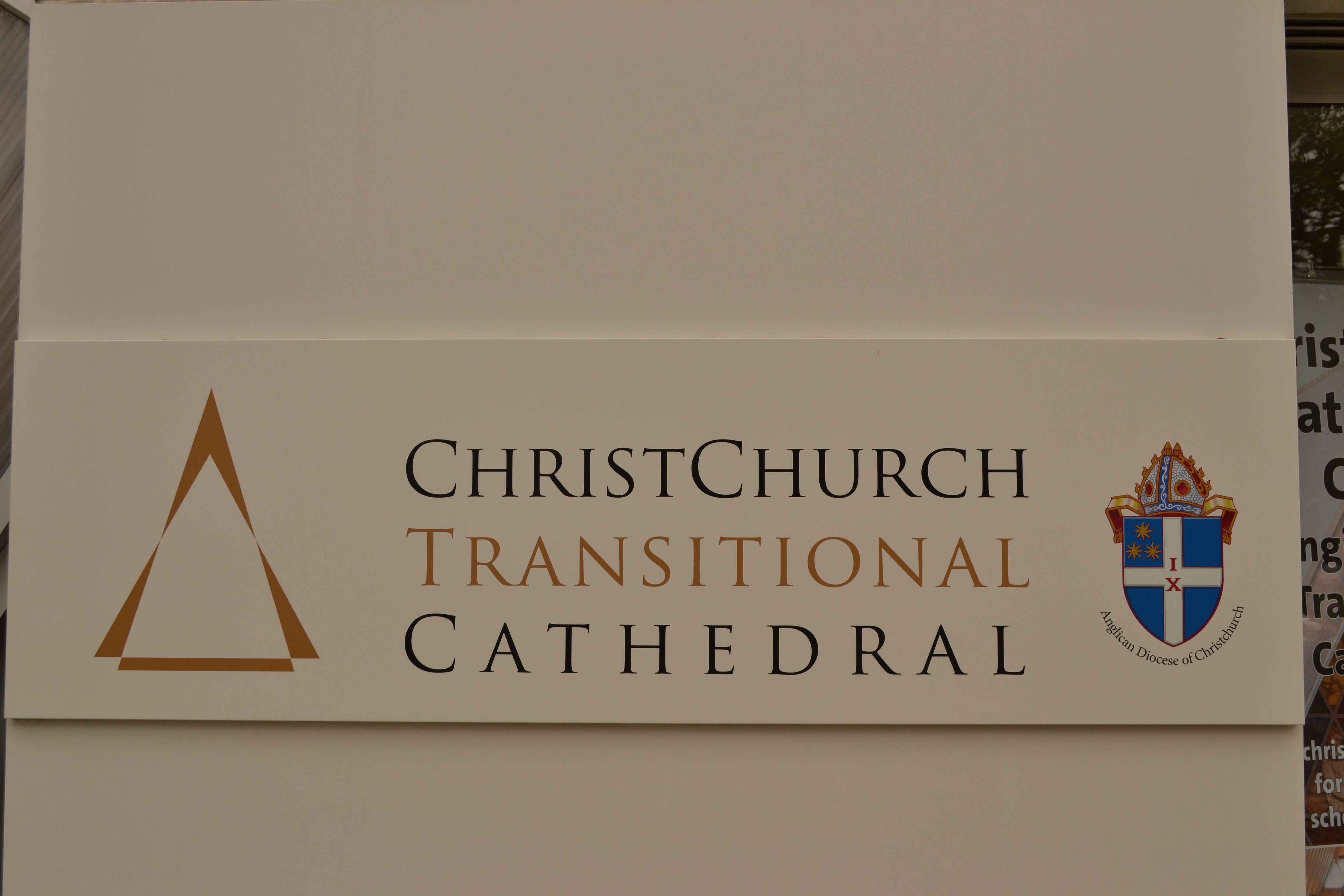
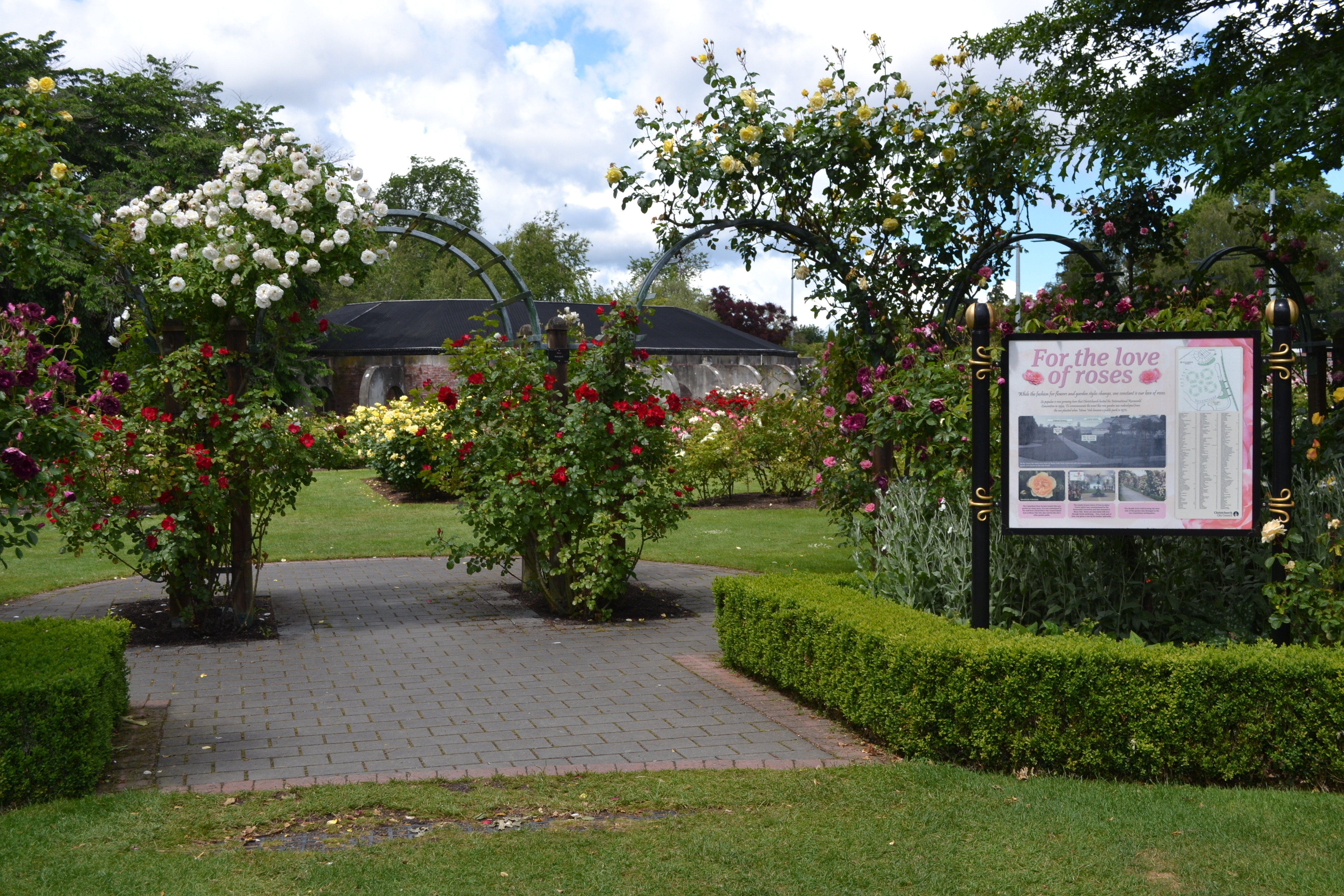
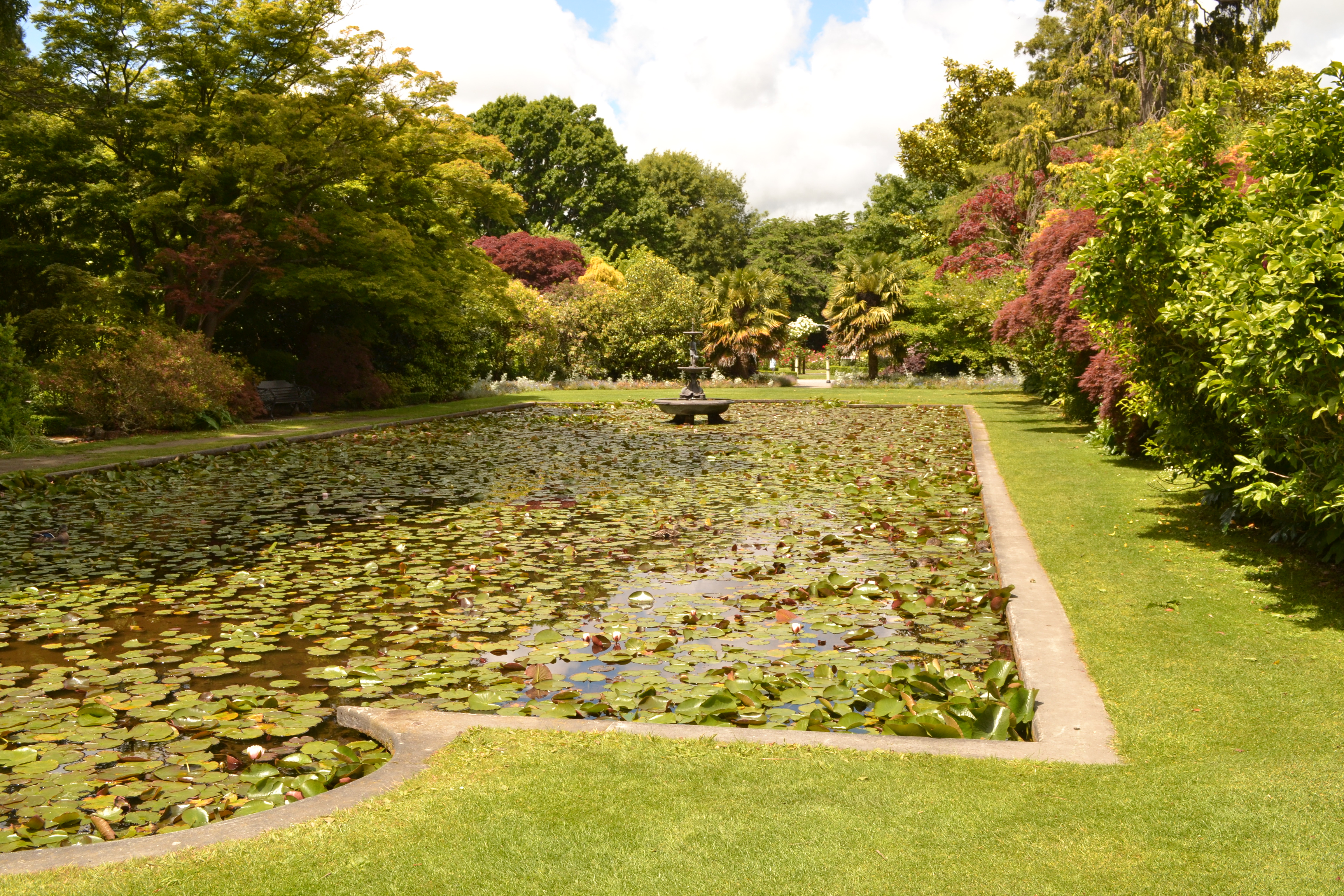
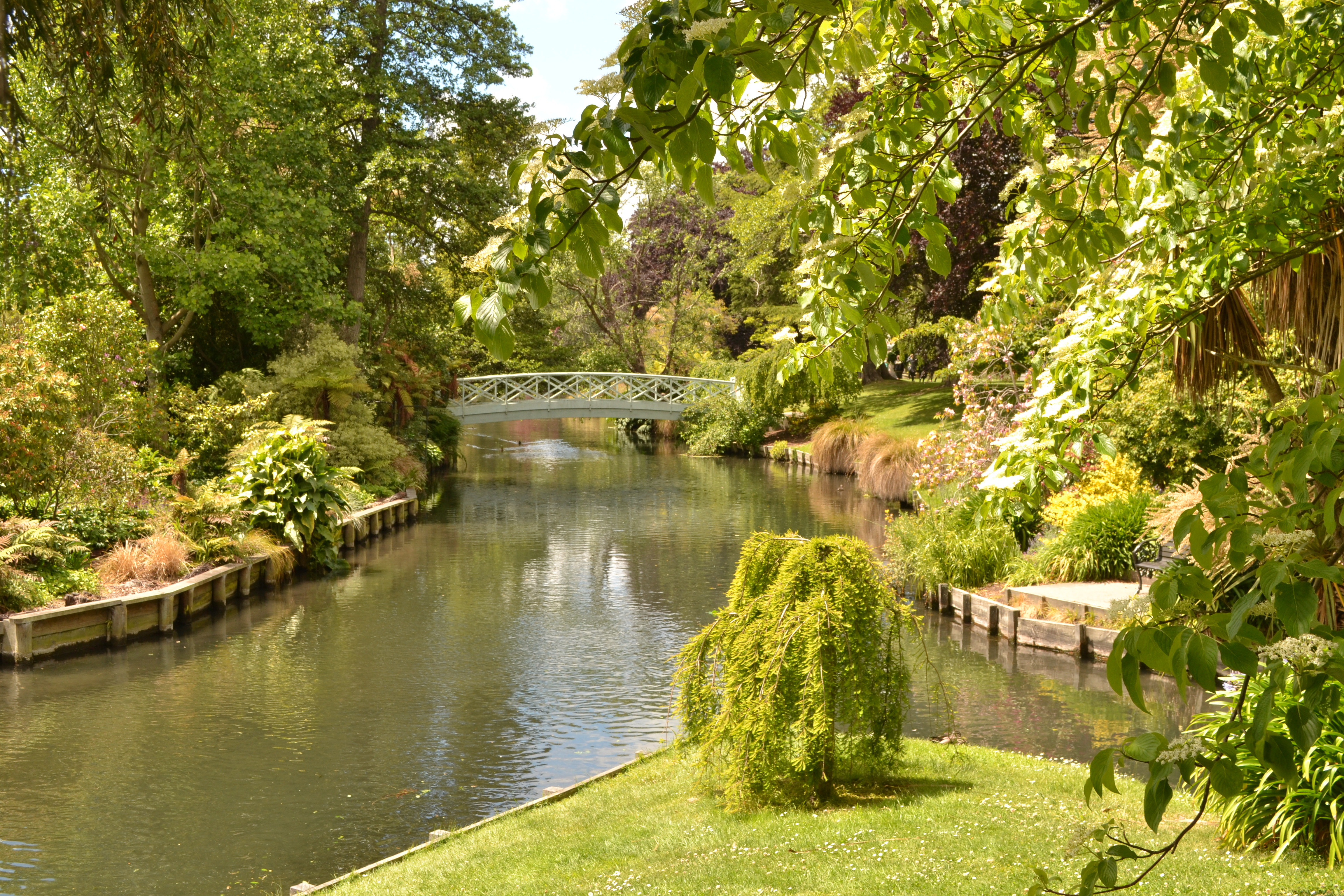
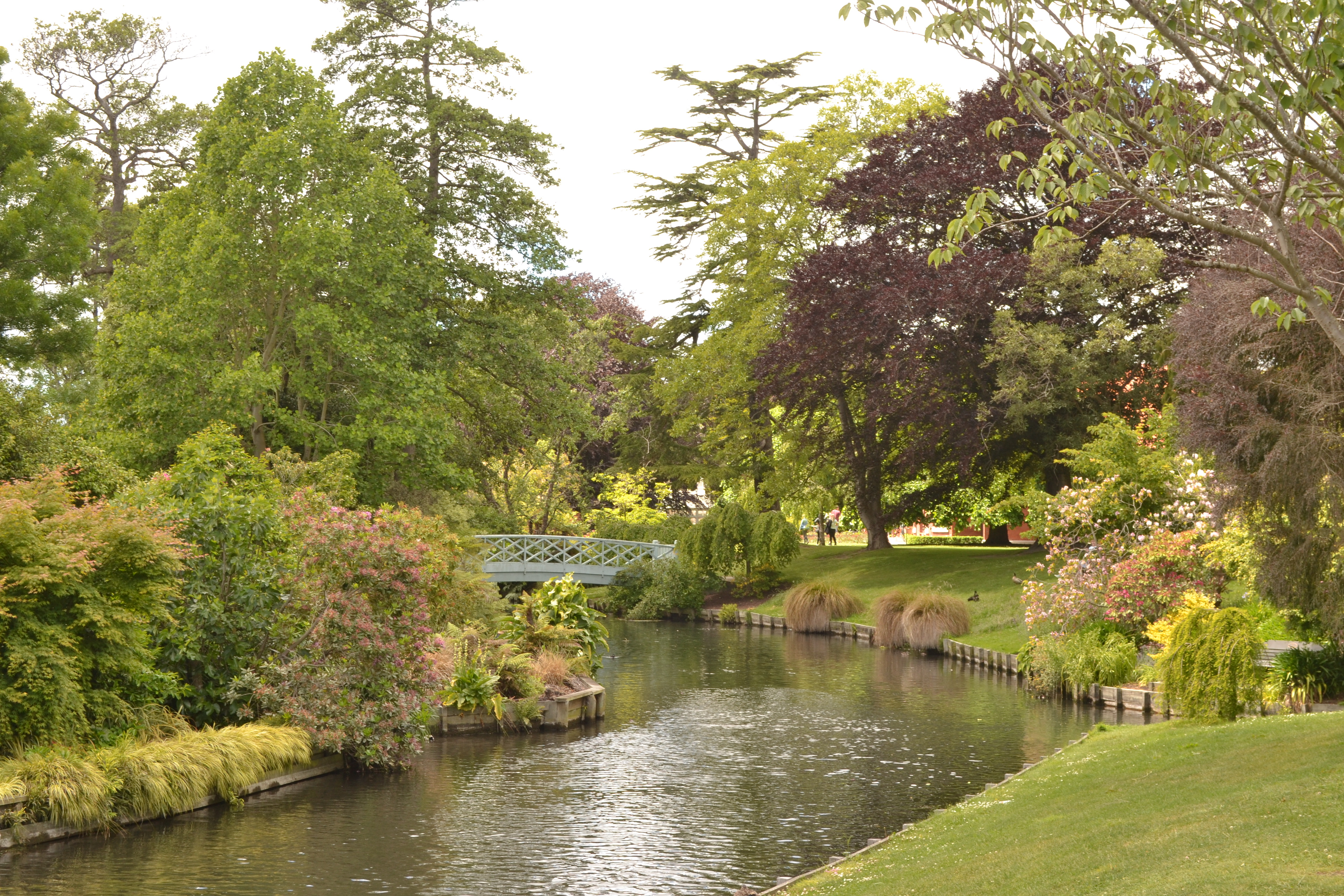
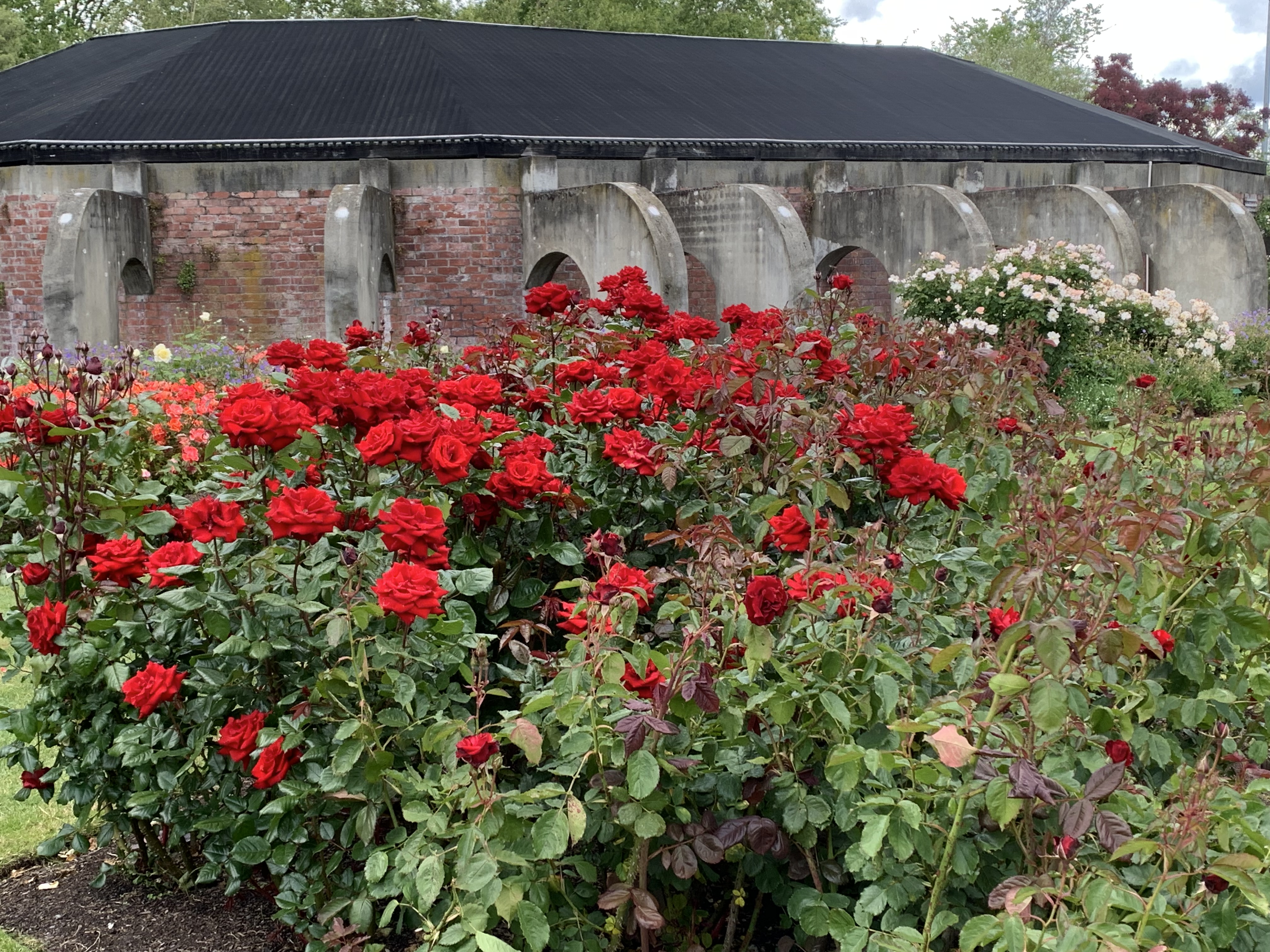
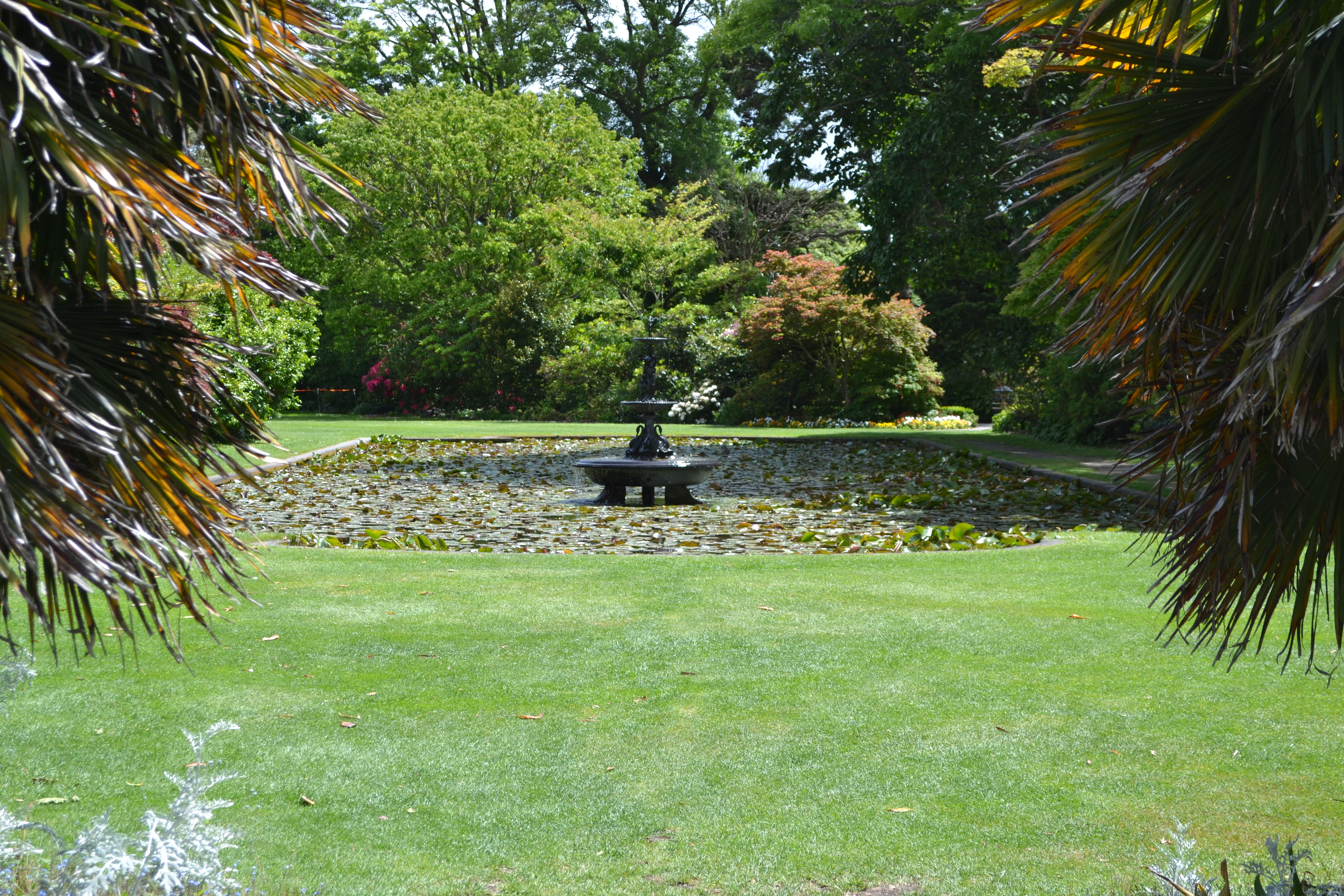
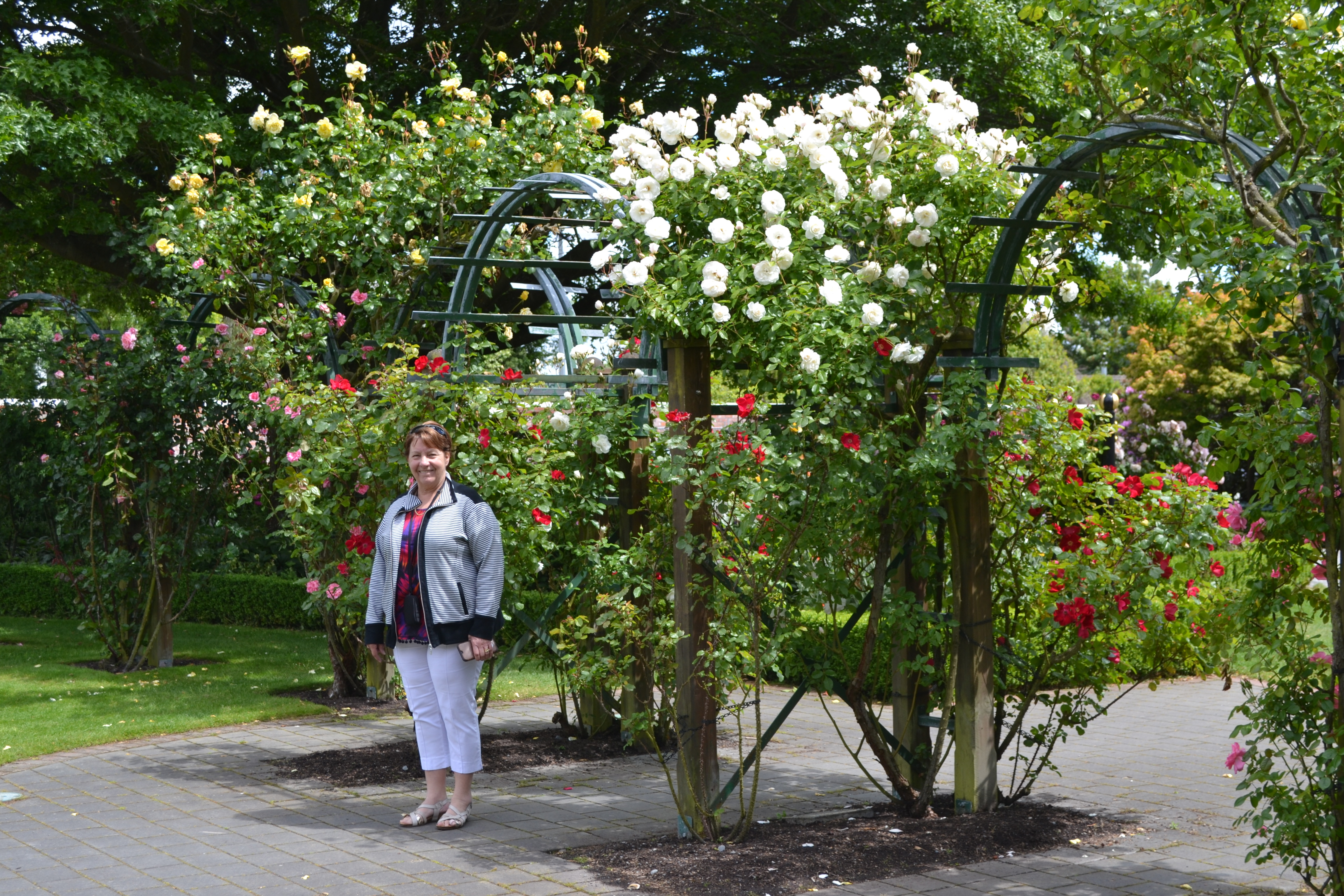
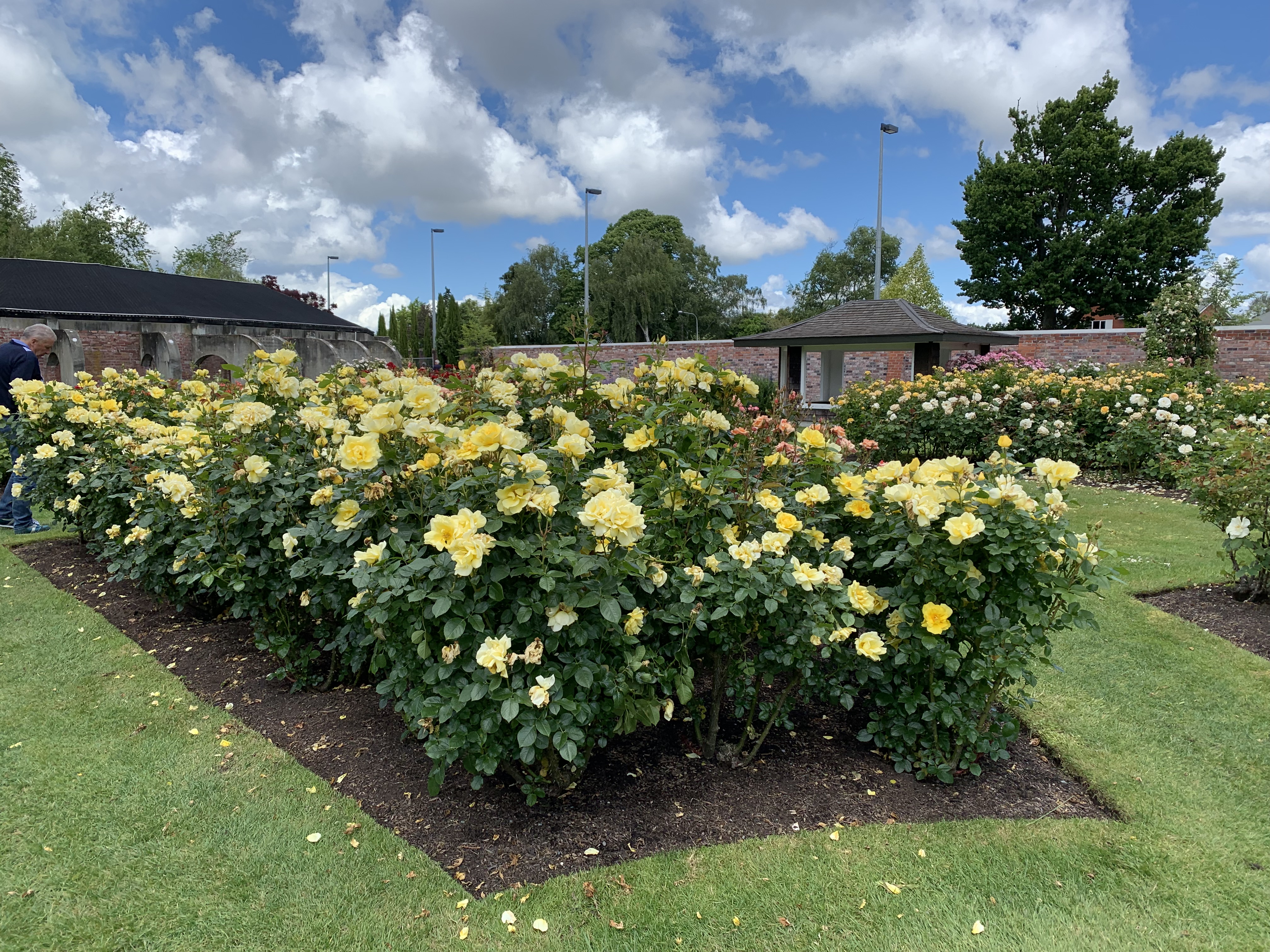
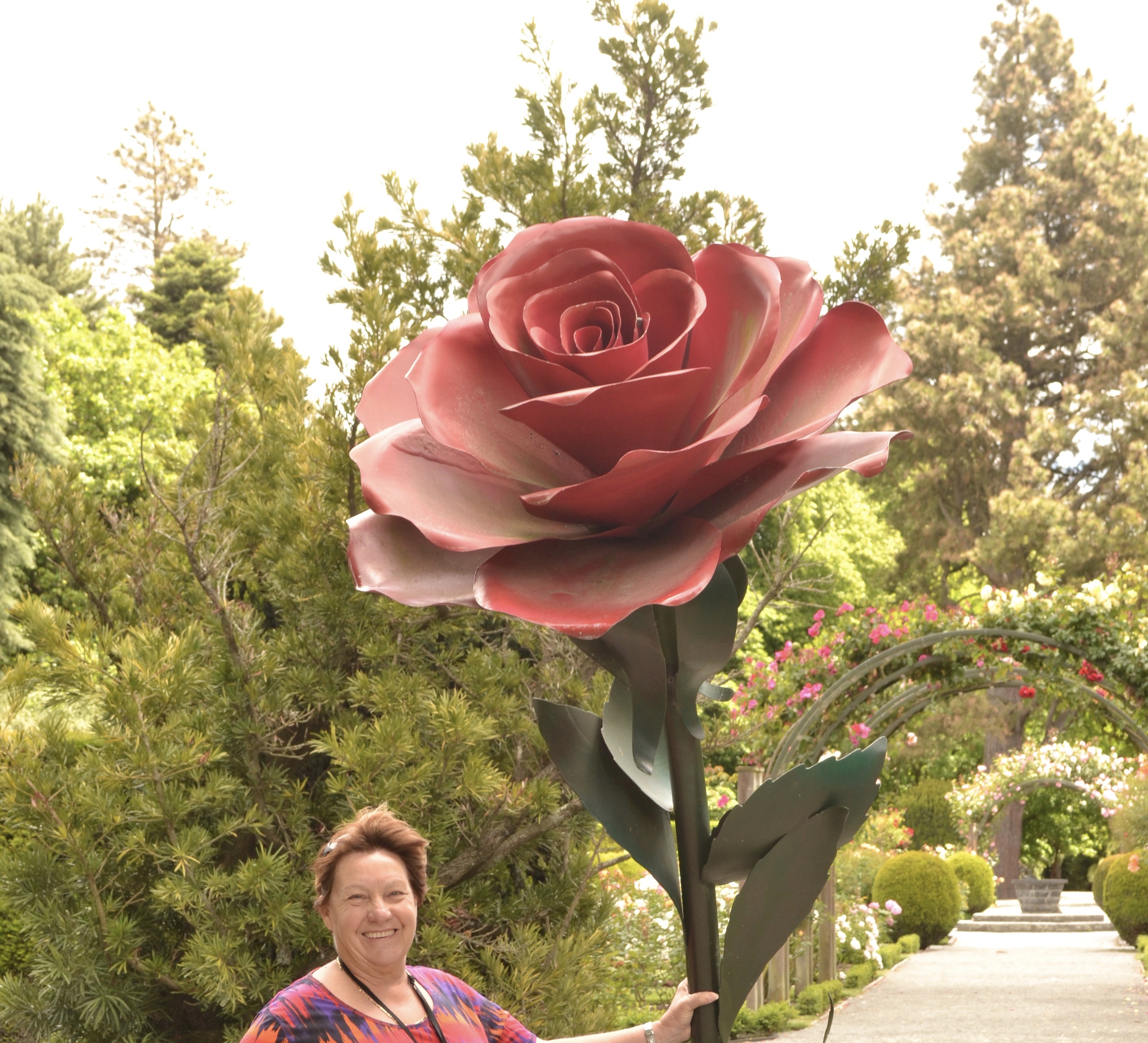
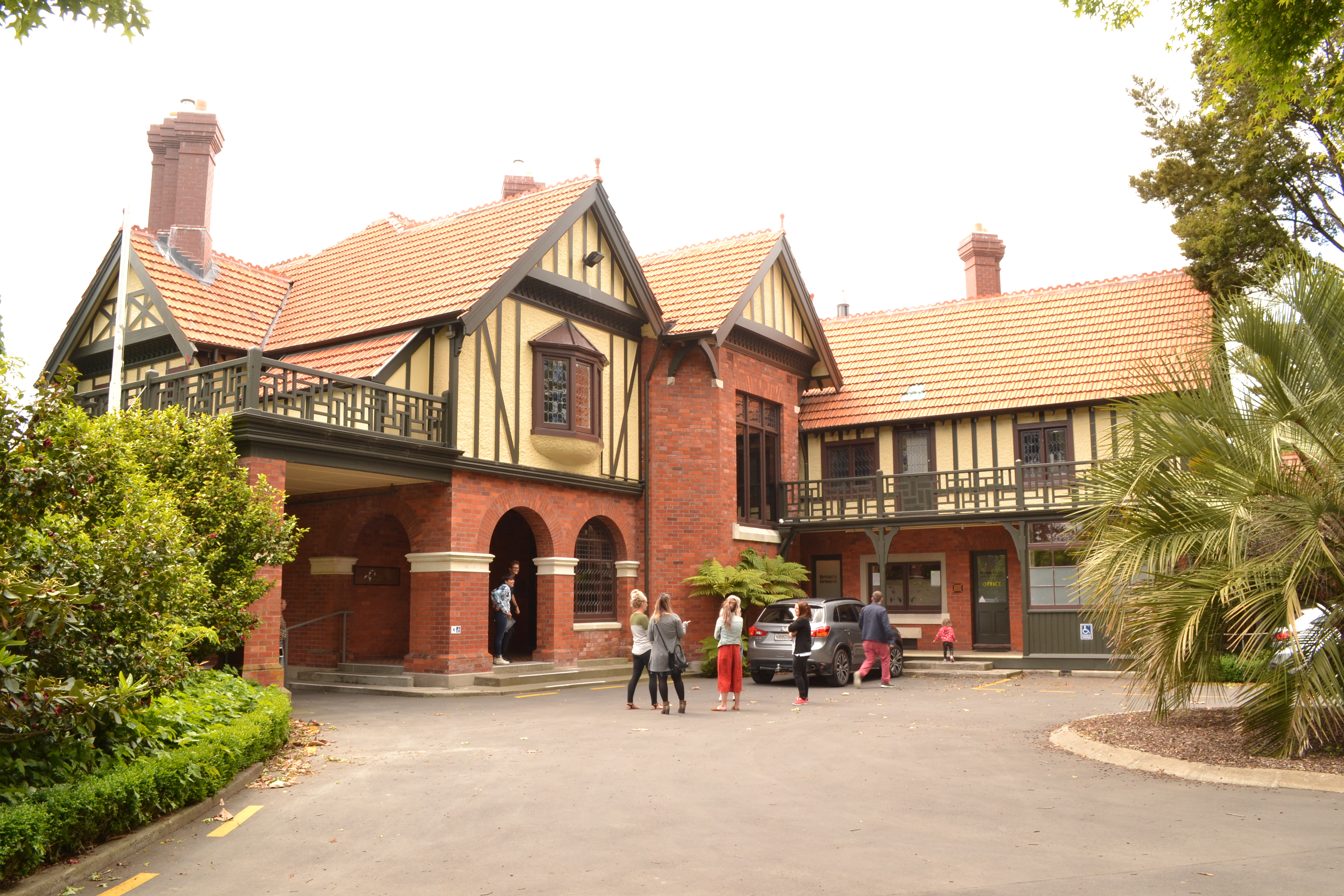
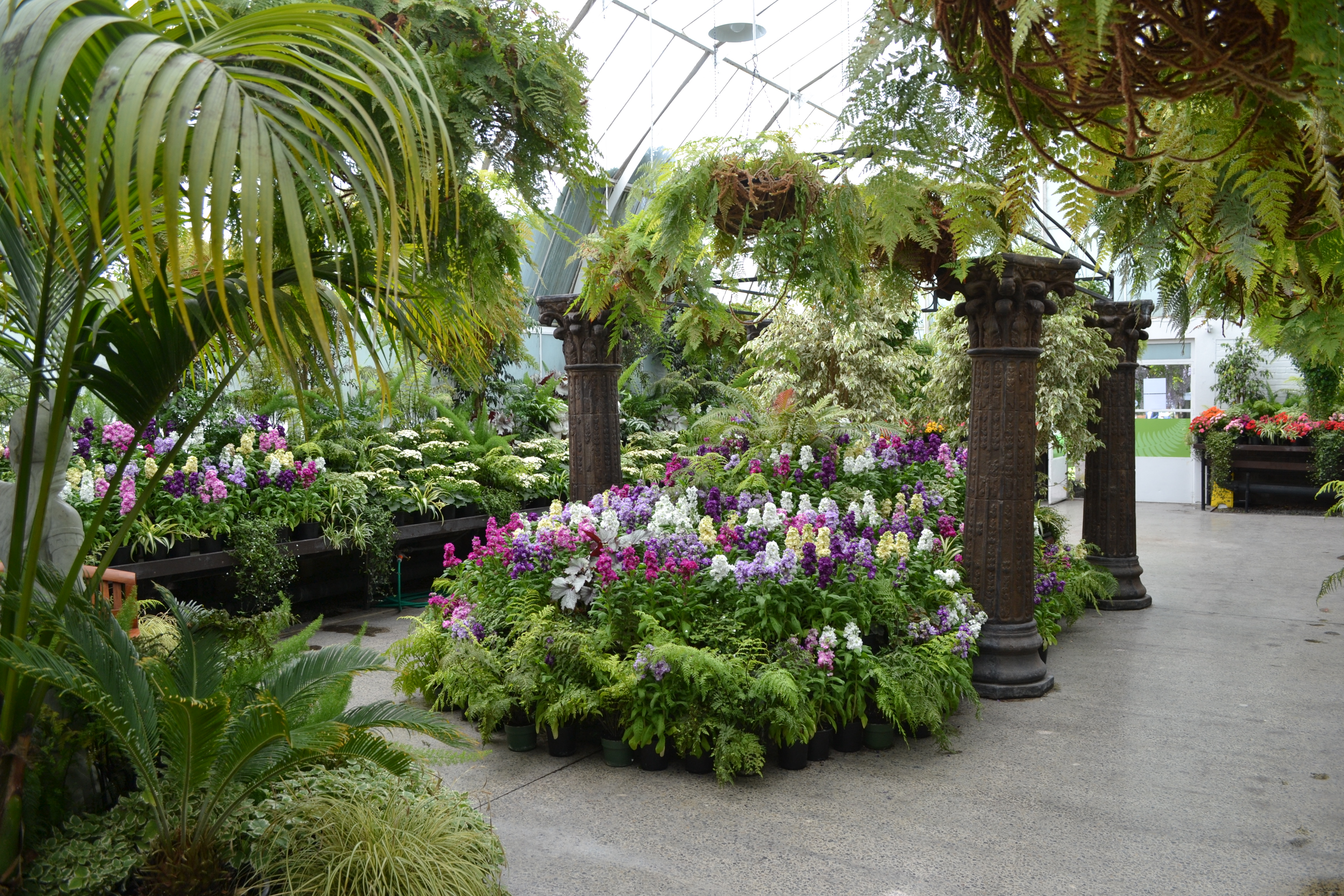
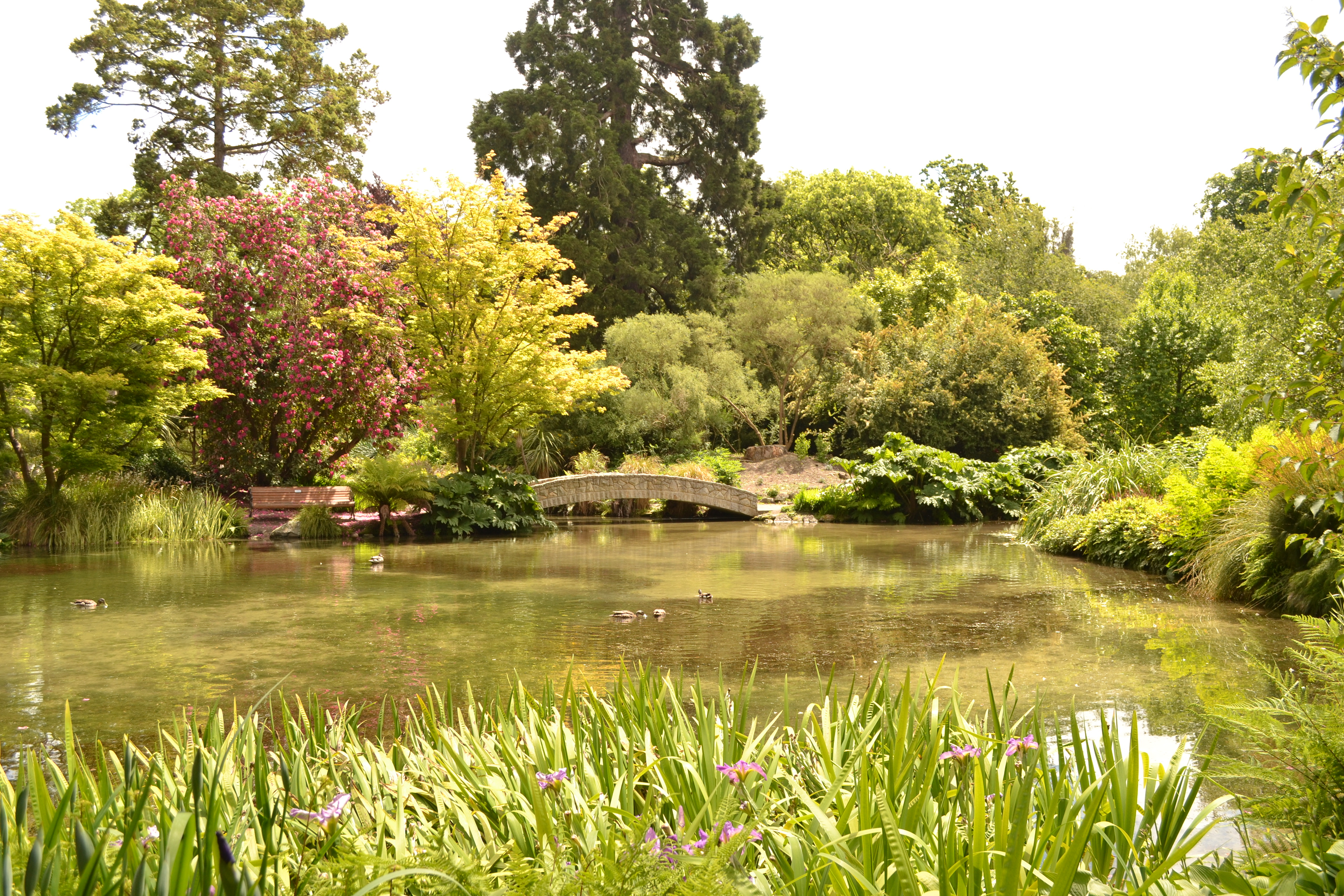
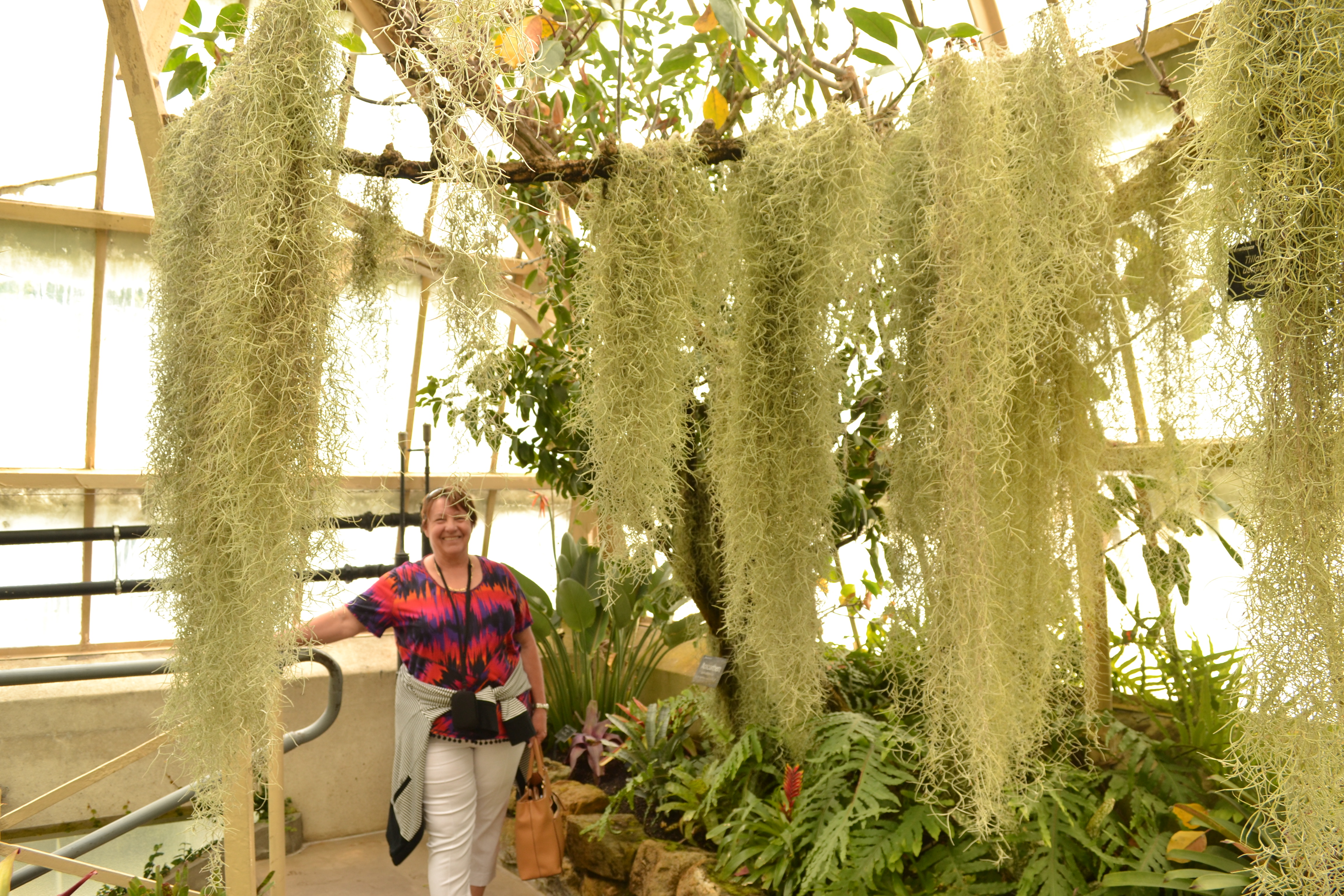
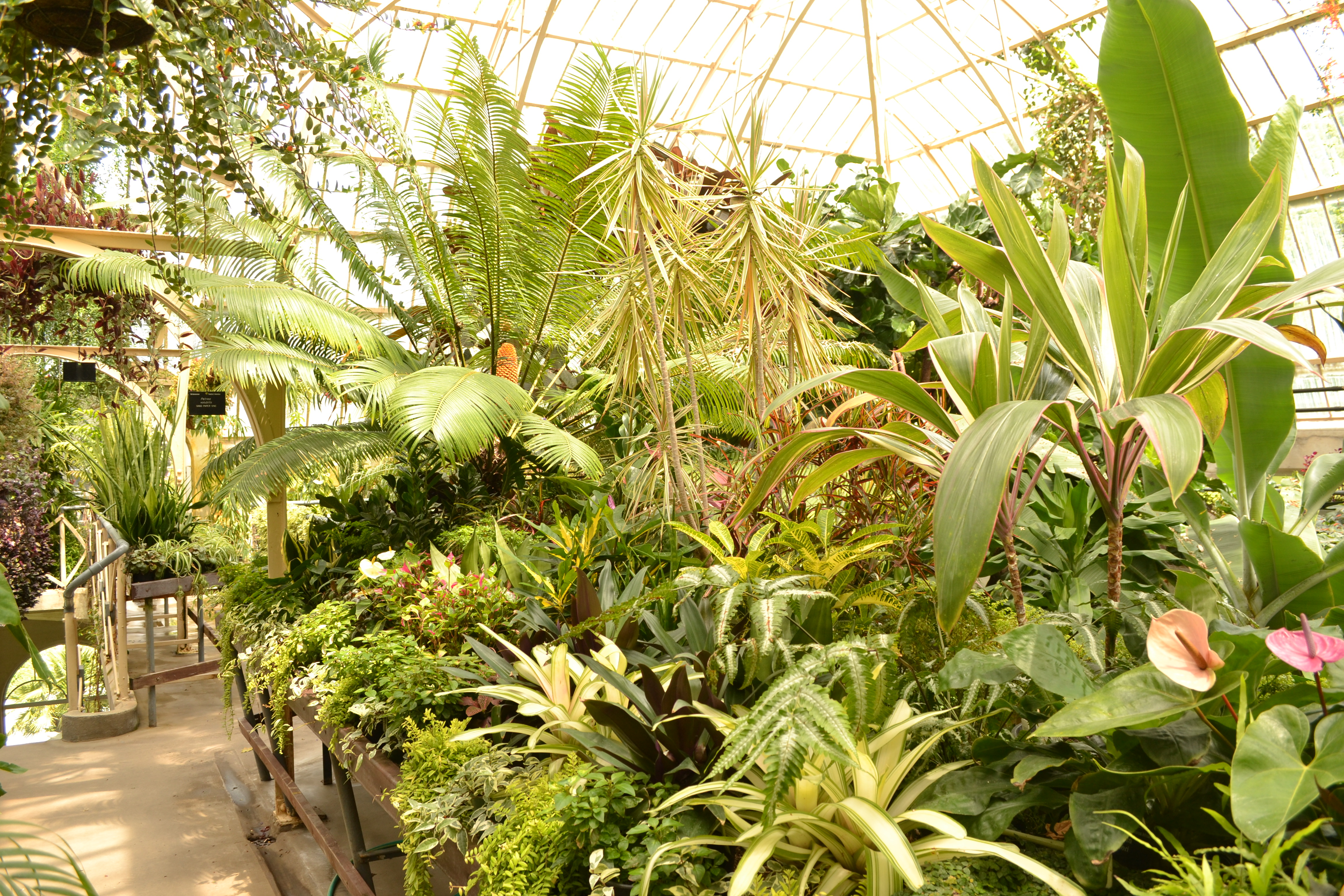
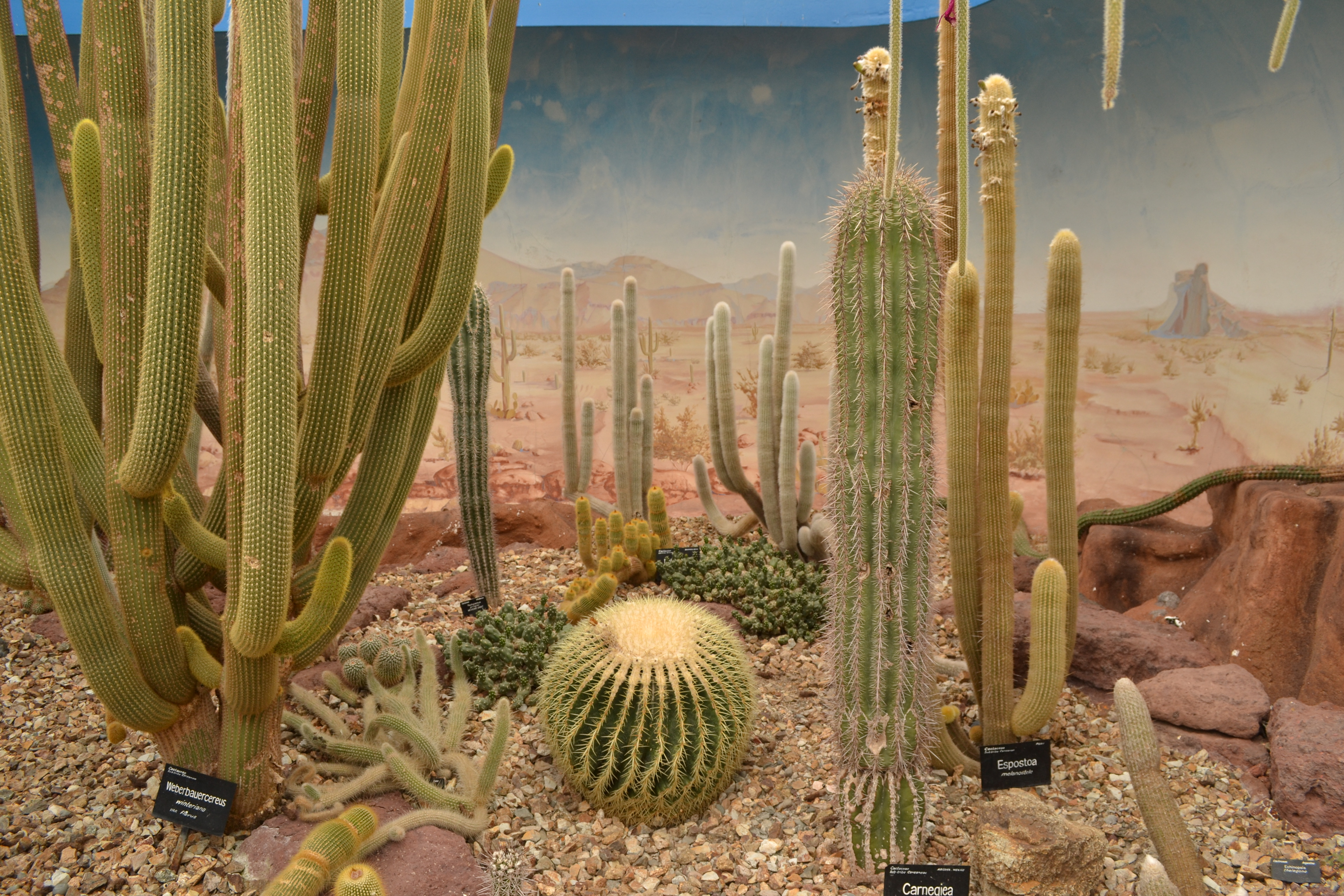
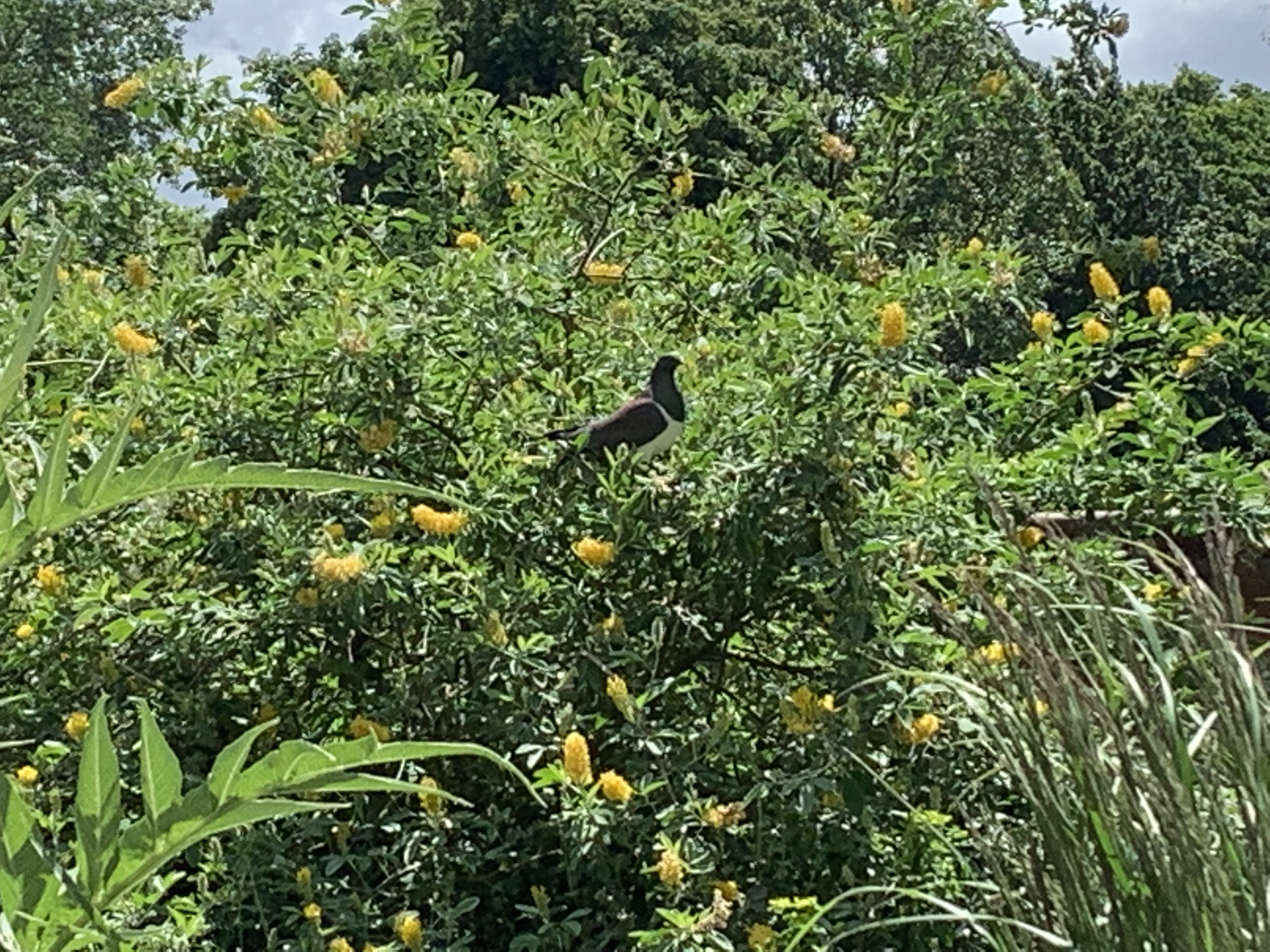
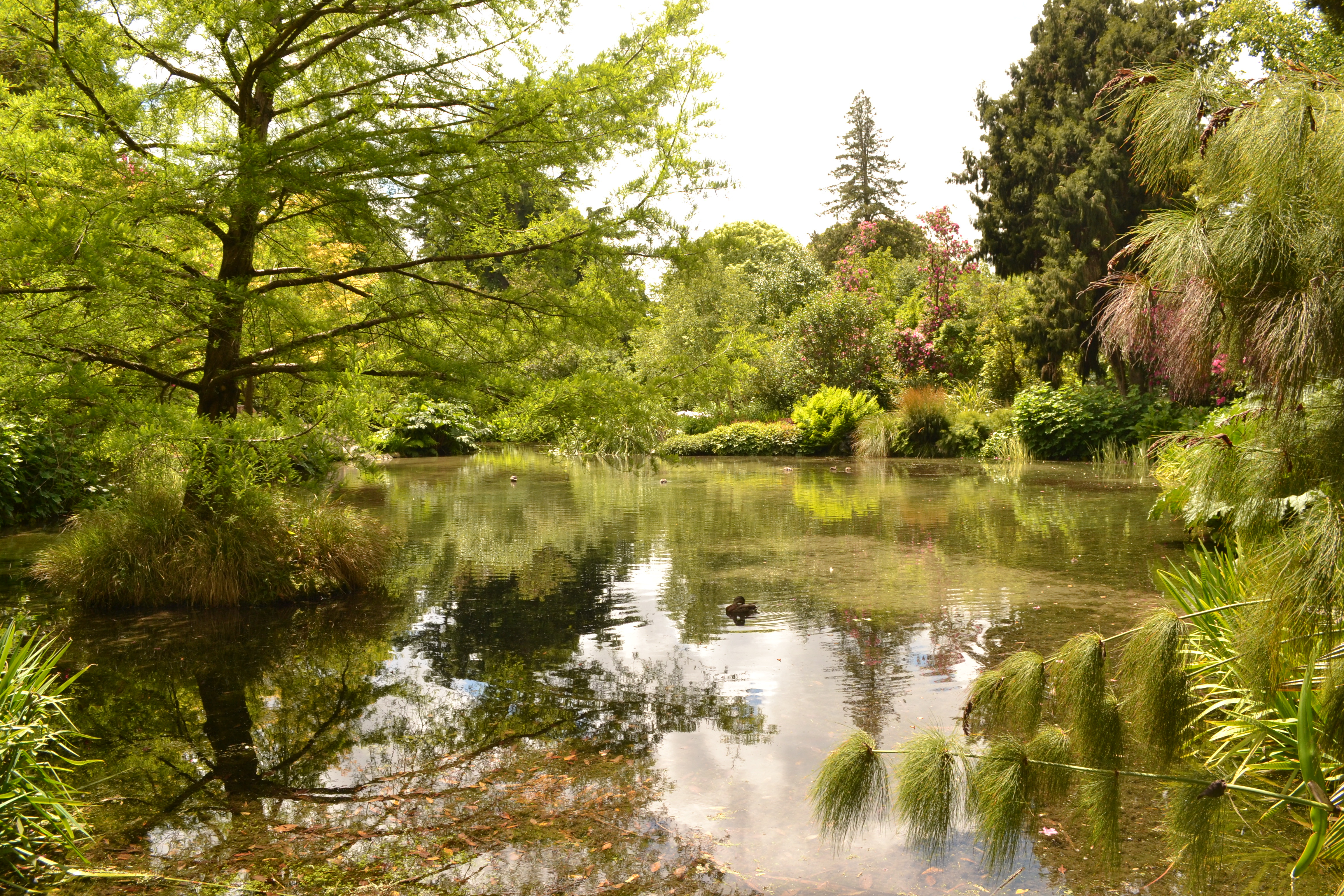
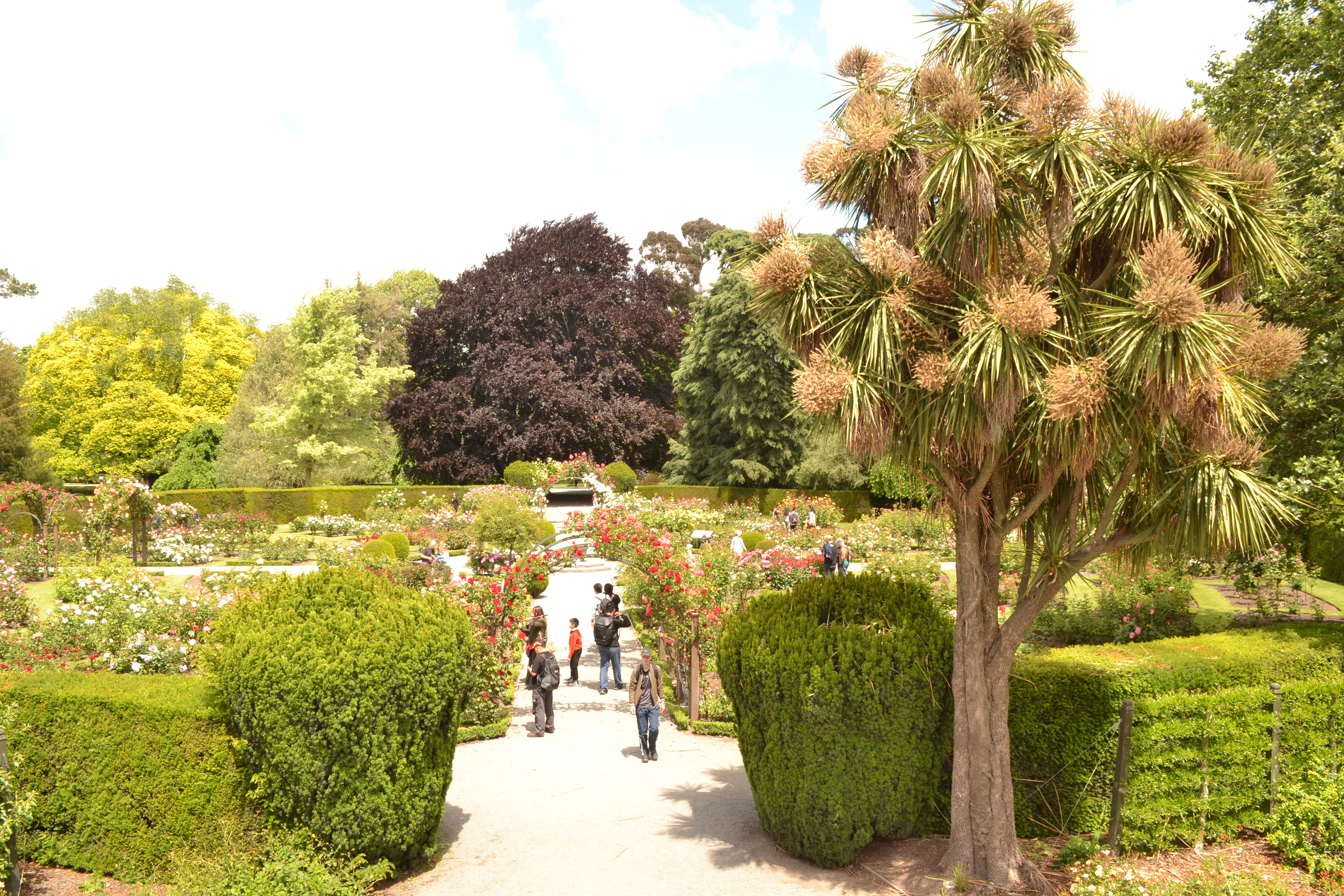
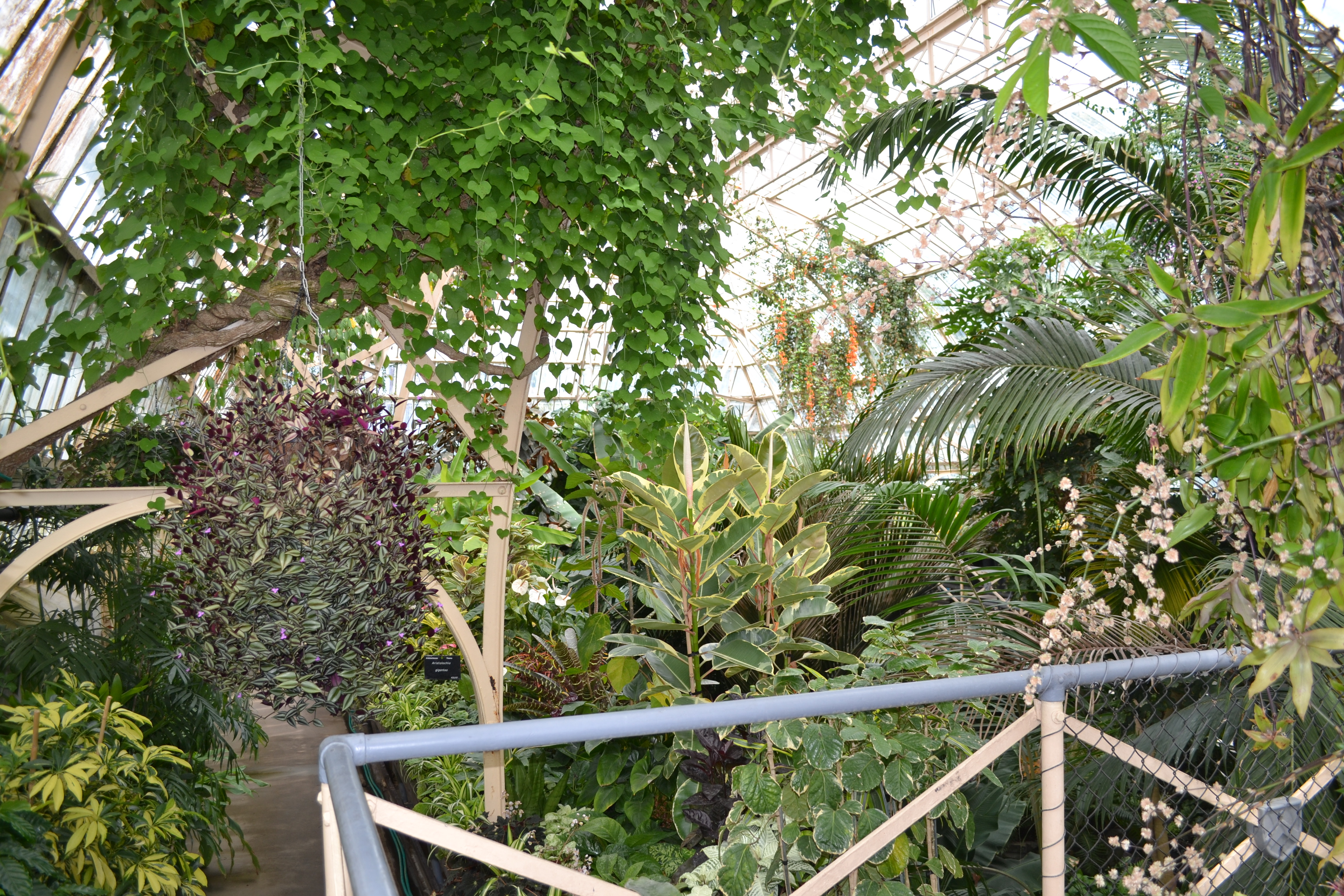
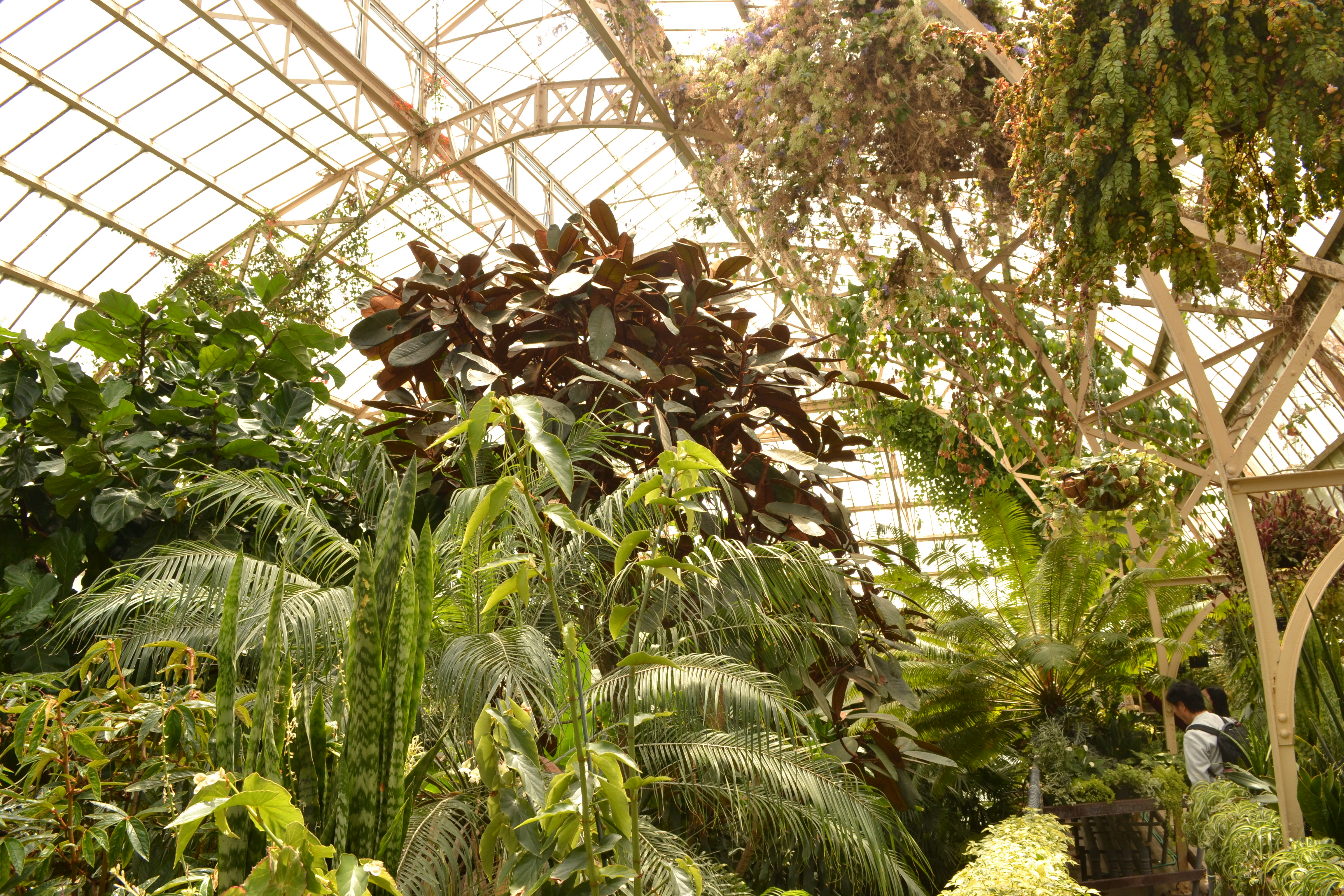
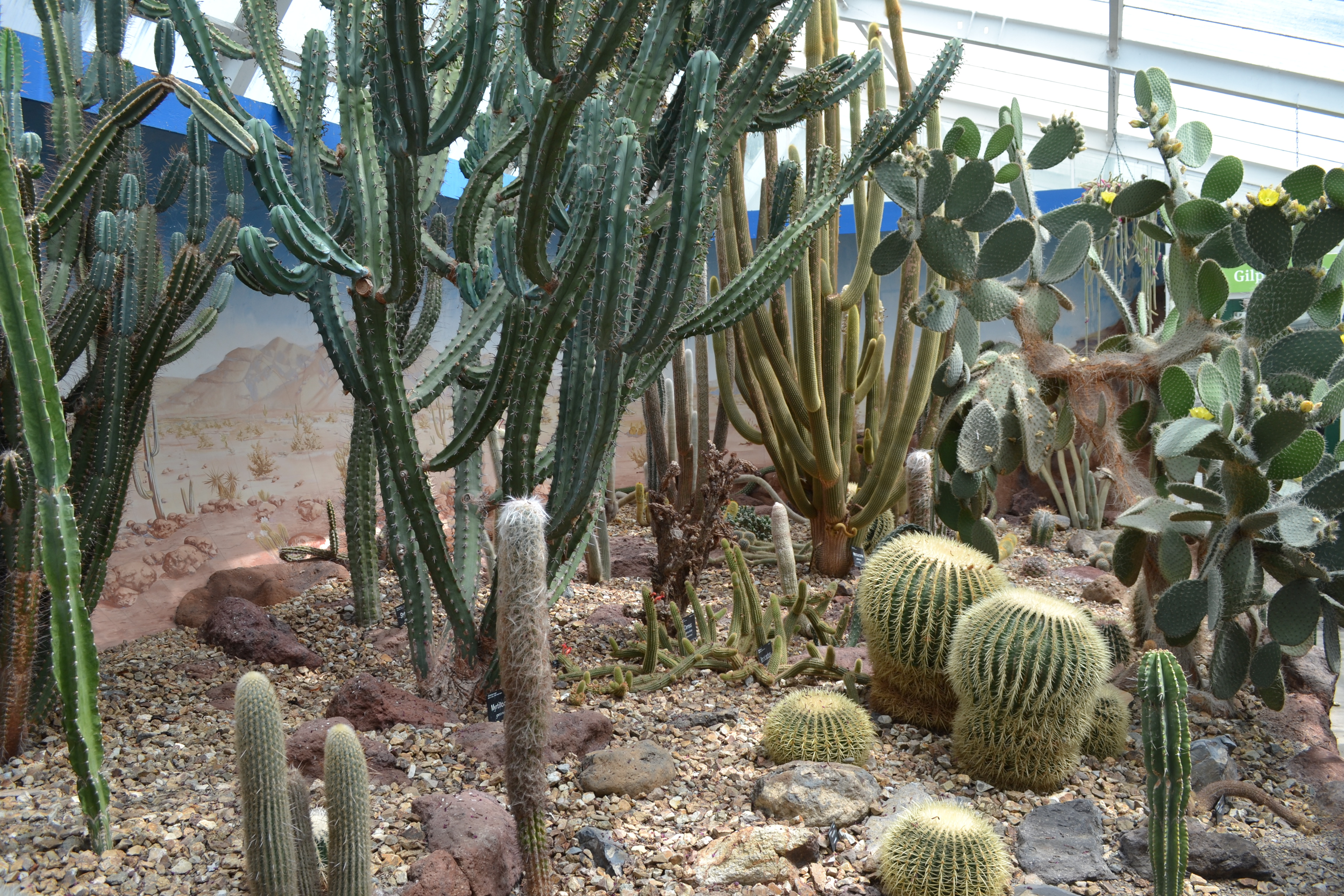
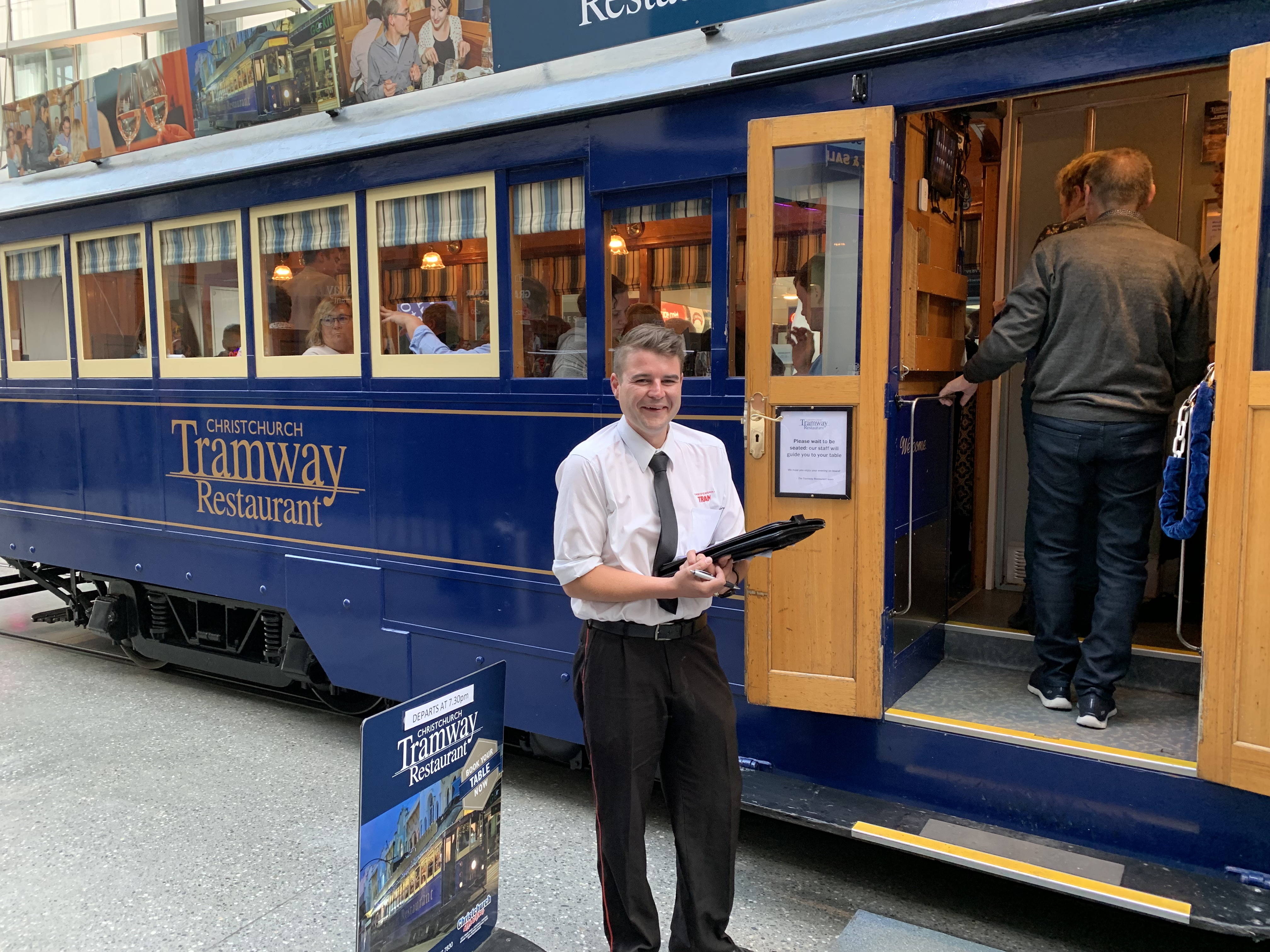
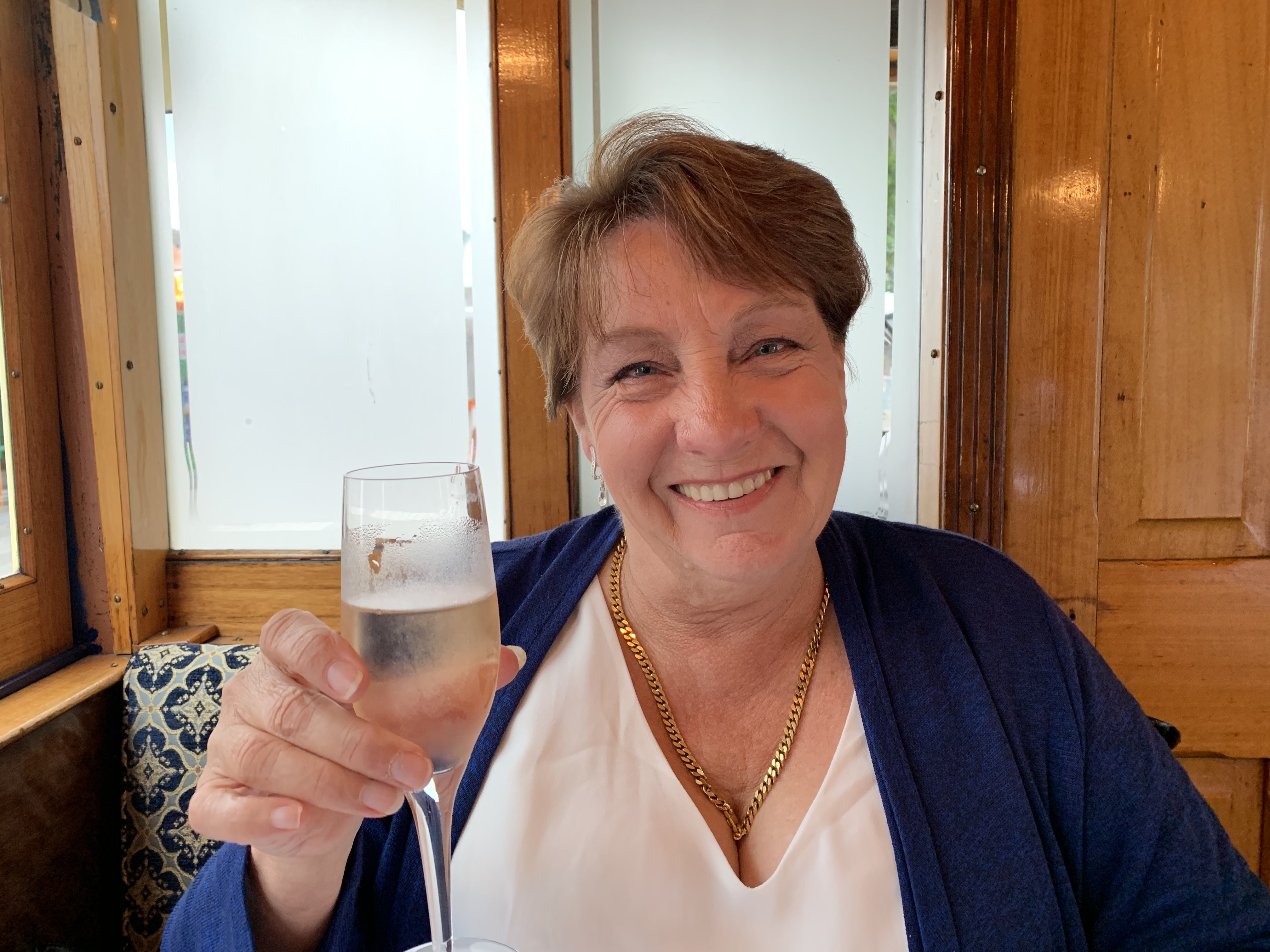
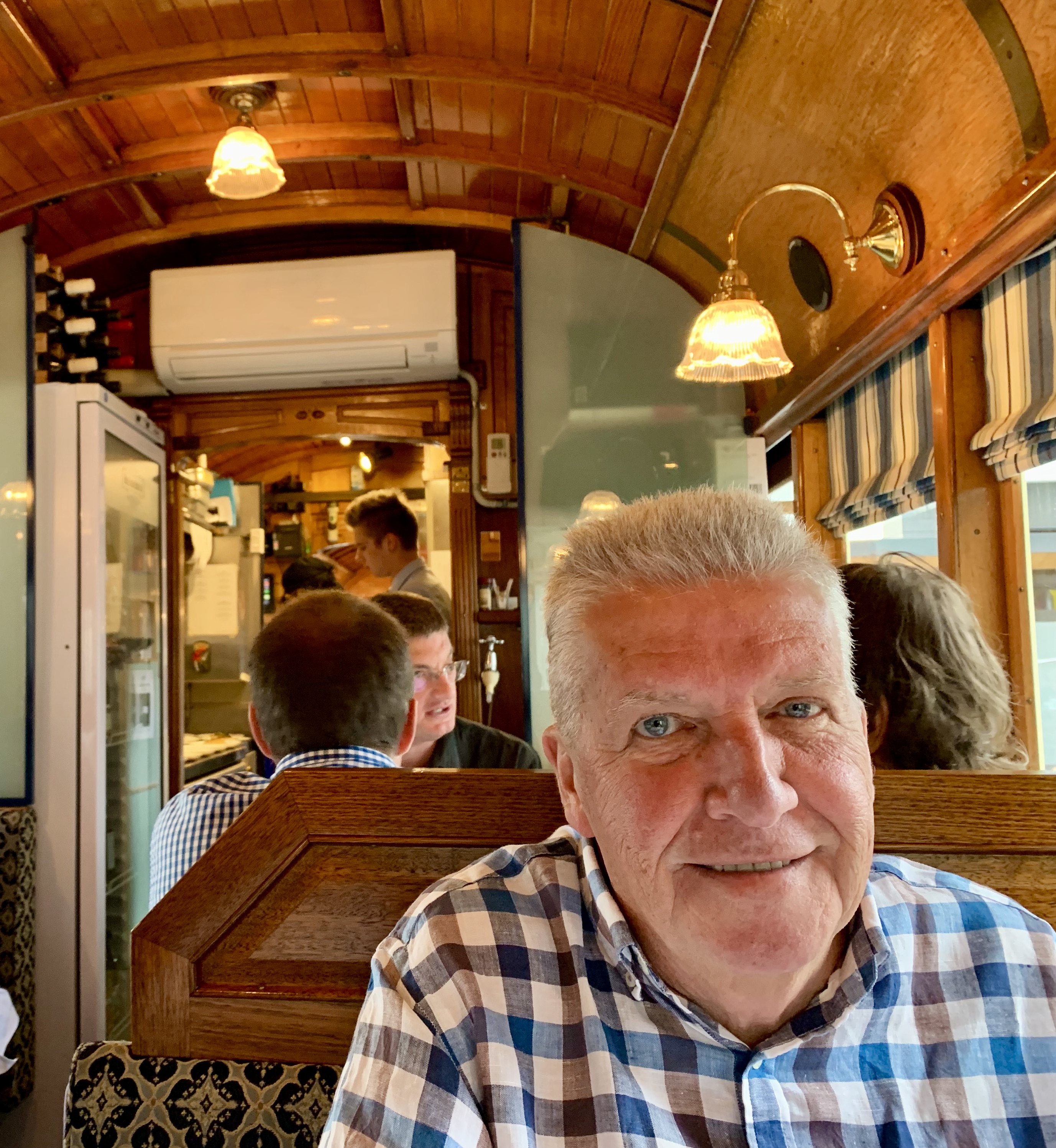
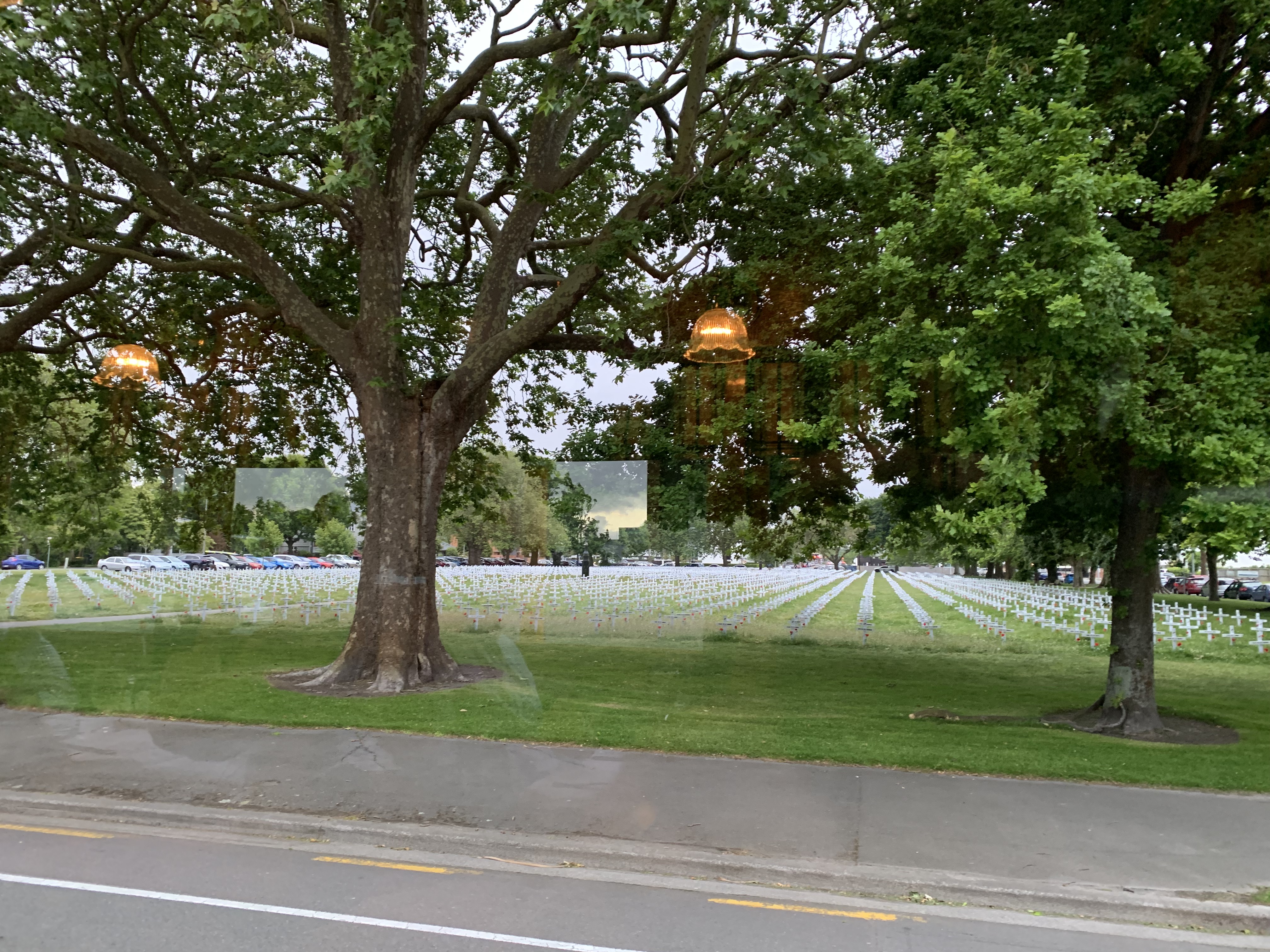
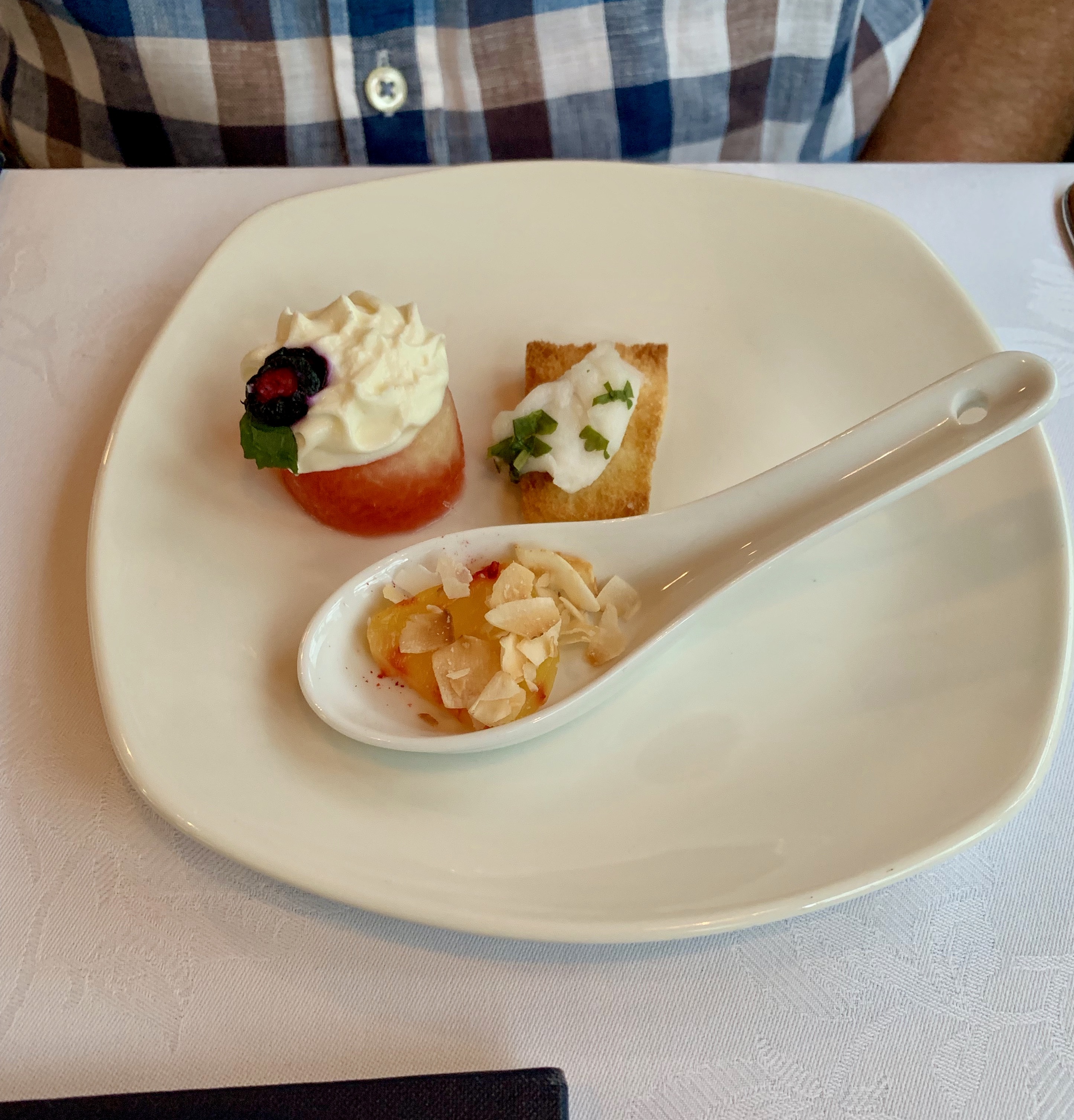
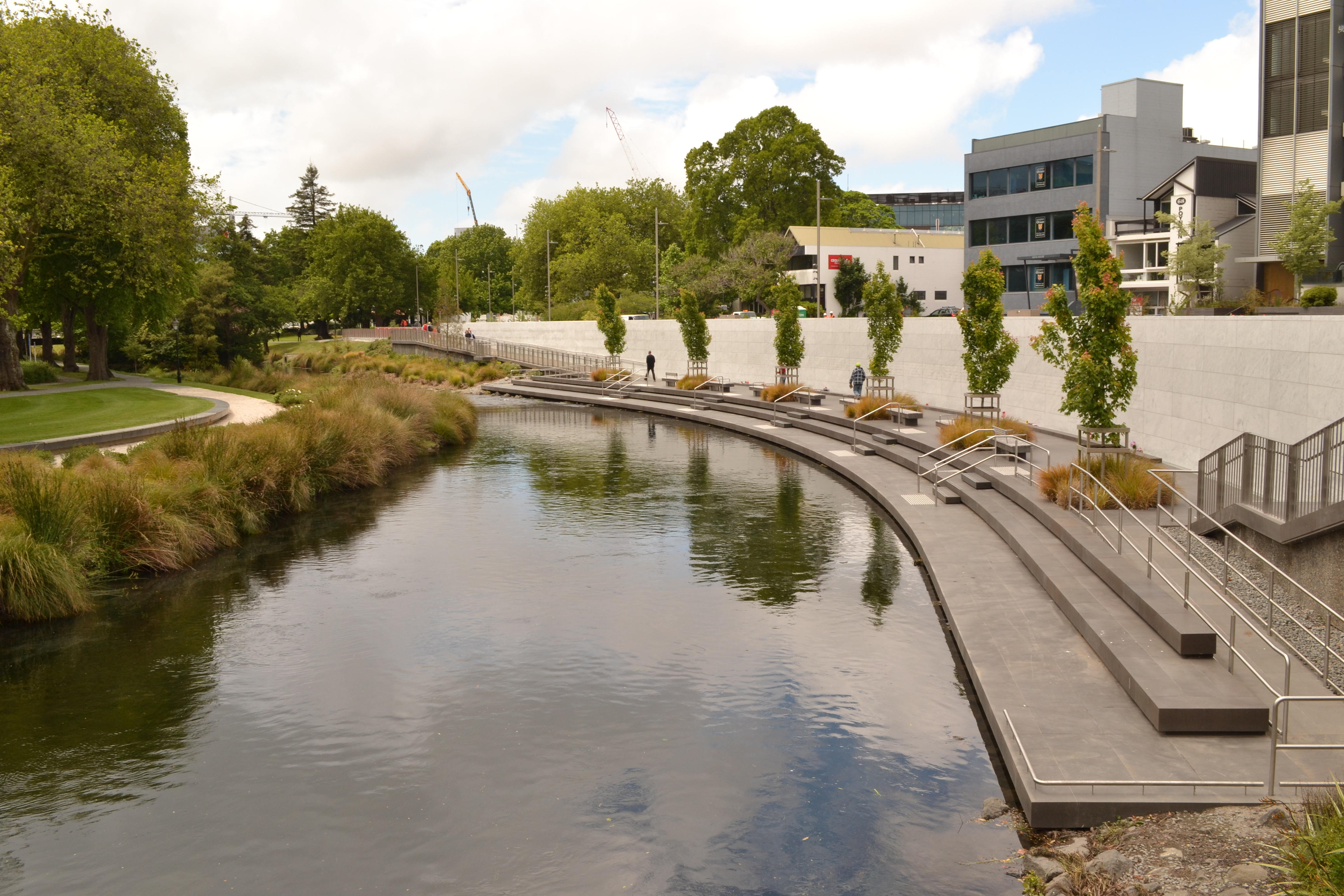
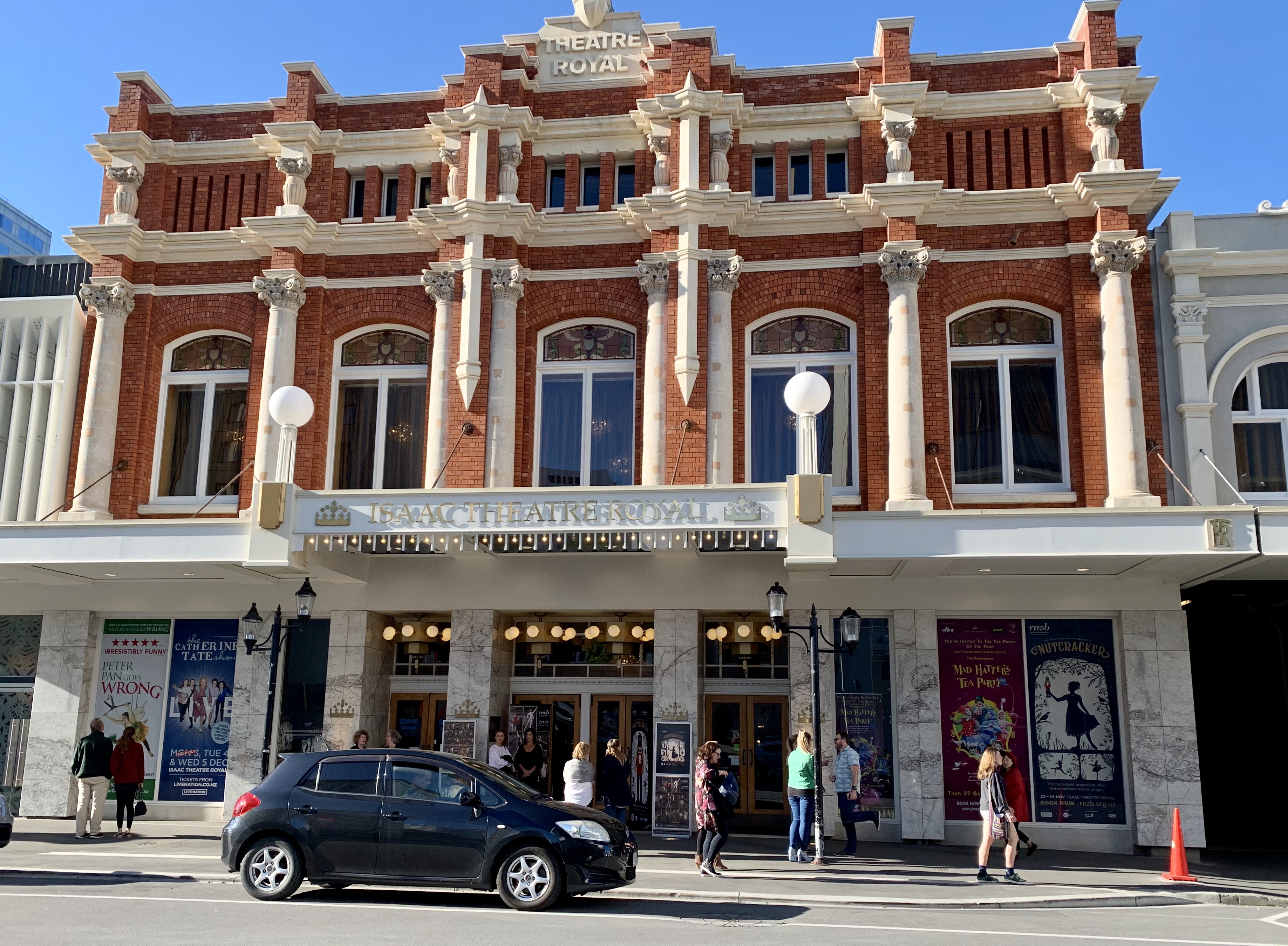
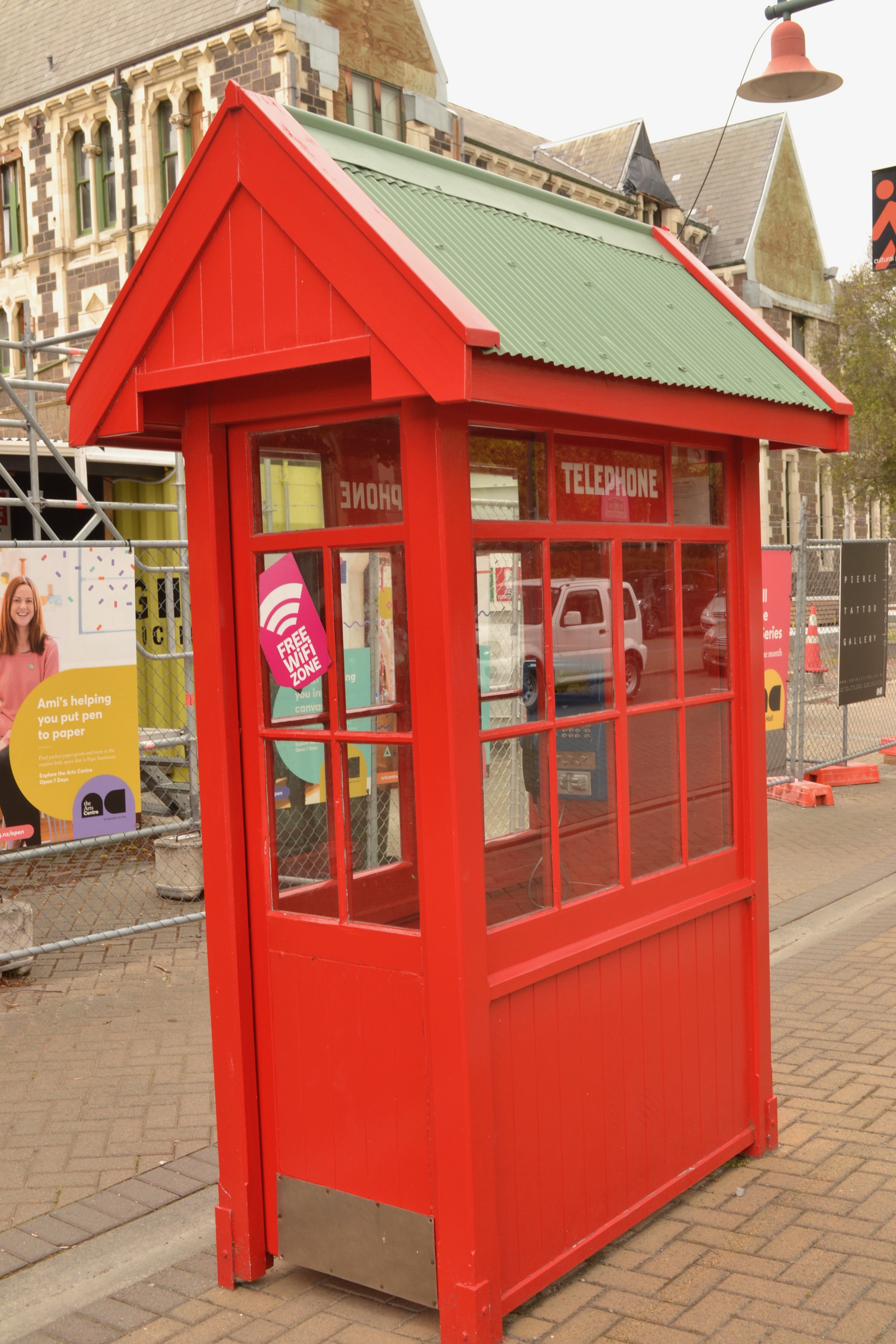
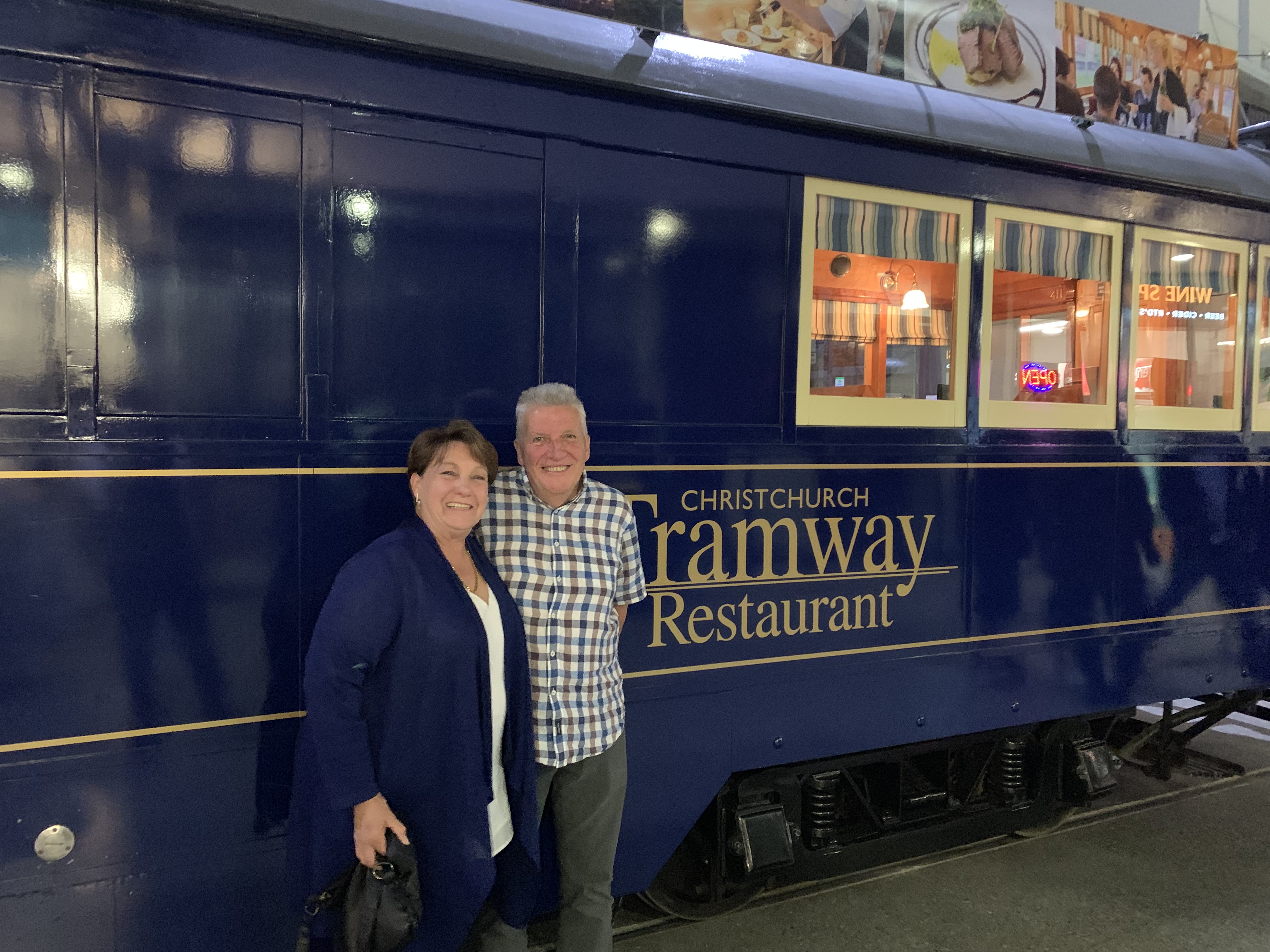
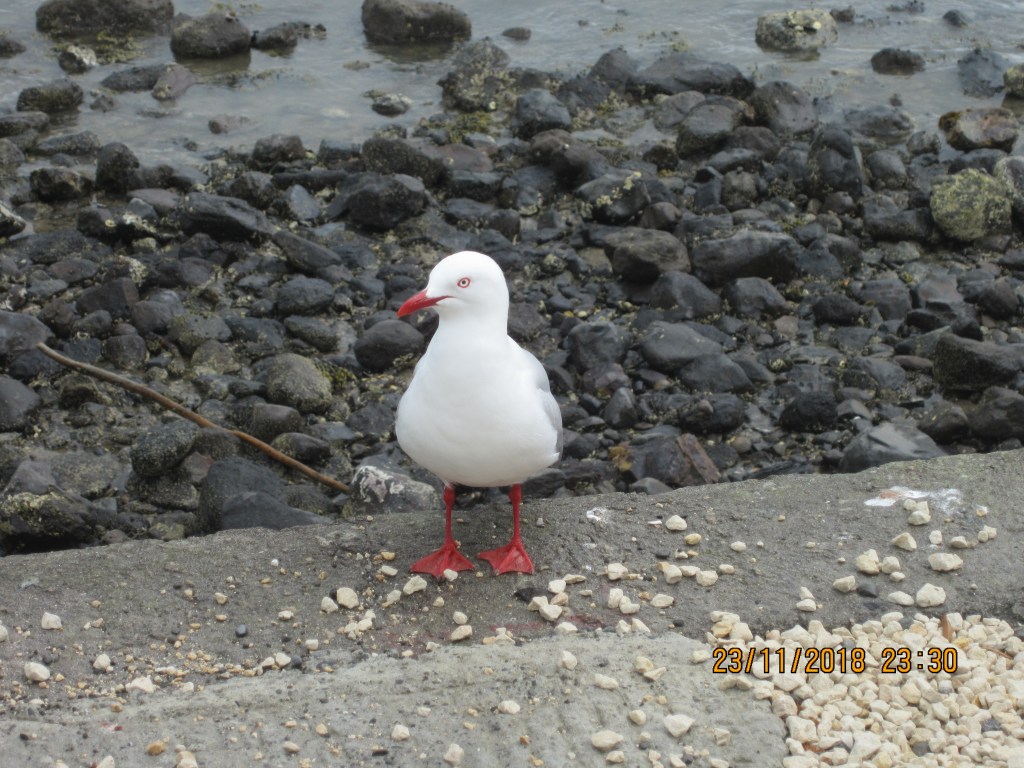
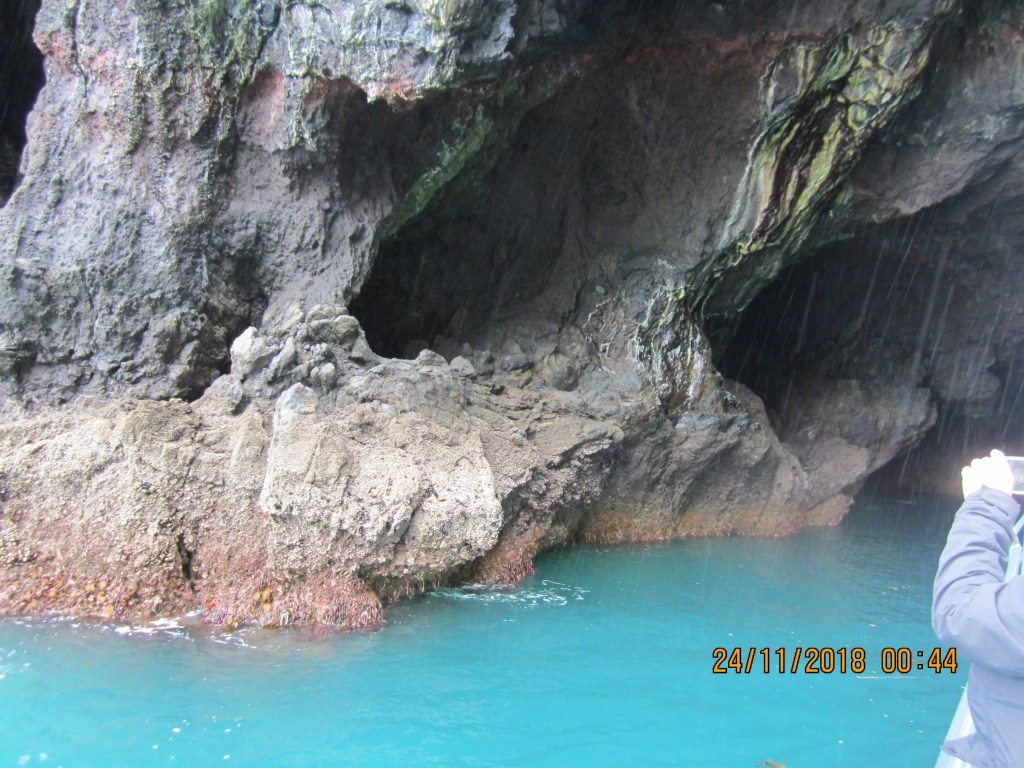
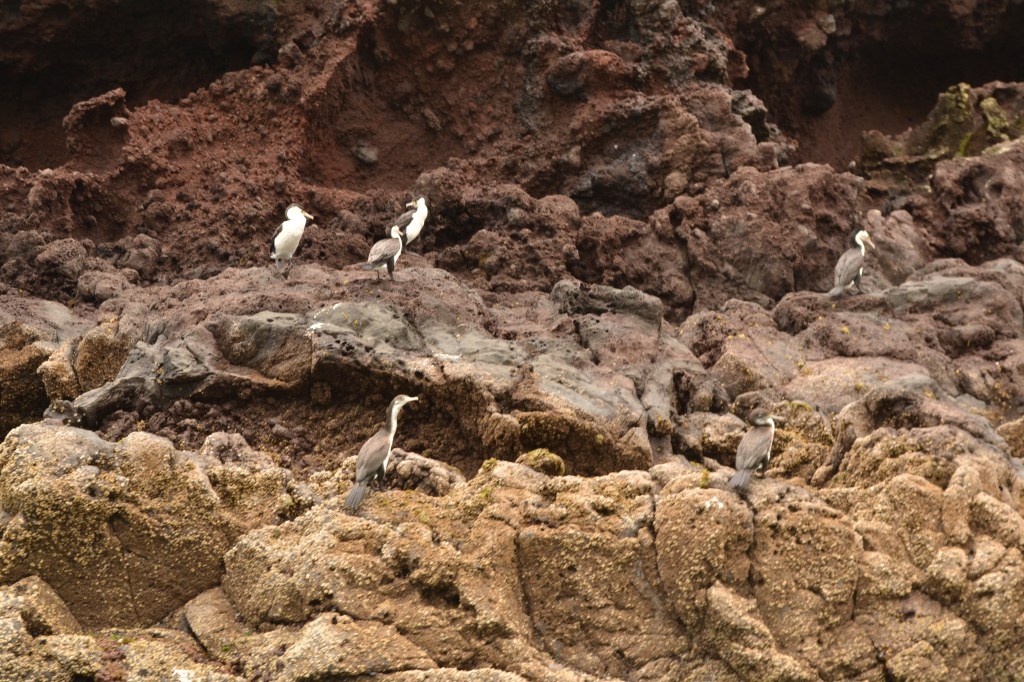
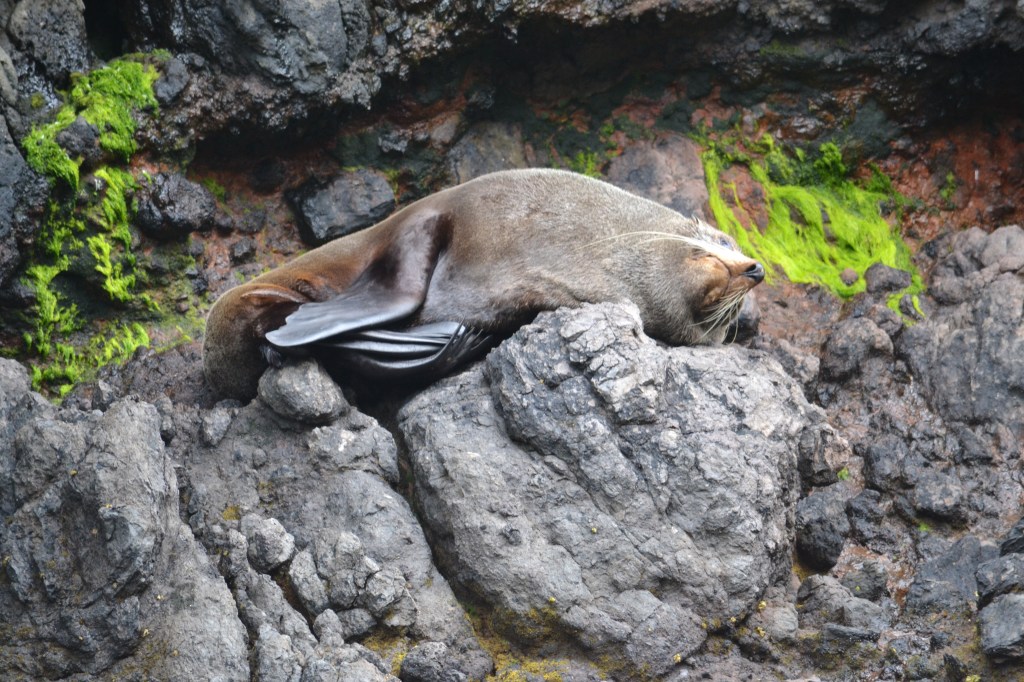
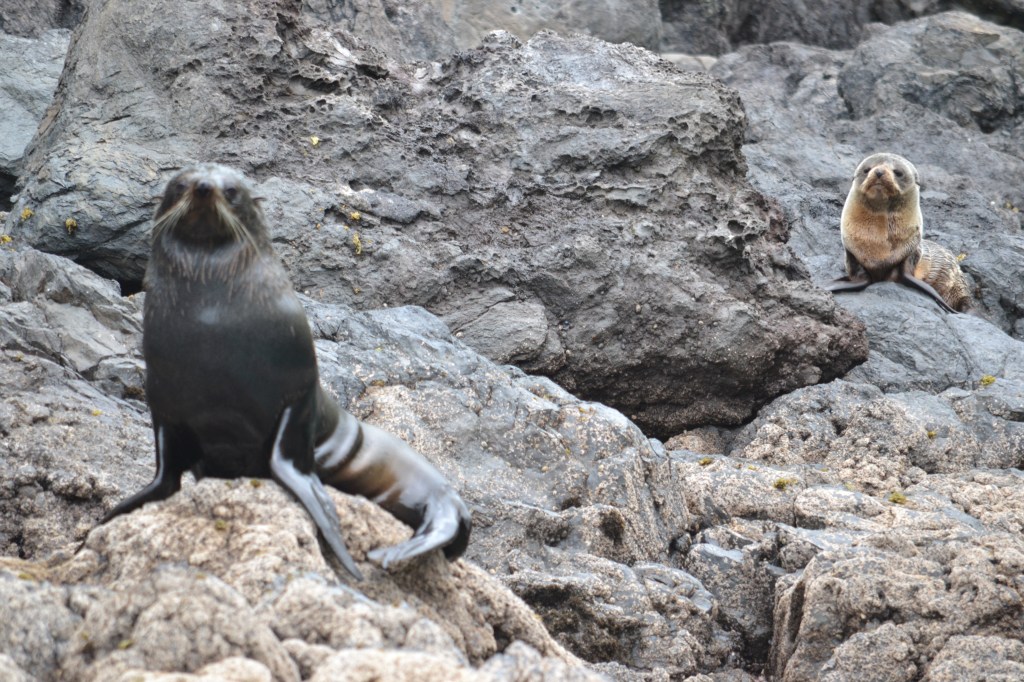
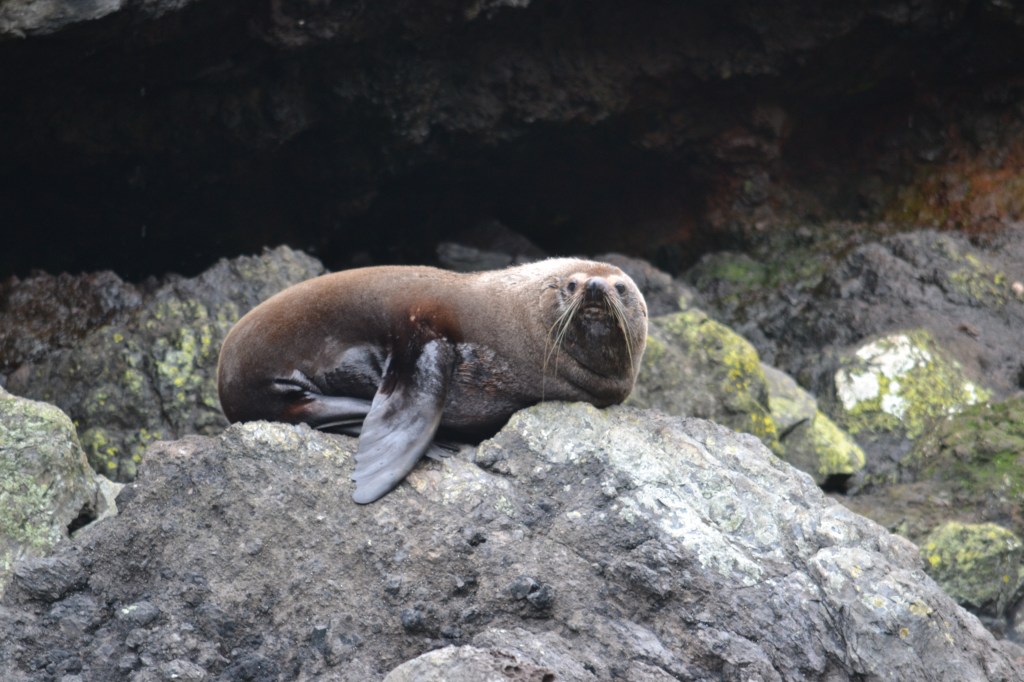
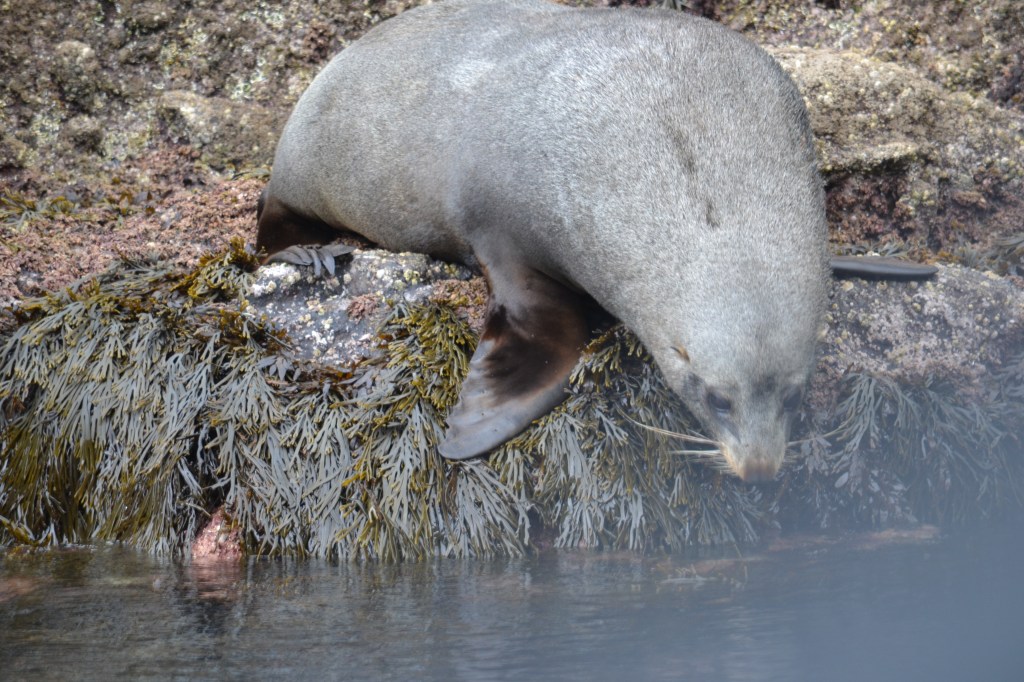
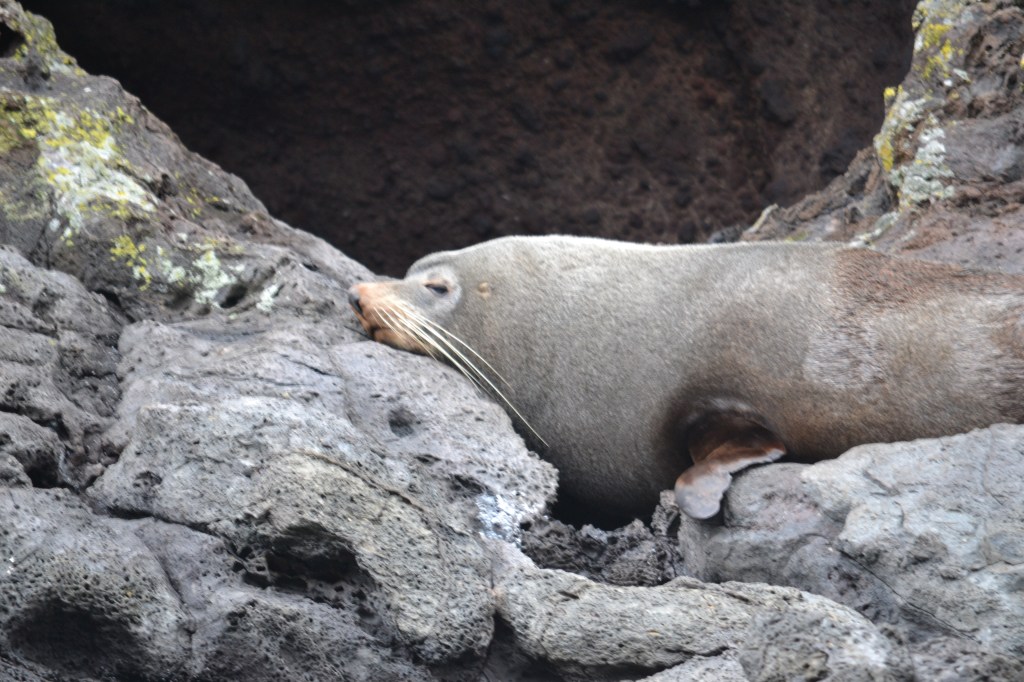
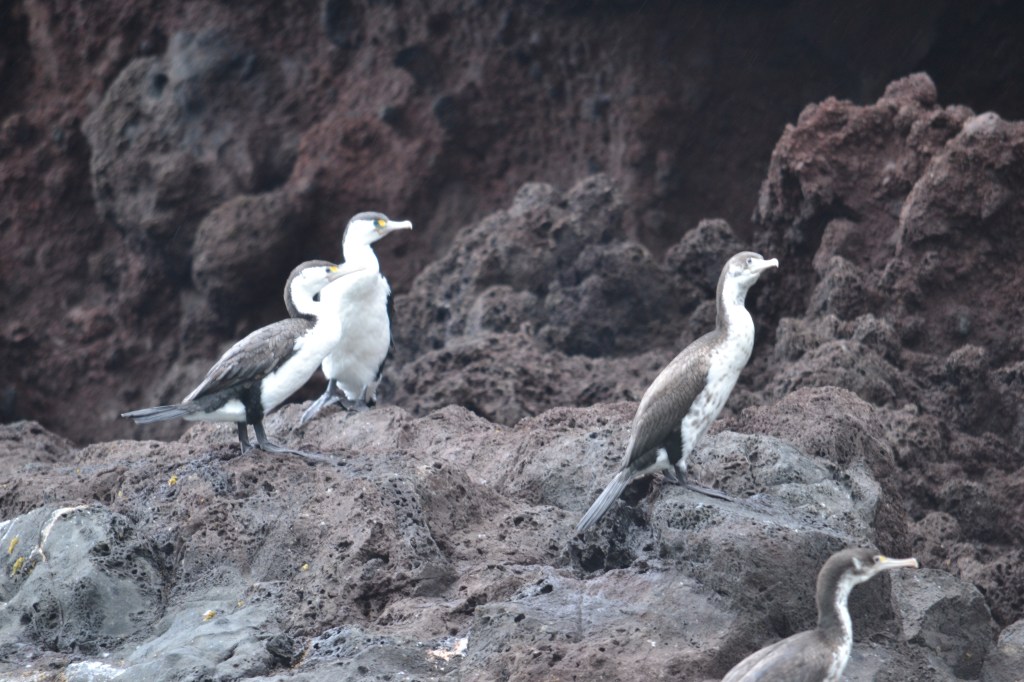
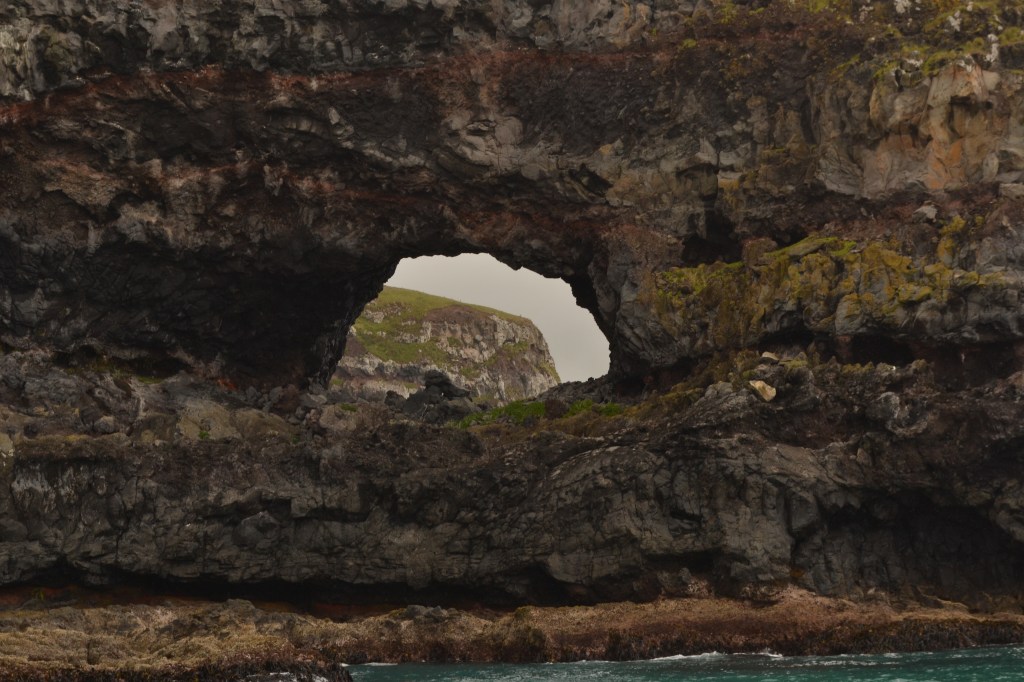
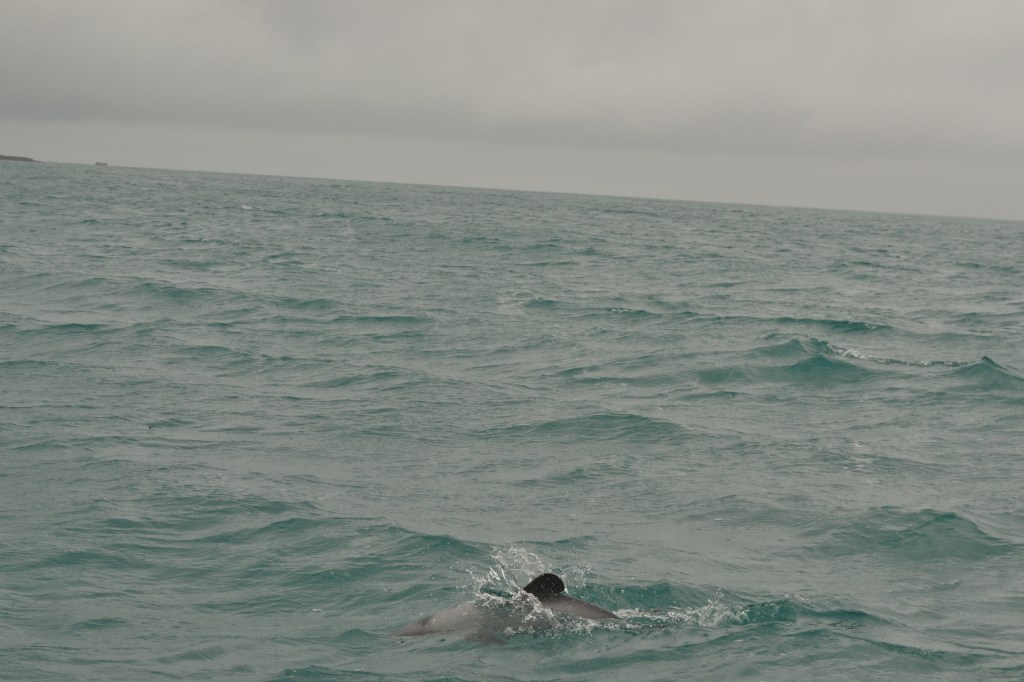
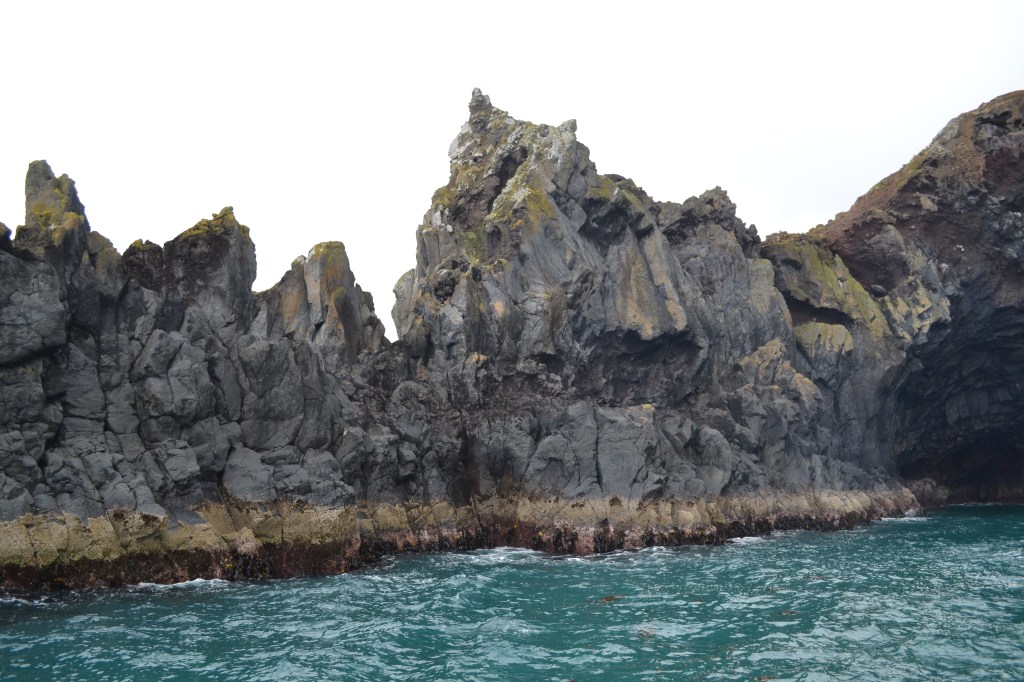
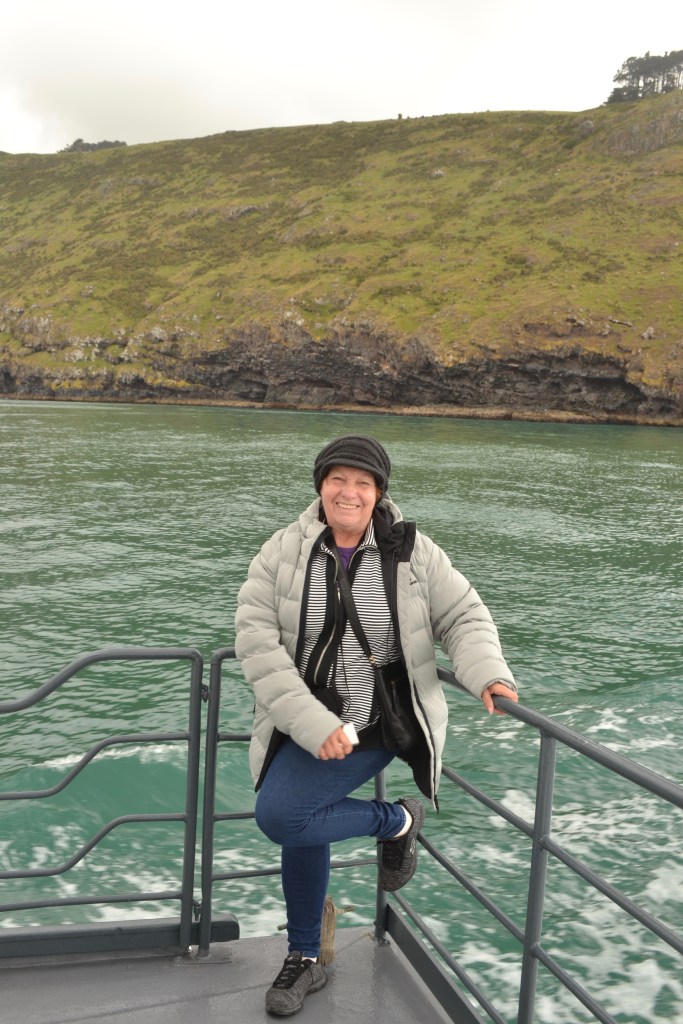
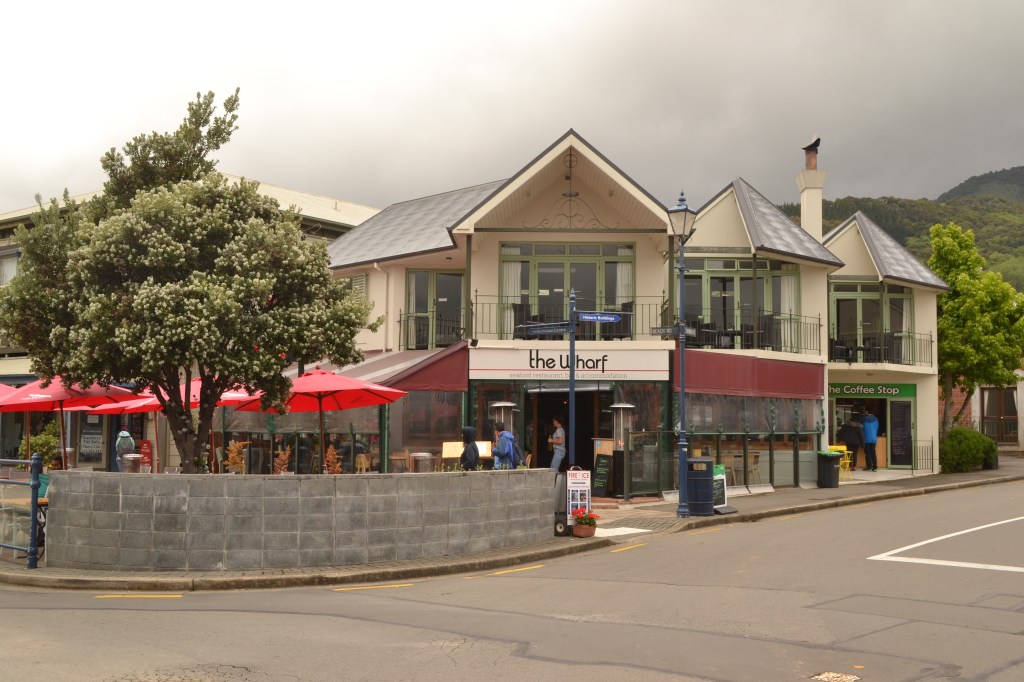
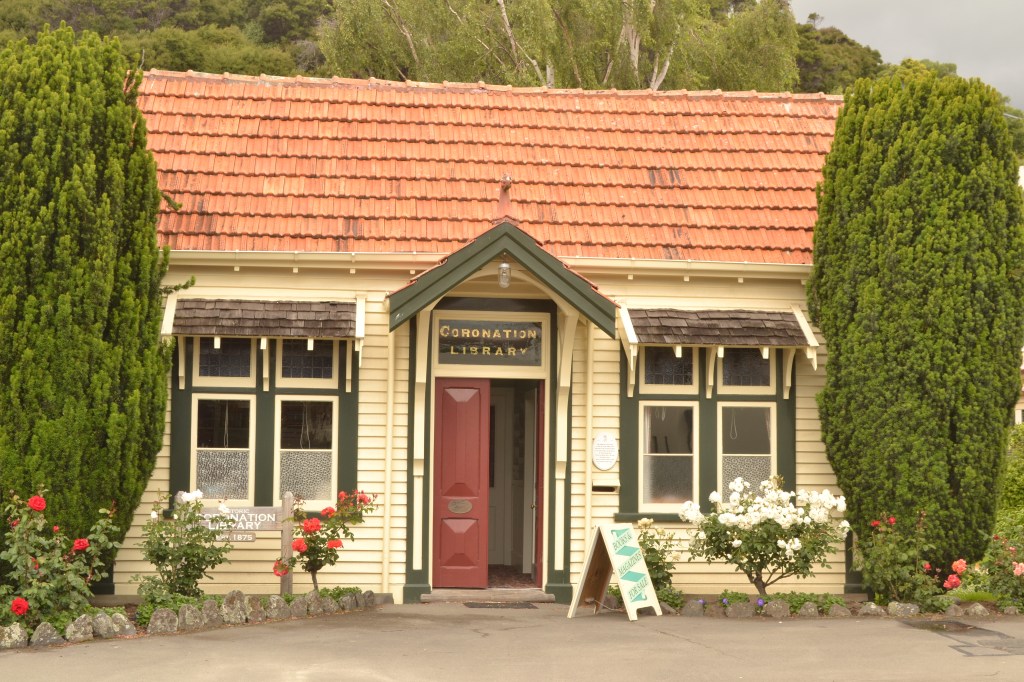
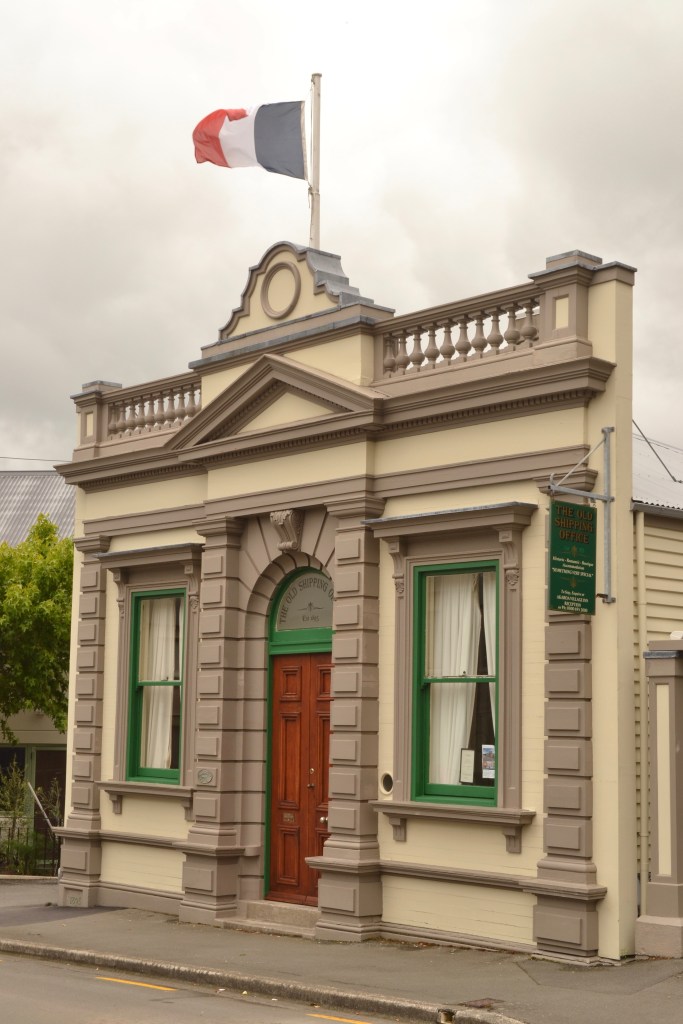
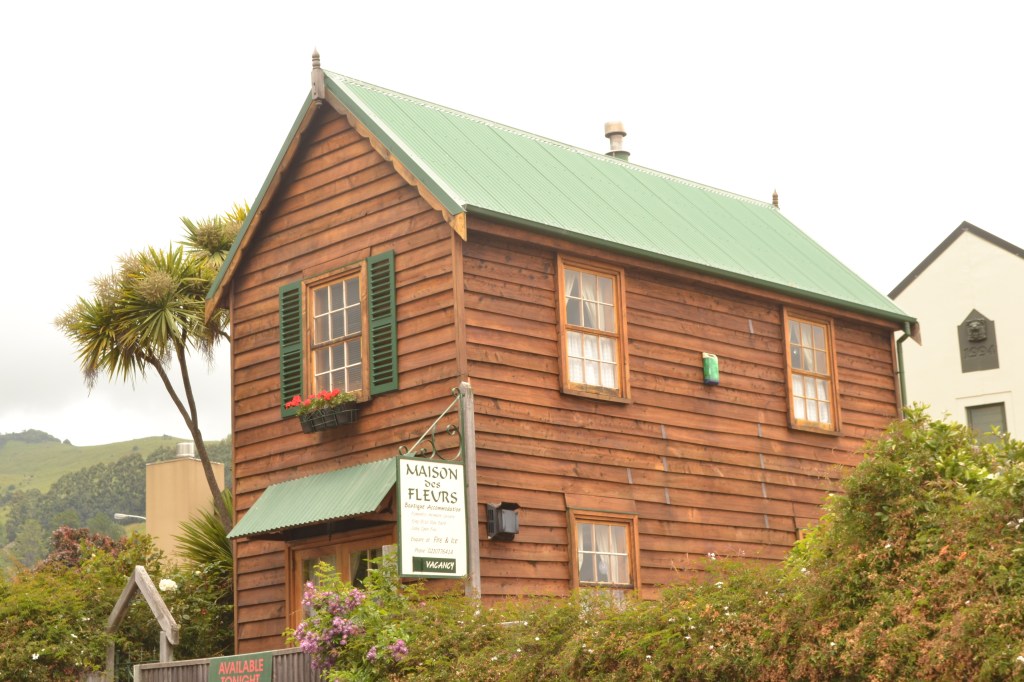
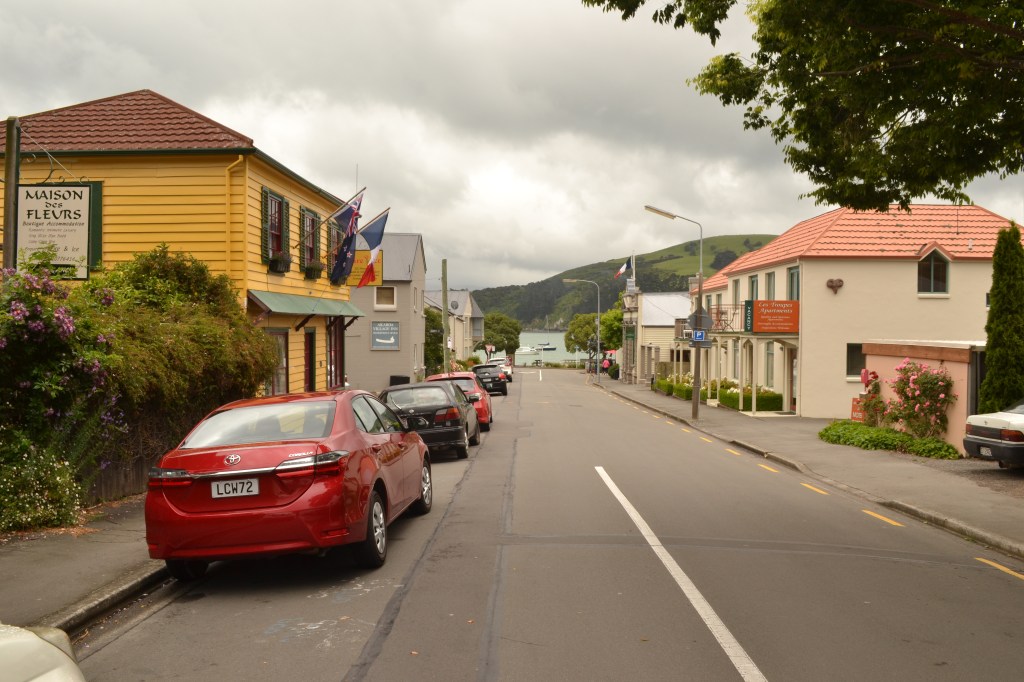

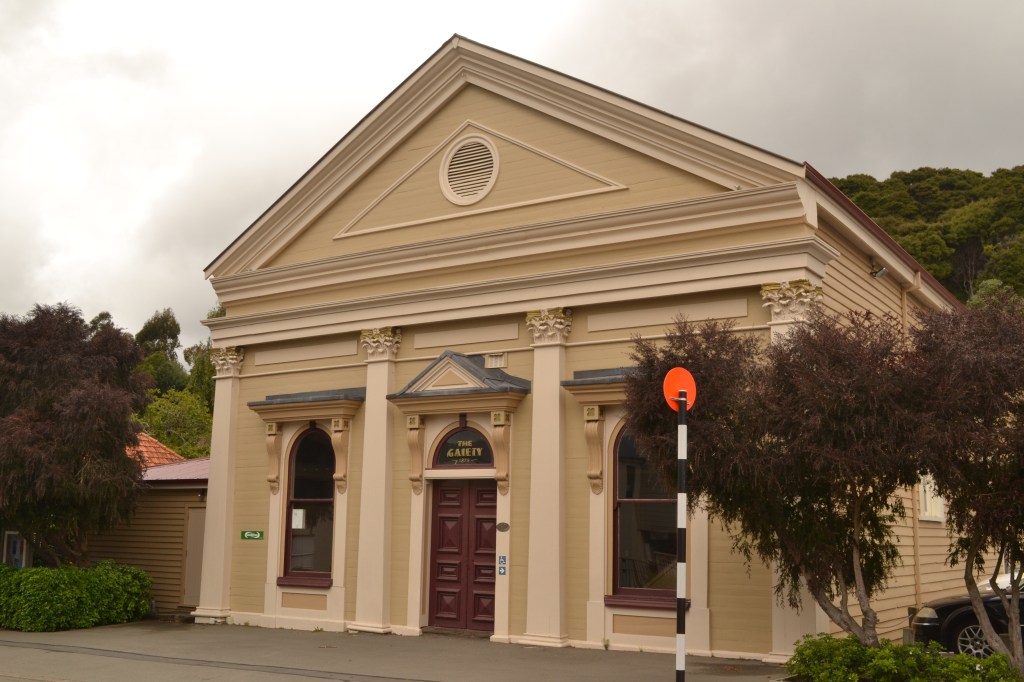
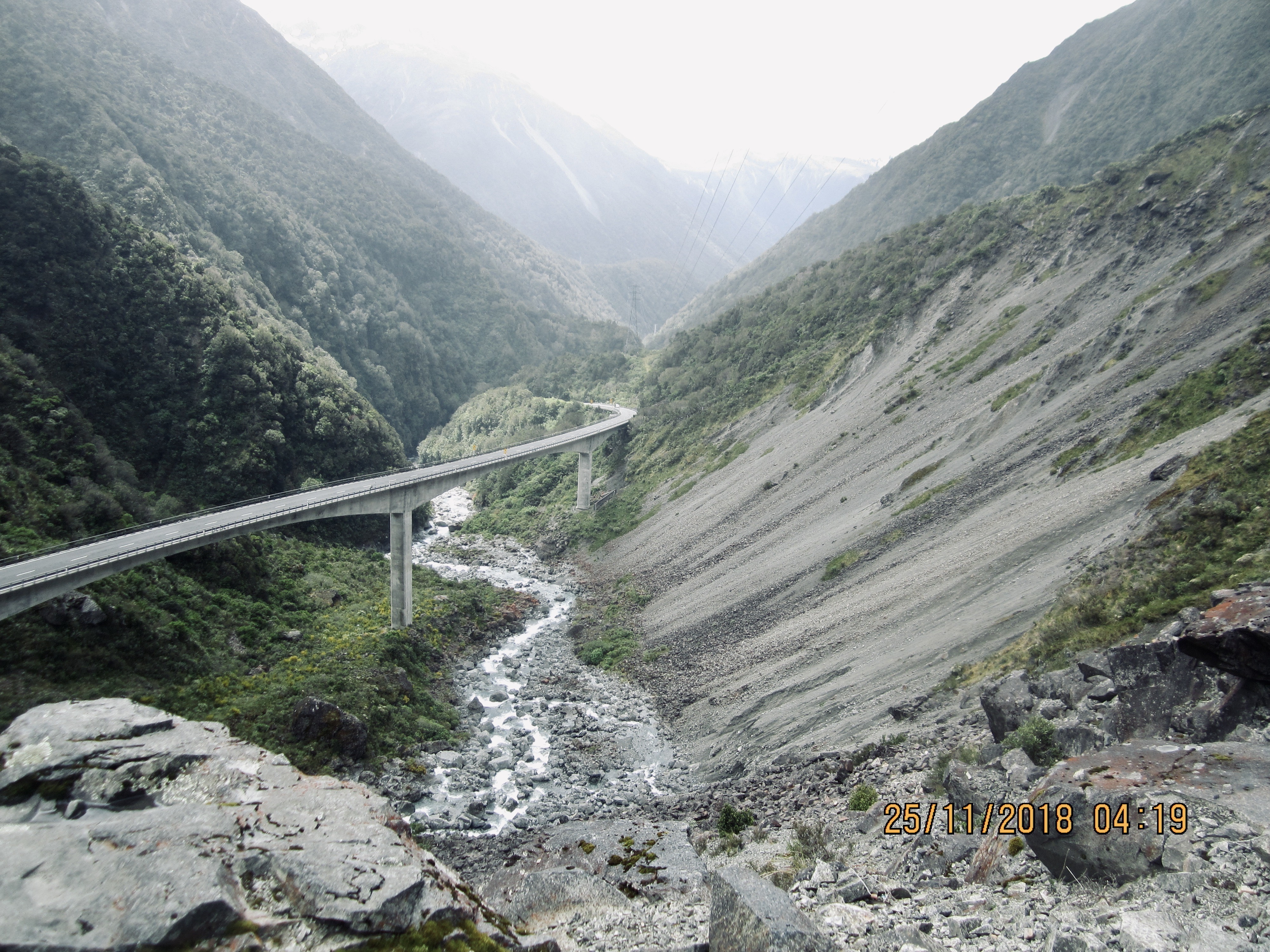
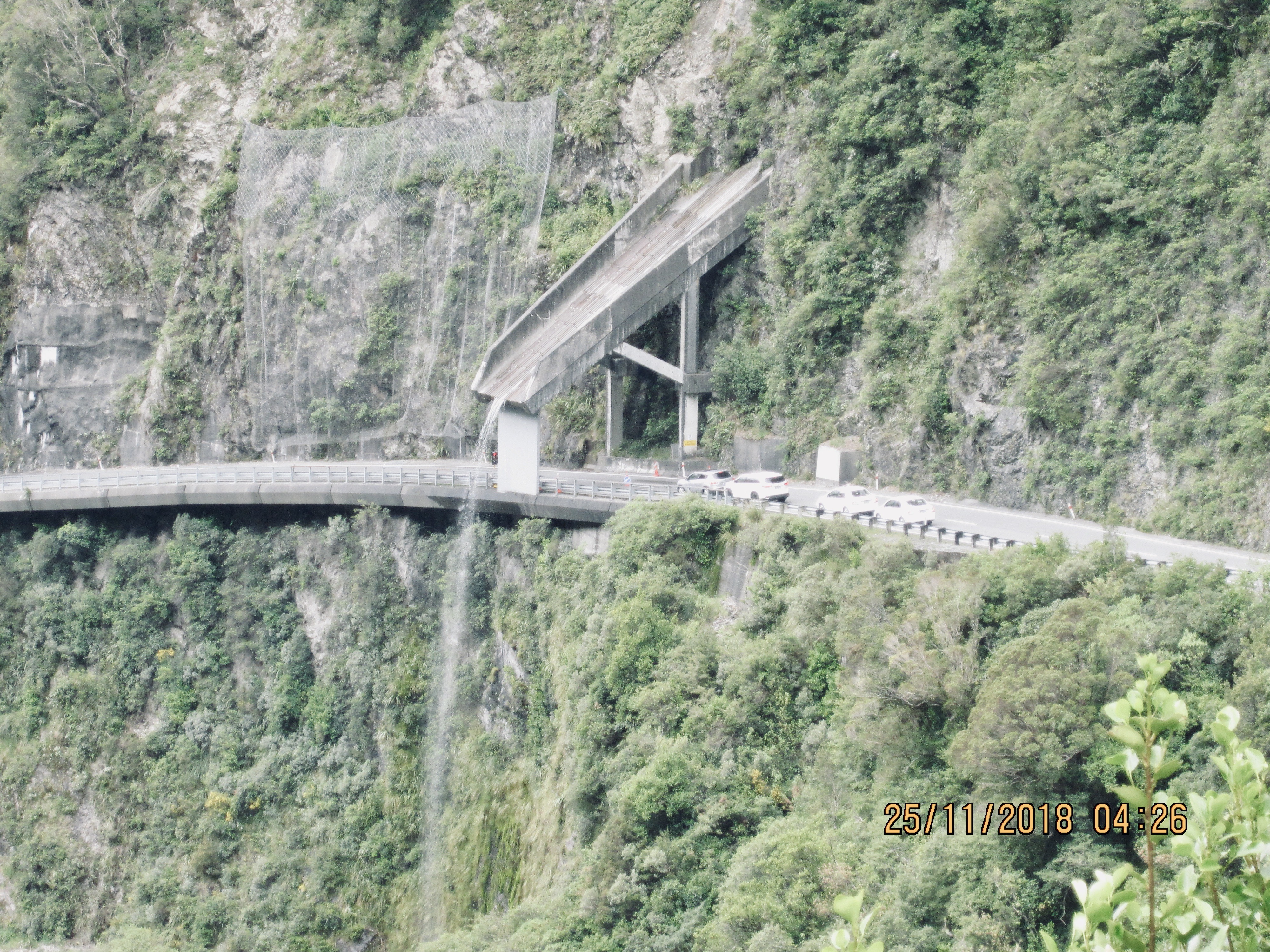
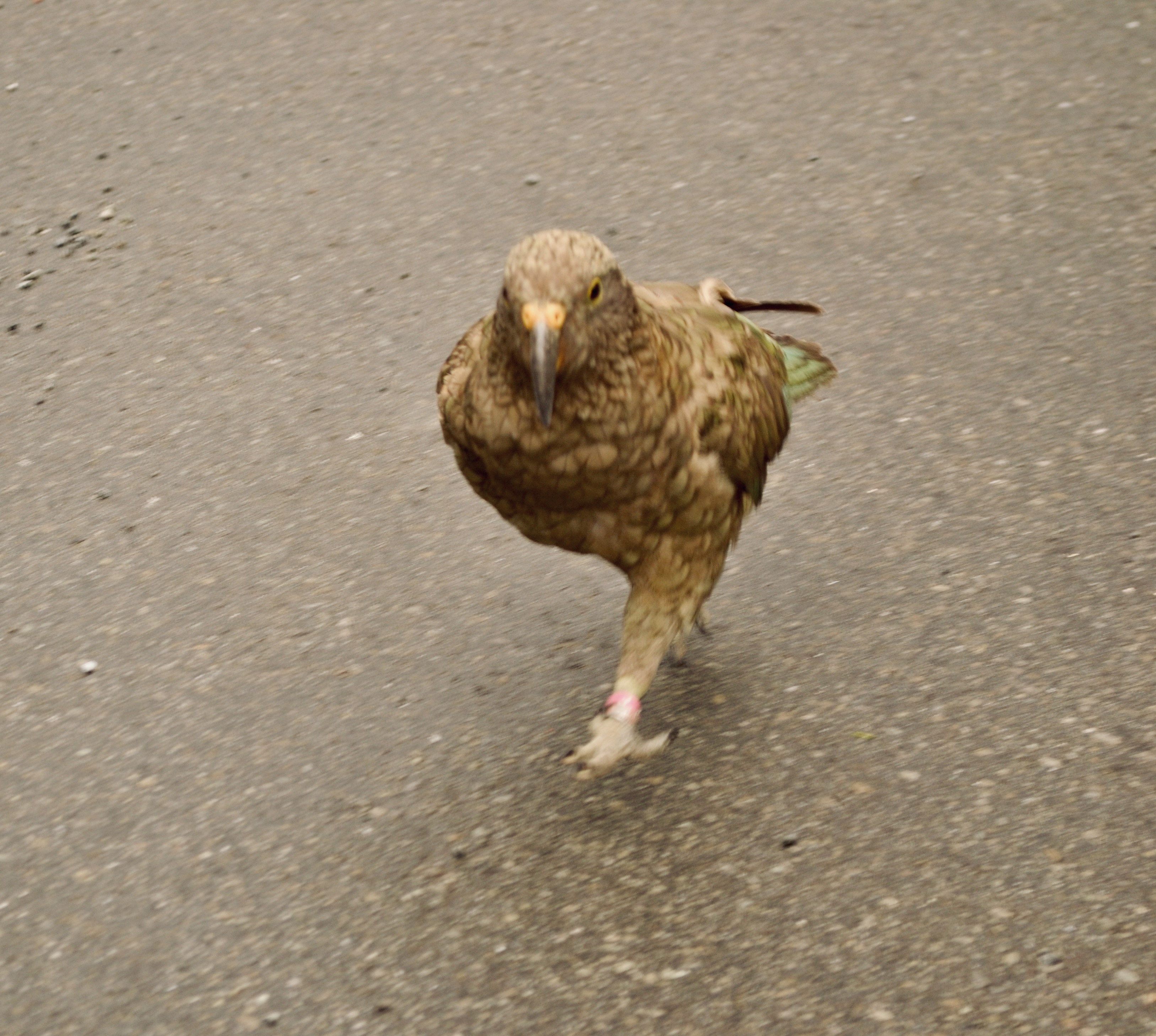
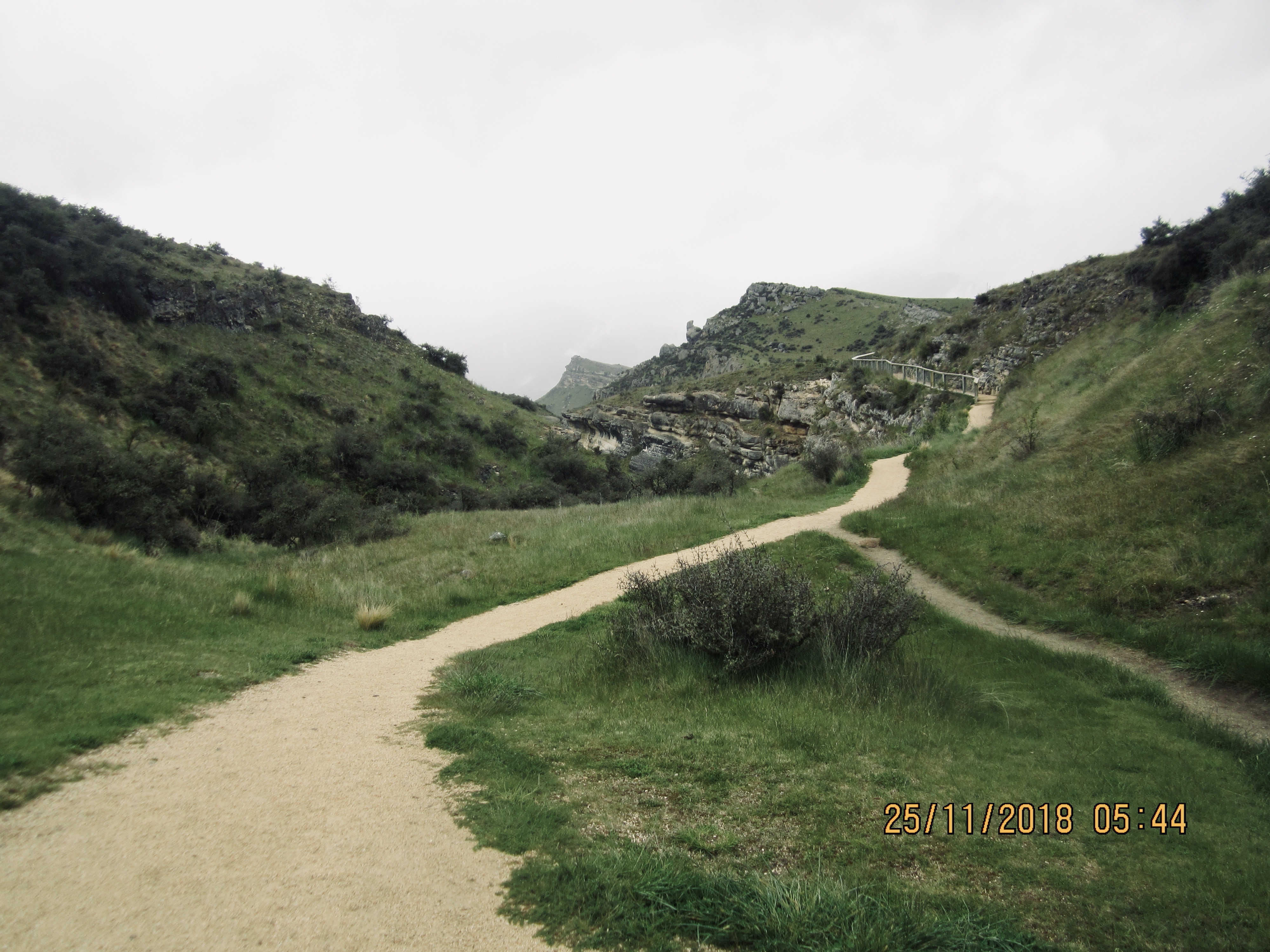
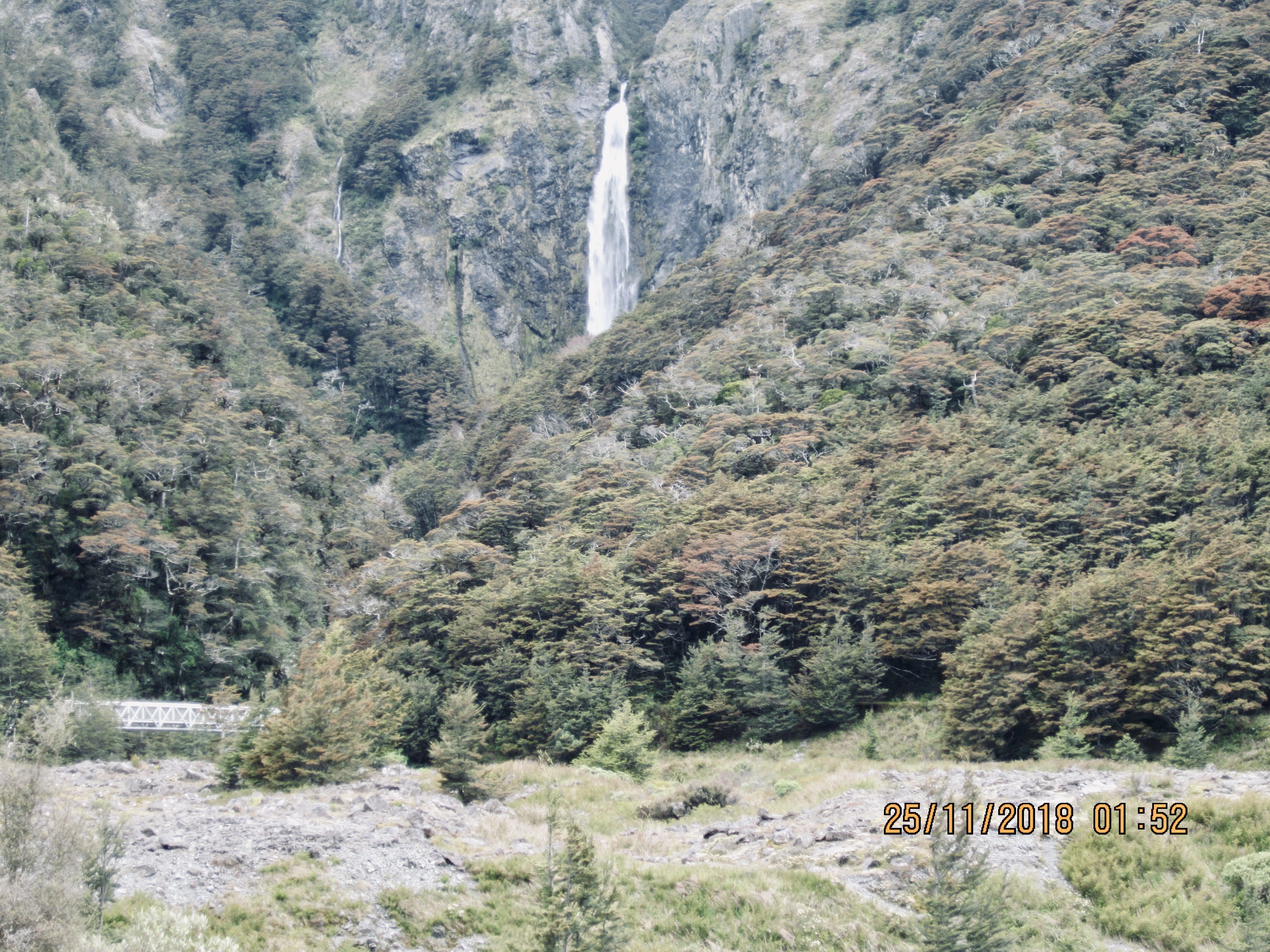
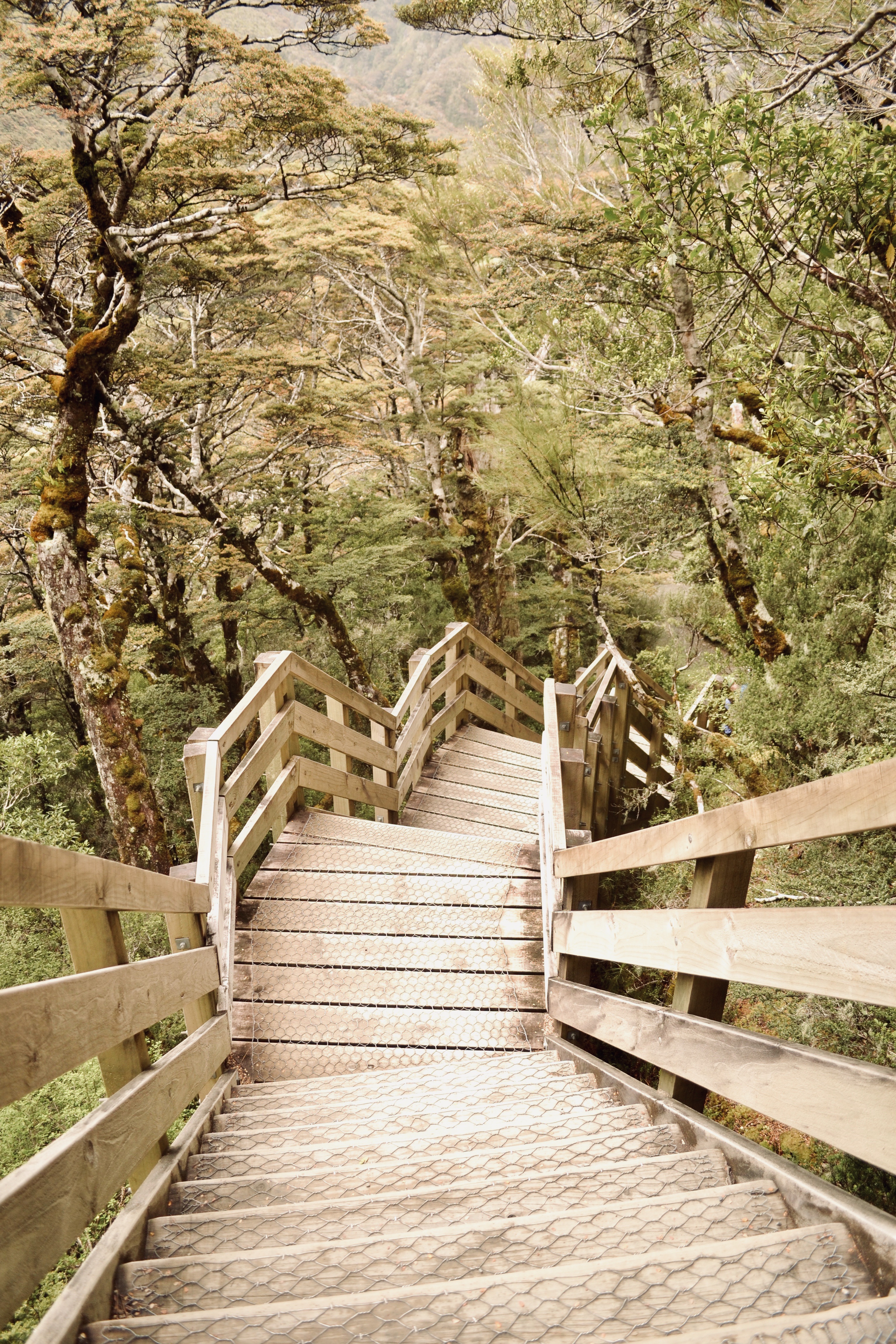
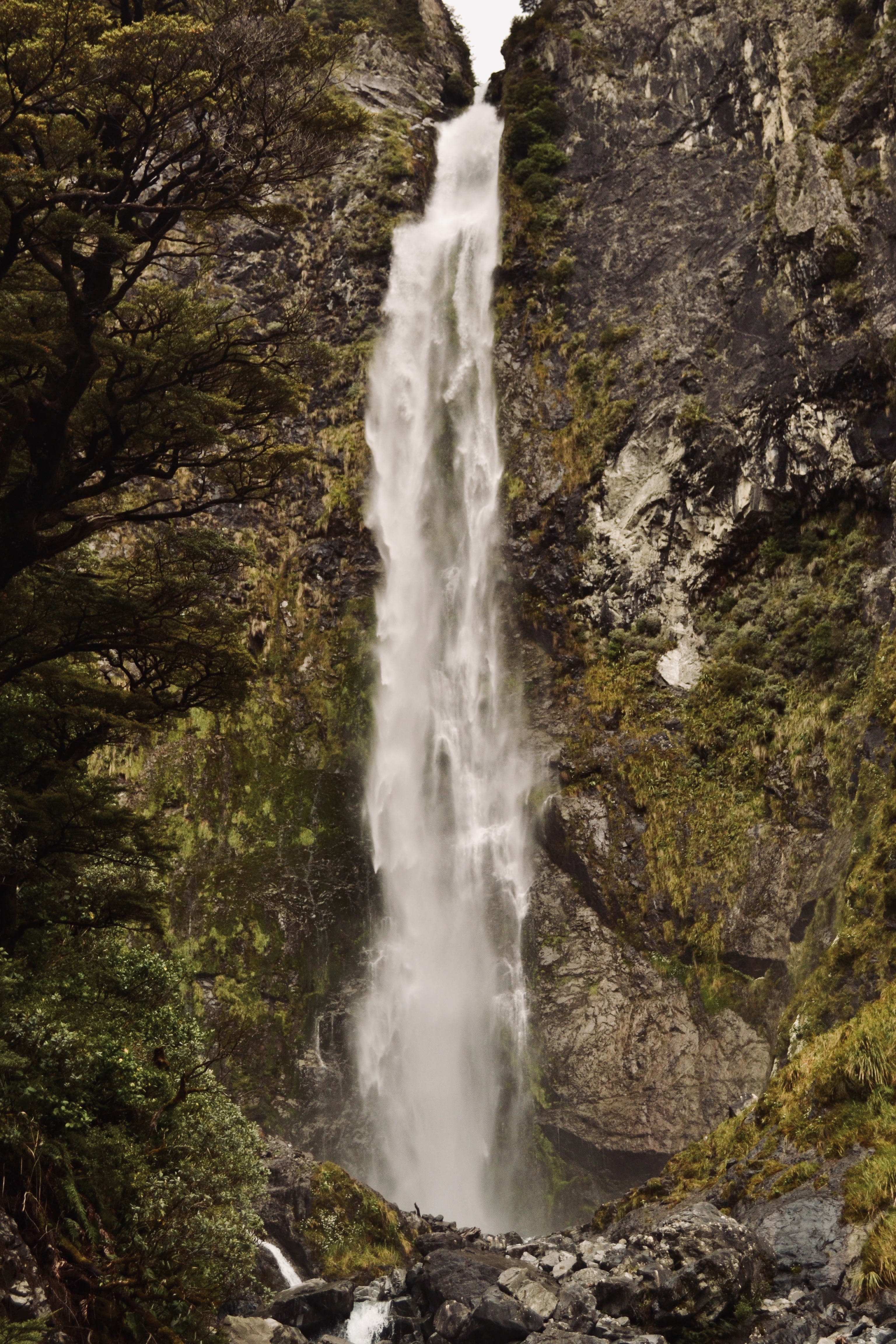
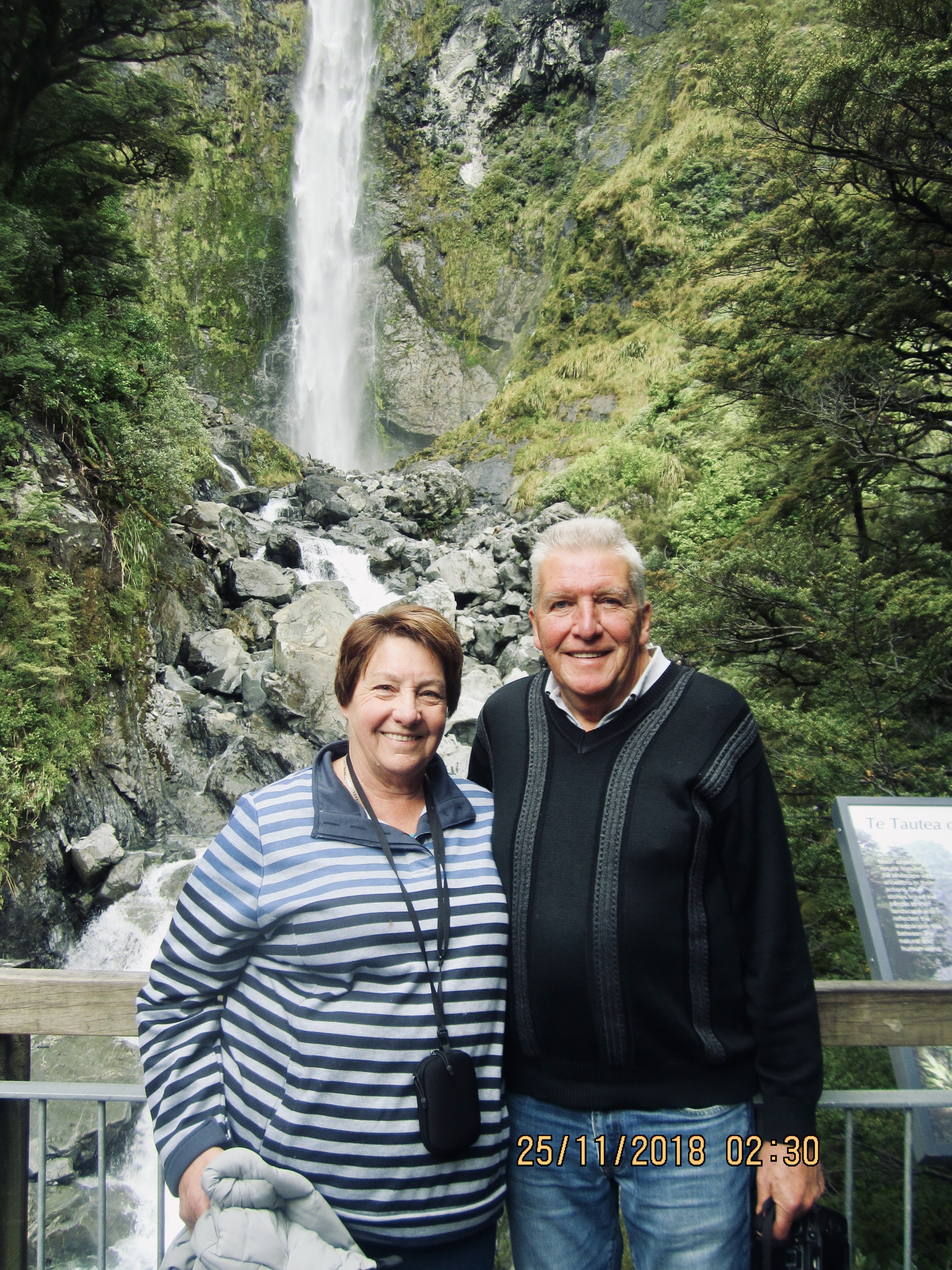
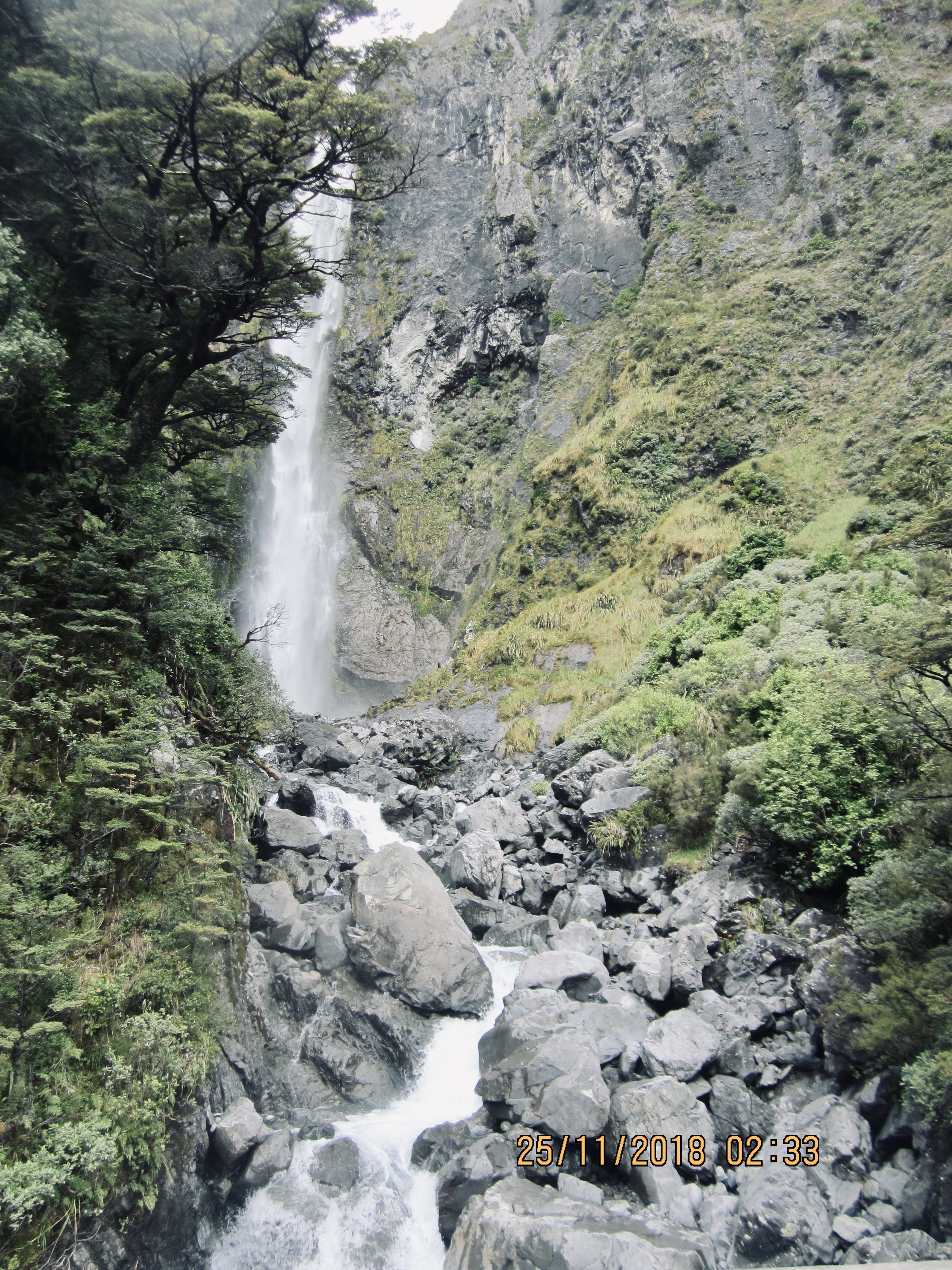
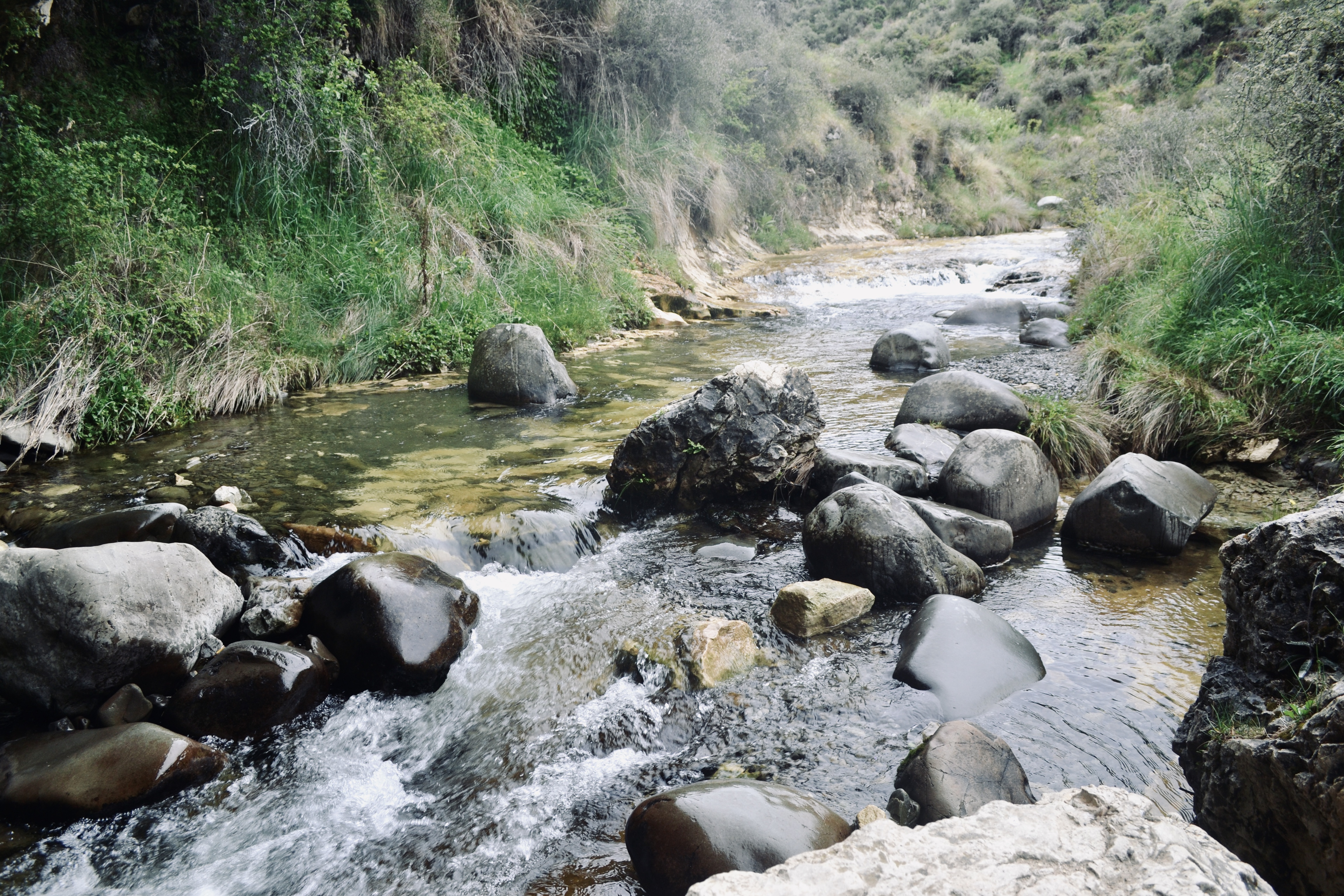
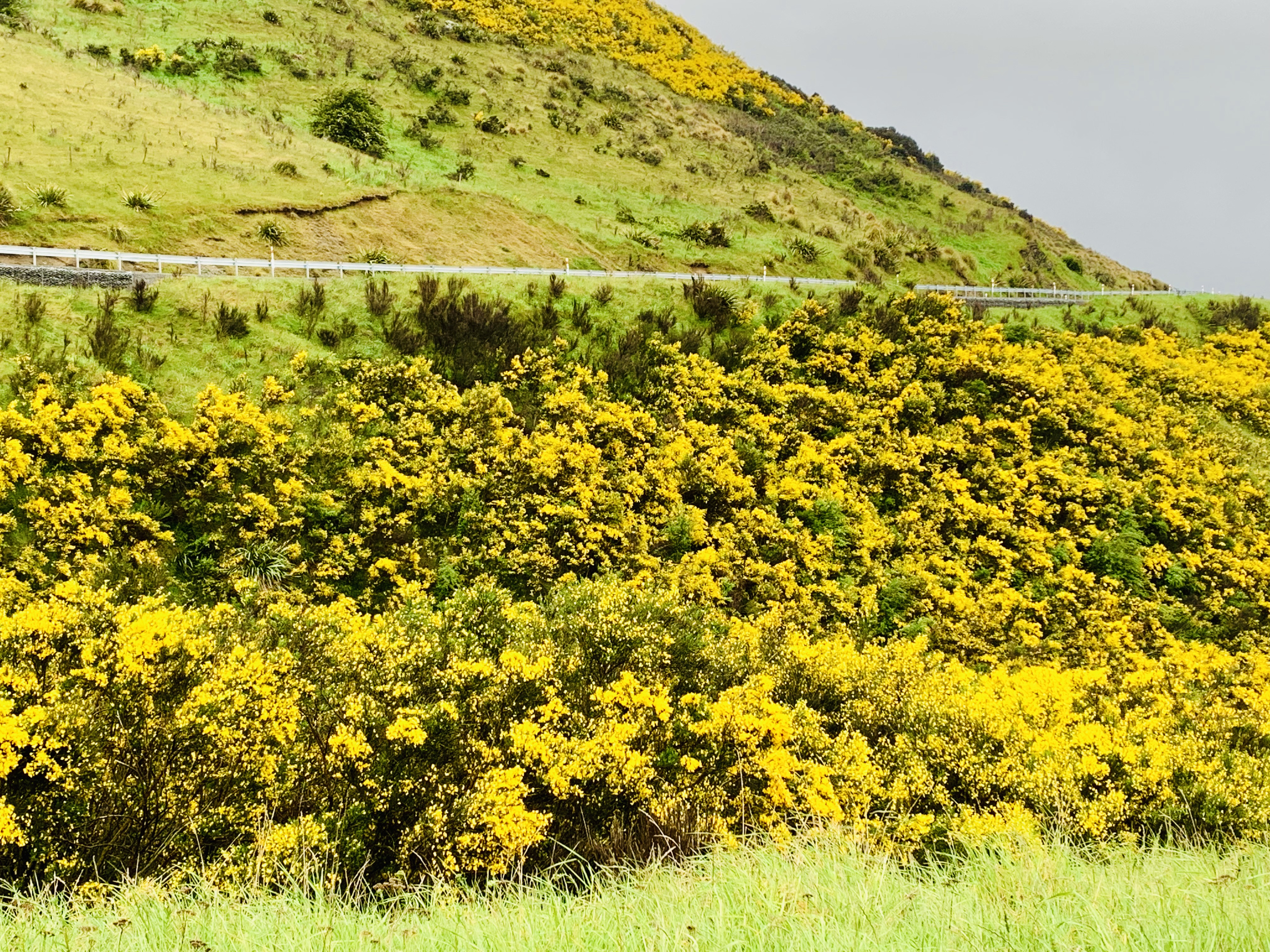
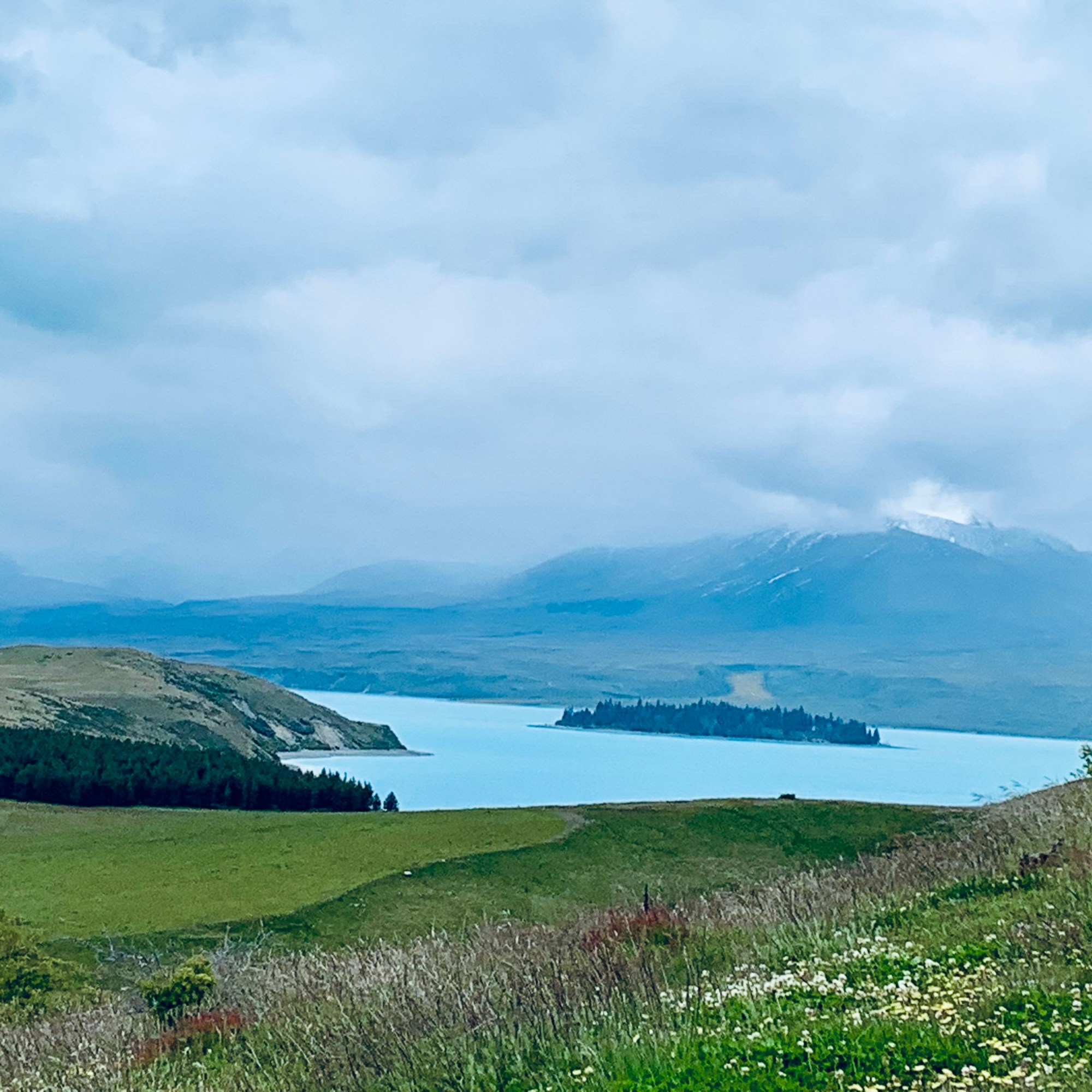
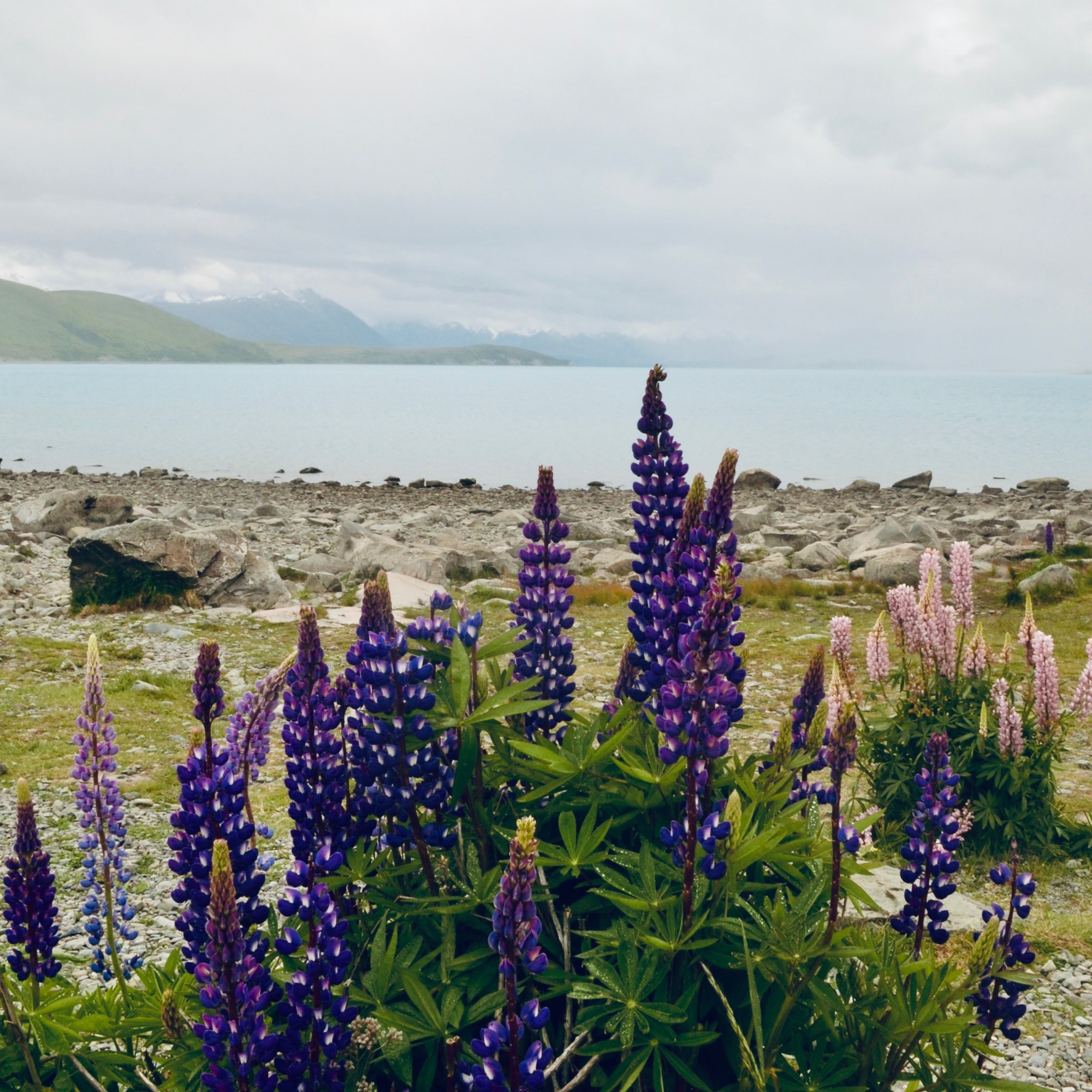
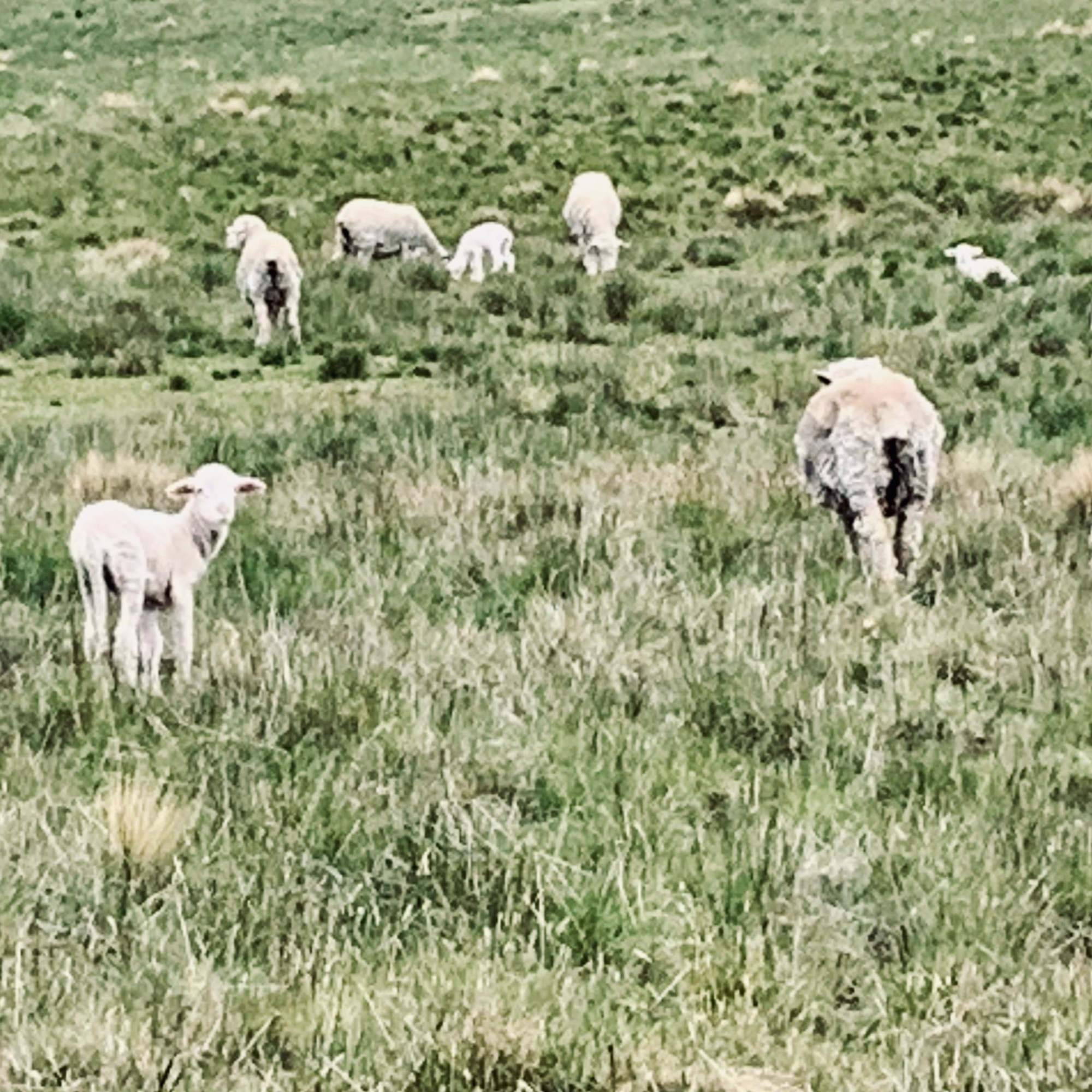
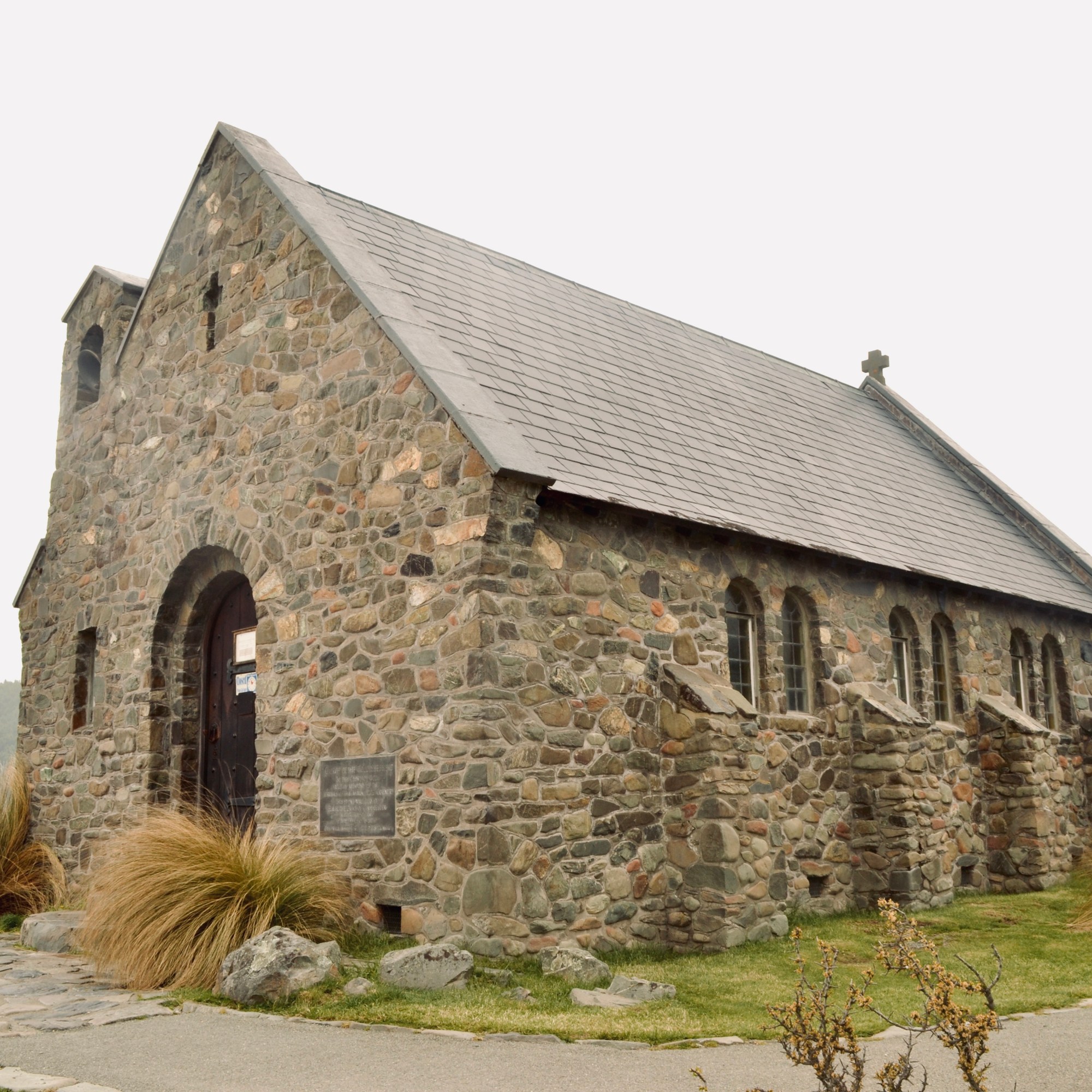

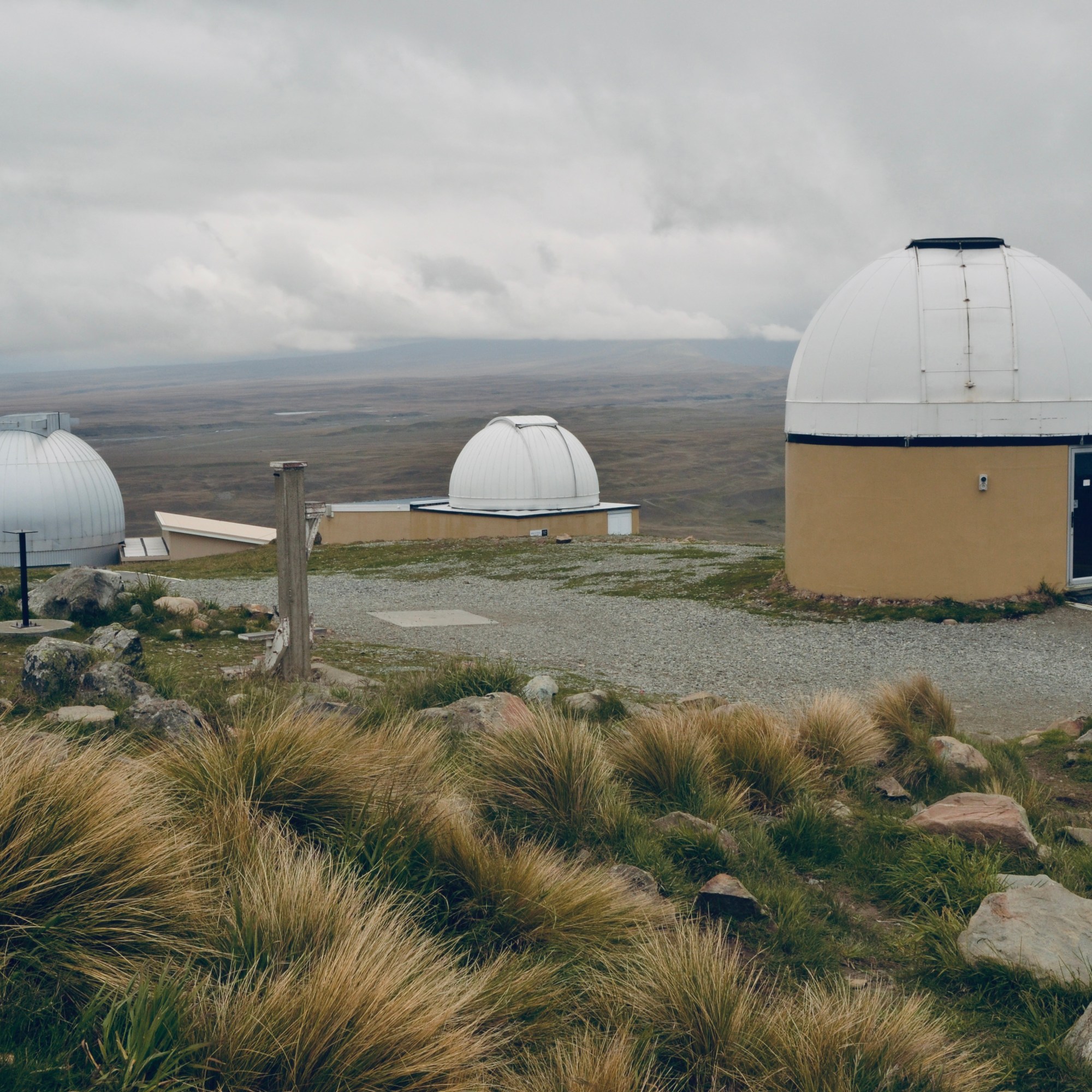
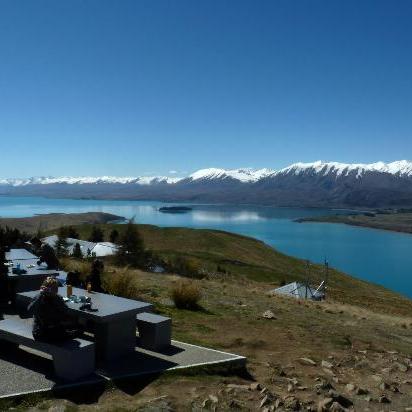

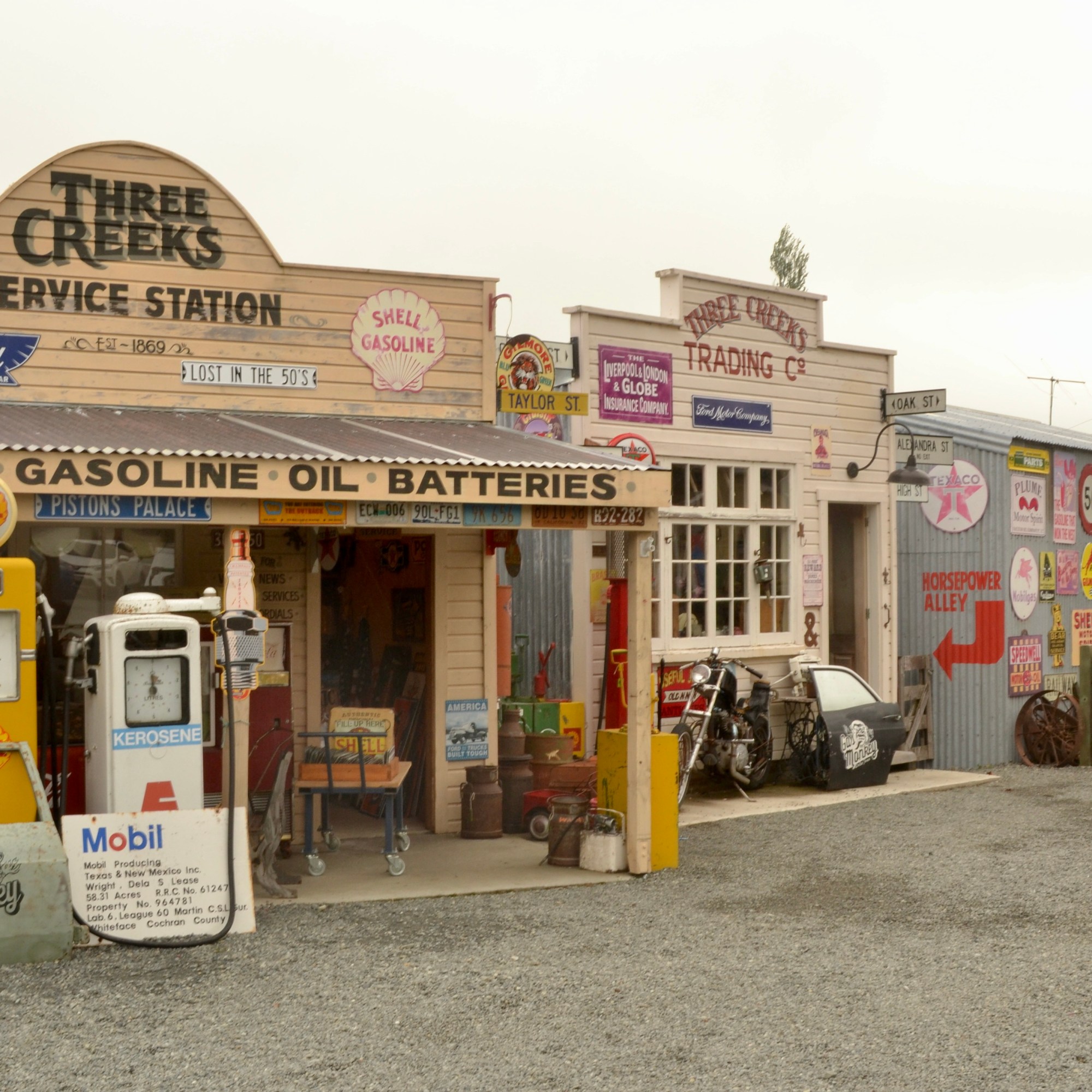
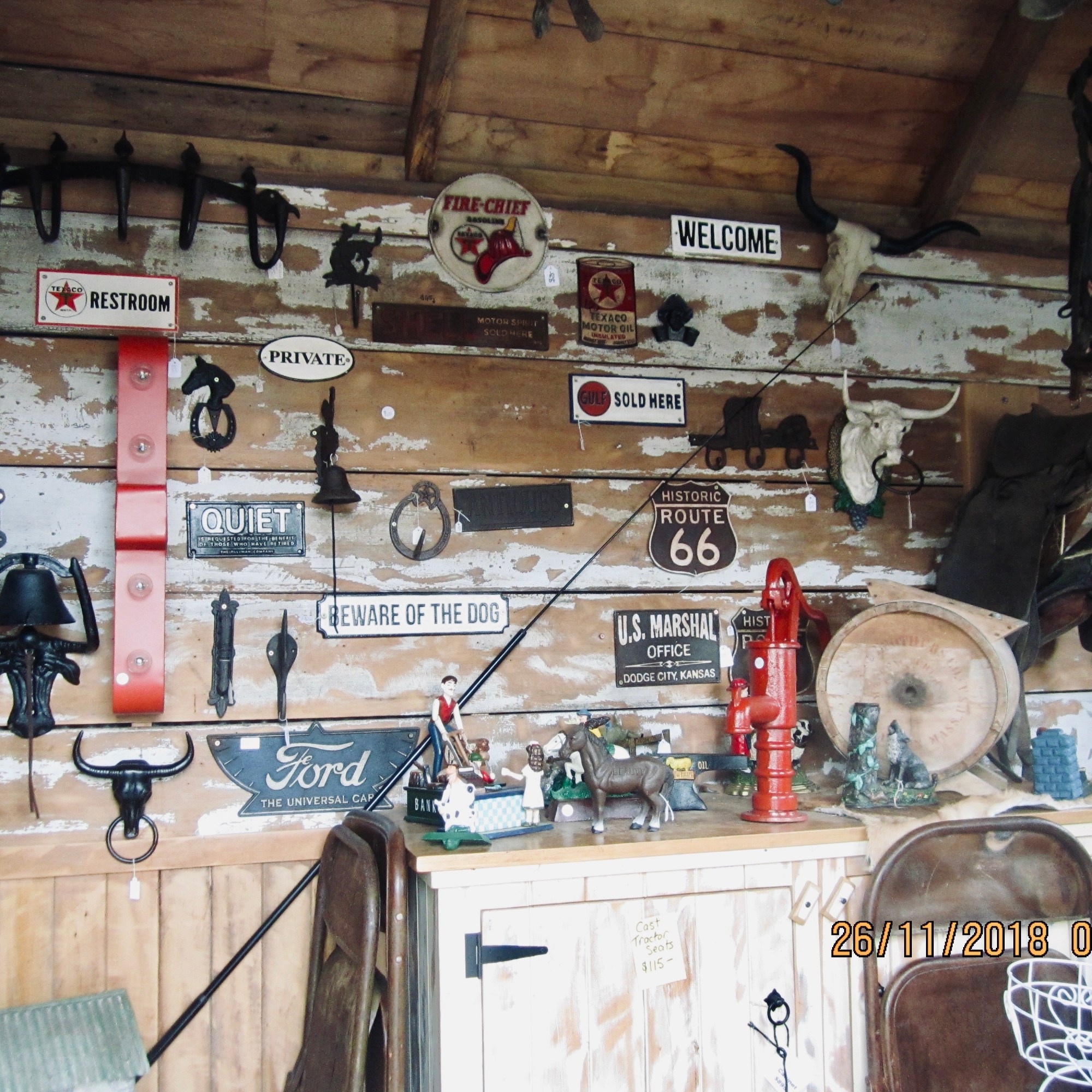
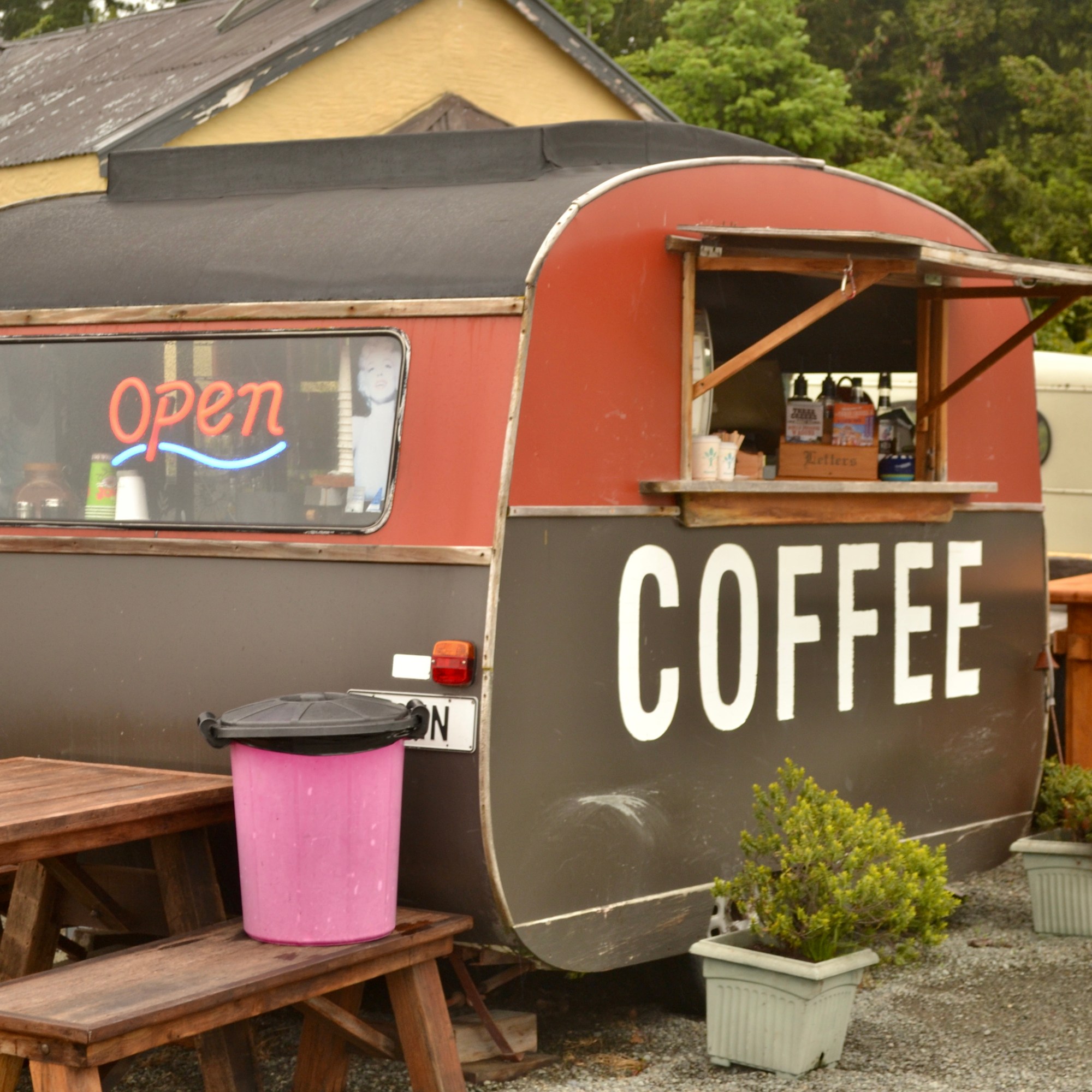
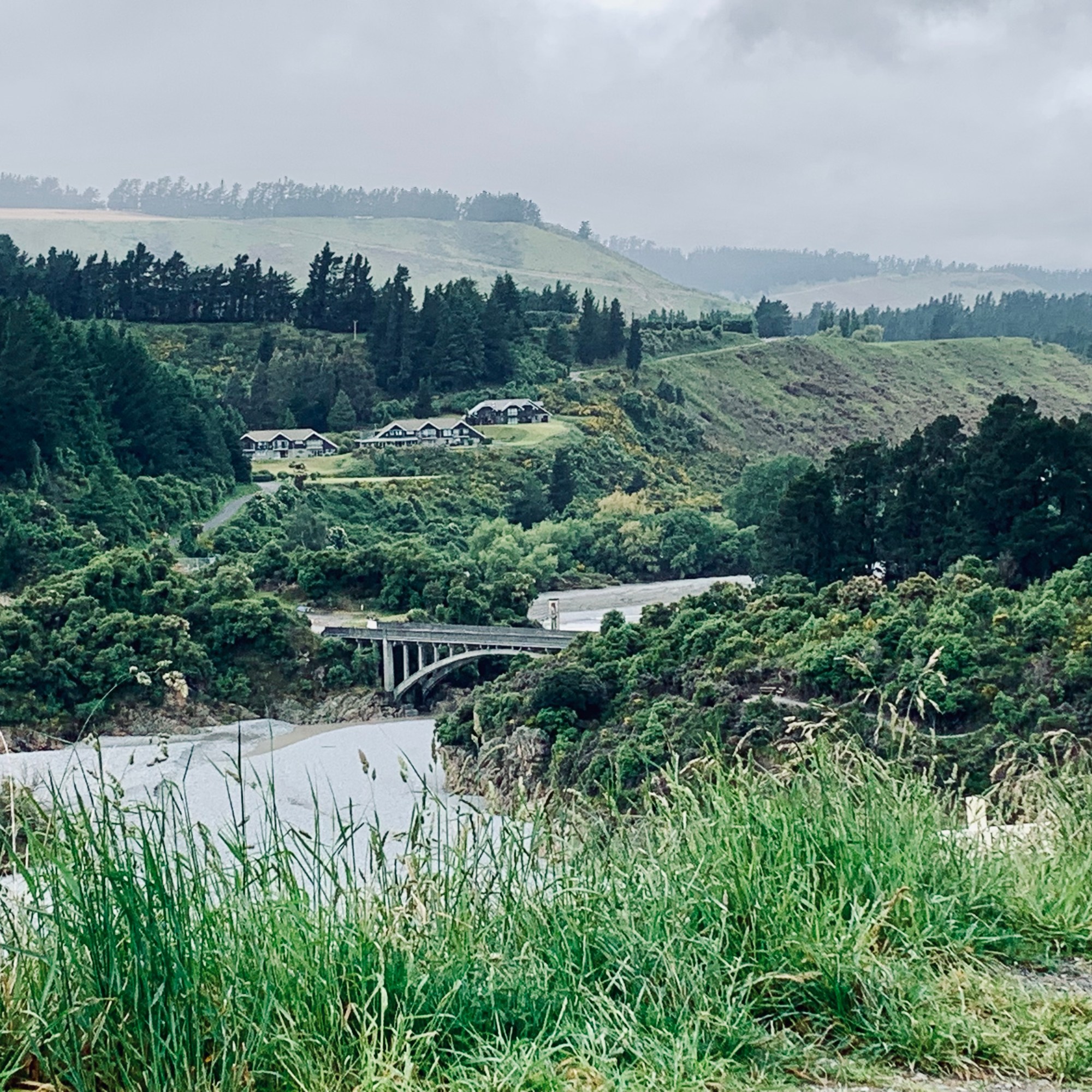
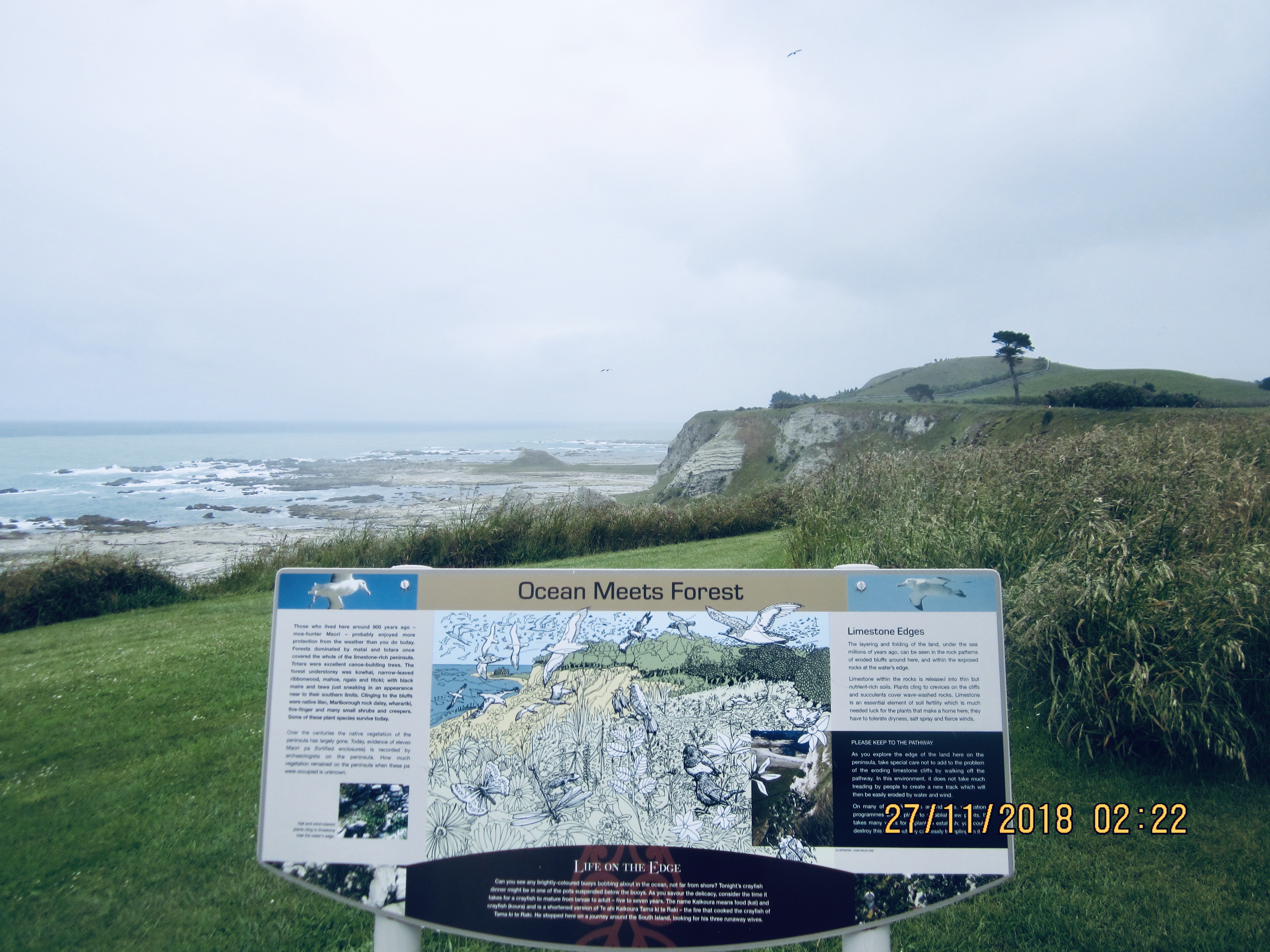
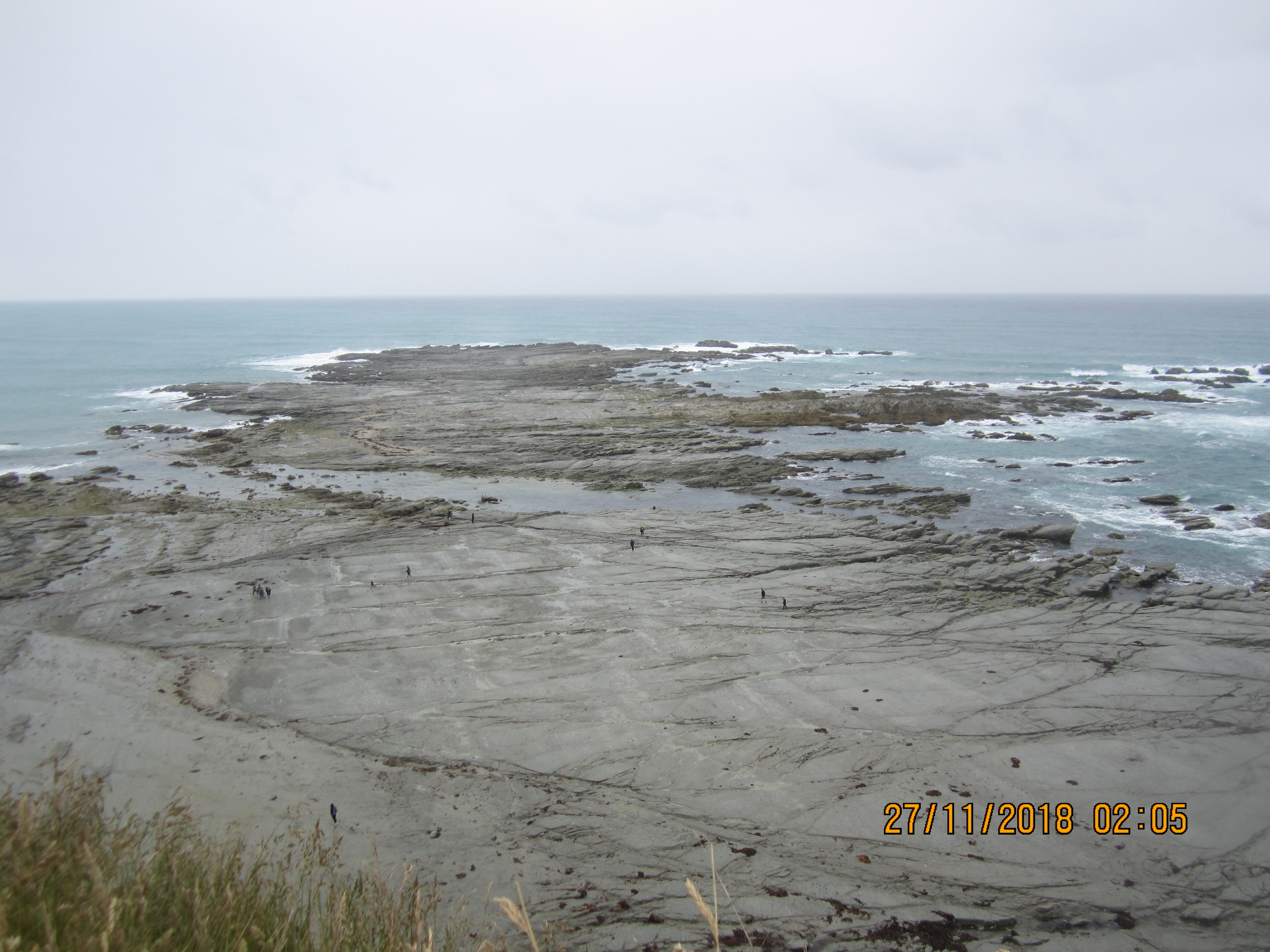
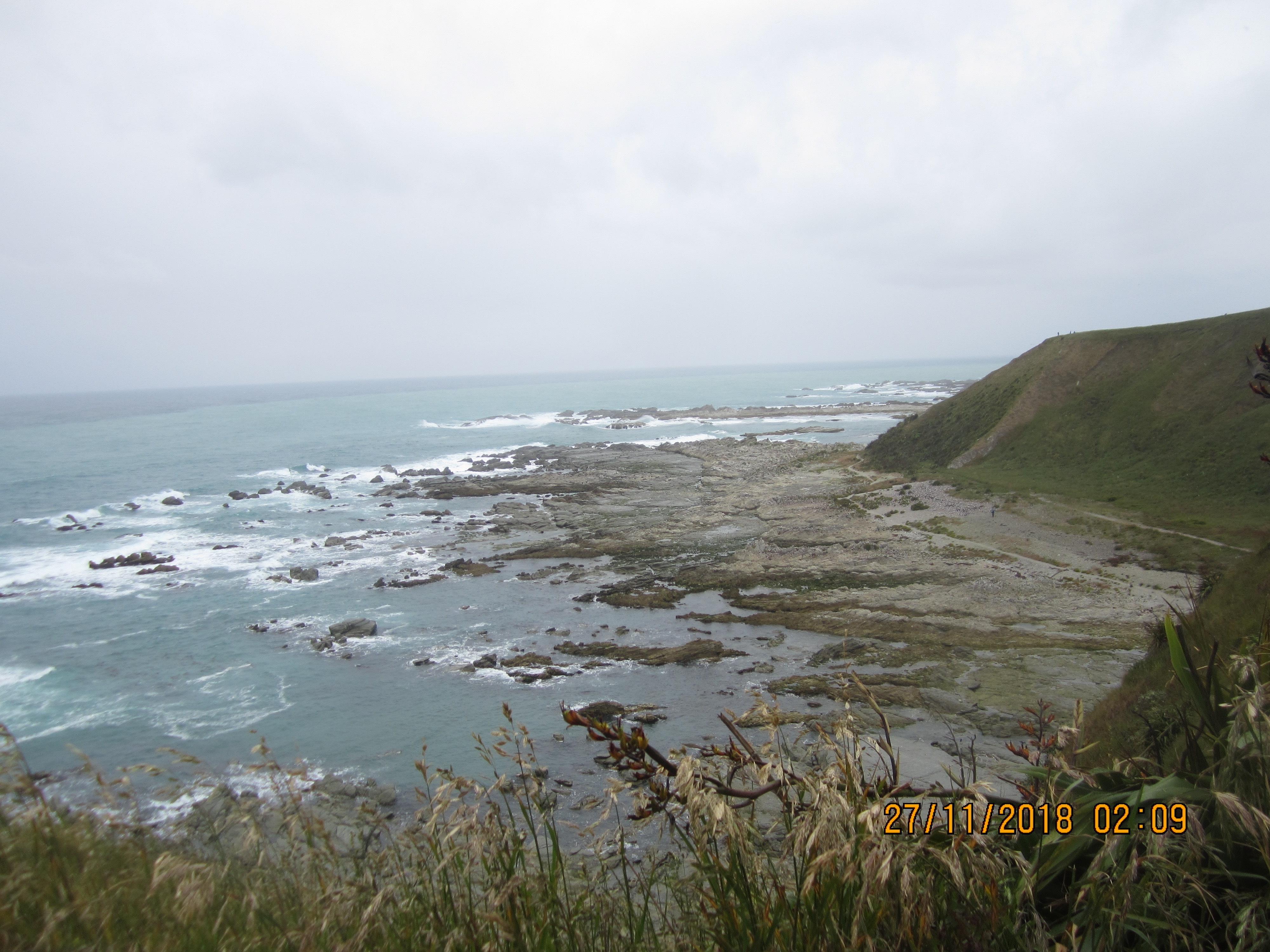
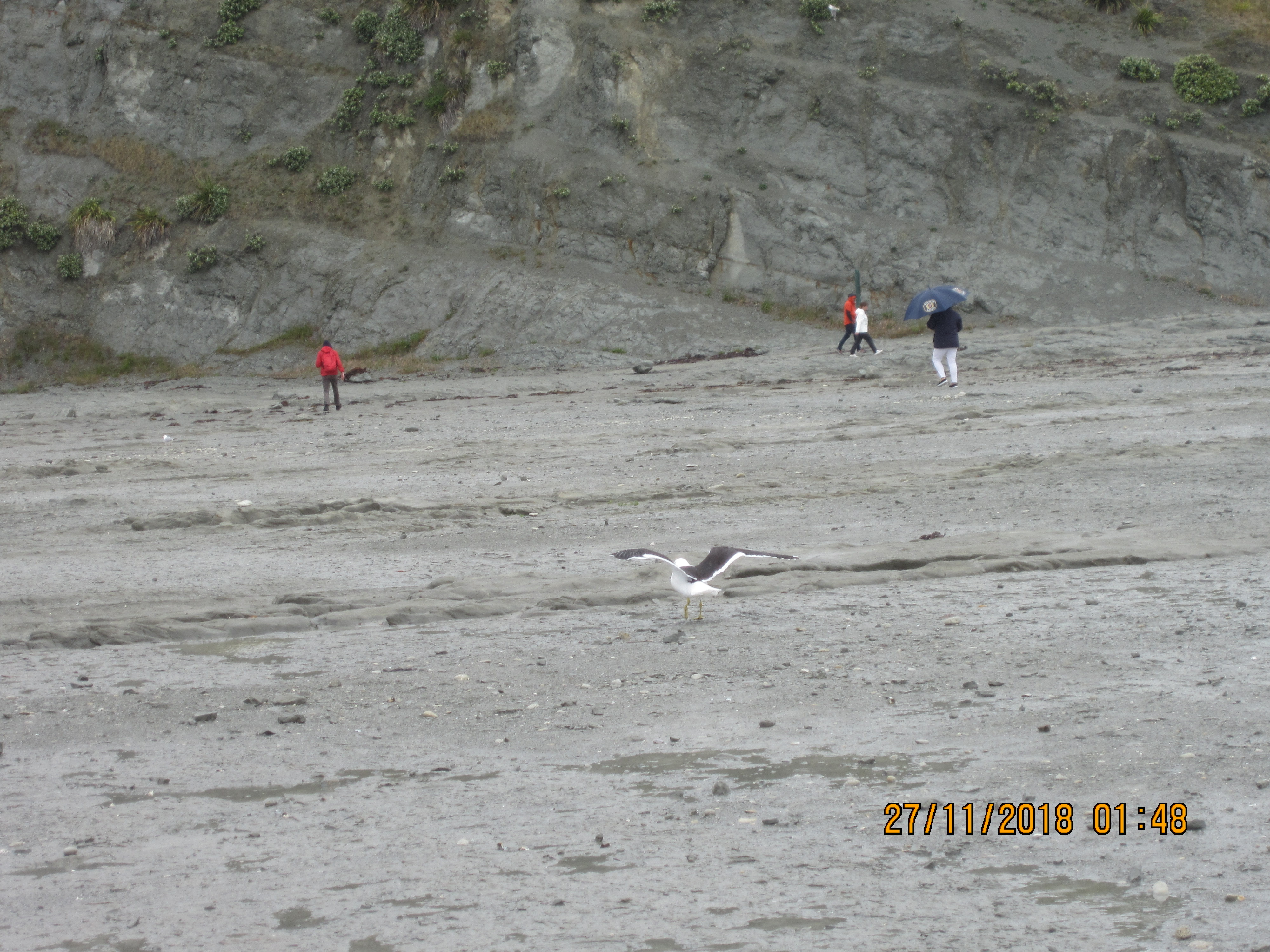
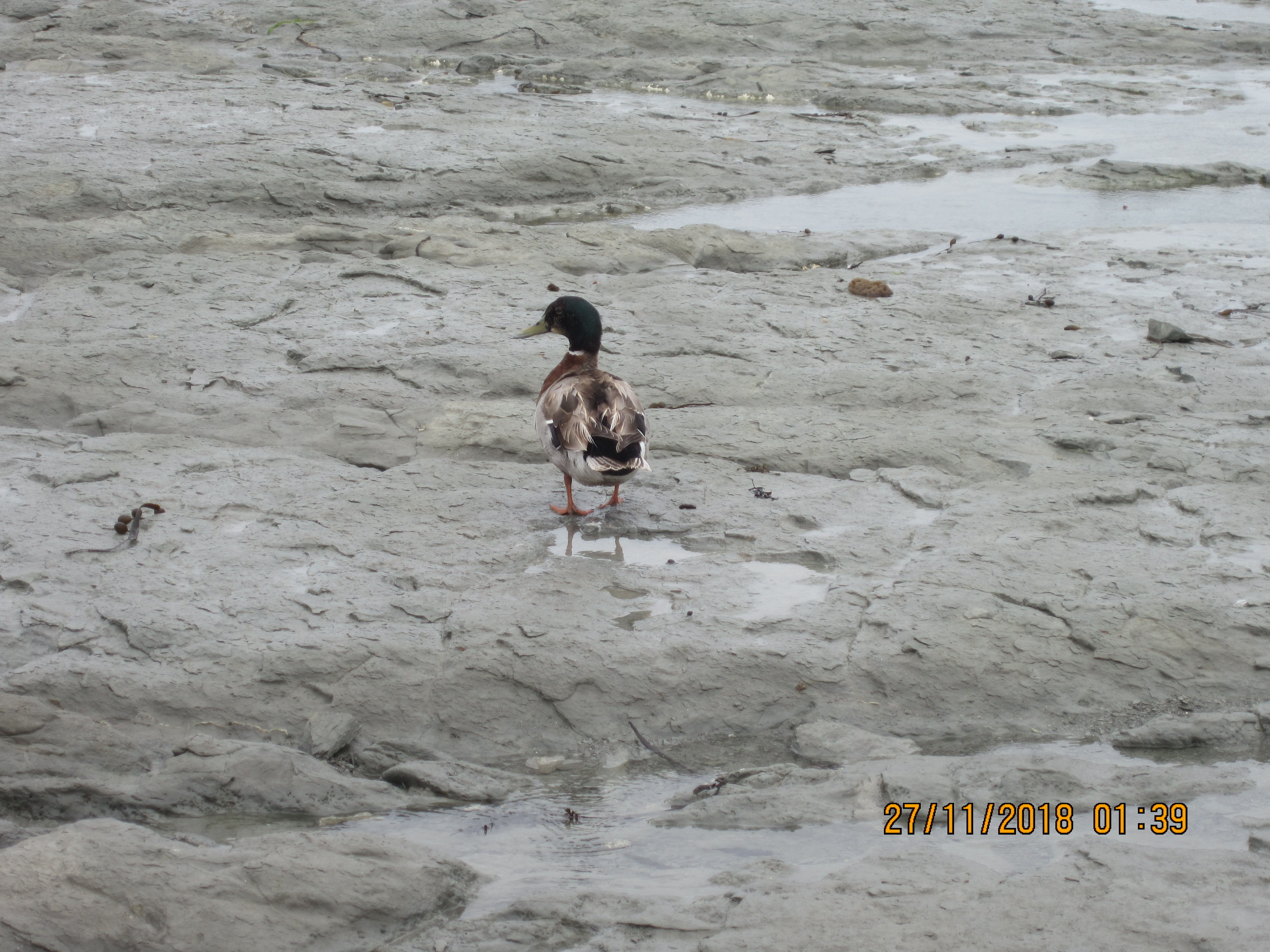
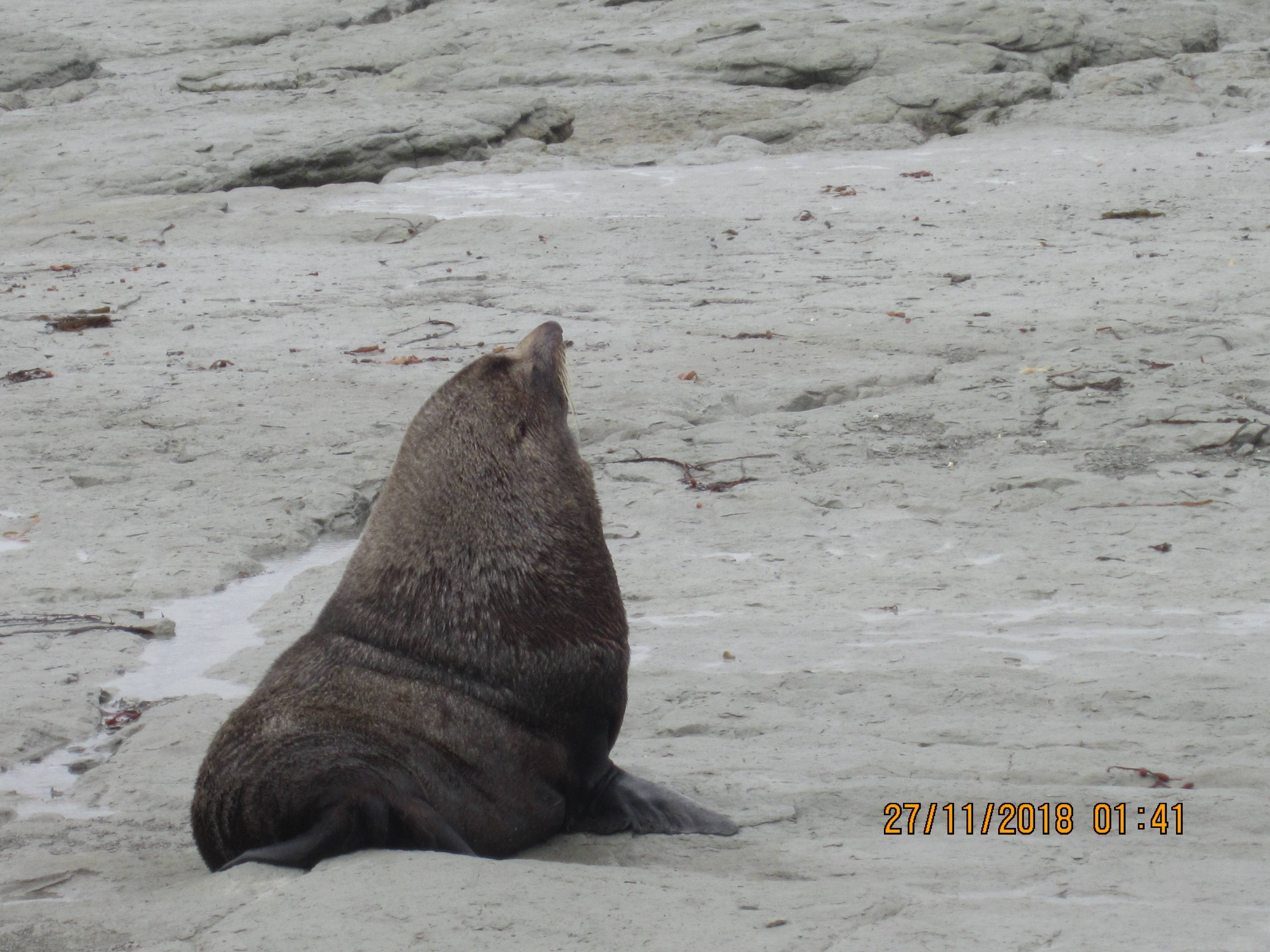
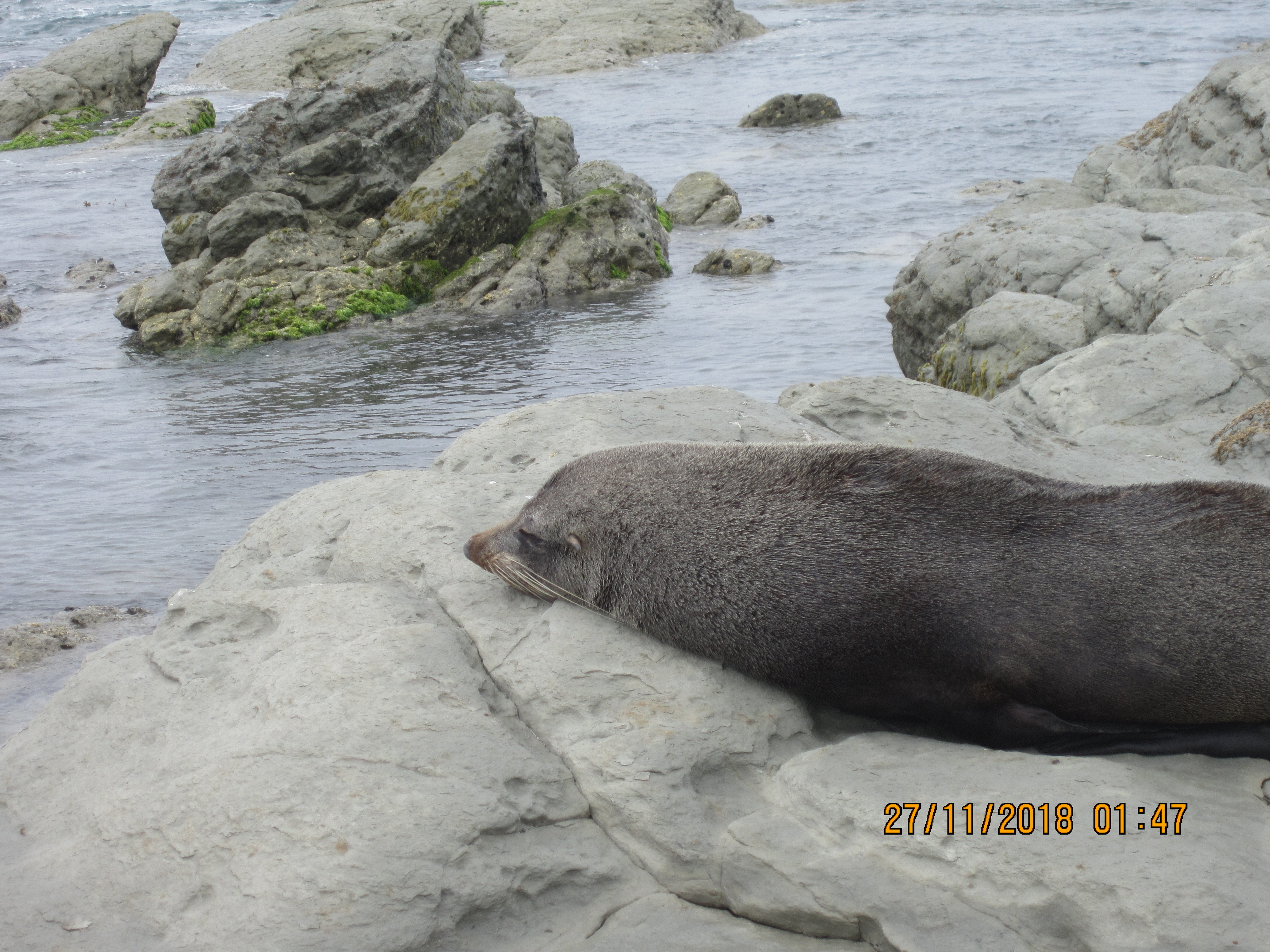
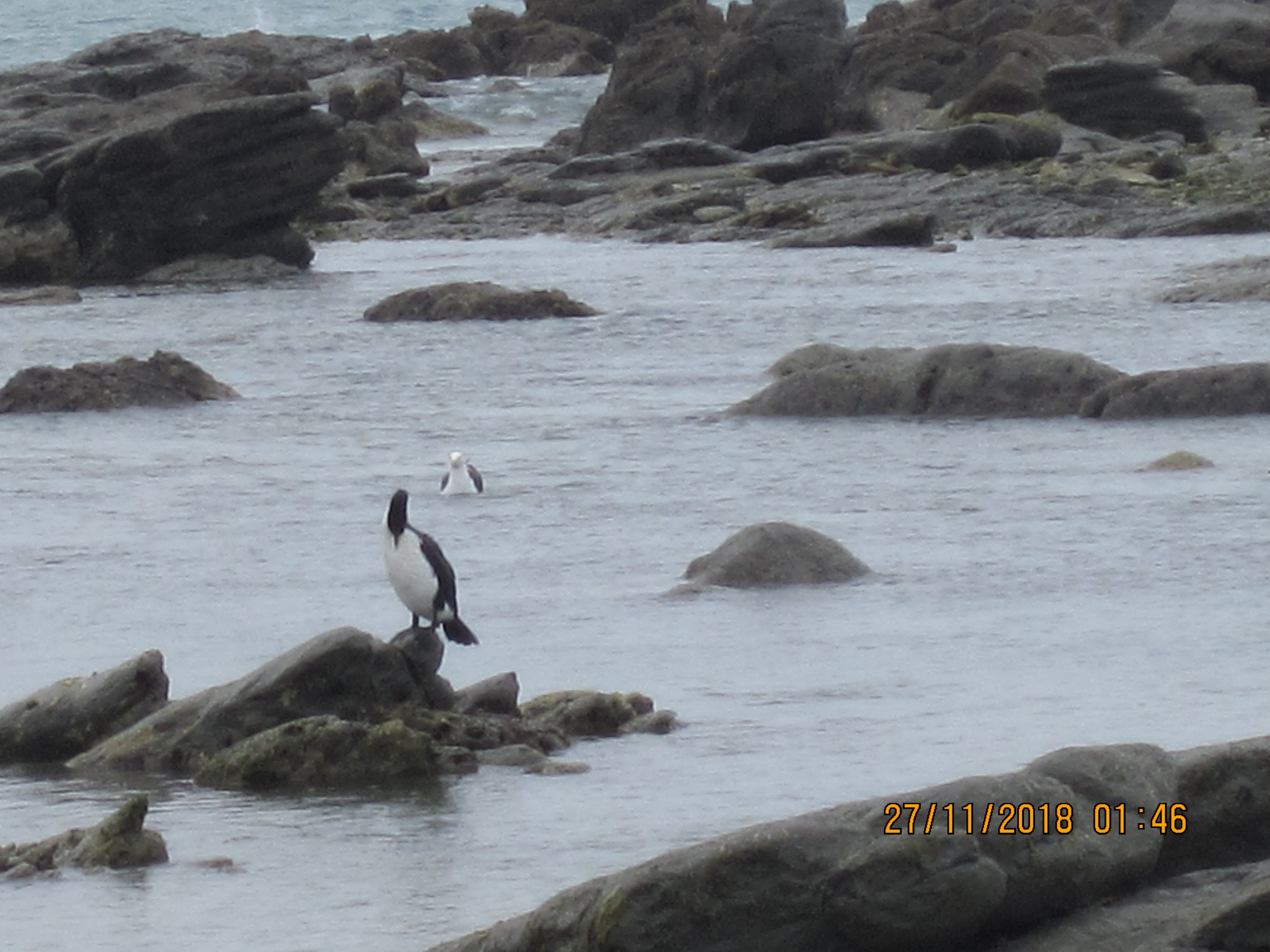
 Enjoying Life as a Senior